24 hours customer service +9779849693351

Paldor Peak Base Camp Trek

Paldor Peak Base Camp Trek

Langtang Region
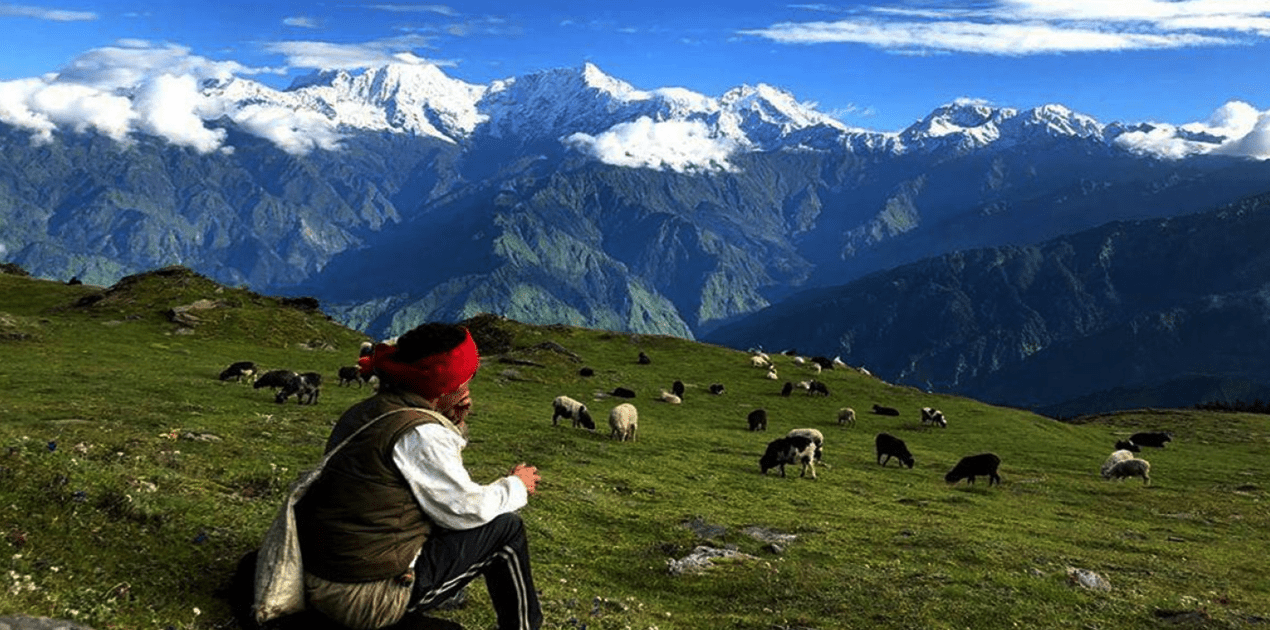
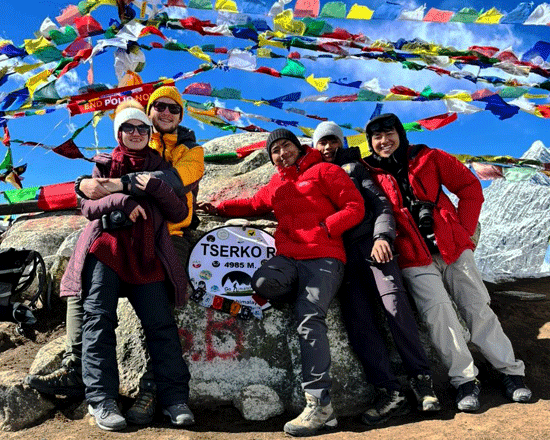
Pansang danda Paldo trek image
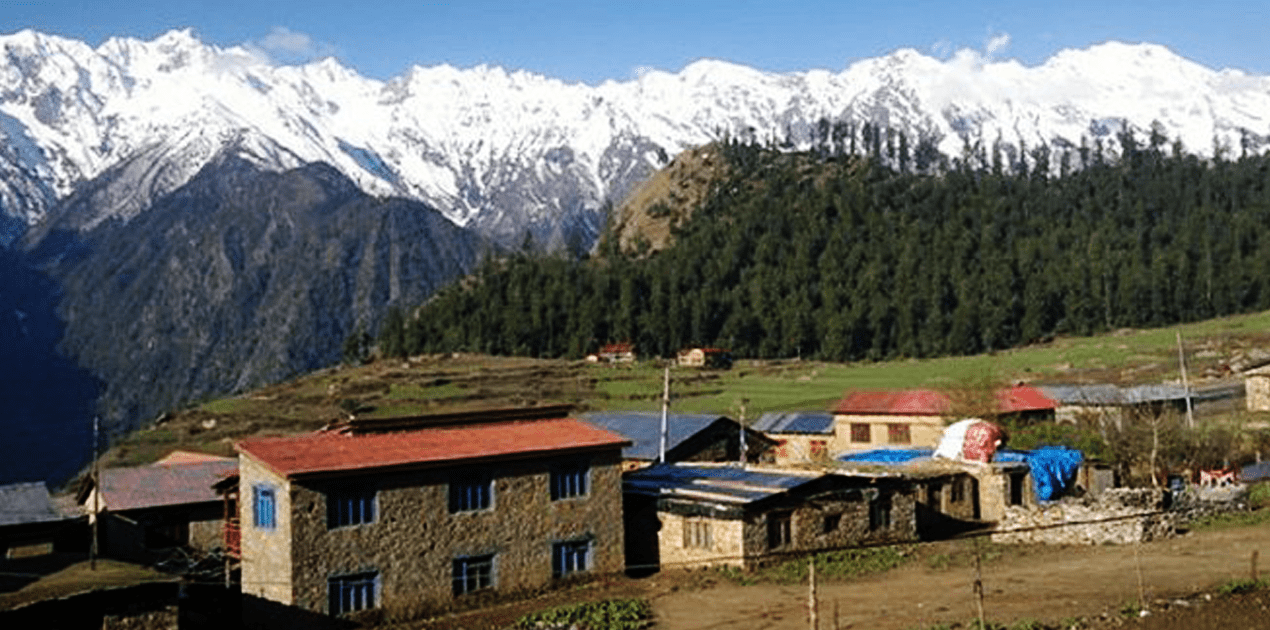
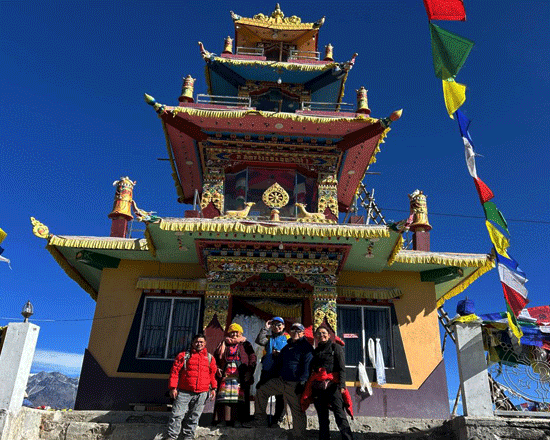
Paldo base camp trekking image

Trip Facts

Duration : 8 Days Max-Altitude : 4,800 Program Type : Tea house trek Best Season : March-june, Sep-dec Per Day Walking : 5/6 Trek Grade : Grade 3:

Since the terrain can be hard and the days long, hikers on these treks should be in good physical condition and have some previous mountain walking experience. Steep climbing may be involved, although it is never necessary to use ropes. Treks at this level can he arranged for periods of 16 to 21 days. Typically, a gradual ascent through a green river valley will lead you up to a number of high passes, where you will reach the altitude of 5416m. Often times, you will get a close insight into the Tibetan culture. Participants should expect to trek above 5416m/17872ft.

100%

807 Reviews

Start From

All price inclusive
$ 750 $ 680
USD per person

Group Price

No. of Persons Price per Person
1 Pax $ 680
2 Paxes $ 650
3-6 Paxes $ 640
7-10 Paxes $ 630
11-15 Paxes $ 620
16+Paxes $ 620

Number of Travellers

Overview

The Paldor Peak Base Camp Trek is a remote Himalayan adventure located in the Ganesh Himal region of Nepal, northwest of Kathmandu. This trek leads into the wild and less-explored Ruby Valley, offering close views of glaciers, high ridges, traditional villages, and the impressive Paldor Peak (5,896 m).

Unlike commercial trekking routes, this journey is quiet, culturally rich, and deeply connected to nature. It is ideal for trekkers seeking authenticity, wilderness, and mountain solitude.

Brief Overview of the Trek

The trek begins with a drive from Kathmandu into rural hill regions, followed by walking trails that pass through forests, rivers, and Tamang villages. As altitude increases, the landscape changes into alpine meadows and glacial terrain leading toward Paldor Base Camp.

This route lies between the Langtang Valley and Manaslu regions, making it a natural corridor of biodiversity and culture.

Mountain Names and Elevations

The trek offers views of several Himalayan peaks in the Ganesh Himal range:

  • Paldor Peak – 5,896 m (main peak of the region)
  • Ganesh Himal I – 7,422 m
  • Ganesh Himal II – 7,118 m
  • Ganesh Himal III – 7,043 m
  • Ganesh Himal IV – 7,104 m
  • Shishapangma (Tibet view on clear days) – 8,027 m

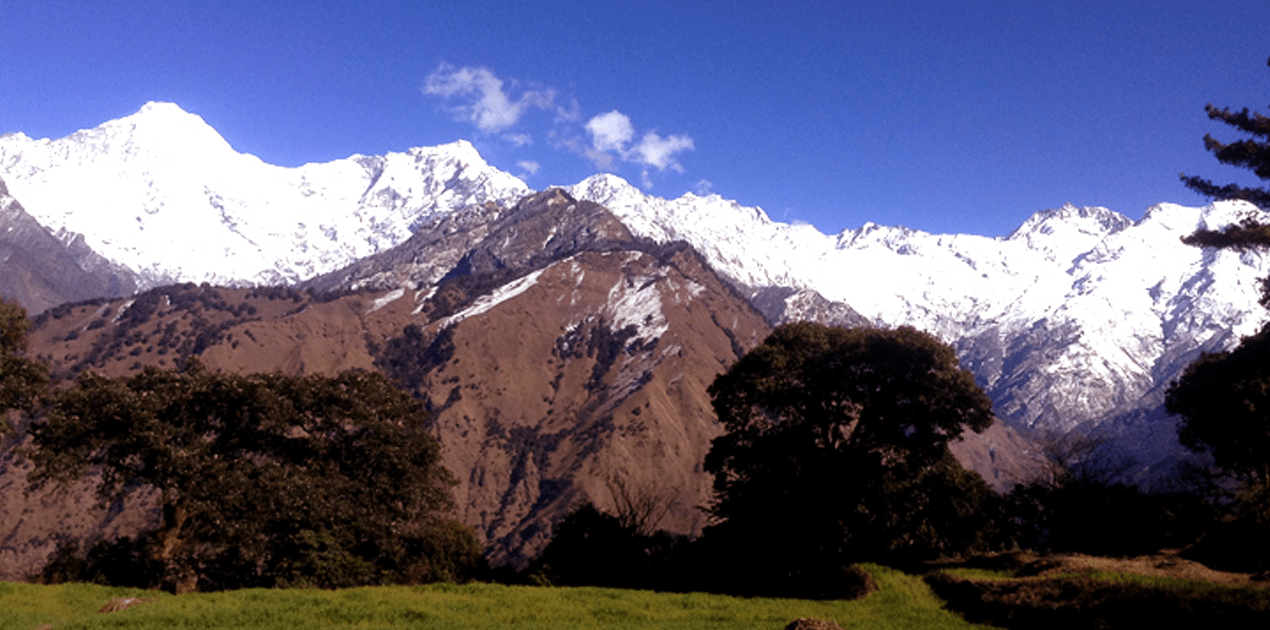
These peaks create a dramatic skyline throughout the trek, especially from higher camps and ridges.

What the Trek Includes (Typical Package)

A guided Paldor Peak Base Camp Trek usually includes:

✔️ Services

  • Licensed trekking guide
  • Porter support (optional)
  • All trekking permits (Langtang National Park + TIMS)
  • Kathmandu to the trailhead transport
  • Accommodation (tea house + camping)
  • Meals during trek (breakfast, lunch, dinner)
  • Camping equipment for the upper region

✔️ Not Included

  • International flights
  • Personal trekking gear
  • Travel insurance (mandatory)
  • Personal expenses (snacks, drinks, tips)
  • Hot showers and Wi-Fi in remote areas

Nature & Landscape

The Paldor Peak Base Camp Trek is known for its dramatic natural diversity.

Key Landscapes:

  • Dense rhododendron and pine forests
  • Deep river valleys and suspension bridges
  • Terraced farmlands in lower villages
  • Alpine grasslands and yak pastures
  • Glacial moraines and rocky high-altitude terrain

The transition from green valleys to icy mountains makes this trek visually powerful and unique.

Lakes & Water Sources

Although not famous for large alpine lakes like Everest or Annapurna, the region features:

  • Small glacial ponds near high camps
  • Seasonal mountain streams
  • Snow-fed rivers flowing through Ruby Valley
  • Natural water sources used by local communities

These water systems are essential for both trekking routes and village life.

Mine of Lari (Local Resource Area)

The Mine of Lari area in the Ruby Valley region is known locally for traditional mineral and stone extraction zones historically used by villagers.

  • Small-scale local mining activity (non-industrial)
  • Used historically for construction materials and local tools
  • Located in remote valley sections of the Ganesh Himal region

It is not a commercial mining zone but part of the traditional resource landscape of the region.

Flora and Fauna

The trek passes through one of Nepal’s most diverse ecological zones.

🌺 Flora:

  • Rhododendron forests (Nepal’s national flower)
  • Oak and pine trees
  • Bamboo groves in the lower regions
  • Medicinal herbs and alpine shrubs
  • Seasonal wildflowers in spring

🐾 Fauna:

  • Himalayan thar
  • Musk deer
  • Langur monkeys in the lower forests
  • Himalayan monal (Danphe – national bird of Nepal)
  • Rare sightings of snow leopard in the upper remote zones

The biodiversity is rich due to minimal human disturbance.

Culture & People

The trail is home to diverse ethnic communities, mainly:

  • Tamang
  • Gurung
  • Dalit and Brahmin hill communities

Each village reflects unique traditions, dress, and lifestyle.

Cultural Highlights:

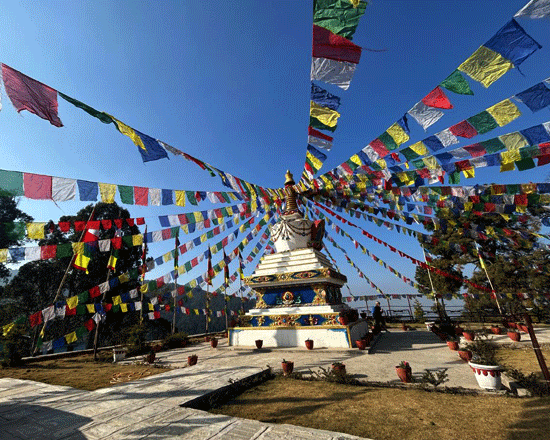
  • Buddhist monasteries and prayer flags
  • Traditional stone houses with slate roofs
  • Local festivals with music and dance
  • Agricultural lifestyle (millet, maize, barley farming)
  • Strong community-based living system

Hospitality is warm and simple, reflecting authentic rural Nepal.

Tamang Heritage in the Region

The Tamang community is one of the most important cultural groups in this trekking region.

Key Features of Tamang Heritage:

  • Deep connection to Tibetan Buddhism
  • Traditional shamanic practices blended with Buddhism
  • Rich oral history and folklore
  • Unique language and dress
  • Horse trading and farming traditions in the past

The nearby Tamang Heritage Trail is another cultural trekking route that shares strong connections with the Ruby Valley region.

Tamang villages along the Paldor route preserve centuries-old traditions, making the trek culturally enriching.

Ruby Valley – The Hidden Himalayan Corridor

The trek passes through the heart of Ruby Valley, one of Nepal’s least explored trekking regions.

Ruby Valley lies between Langtang and Manaslu and is known for:

  • Multi-ethnic rural communities
  • Untouched natural environment
  • Hidden trekking routes
  • Strong cultural preservation
  • Low tourist traffic

Ruby Valley is often called a “living museum of Himalayan culture” because traditions remain unchanged by modern tourism.

Why Choose Paldor Peak Base Camp Trek?

  • Remote and peaceful trekking route
  • Close views of major Himalayan peaks
  • Authentic Tamang cultural experience
  • Camping in high alpine wilderness
  • Less crowded compared to Everest/Annapurna
  • Perfect blend of nature, culture, and adventure

Final Summary

The Paldor Peak Base Camp Trek is one of Nepal’s most underrated trekking experiences. It combines the raw wilderness of the Ganesh Himal region, the cultural richness of Tamang heritage villages, and the untouched beauty of the Ruby Valley trekking zone.

From lush forests to icy glaciers, from village life to high mountain silence, this trek offers a complete Himalayan experience without crowds or commercialization. It is ideal for trekkers who want to go beyond popular trails and experience Nepal in its most natural and authentic form.


Detail Itinerary

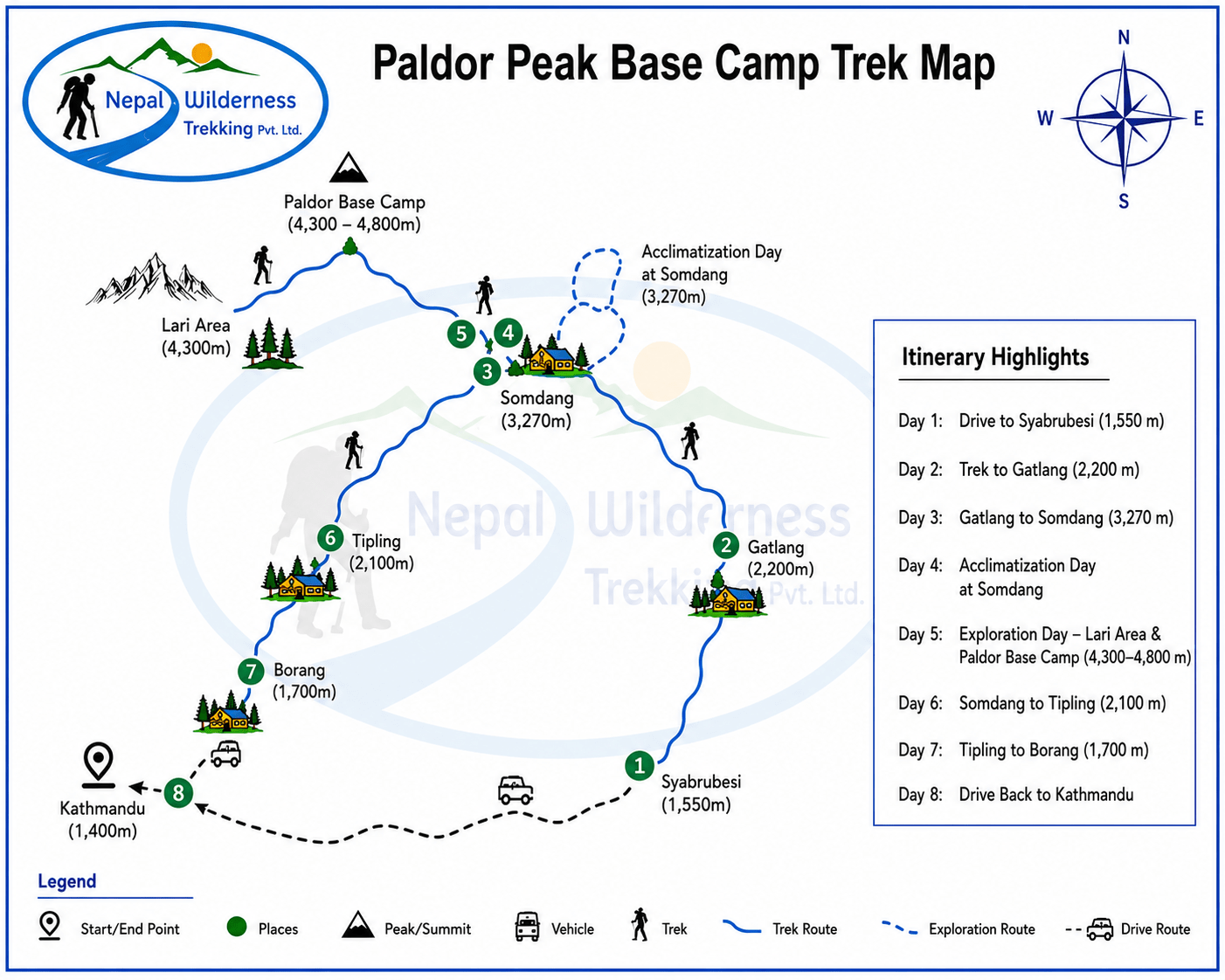
  • Day 1: Drive from Kathmandu to Syabrubesi (1,550 m). The journey begins with a scenic drive from Kathmandu heading north toward the Langtang region. The road follows the beautiful Trishuli River, passing through winding mountain roads, terraced farmland, and traditional hillside villages. Along the way, you’ll witness rural Nepalese life and changing landscapes from urban to countryside. After approximately 6–8 hours of driving, you reach Syabrubesi, a small riverside town that serves as a gateway to the Ganesh Himal and Langtang trekking regions. Overnight stay in a local lodge.
  • Day 2: Trek to Gatlang (2,200 m). Today marks the first trekking day. The trail climbs steadily uphill from Syabrubesi through forested paths and terraced fields. The route offers beautiful views of Ganesh Himal and the surrounding hills. After 5–6 hours of trekking, you arrive at Gatlang, a traditional Tamang village known for its stone houses, narrow alleys, and rich cultural heritage. You can explore the village, visit local monasteries, and experience authentic Tamang hospitality. Overnight in a homestay or teahouse.
  • Day 3: Gatlang to Somdang (3,270 m). The trail continues deeper into the remote Ganesh Himal region. You trek through dense rhododendron and pine forests, cross small streams, and gradually gain altitude. After 6–7 hours of trekking, you reach Somdang, a quiet settlement surrounded by hills and forest. This area is also historically associated with small-scale mineral extraction, locally known as the Lari mining area. The peaceful surroundings and cooler climate make it a perfect place to rest. Overnight in a basic lodge or camp.
  • Day 4: Acclimatization Day at Somdang. This day is set aside for acclimatization to help your body adjust to the increasing altitude. You can take short hikes around the area, explore nearby ridges, or simply relax. Somdang offers beautiful views of the surrounding hills and forests, and you may also interact with local people to learn more about their lifestyle. Proper acclimatization here helps prepare you for the higher altitude exploration on the following day.
  • Day 5: Exploration Day – Lari Area & Paldor Base Camp (4,300–4,800 m), Return to Somdang.This is the highlight day of the trek. You start early and hike toward the Lari area and further up to the Paldor Peak Base Camp region. The trail climbs above the tree line into alpine terrain with rocky landscapes and glacier views. As you approach the base camp, you are rewarded with stunning views of Paldor Peak (5,896 m) and the surrounding mountains. After spending time exploring and enjoying the scenery, you descend back to Somdang for the night. This long but rewarding day gives you a true experience of the Paldor Peak Base Camp Trek.
  • Day 6: Somdang to Tipling (2,100 m) Today, you descend through forests and hillside trails toward Tipling village. The route passes through peaceful landscapes with occasional mountain views and rural settlements. After 5–6 hours, you reach Tipling, a culturally rich village in the Ruby Valley. This area is known for its diverse ethnic communities and traditional way of life. Overnight stay in a local lodge or homestay.
  • Day 7: Tipling to Borang (1,700 m) The trail continues through beautiful countryside with terraced fields, rivers, and scattered villages. The walk is relatively moderate and enjoyable, offering more cultural interaction along the way. You reach Borang village after 5–6 hours of trekking. This is another peaceful settlement where you can experience local hospitality and reflect on your journey through the Ganesh Himal region. Overnight stay in a lodge.
  • Day 8: Drive Back to Kathmandu After breakfast, you begin the return journey to Kathmandu by local jeep or private vehicle. The drive takes around 7–8 hours, following rural roads and river valleys. Upon arrival in Kathmandu, your Paldor Peak Base Camp Trek concludes with unforgettable memories of remote landscapes, mountain views, and authentic Himalayan culture.

Cost Included

  • Transfers between your hotel and the bus park.
  • Kathmandu ↔ Syabrubesi ↔ by bus and Pokhar to Kathmandu by public bus.
  • Clean lodge accommodations throughout the trek.
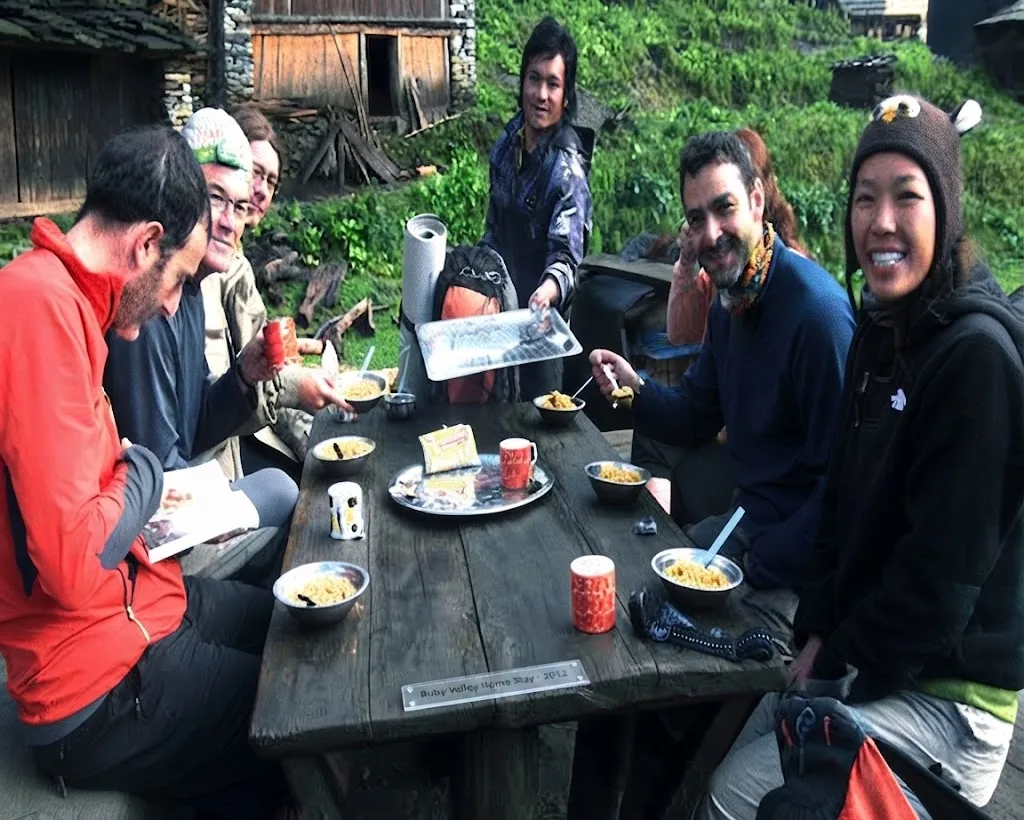
  • Meals: Italian, Chinese, Nepali, Indian, and various European dishes served three times a day – breakfast, lunch, and dinner. One main course is provided per meal during the trek.
  • Langtang National Park entrance permit and TIMS card.
  • Experienced, government-licensed, English-speaking trekking guide familiar with the area.
  • One porter for every two to three participants. (Additional cost applies for solo trekkers requiring a porter.)
  • Guide and porter meals, lodge accommodation, bus/jeep transportation, salaries, insurance, and trekking equipment.
  • Trekking equipment as needed, including hiking poles and micro spikes.
  • Kitbag for storing your personal belongings.
  • Sleeping bag suitable for cold temperatures on the trek.
  • Necessary paperwork, all government and local taxes.
  • Certificate of appreciation from Nepal Wilderness Trekking after successful completion of the trek.

Cost Excluded

  • Hotel accommodation in Kathmandu
  • Personal trekking equipment not provided (e.g., clothing for high and cold temperatures).
  • Beverages: soft drinks, caffeinated drinks, alcohol (beer, wine, etc.), bottled/mineral water.
  • Desserts or special meals are not included in the standard menu.
  • Hot showers and laundry services.
  • Personal insurance.
  • Tips for the guide and porter.
  • Any costs or expenses not specifically mentioned under “Cost Included.”
  • Costs or delays beyond the control of the management, including but not limited to landslides, adverse weather, itinerary modifications due to safety concerns, illness, changes in government policies, strikes, etc.

Enquiry


Similar Packages

Tsegori trek
8 Days
$560
Ama Yangri trek
5 Days
$ 450
Fikuri trek
7 Days
$ 900
Sign Up for free newsletter
Follow Us