
September 10, 2026
How to get to Pikey peak from kathmandu
 By admin
How to Reach Pikey Peak from Kathmandu: Complete Travel Guide
Pikey Peak is one of the most accessible trekking destinations in the Everest region for travelers who want to experience Himalayan scenery without taking a flight to Lukla. The trek is located in the lower Solukhumbu region and can be reached by road from Kathmandu.
One of the main advantages of the Pikey Peak Trek is that you can begin the journey by driving from Kathmandu rather than depending on a domestic flight. This makes the trek an attractive option for travelers who prefer overland travel, want to avoid potential flight delays, or are looking for a more affordable way to reach the Everest region.
There are several ways to organize the route depending on your trekking itinerary. The most common approach is to drive from Kathmandu toward Dhap and begin trekking from there. Another option is to travel toward Salleri or Phaplu and connect with the trekking route from the lower Solukhumbu area.
This guide explains how to get to Pikey Peak from Kathmandu, the main road options, possible trekking starting points, transportation choices, and what to expect during the journey.
Where Is Pikey Peak?
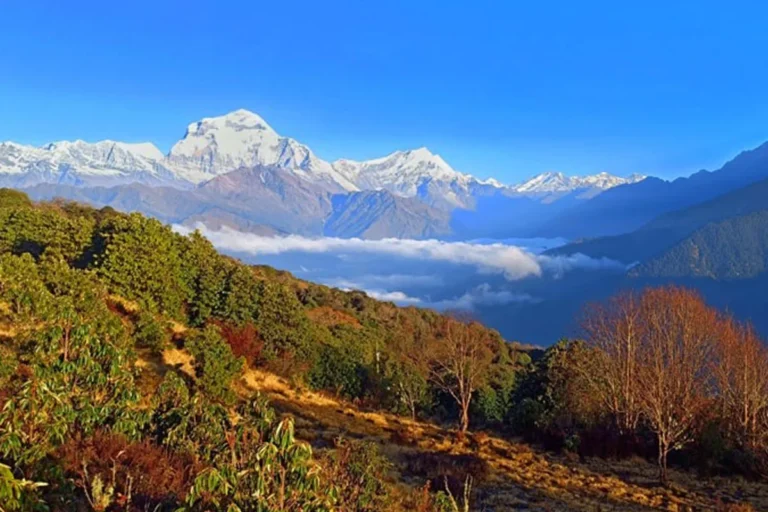
Pikey Peak is located in the Solukhumbu district of eastern Nepal, in the lower Everest region. The peak stands at approximately 4,065 meters and is known for its wide views toward Mount Everest and other Himalayan peaks. Unlike the classic Everest Base Camp route, Pikey Peak does not require trekkers to fly to Lukla. Instead, the journey can begin with a road trip from Kathmandu.
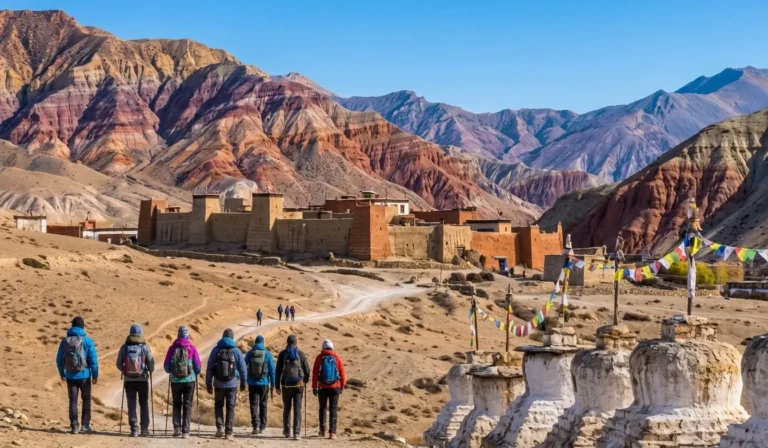
This is one of the reasons the trek is becoming increasingly popular among travelers looking for a shorter and quieter alternative to the traditional Everest Base Camp route. The area around Pikey Peak also offers an opportunity to experience Sherpa villages, Buddhist monasteries, forests, mountain ridges, and traditional rural landscapes.
Can You Reach Pikey Peak Directly from Kathmandu by Road?
No, Pikey Peak itself is a trekking destination rather than a road-accessible summit. You can travel by road from Kathmandu to a suitable trekking starting point, such as Dhap or the lower Solukhumbu area, and then continue on foot. The exact starting point depends on your chosen itinerary.
For many itineraries, Dhap is a convenient starting point because it allows trekkers to begin walking toward the Pikey Peak area after the road journey from Kathmandu. Other itineraries use Salleri or Phaplu as part of a longer route. Your trekking agency or guide can select the most suitable starting point according to the number of days available, road conditions, and your preferred trekking experience.
Kathmandu to Dhap for the Pikey Peak Trek
One of the most practical ways to start the Pikey Peak Trek is to travel from Kathmandu to Dhap by road. The journey takes you east from Kathmandu through the hill country of central Nepal before continuing toward the Solukhumbu region. The drive itself is an interesting part of the adventure. You leave the Kathmandu Valley and gradually enter a landscape of green hills, agricultural settlements, rivers, forests, and mountain villages. As you gain elevation, the scenery becomes increasingly mountainous.
Road conditions can vary depending on weather, construction, traffic, and local conditions. For this reason, travel time should be treated as an estimate rather than a fixed schedule. A private 4WD jeep is generally the most comfortable option for trekkers who want a more flexible journey.
Why Start the Pikey Peak Trek from Dhap?
Dhap is a popular starting point because it provides a practical connection between road transportation and the trekking trail. Starting from Dhap allows you to spend more of your trip walking through the mountain landscape rather than spending additional trekking days on lower sections of the route. This is particularly useful for travelers with limited time.
The route from Dhap toward Pikey Peak passes through mountain landscapes and rural settlements before reaching the higher areas around Pikey. Depending on the itinerary, you can combine Dhap with destinations such as Jhapre, Pikey Base Camp, Junbesi, and other villages in the region. The exact route can be adjusted according to the number of trekking days available.
Kathmandu to Salleri for Pikey Peak
Another option is to travel from Kathmandu toward Salleri, an important town and transportation hub in the Solukhumbu region. Salleri has long been used as an alternative gateway to the Everest region for travelers who do not want to fly to Lukla. From Salleri, the journey can continue toward the Pikey Peak trekking area. A Salleri-based itinerary may be useful if you want to experience more of the lower Solukhumbu region or combine Pikey Peak with additional villages and cultural sites.
However, if you have only a limited number of days, starting closer to Pikey Peak can make the itinerary more efficient. The best starting point therefore depends on whether your priority is a shorter trek or a longer overland and trekking experience.
Kathmandu to Phaplu and Pikey Peak
Phaplu is another important location in the lower Solukhumbu region. It has historically served as a gateway for travelers entering the Everest region by road or air. A Pikey Peak itinerary can be organized using Phaplu as the beginning or ending point, depending on the route.
For example, trekkers may travel overland from Kathmandu toward the Solukhumbu region, trek through villages around Pikey Peak, and eventually finish near Phaplu. This can provide a different experience from a simple out-and-back itinerary. The route can also be useful for travelers who want to combine Pikey Peak with other areas of Solukhumbu.
Private Jeep or Public Transportation?
There are different transportation options for reaching the Pikey Peak trekking area.
Private Jeep
For a private trekking group, a 4WD jeep is generally the most convenient option. A private vehicle provides greater flexibility with departure time, stops, luggage, and the choice of starting point. It can also be more comfortable than public transportation, particularly when traveling on mountain roads. For families, small groups, or travelers who value convenience, private transportation is usually the preferred option.
Public Bus or Shared Jeep
Public transportation can be a more economical alternative. Local buses and shared jeeps operate toward different parts of the Solukhumbu region. However, public transportation normally takes longer and offers less flexibility. Schedules can also change, particularly because road conditions and local transportation arrangements can vary. If your main priority is keeping transportation costs low, public transportation can be considered. If your priority is comfort and saving time, private transportation is generally more practical.
How Long Does It Take to Drive from Kathmandu to Pikey Peak?
There is no single fixed driving time because Pikey Peak is not directly connected to Kathmandu by a single road. The total journey depends on the selected trekking starting point. The road journey to Dhap, Salleri, or Phaplu can take most of a day, depending on road conditions and traffic.
Mountain roads can be affected by:
- Road construction
- Rain
- Landslides
- Traffic
- Road maintenance
- Local conditions
For this reason, you should avoid planning important international flights immediately after a long overland journey. A good trekking itinerary allows some flexibility.
What Is the Road Like?
The road from Kathmandu toward the lower Solukhumbu region includes a mixture of paved and unpaved sections. Some sections are smooth and relatively easy, while others can be rough, particularly on mountain roads. The road condition can change over time as roads are upgraded, damaged, or maintained. During dry conditions, travel is generally more comfortable. During periods of heavy rainfall, some sections may become muddy or difficult. This is another reason why experienced local drivers and trekking agencies are valuable when arranging transportation. They can select the most practical route based on current local conditions.
Is the Drive to Pikey Peak Difficult?
The road journey can be tiring, especially for travelers who are not accustomed to long mountain drives. However, the drive is not a trekking challenge. The main issue is the length of the journey and the condition of some mountain roads. Taking regular breaks can make the journey more comfortable. If you are traveling by private jeep, your driver can normally stop at suitable places along the way for meals, refreshments, and short breaks. The scenery also makes the journey interesting. You gradually move from the busy Kathmandu Valley into rural Nepal, passing through hills, villages, farms, rivers, and mountain landscapes.
What Is the Best Starting Point for the Pikey Peak Trek?
There is no single starting point that is best for everyone. It depends on your available time and preferred route.
Dhap
Dhap is a good choice for travelers looking for a relatively efficient Pikey Peak itinerary. It allows you to start trekking in the mountain area after the road journey from Kathmandu.
Salleri
Salleri is suitable for travelers who want to include more of the lower Solukhumbu region. It can also be useful when combining Pikey Peak with other destinations.
Phaplu
Phaplu can be used as a starting or ending point depending on the itinerary. It is an established transportation center in the area. A local trekking agency can recommend the most suitable option according to your schedule.
A Typical Road and Trekking Plan
One common approach is to travel from Kathmandu to Dhap and begin trekking from there. The following is an example of how the journey can be organized:
Day 1: Kathmandu to Dhap
Travel by road from Kathmandu toward Dhap. The journey takes you through the hills of central and eastern Nepal before reaching the Solukhumbu area. Depending on road conditions and the exact starting point, the drive can take most of the day. Overnight at Dhap.
Day 2: Trek Toward the Pikey Peak Area
Begin walking through the mountain landscape. The trail passes through forests, ridges, villages, and open mountain terrain. The exact overnight location depends on your itinerary.
Day 3: Pikey Peak and Sunrise
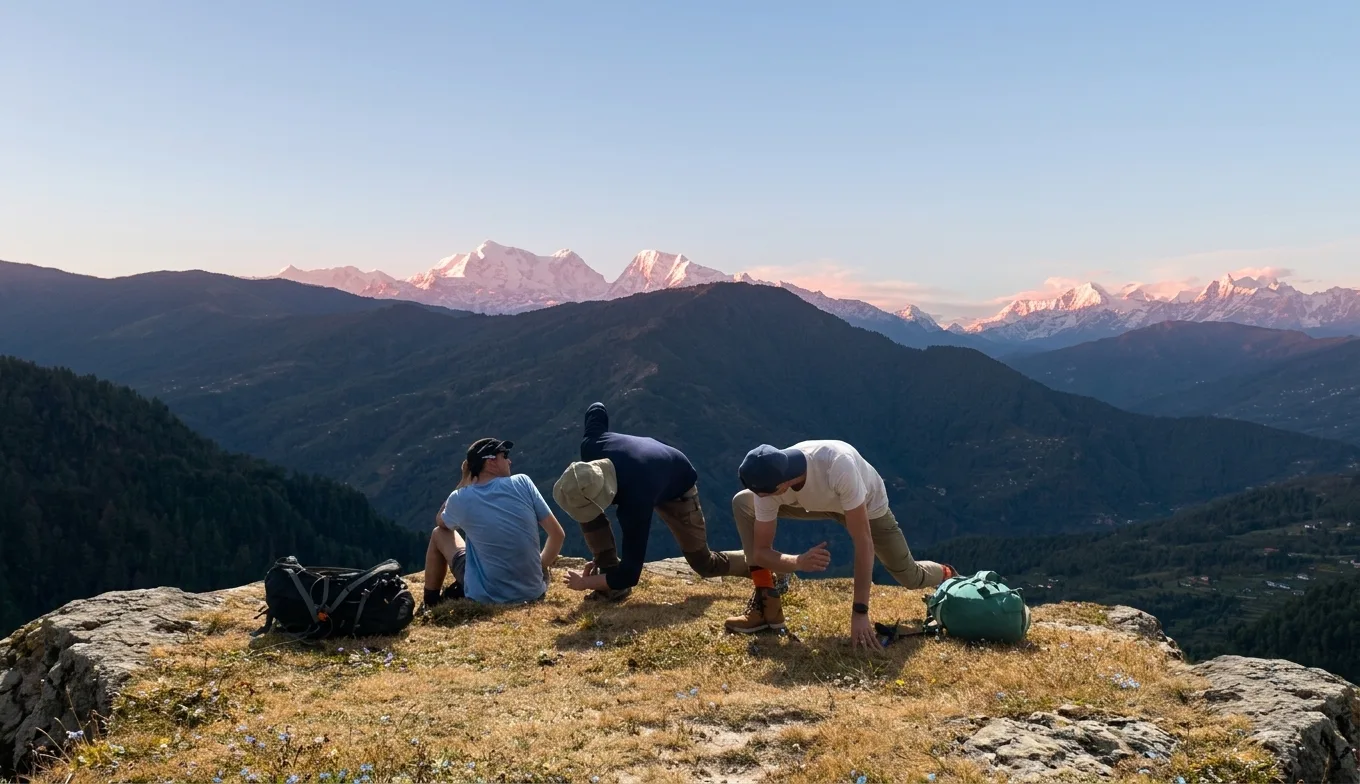
Depending on the route, you can reach the Pikey Peak area and prepare for an early morning ascent. Many trekkers aim to reach the viewpoint before sunrise. From the summit area, clear weather can provide broad views of the Himalayan range. After enjoying the mountain scenery, continue toward the next village according to your itinerary.
Following Days
The trek can continue toward destinations such as Junbesi or other villages before returning toward the roadhead. The exact itinerary can be shortened or extended depending on your available time.
Can You Do Pikey Peak Without Flying?
Yes. This is one of the biggest advantages of the Pikey Peak Trek. You can reach the trekking area entirely by road from Kathmandu and complete the trek without taking a domestic flight. This makes Pikey Peak particularly attractive to travelers who:
- Prefer road travel
- Want to avoid domestic flight delays
- Have concerns about flying on small mountain aircraft
- Want a lower-cost alternative
- Prefer a slower journey through rural Nepal
For many travelers, avoiding the Lukla flight is a major reason for choosing Pikey Peak instead of Everest Base Camp.
Pikey Peak vs Lukla: Why the Transportation Is Different
The classic Everest Base Camp Trek normally begins with access to the Khumbu through Lukla. Pikey Peak is different. The lower Solukhumbu region has road access, allowing trekkers to begin their adventure by vehicle. This means you can avoid depending on the Lukla flight schedule. It also gives you a chance to see more of rural Nepal before reaching the trekking trail. For travelers who want a quieter route into the Everest region, this is one of the most attractive features of Pikey Peak.
Should You Take a Private Jeep?
A private jeep is particularly useful if you are traveling with a small group.
The advantages include:
- Flexible departure time
- Direct transportation
- More comfortable seating
- Easier luggage management
- Ability to stop along the route
- More flexibility with the trekking starting point
It can also make it easier to adjust the itinerary if road conditions change. For solo trekkers, a shared vehicle may be more economical, while private transportation becomes increasingly practical for small groups.
What Should You Bring for the Road Journey?
You do not need special equipment for the drive, but a few items can make the journey more comfortable.
Consider carrying:
- Small daypack
- Water bottle
- Snacks
- Sunglasses
- Light jacket
- Phone and power bank
- Personal medication
- Motion-sickness medication if needed
- Toilet paper and hand sanitizer
- Cash for local expenses
Keep important documents and valuable items with you rather than in larger luggage. Your main trekking equipment can be organized separately for the walking portion of the journey.
Can the Route Change?
Yes. Mountain transportation in Nepal is affected by road conditions, weather, construction, traffic, and local circumstances. For this reason, your actual driving route or starting point may sometimes need to change. A good trekking itinerary should have some flexibility. Local guides and drivers generally have better knowledge of current road conditions and can recommend practical alternatives. This is especially important during periods of heavy rain or road construction.
Why Use a Local Trekking Agency for Pikey Peak Transportation?
Arranging transportation to remote trekking areas independently is possible, but local support can make the journey easier.
A local trekking agency can coordinate:
- Private jeep transportation
- Shared transportation
- Guide and porter arrangements
- Accommodation
- Trekking itinerary
- Road and trail logistics
- Changes to the itinerary when necessary
The biggest advantage is having someone locally available if transportation conditions change. Pikey Peak is a quieter trekking destination than Everest Base Camp, so local knowledge can be particularly useful when planning the route.
What About Returning to Kathmandu?
Your return route depends on your trekking itinerary. Some Pikey Peak itineraries finish in or near Phaplu or another road-accessible settlement. From there, you can return toward Kathmandu by road. Other itineraries may be designed around different transportation arrangements. The best option depends on your trekking route and available time. If you have an international flight from Kathmandu, it is sensible to allow sufficient buffer time rather than scheduling the return journey too tightly. Mountain road travel can take longer than expected.
Is Pikey Peak a Good Alternative to Everest Base Camp?
For travelers who want to experience the Everest region without flying to Lukla, Pikey Peak is an excellent alternative. The trek offers Himalayan scenery, Sherpa culture, Buddhist monasteries, peaceful trails, and the opportunity to enjoy panoramic mountain views. It also requires less time than the classic Everest Base Camp journey. The road access is another major advantage. However, Pikey Peak and Everest Base Camp offer different experiences. If your goal is specifically to reach Everest Base Camp, then EBC remains the appropriate trek. If your priority is a shorter and quieter Himalayan journey with excellent mountain scenery, Pikey Peak is worth considering.
Final Thoughts
Getting to Pikey Peak from Kathmandu is relatively straightforward compared with many high-altitude trekking destinations in Nepal. The main advantage is that you can reach the trekking area by road rather than relying on a Lukla flight. Dhap is a practical starting point for many short Pikey Peak itineraries, while Salleri and Phaplu can be useful for longer or alternative routes. The choice between private jeep and public transportation depends mainly on your budget, group size, comfort preferences, and available time. Because road conditions can change, it is always better to confirm the current route before starting the journey.
Once you leave the road and begin walking, the experience changes completely. The busy roads disappear, and the trail leads through forests, Sherpa villages, mountain ridges, monasteries, and peaceful Himalayan landscapes. For travelers looking for an accessible and quieter trekking experience in the Everest region, Pikey Peak offers an excellent combination of overland adventure and Himalayan trekking. If you are planning your journey, see our Pikey Peak Trek page for the complete trekking itinerary and arrangements.
Frequently Asked Questions
Do I need to fly to Lukla for the Pikey Peak Trek?
No. One of the main advantages of the Pikey Peak Trek is that you can reach the trekking area by road from Kathmandu. Many itineraries use Dhap as the starting point.
How do I get from Kathmandu to Pikey Peak?
You first travel by road from Kathmandu to a suitable trekking starting point, such as Dhap, Salleri, or Phaplu, depending on your itinerary. From there, you continue on foot toward Pikey Peak.
Can I take a private jeep from Kathmandu to Dhap?
Yes. A private jeep can be arranged for groups or travelers who prefer a more comfortable and flexible journey.
Can I travel by public bus?
Yes. Public buses and shared vehicles can be used toward the Solukhumbu region, although they generally take longer and offer less flexibility than private transportation.
Is Dhap a good starting point for Pikey Peak?
Yes. Dhap is a practical starting point for shorter Pikey Peak itineraries because it provides road access relatively close to the trekking route.
Can I start the trek from Salleri?
Yes. Salleri can be incorporated into a Pikey Peak itinerary, particularly if you want to spend more time exploring the lower Solukhumbu region.
Can I return to Kathmandu by road after the trek?
Yes. Depending on your itinerary, you can finish near a road-accessible settlement and travel back toward Kathmandu by road.
Is the road from Kathmandu to Pikey Peak paved?
The journey includes a mixture of road conditions, including paved and rough mountain-road sections. Conditions can change because of road construction, weather, and maintenance.
How long does it take to reach Pikey Peak from Kathmandu?
The road journey to the trekking starting point can take most of a day, depending on whether you travel to Dhap, Salleri, Phaplu, or another starting point. The actual trekking days are additional.
Is Pikey Peak suitable if I don’t want to fly?
Yes. Pikey Peak is one of the good choices in the Everest region for travelers who prefer an overland journey rather than a flight to Lukla.
What is the easiest way to organize transportation?
For most private groups, arranging a private 4WD jeep through a local trekking agency is the most convenient option. The agency can coordinate the vehicle with the trekking itinerary and guide.