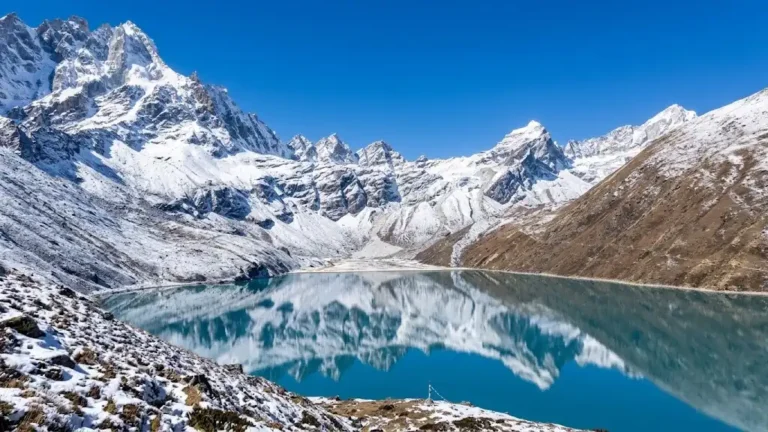

September 30, 2026
Trekking in Nepal in October
 By admin
Trekking in Nepal in October: Weather, Best Treks, Costs & Tips
Trekking in Nepal in October offers an excellent combination of clear mountain views, generally dry trails, pleasant daytime temperatures, and a wide choice of Himalayan routes. It is one of the most popular times of year to explore Nepal on foot and a particularly good season for both first-time trekkers and experienced hikers.
October follows the main monsoon season. The rains have usually subsided, the hills remain green and fresh, and the weather becomes more settled across many trekking regions. From the lush foothills of the Annapurna and Langtang regions to the high passes of Everest and Manaslu, October provides opportunities for everything from short scenic hikes to challenging high-altitude adventures.
The month is suitable for a wide range of trekking styles. You can choose a shorter route such as Mardi Himal or Ghorepani Poon Hill, a classic journey such as the Annapurna Circuit or Everest Base Camp Trek, or a more demanding high-altitude adventure such as the Manaslu Circuit or Everest Three Passes Trek.
At Nepal Wilderness Trekking, we organize private and small-group trekking adventures throughout Nepal. Our experienced local guides can help you choose a route based on your available time, walking experience, fitness level, altitude experience, and the type of Himalayan scenery and cultural experience you are looking for.
Whether you are planning your first trek in Nepal or returning for a challenging high-altitude adventure, October offers a wide range of possibilities. In this guide, we cover October weather, the best treks, early-to-late October conditions, trekking costs, what to pack, and practical tips to help you plan your journey.
What to Expect When Trekking in Nepal in October
As October is part of Nepal’s peak trekking season, popular trails can be busy. Teahouses may fill quickly, and flights to mountain destinations such as Lukla can be in high demand. Booking your trek, accommodation, permits, and transportation in advance is therefore a good idea, particularly if you have fixed travel dates.
Weather conditions can also vary during the month. Early October may still see occasional rain in some areas, while mid- and late October generally bring more settled autumn conditions. At higher elevations, temperatures are considerably colder, and mountain weather can change quickly.
For this reason, trekkers should prepare for changing conditions even during the normally favorable October season. Appropriate clothing, good footwear, sun protection, and enough time for acclimatization are important, particularly on high-altitude routes.
Is October a Good Month for Trekking in Nepal?
Yes, October is one of the most favorable months for trekking in Nepal. It falls in the heart of the autumn trekking season, when the summer monsoon has usually withdrawn and the weather becomes drier, clearer, and more comfortable for walking. The Nepal Tourism Board lists September to November among the best periods for trekking, with the clearest skies generally found after the monsoon in October and November.
One of the biggest advantages of trekking in October is mountain visibility. The monsoon rain helps clear dust and haze from the atmosphere, often creating sharp views of the Himalayan peaks. This makes October particularly attractive for routes such as the Everest Base Camp, Annapurna Circuit, Annapurna Base Camp, Manaslu Circuit, Langtang Valley, Mardi Himal, and Poon Hill treks.
The trails are also generally drier than during the monsoon season, making long walking days more comfortable. At lower and middle elevations, the days are usually pleasant for trekking, while temperatures become progressively colder as you gain altitude. Nepal’s temperature drops by roughly 6°C for every 1,000 metres of elevation gain, so warm clothing is essential for high-altitude routes.
October also gives trekkers an opportunity to experience Nepal’s village life and major festivals. Depending on the lunar calendar, Dashain and Tihar may fall during the October trekking season. These festivals bring families together and create a lively cultural atmosphere in towns and mountain villages.
Things to Consider When Trekking in Nepal in October
However, October is not perfect everywhere or every day. Early October can still bring occasional rain, particularly if the monsoon withdrawal is delayed. Weather can also change quickly in the mountains, and high passes may become cold or snowy after an unexpected weather system. Mountain flights can also be delayed or cancelled when visibility and weather conditions are poor.
Another important factor is that October is peak trekking season. Popular routes such as Everest Base Camp and the Annapurna Circuit can be busy, and teahouses may fill up during the busiest periods. Flights and transportation to trekking starting points can also be in high demand. Booking your trek and essential transportation in advance is therefore recommended if you are travelling on fixed dates.
For high-altitude treks, good preparation remains important even in October. You should bring appropriate warm clothing, good trekking shoes, sun protection, and a suitable sleeping bag where required. On longer routes, allowing enough time for gradual acclimatization is also essential.
Overall, October offers a strong combination of clear Himalayan views, generally dry trails, comfortable trekking temperatures, open mountain routes, and rich local culture. It is an excellent time to explore Nepal, provided you are prepared for peak-season crowds and changing mountain weather.
Why Trek in Nepal in October?
There are several reasons October attracts trekkers from around the world. After the monsoon, Nepal’s weather generally becomes more stable, mountain views improve, and most major trekking routes offer favorable conditions for walking.
1. Clear Himalayan Views
One of the main reasons people trek in Nepal is to experience the Himalayas up close. After the monsoon, the atmosphere is often much clearer, reducing the dust and haze that can affect mountain visibility. On clear days, you can enjoy impressive views of peaks such as Everest, Lhotse, Ama Dablam, Manaslu, Annapurna, Dhaulagiri, Machapuchare, and Langtang Lirung.
Clear mornings are particularly rewarding for photography and mountain viewing. However, visibility can never be guaranteed because mountain weather can change quickly. October simply offers many good opportunities for panoramic Himalayan views.
2. Drier and More Comfortable Trails
Compared with the summer monsoon months, trekking trails in October are generally much drier.
Lower-altitude paths that can become muddy and slippery during the rainy season usually become firmer and more comfortable for walking. This is especially helpful on longer trekking days.
On high-altitude routes, conditions are often more favorable as well, but steep rocky sections and high passes can still be challenging. Passes such as Thorong La, Larkya La, and Cho La are exposed to changing mountain weather, so proper clothing, good footwear, and an experienced guide are important.
3. Pleasant Daytime Temperatures
October generally brings comfortable daytime temperatures at lower and middle elevations. You may start walking in a cool morning, warm up as you climb, and enjoy pleasant conditions during the afternoon. The temperature becomes much colder as you gain elevation, especially after sunset.
This variation makes layering particularly useful. A warm fleece, down jacket, and waterproof outer layer are recommended for higher-altitude treks, even when the daytime weather feels mild.
4. Green Landscapes After the Monsoon
October does not mean that Nepal’s mountains are dry and brown. The summer monsoon leaves the hillsides green and fresh. Forests, terraced farmland, waterfalls, rivers, and mountain villages can look especially beautiful at the beginning of the autumn season.
One of the special features of October trekking is the contrast between lush green valleys at lower elevations and snow-covered Himalayan peaks above them.
5. Longer and More Reliable Trekking Opportunities
October is suitable for a wide range of trekking routes, from short hikes to demanding high-altitude adventures. Popular routes such as Ghorepani Poon Hill, Mardi Himal, Langtang Valley, and Annapurna Base Camp can offer comfortable autumn walking conditions, while experienced trekkers can take on longer journeys such as the Everest Base Camp, Annapurna Circuit, Manaslu Circuit, or Everest Three Passes Trek. The generally favorable conditions also make October a practical month for combining trekking with side trips, village stays, and cultural experiences.
6. Festivals and Local Culture
October often coincides with Dashain, Nepal’s largest Hindu festival. Tihar, another major festival, may also fall in October or early November depending on the lunar calendar.
During festival periods, you may see families returning to their villages, homes decorated with flowers and lights, traditional food being prepared, and communities gathering together.
If you trek during a major festival, some shops, restaurants, or transport services may operate on reduced schedules. At the same time, it can be a memorable opportunity to experience Nepal’s local culture. Festival dates change every year, so check the exact dates before planning your trek.
Nepal Weather in October
Nepal’s weather in October varies significantly with altitude and region. Kathmandu and Pokhara are generally warm and pleasant, while temperatures become progressively colder as you climb into the higher Himalayan valleys.
October usually brings more stable weather after the monsoon, with clearer skies and lower rainfall across most trekking regions. However, mountain weather can still change quickly, particularly at higher elevations and around exposed mountain passes.
As a general guide:
| Elevation | Typical October Conditions |
|---|---|
| 1,400–2,000 m | Mild days with cool mornings and evenings |
| 2,000–3,000 m | Comfortable daytime temperatures and cooler nights |
| 3,000–4,000 m | Cool days and cold mornings and nights |
| Above 4,000 m | Cold, particularly in the early morning and after sunset |
| Above 5,000 m | Very cold, with conditions strongly affected by wind, snow, and weather systems |
Trekking in Early October
Early October marks the beginning of Nepal’s main autumn trekking season. The monsoon has usually weakened significantly, but some areas can still experience occasional rain, particularly at lower elevations or if the monsoon withdrawal is delayed.
One advantage of trekking in early October is the fresh green landscape left by the monsoon. Forests, terraced fields, waterfalls, rivers, and valleys can look especially vibrant, while mountain views generally become clearer as the weather settles.
If you are planning a high-altitude trek, it is sensible to check the latest weather forecast, flight conditions, and trail information before departure. A little flexibility in your itinerary can also be helpful during this transitional period.
Trekking in Mid-October
Mid-October is usually one of the busiest periods of the autumn trekking season. Weather conditions are often favorable, mountain visibility can be excellent, and the major trekking routes become lively with trekkers from around the world.
Popular routes such as Everest Base Camp, Annapurna Base Camp, Annapurna Circuit, and Manaslu Circuit can see significant numbers of trekkers. Teahouses in popular villages may become busy, while flights and transportation to trekking areas can be in high demand.
If you have fixed travel dates, advance planning is recommended for permits, accommodation, guides, domestic flights, and transportation.
Trekking in Late October
Late October can still offer excellent trekking conditions, although temperatures begin to fall as November approaches. This is particularly noticeable at higher elevations, where mornings and evenings become colder.
For high-altitude and high-pass treks, trekkers should be prepared for cold temperatures, strong winds, and sudden changes in mountain weather. Good layering and appropriate cold-weather equipment become increasingly important.
The advantage of late October is that you can still experience the autumn trekking season while moving gradually toward the quieter part of November. Popular routes can remain busy, but some trails may feel less crowded than during the peak weeks.
October Weather at Different Altitudes
Weather in Nepal changes considerably with elevation. Kathmandu and Pokhara are generally comfortable in October, while temperatures become progressively colder as you climb into the Himalayan regions.
Kathmandu and Pokhara
At lower elevations, October is generally a pleasant time to travel around Nepal. Kathmandu usually has comfortable daytime conditions for sightseeing and preparing for a trek. Pokhara is also generally warm and pleasant, with good opportunities for mountain views when the sky is clear.
Lower and Middle-Elevation Trekking
Trekking routes between approximately 1,500 and 3,000 metres can be particularly comfortable in October. Days are usually suitable for walking, while mornings and evenings can feel cool.
Routes such as Mardi Himal, Ghorepani Poon Hill, Langtang Valley, and lower sections of the Annapurna and Manaslu regions combine autumn weather with green forests, terraced hillsides, villages, and mountain scenery.
High-Altitude Trekking
Above 3,000 metres, temperatures drop noticeably, especially at night. Trekkers should be prepared for cold mornings, freezing temperatures at higher camps, and strong sunlight during the day.
For high-altitude routes such as Everest Base Camp, Annapurna Circuit, Manaslu Circuit, and Everest Three Passes, appropriate layers, a warm sleeping bag, gloves, a warm hat, and a good down jacket are important.
High passes require additional preparation. Thorong La, Larkya La, and Cho La can experience strong winds, snow, or sudden weather changes even during the normally favorable October season.
Which Part of October Is Best for Trekking?
There is no single answer because the best time depends on your trekking route, altitude, available dates, and preference for crowds or quieter trails.
- Early October: Greener landscapes and the beginning of the autumn season, but there can still be occasional rain or unsettled weather.
- Mid-October: Generally favorable autumn conditions, excellent mountain visibility, and the busiest trekking period on many popular routes.
- Late October: Generally good trekking conditions with colder mornings and nights, particularly at higher elevations, and a gradual move toward the quieter November season.
For high-altitude and high-pass treks, current weather and trail conditions are more important than simply choosing a particular week of October. Mountain conditions can change quickly, so preparation and a flexible itinerary remain important.
Best Treks in Nepal in October
October is suitable for trekking in many parts of Nepal, from short scenic hikes in the foothills to demanding high-altitude adventures in the Himalayas. The right trek depends on your available time, fitness level, altitude experience, preferred scenery, and the type of experience you want.
For first-time trekkers, routes such as Ghorepani Poon Hill, Mardi Himal, Annapurna Base Camp, and Langtang Valley offer beautiful mountain scenery without requiring an extremely long itinerary.
Trekkers looking for a longer Himalayan adventure can consider Everest Base Camp, Annapurna Circuit, or Manaslu Circuit. More experienced hikers may choose challenging high-pass routes such as Everest Three Passes, where altitude, weather, and trail conditions require greater preparation.
October is also a suitable time to explore less-developed and more remote trekking regions, including Upper Mustang, Nar Phu Valley, Tsum Valley, and Dhaulagiri. Some of these routes require special permits and have more limited accommodation and services, so they need additional planning.
1. Everest Base Camp Trek
The Everest Base Camp Trek is one of Nepal’s most iconic Himalayan adventures. The trail takes you through the Khumbu region, passing traditional Sherpa villages such as Namche Bazaar and Tengboche before reaching Everest Base Camp at 5,364 metres.
October is a popular time to trek to Everest Base Camp, with generally favorable autumn weather and good opportunities for mountain views. Along the route, you can see Everest, Lhotse, Nuptse, Ama Dablam, Thamserku, and many other Himalayan peaks.
The trek normally takes around 12–16 days, depending on the itinerary, acclimatization schedule, and whether you include additional viewpoints or side trips.
Best for: First-time high-altitude trekkers, Everest views, mountain scenery, and Sherpa culture.
2. Everest Three Passes Trek
For experienced trekkers looking for a more demanding Himalayan adventure, the Everest Three Passes Trek crosses three major high passes: Renjo La, Cho La, and Kongma La.
The route combines the Everest Base Camp area with the Gokyo Valley and remote high-mountain trails. It offers a more challenging experience than the standard Everest Base Camp route, with long walking days, steep ascents, and high-altitude passes.
October is a popular period for this trek because post-monsoon conditions are generally more suitable for high-altitude crossings than during the monsoon season. However, the passes remain demanding, and snow, strong winds, or sudden weather changes are possible.
Best for: Experienced trekkers seeking high passes, remote trails, Gokyo Valley, and a challenging Everest adventure.
3. Annapurna Circuit Trek
The Annapurna Circuit Trek is one of Nepal’s classic long-distance Himalayan journeys. The route travels through the lower Marsyangdi Valley, passing places such as Chame, Pisang, and Manang before crossing Thorong La Pass at 5,416 metres and descending toward Muktinath and the Mustang region.
One of the highlights of trekking the Annapurna Circuit in October is the dramatic change in scenery. The route begins among green valleys, forests, and terraced hillsides before reaching the drier landscapes of the Himalayan rain-shadow region.
Along the way, trekkers can enjoy views of Annapurna, Manaslu, Dhaulagiri, Gangapurna, Tilicho Peak, and other Himalayan mountains.
Best for: Trekkers who want diverse landscapes, traditional villages, Himalayan culture, and a high mountain pass.
4. Annapurna Base Camp Trek
The Annapurna Base Camp Trek is shorter than the Annapurna Circuit but provides spectacular close-up mountain scenery. The trail passes through forests, terraced hillsides, and traditional Gurung villages before climbing into the alpine landscape surrounding Annapurna Base Camp at approximately 4,130 metres.
The sanctuary is surrounded by impressive peaks, including Annapurna I, Annapurna South, Hiunchuli, and Machapuchare (Fishtail). October’s generally favorable autumn conditions make it a popular time to experience the Annapurna region.
Best for: Trekkers looking for spectacular Himalayan scenery and a relatively short trek to a high-altitude base camp.
5. Manaslu Circuit Trek
The Manaslu Circuit Trek takes you around Mount Manaslu, the world’s eighth-highest mountain at 8,163 metres. The route begins in the lower valleys and gradually climbs through traditional villages, forests, and Tibetan-influenced communities before reaching the high mountain landscapes around Larkya La Pass at 5,106 metres.
October is a popular month for the Manaslu Circuit because the post-monsoon season generally provides favorable trekking conditions and good opportunities for mountain views.
Unlike some of Nepal’s more established trekking routes, Manaslu has a more regulated trekking system. The region is a restricted area, so trekkers need the appropriate permits and must follow the current regulations, including the applicable guide and group requirements.
Best for: Trekkers seeking a challenging Himalayan circuit, traditional mountain communities, and a less-developed trekking environment.
6. Mardi Himal Trek
The Mardi Himal Trek is an excellent shorter trekking option in the Annapurna region. The trail passes through peaceful forests, mountain villages, and alpine landscapes before reaching high viewpoints with impressive views of Machapuchare, Annapurna South, Hiunchuli, and Mardi Himal.
The trek can be completed in a relatively short period, making it suitable for travelers who want a Himalayan experience without committing to a two-week or longer circuit. October is a popular time for Mardi Himal because the autumn season generally provides comfortable trekking conditions and good mountain visibility. Best for: Trekkers with limited time, first-time trekkers, mountain views, forest trails, and a shorter Himalayan adventure.
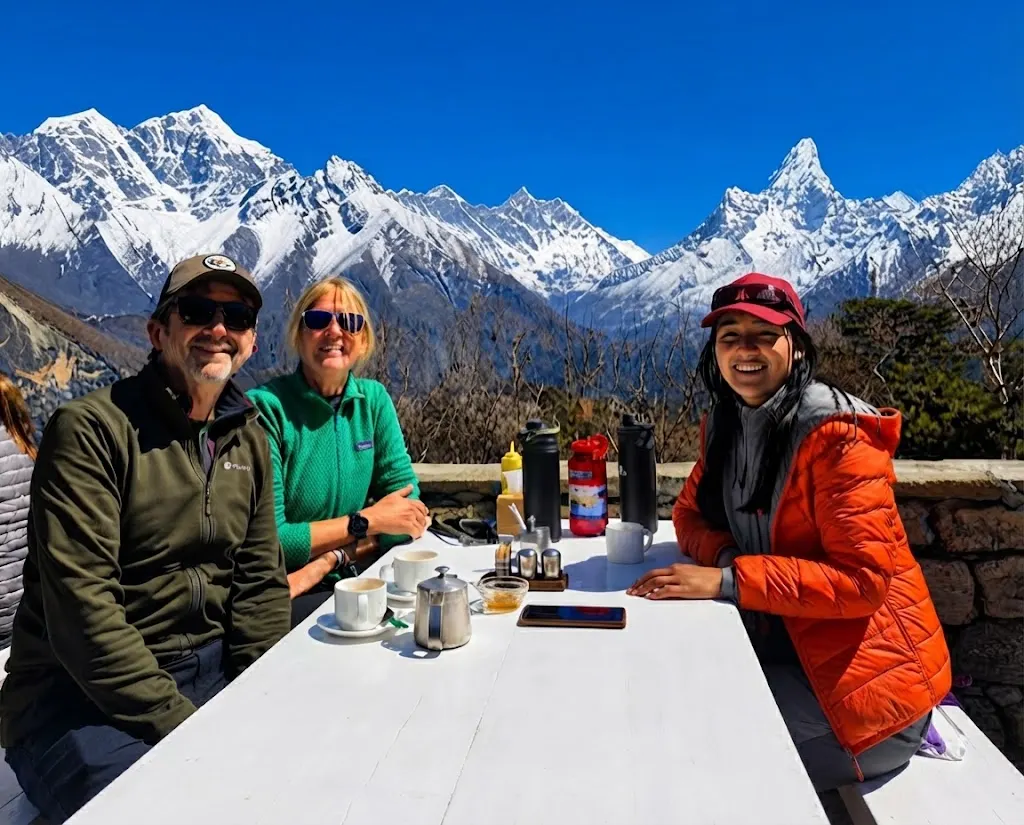
Trekking is essentially day hiking and doesn't require any special training. However, good physical condition, a love of walking, and a desire to enjoy mountain views and village life are essential.
These treks are suitable for walkers looking for something more challenging and energetic. Hill-walking experience is desirable, with longer days and higher elevations.
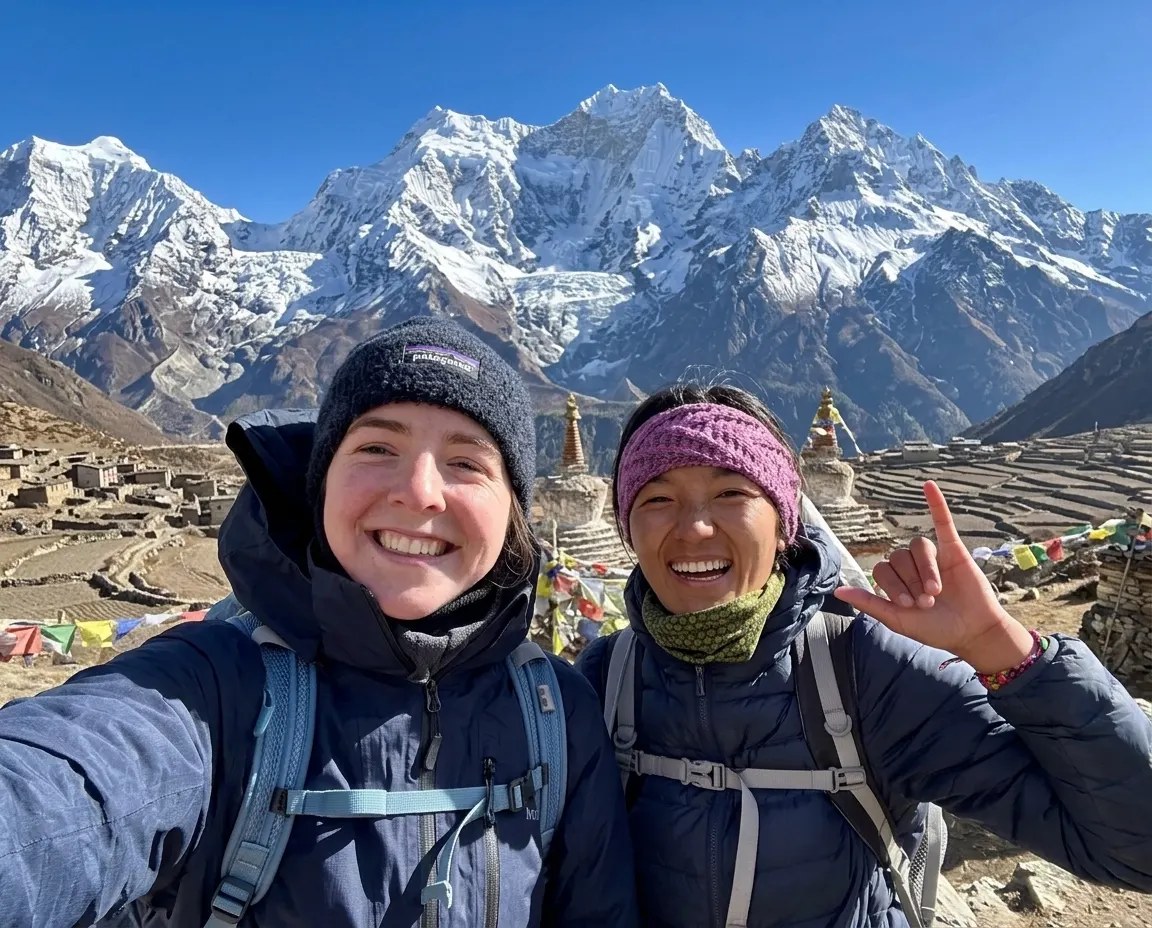
Trekking is essentially day hiking and doesn't require any special training. However, good physical condition, a love of walking, and a desire to enjoy mountain views and village life are essential.
These treks are suitable for walkers looking for something more challenging and energetic. Hill-walking experience is desirable, with longer days and higher elevations.
Since the terrain can be hard and the days long, hikers should be in good physical condition and have previous mountain walking experience. High passes and extended trekking days may be involved.