Lobuche Peak Climbing: Adventure in the Everest Region
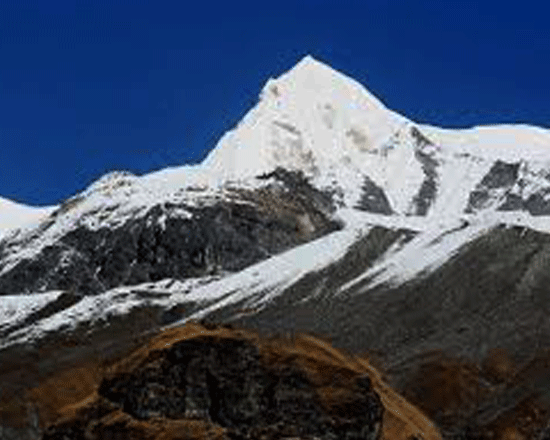
Lobuche Peak Climbing is one of the most exciting mountaineering adventures in Nepal. Standing at 6,119 meters (20,075 feet), Lobuche East offers a rewarding challenge for trekkers who want to step beyond trekking and experience real Himalayan climbing. Located in the legendary Khumbu region, this beautiful peak rises above glaciers, rocky ridges, and deep valleys close to the towering Mount Everest.
For many trekkers visiting Nepal, Lobuche Peak Climbing is the perfect way to combine trekking in the Everest region with an achievable Himalayan summit. The journey follows the famous Everest Base Camp route through Sherpa villages, alpine forests, and high mountain landscapes before reaching the climbing section. Because of this combination of trekking, culture, and mountaineering, Lobuche Peak has become one of the most popular trekking peaks in Nepal.
Introduction to Lobuche Peak Climbing
Lobuche Peak is divided into two main summits: Lobuche East and Lobuche West. Among them, Lobuche East is the recognized trekking peak and is open to climbers with a special permit from the Nepal Mountaineering Association (NMA). Although the climb is considered technical compared with other trekking peaks, it remains achievable for fit trekkers who have basic mountaineering skills.
Lobuche Peak Climbing is especially attractive because of its location in the Everest region. The climb is near several famous Himalayan peaks, including Lhotse, Nuptse, and Ama Dablam. As a result, climbers enjoy one of the most spectacular mountain panoramas in Nepal.
Many trekkers combine Lobuche Peak Climbing with the classic Everest Base Camp trek. This enables proper acclimatization and allows climbers to experience Sherpa culture and traditions.
Why Choose Lobuche Peak Climbing
There are many reasons why Lobuche Peak Climbing is considered one of the best trekking peak adventures in Nepal.
First, the mountain offers a real climbing experience. Unlike simple trekking peaks, the summit route includes glacier travel, snow slopes, and fixed rope sections. Therefore, climbers gain valuable mountaineering experience while still climbing an achievable peak.
Second, the journey passes through one of the most famous trekking regions in the world. Trekkers walk through traditional Sherpa villages, visit ancient monasteries, and enjoy incredible Himalayan landscapes.
Another reason is the breathtaking view of the summit. From the top of Lobuche Peak, climbers can see a dramatic panorama of the Everest Himalaya. Mountains such as Mount Everest, Lhotse, Pumori, and Cho Oyu dominate the skyline.
Finally, Lobuche Peak Climbing fits well into a standard Everest trekking itinerary. Most climbers spend about three weeks in the region, which allows enough time for acclimatization and safe climbing.
Route to Lobuche Peak
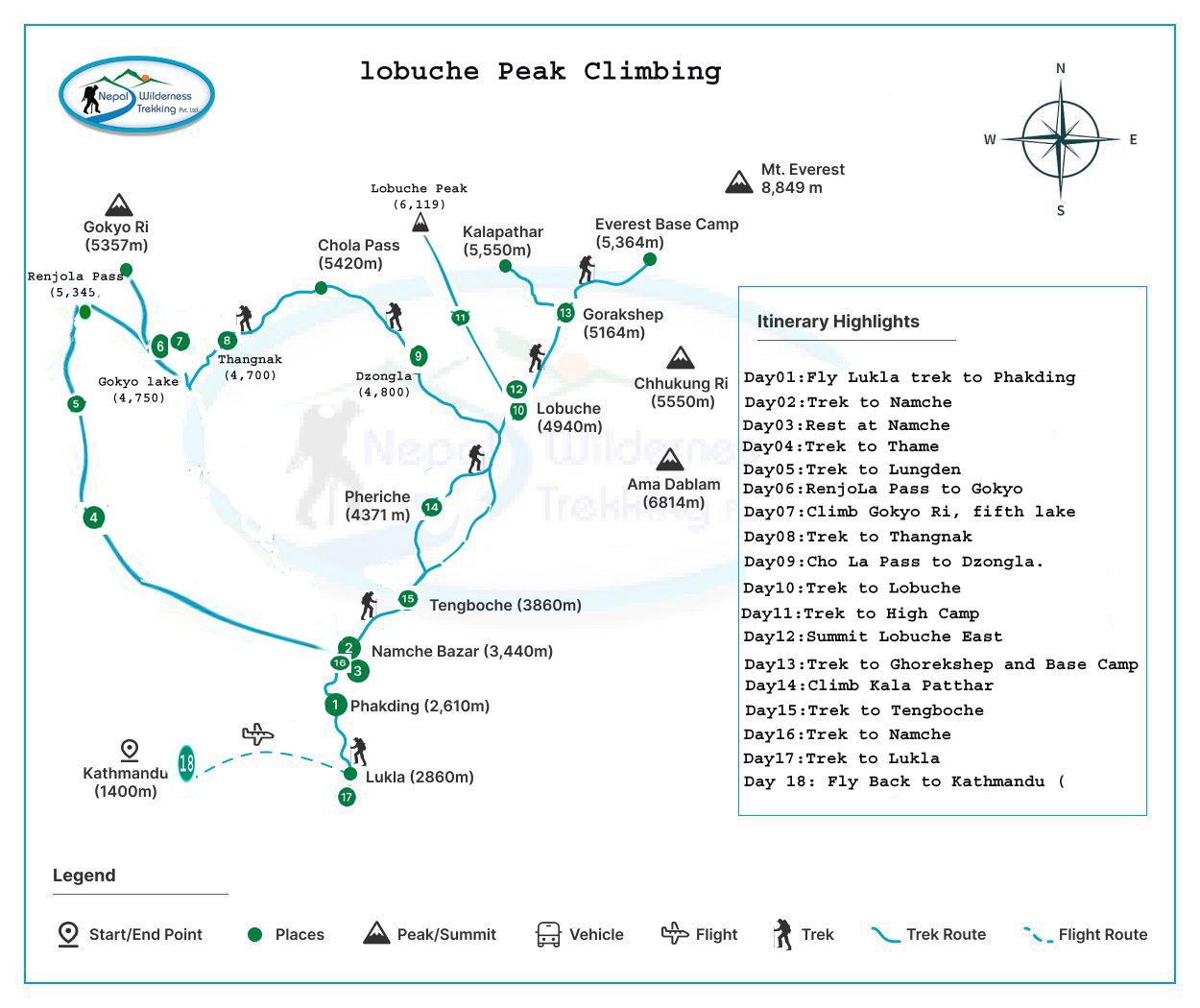
The journey usually begins with a scenic flight from Kathmandu to Lukla. This short but dramatic flight offers incredible views of the Himalayas and lands at one of the most famous mountain airports in the world.
After arriving in Lukla, the trekking route follows the classic trail through the Everest region. Trekkers walk through villages such as Namche Bazaar, the main trading center of the Khumbu area. Namche Bazaar is also an important acclimatization stop where trekkers adjust to the higher altitude.
The journey continues through beautiful villages, including Tengboche, home to the famous Tengboche Monastery. This monastery is one of the most important spiritual centers for the Sherpa community.
From Tengboche, the trail climbs gradually through alpine terrain toward Dingboche and eventually reaches Lobuche.
Near Lobuche village, climbers leave the main Everest Base Camp route and move toward Lobuche Base Camp. This marks the beginning of the climbing phase of the expedition.
Lobuche Peak Base Camp and High Camp
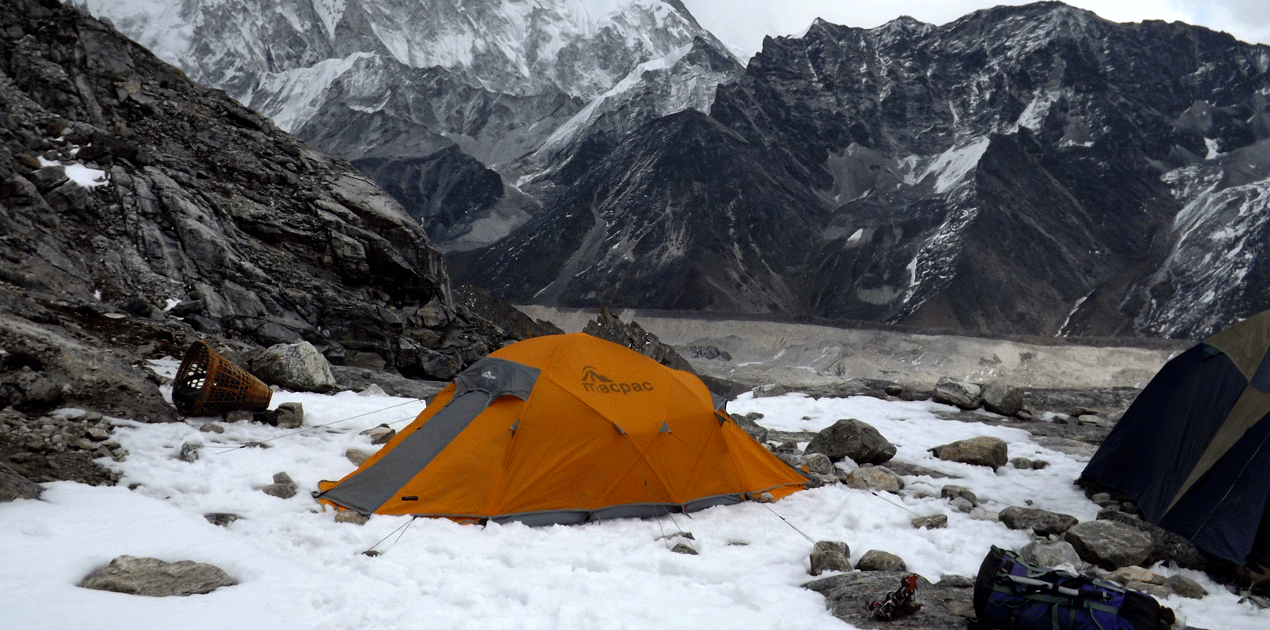
At Lobuche Base Camp, climbers rest and prepare for the summit attempt. The camp sits on a rocky terrace surrounded by towering Himalayan peaks and glaciers.
From Base Camp, climbers move to High Camp, which is located on a steep slope above the glacier. The climb to High Camp involves scrambling over rocky terrain and crossing sections of glacial ice.
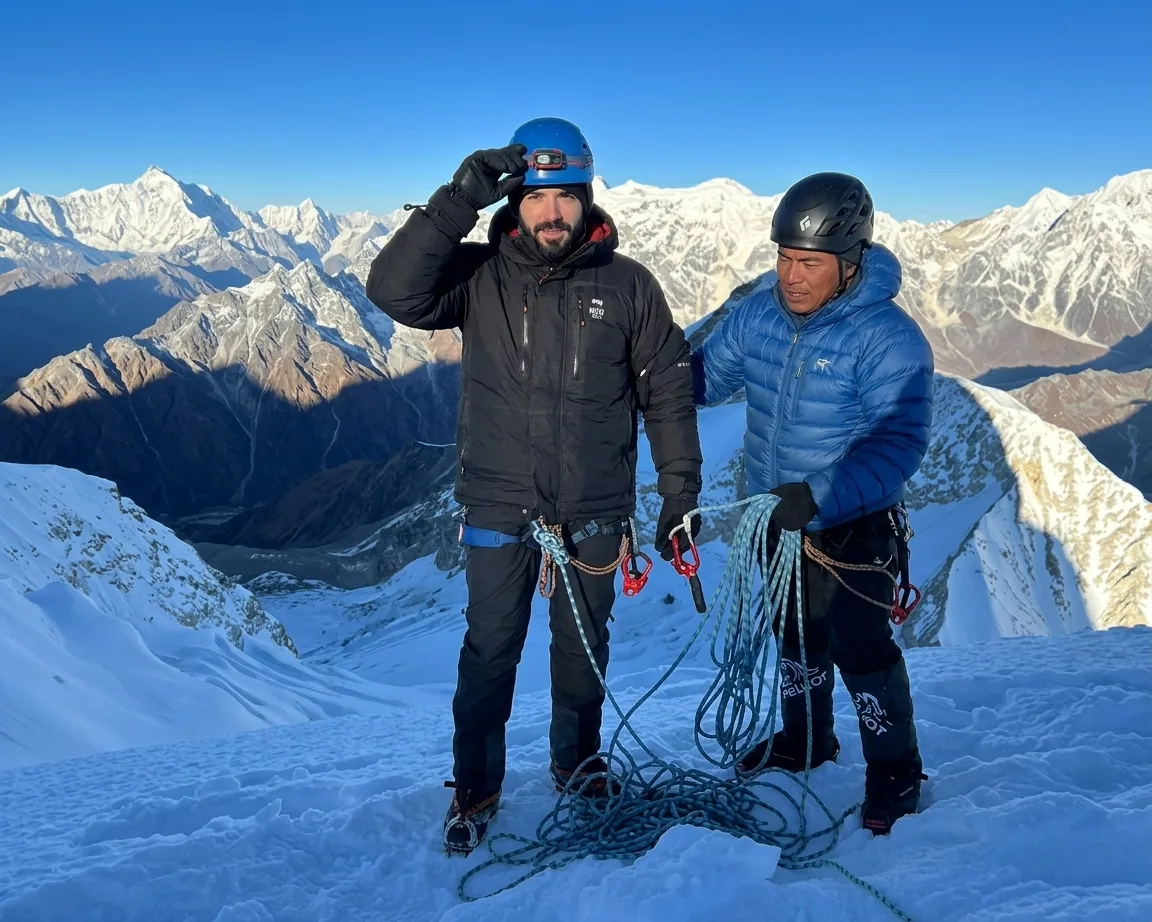
At High Camp, the climbing team prepares its equipment for the summit push. Guides provide training in the use of crampons, ice axes, and ropes. This preparation helps climbers gain confidence before attempting the summit.
Summit Day Experience
Summit day usually begins very early in the morning, often around midnight or 1 a.m. Climbers move slowly across snow slopes and glacier sections under the light of headlamps.
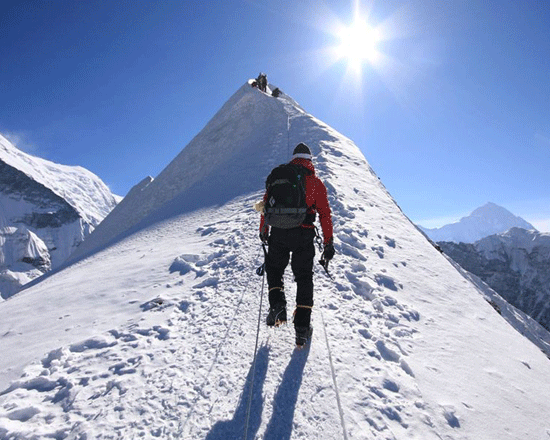
As the climb continues, the route becomes steeper. Fixed ropes help climbers safely ascend the final snow ridge leading to the summit. Although this section is physically demanding, the reward at the top makes every step worthwhile.
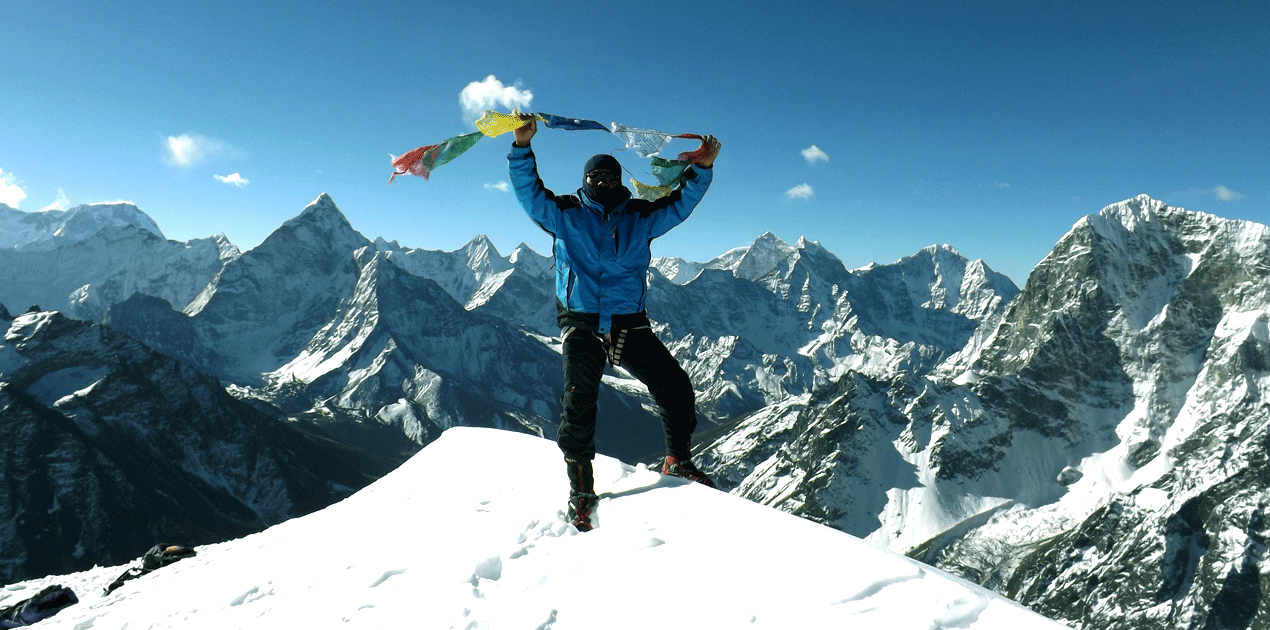
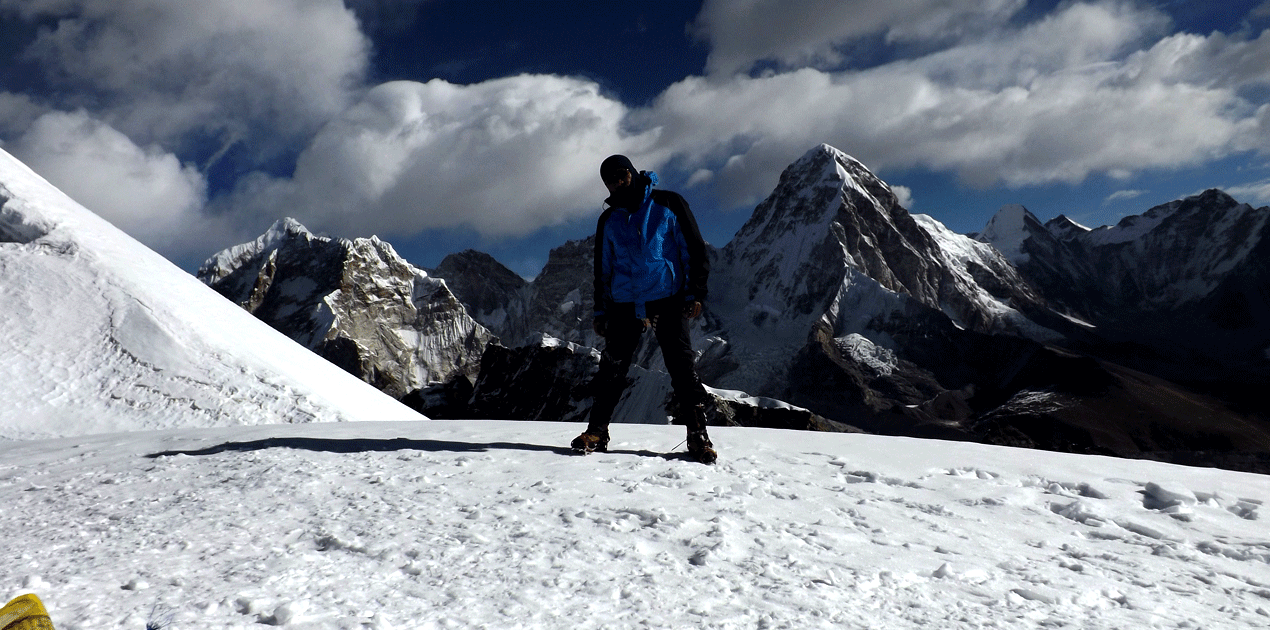
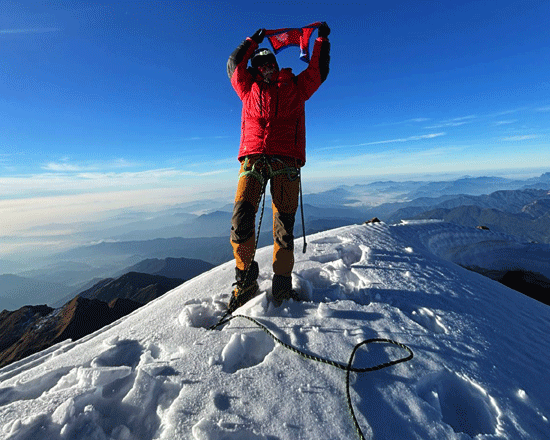
The summit of Lobuche Peak offers one of the most breathtaking views in the Himalayas. From the top, climbers enjoy a panoramic view of towering peaks, including Mount Everest, Nuptse, Lhotse, and Ama Dablam.
After celebrating the summit achievement, climbers carefully descend back to High Camp and later return to Base Camp.
Best Season for Lobuche Peak Climbing
The best seasons for Lobuche Peak Climbing are spring and autumn.
Spring, from March to May, offers stable weather, blooming rhododendron forests, and excellent mountain views. During this time, climbers also see many Everest expeditions preparing for the climbing season.
Autumn, from September to November, is another ideal period. After the summer monsoon, the skies become clear and the mountain views are spectacular.
Winter climbing is possible but much colder, while the monsoon season is generally not recommended due to heavy rain and poor visibility.
Difficulty and Required Skills
Lobuche Peak Climbing is considered a challenging trekking peak. Climbers need good physical fitness and the ability to walk for several hours each day at high altitude.
Although advanced mountaineering experience is not always required, climbers should have basic knowledge of using crampons, ice axes, and climbing ropes. Many climbers gain this experience during pre-climb training at Base Camp.
Proper acclimatization is also essential. The trekking route includes several rest days to help the body adjust to the high altitude.
Cultural Experience in the Everest Region
One highlight of Lobuche Peak Climbing is the cultural experience along the trekking route. The Khumbu region is home to the Sherpa people, known for their mountaineering skills and rich cultural traditions.
Trekkers often visit ancient monasteries, prayer walls, and colorful Buddhist stupas during the journey. The hospitality of the Sherpa community adds a special cultural dimension to the adventure.
Festivals, traditional cuisine, and mountain village life offer deeper insight into Himalayan culture.
Permits Required for Lobuche Peak
Climbers need several permits for Lobuche Peak Climbing. These include a trekking peak climbing permit issued by the Nepal Mountaineering Association.
In addition, trekkers must obtain permits for entering Sagarmatha National Park, which protects the unique environment and wildlife of the Everest region.
Local permits from the Khumbu region may also be required depending on the route.
Preparation for the Climb
Good preparation is essential for a successful climb of Lobuche Peak. Trekkers should train for endurance, strength, and cardiovascular fitness before arriving in Nepal.
Regular hiking, stair climbing, and altitude training can help improve performance during the trek. In addition, climbers should become familiar with basic mountaineering gear and techniques.
Proper equipment is also essential. This includes warm clothing, climbing boots, crampons, harnesses, and sleeping gear designed for high-altitude conditions.
Why Climb Lobuche Peak with Nepal Wilderness Trekking
Climbing Lobuche Peak with an experienced local company ensures a safe and well-organized adventure. Professional guides provide valuable knowledge about the mountain, weather conditions, and safe climbing techniques.
Local trekking companies also support the regional economy and create employment opportunities for guides, porters, and local communities.
With proper planning, experienced guides, and strong teamwork, Lobuche Peak Climbing becomes an unforgettable Himalayan adventure.