24 hours customer service +9779849693351

Lower Dolpo Trek 

Lower Dolpo Trek 

Wilderness Trekking
Lower Dolpo Trek 
Lower Dolpo Trek 
Lower Dolpo Trek 

Trip Facts

Duration : 15 Days Max-Altitude : 5238 M Program Type : tea house / camping Best Season : March to Dec Per Day Walking : 6/7 Trek Grade : Grade 3:

Since the terrain can be hard and the days long, hikers on these treks should be in good physical condition and have some previous mountain walking experience. Steep climbing may be involved, although it is never necessary to use ropes. Treks at this level can he arranged for periods of 16 to 21 days. Typically, a gradual ascent through a green river valley will lead you up to a number of high passes, where you will reach the altitude of 5416m. Often times, you will get a close insight into the Tibetan culture. Participants should expect to trek above 5416m/17872ft.

100%

600 Reviews

Start From

All price inclusive
$ 2500 $ 2300
USD per person

Group Price

No. of Persons Price per Person
1 Pax $2300
2 Paxes $2200
3-4 Paxes $2150
5-6 Paxes $2100
7-10 Paxes $2080
11-15 Paxes $2040
16+Paxes $2040

Number of Travellers

Overview

The Lower Dolpo Trek presents a captivating journey through isolated and breathtaking landscapes, setting it apart from popular trekking regions like the Annapurna and Everest regions. The Lower Dolpo Trek offers a unique opportunity to explore remote and lesser-explored areas of Nepal. As you traverse the Lower Dolpo trail, you’ll experience the serenity and tranquility of the untouched surroundings.

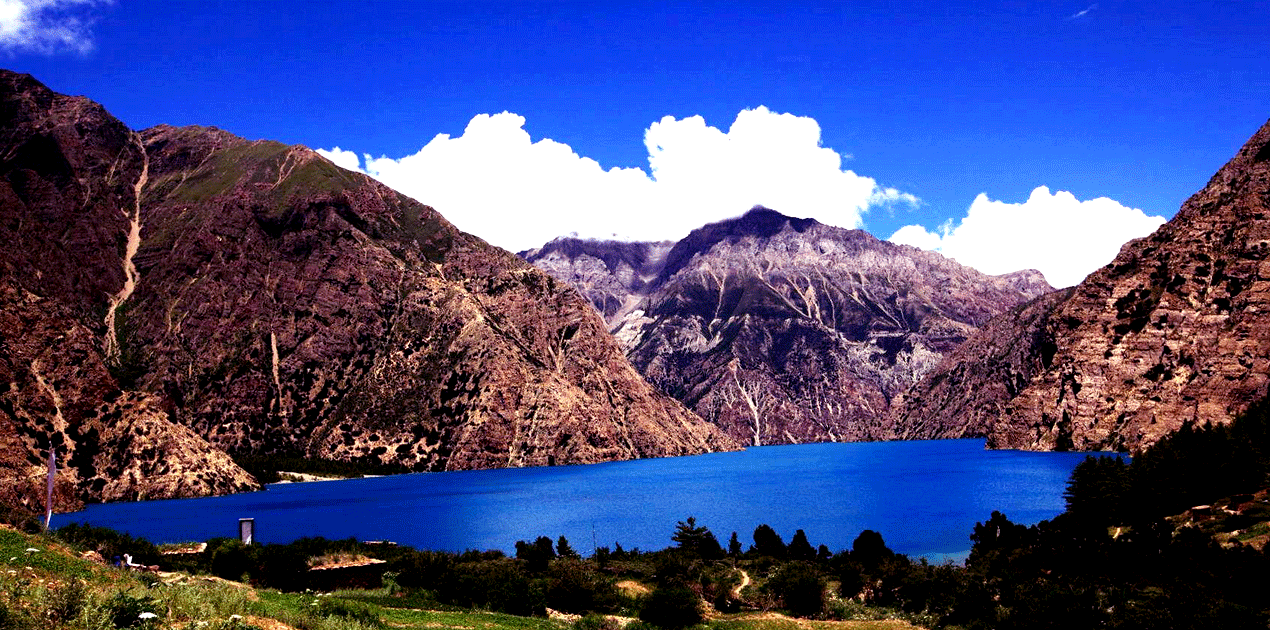
The highlight of the Lower Dolpo trek is the exploration of Shey Phoksundo Lake, a pristine and mesmerizing turquoise lake. Along the way, you’ll encounter Buddhist monasteries and immerse yourself in the ancient Bon Po culture, adding a cultural dimension to your trekking experience. The Lower Dolpo region offers an enriching encounter with traditional practice and belief, renowned for its distinct cultural heritage.

Description

In addition to the cultural aspects, the Lower Dolpo trek itinerary allows you to witness the incredible biodiversity of the region. The area is home to a range of plant and animal species, including some endangered ones. The trek offers a chance to appreciate the unique flora and fauna that thrive in this remote and protected environment.

The Lower Dolpo trek itinerary typically takes around 15 days to complete and includes a combination of basic tea house accommodations and homestays. During the trek, there are three nights and four days of camping, which provide an opportunity to experience the rugged and pristine beauty of the high passes, such as Numala Base Camp (4,440m), Danigar (4,510m), and Yak Kharka (3,982m).

History

Notably, the Lower Dolpo region opened to foreign travelers in 1990. Even today, it remains a restricted area with limited access. The trails in this region are remote and less frequented, adding to the sense of adventure and exploration. Local communities still rely on yak and sheep caravans for trade with Tibet, showcasing a traditional way of life that has endured for centuries.

The Lower Dolpo trek unveils hidden valleys, enchanting landscapes, and unique cultural encounters. The main highlight of the Trek is Phoksundo Lake and several high passes, it is an adventure and enthralling path, a reasonably tough trek that connects with a part of the Great Himalayan Trail (upper Dolpo trek) and Rara Lake to Dhorpatan Circuit trek. It offers an unforgettable experience that showcases the untouched beauty and charm of Nepal’s remote regions.

Lower Dolpo Trekking Permit Cost

Lower Dolpo and Upper Dolpo trek are restricted areas requiring trekkers to obtain a special permit to enter the region. The Permit for the Lower Dolpo trek costs US$30 per person for the first 10 days. For each additional day beyond the initial 10 days, trekkers must pay an extra fee of US$5 per person per day.

Additionally, trekkers must obtain a TIMS (Trekkers Information Management System) card. The cost for a TIMS card is NPR 2000 (approximately US$20) for individual trekkers and NPR 1000 (approximately US$10) for group trekkers.

Lower Dolpo trek is only permitted through a registered trekking agency and with a licensed guide. The agency will arrange the necessary permits on behalf of the trekkers. It is important to check the current permit fees with a registered trekking agency or the Department of Immigration of Nepal before planning the trek.

Flora and fauna

Phoksundo Lake in Lower Dolpo sits at 3,612 meters above sea level. Rhododendrons and pine trees surround this charming lake. Moreover, wild animals- Himalayan Thar, musk deer, Danphe, and Monals protected under the Phoksundo National Park. The trails are natural stone steps.

Isolated region

The lower Dolpo area is a restricted but isolated paradise and area of Nepal. The mountains are gray hills and dry alpine grazing deserts. Strong winds and dust are common during the day, and greenery is visible throughout the trek. Therefore, this trek is isolated from other treks.

Trek Duration

lower Dolpo trek 15-day journey begins with a short scenic flight from Kathmandu to Nepalgunj, followed by another 30-minute flight to Juphal, the start of the trek. This trek discovers the beautiful villages of Dunai Bazaar, Phoksundo, Dhotrap, Numala Base Camp, and the beautiful blue color Shey-Phoksundo Lake with around green valley pine forest.

Local agency

Nepal Wilderness Trekking is a reliable trekking agency in Nepal, that leads the Lower Dolpo trek expert team, we are sure, that you will have quality time with our experienced guide and porters, the guide is Knowledgeable, responsible, and familiar with the region, trekking trails, history, people, cultures of the Dolpa region.

Lower Dolpo Trek Highlights

Shey Phoksundo National Park: The trek takes you through the beautiful Shey Phoksundo National Park, which is home to the stunning Phoksundo Lake, the deepest lake in Nepal.

Ancient Tibetan monasteries: The region is known for its ancient Tibetan monasteries, including the Shey Gompa, which dates back to the 11th century. These monasteries offer a glimpse into the unique Bon Po religion and Tibetan culture of the area

Remote traditional villages: Experience the unique culture and traditions of the Dolpo people. You can interact with the friendly locals and learn about their daily life and customs.

High-altitude passes: The challenging high-altitude passes like the Kang La Pass (5,350m) and the Jeng La Pass (5,090m), offer stunning views of the surrounding mountains and valleys.

Scenic landscapes: Known for its rugged and remote landscapes, deep valleys, waterfalls, and barren hillsides.

The lower Dolpo trek is quite challenging, with high-altitude passes like the Kang La Pass (5,350m) and the Jeng La Pass (5,090m). You will need to have a good level of fitness and acclimatization to undertake this trek. The best time to do the Lower Dolpo trek or the Jomsom Dolpo Trek is from March to May and from September to November.

Physical preparation

What’s crucial is a willingness to prepare physically and mentally, and to respect the demands of the environment. Proper acclimatization ensures trekkers can fully enjoy the journey, absorbing the breathtaking landscapes and immersing themselves in the local culture. Ensure that, you bring the recommended equipment, such as a boot rated for -25°C. A sleeping bag and poles are provided by the company. Remember, a quality sleeping bag can make your trip enjoyable, while a poor one can make it miserable.

Note

It is recommended that you arrive in Kathmandu 2 days before you start your trek. Arriving 2 days early is beneficial because you need to make the permits, learn about the trek you are doing, and familiarize yourself with the routes. Additionally, you might need to buy or hire trekking equipment if needed. By adding some extra days besides the actual trekking days, you can enjoy your trip to Nepal to the fullest. Consequently, this will allow you to focus on your journey without having to worry about last-minute preparations.

Detail Itinerary

Begin your remote Dolpo adventure with an early morning scenic flight from Kathmandu or Nepalgunj to Jhupal (Dolpa airstrip), offering breathtaking aerial views of the western Himalayan range. After landing, meet your trekking crew and begin the trek.

The trail descends gradually through terraced fields and traditional settlements, following the Thuli Bheri River. You will pass small villages, prayer flags, and mani walls that reflect the strong Tibetan-influenced culture of the region. After a gentle 3–4 hour walk, you arrive at Dunai, the administrative headquarters of Dolpa district.

Overnight stay in a local lodge in Dunai.

Today’s trail follows the Bheri River gorge, one of the most scenic river valleys in western Nepal. The path alternates between rocky sections, pine forests, and suspension bridges crossing deep gorges.

You pass through small settlements such as Lawan and Byas Gadhi, where ancient ruins and prayer walls reflect the region’s historical significance as part of the old salt trade route to Tibet. Gradually ascending, you reach Tarakot, a historic fortress village once used as a local defense outpost.

Overnight at a teahouse in Tarakot.

The trail today becomes more remote and rugged as you enter deeper into the Dolpo wilderness. You follow narrow paths carved into cliffs alongside the river, crossing wooden bridges and landslide-prone sections.

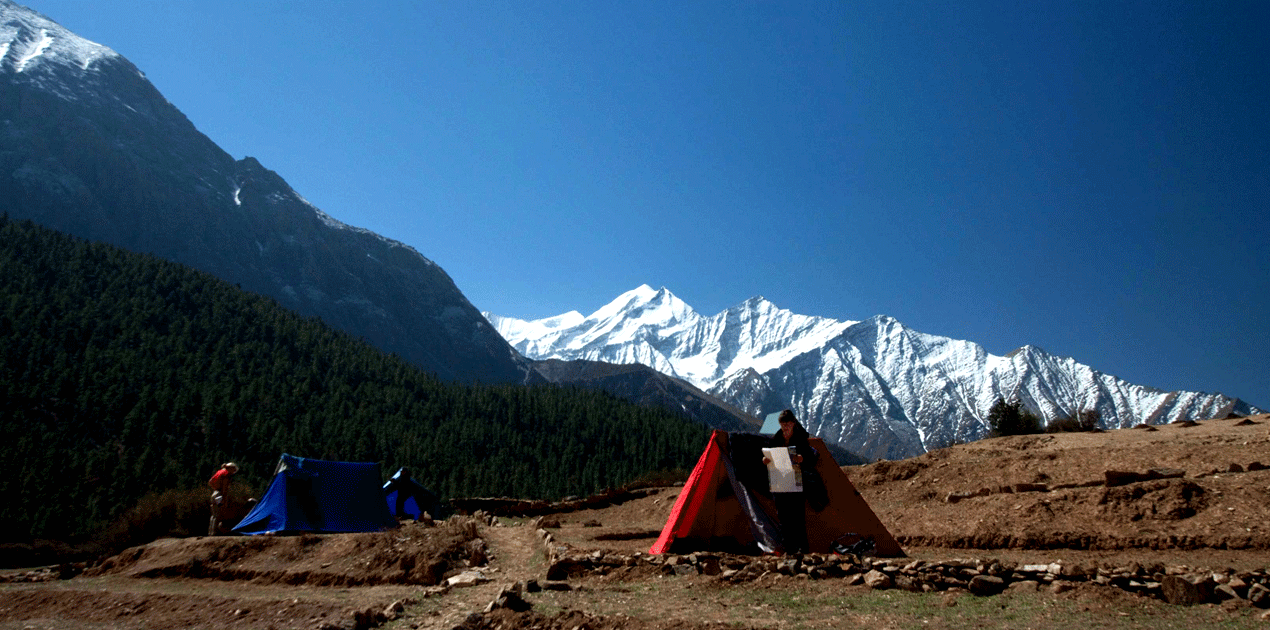
The vegetation changes from subtropical to alpine as altitude increases. Laina Odar is a small shelter area near caves used by traders and shepherds. The campsite offers a peaceful atmosphere surrounded by steep canyon walls.

Overnight at a tented camp.

Today involves a steady ascent through dramatic mountain landscapes. You trek through pine forests, rocky trails, and high ridges with increasing views of snow-covered peaks.

Wildlife sightings such as blue sheep and Himalayan birds are possible. Ghyamgar is a remote high-altitude stop surrounded by rugged cliffs and alpine terrain, offering a true sense of isolation.

Overnight at a tented camp.

The trail enters the Upper Dolpo cultural region, where Tibetan-influenced villages begin to dominate the landscape. You gradually descend and then ascend again through wide valleys and yak grazing lands.

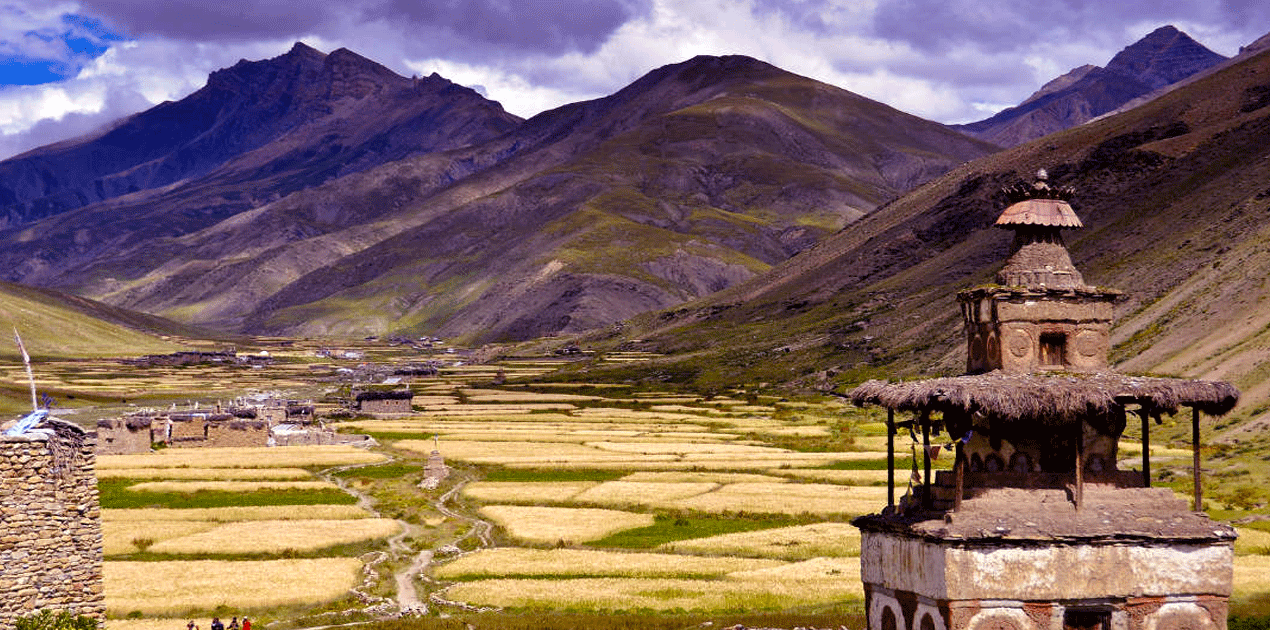
You arrive at Dho Tarap, one of the highest permanent settlements in the world, inhabited by both Buddhist and Bon communities. Ancient monasteries, chortens, and prayer walls make this village culturally rich and spiritually significant.

Overnight at a lodge in Dho Tarap.

A rest day is essential for altitude adaptation. You can explore the village, visit Ribo Bumpa Monastery, or interact with local monks and herders.

Short hikes around the valley help with acclimatization while offering panoramic views of surrounding Himalayan ridges and high desert landscapes.

Overnight at lodge.

Leaving Dho Tarap, the trail climbs gradually into a completely barren alpine environment. Vegetation becomes sparse, replaced by rocky slopes and glacial valleys.

You reach Numa La Base Camp, a remote campsite surrounded by towering ridges and wind-swept terrain. This is a preparation point for crossing high passes in the coming days.

Overnight in tented camp.

A challenging and rewarding day as you ascend early to cross Numa La Pass (5,238m), one of the major high passes of Upper Dolpo. The climb is steep and often snow-covered, offering spectacular views of Dhaulagiri range and surrounding peaks.

After crossing the pass, a long descent leads to Danigar, a peaceful alpine valley surrounded by dramatic cliffs.

Overnight at tented camp.

Another high mountain day crossing Baga La Pass (5,214m). The ascent is steep and physically demanding, but the panoramic views of the trans-Himalayan landscape are exceptional.

After the pass, descend to Yak Kharka, a seasonal grazing area used by nomadic herders.

Overnight in tented camp.

Today’s trail gradually descends toward the jewel of Dolpo—Shey Phoksundo Lake. The turquoise blue lake appears dramatically between cliffs as you approach Ringmo village.

The lake lies inside Shey Phoksundo National Park, Nepal’s largest national park, known for its untouched wilderness and Tibetan Buddhist heritage.

Overnight at lodge near Phoksundo Lake.

Rest day for exploration. You can hike around the lake or visit Tshowa Monastery, perched dramatically on a cliff above the water.

The lake’s changing colors and silence make it one of the most spiritual places in Nepal.

Overnight at lodge.

Begin descending through pine forests and canyon trails. The landscape becomes greener as you leave the high alpine zone.

You pass waterfalls and suspension bridges before reaching Rechi, a quiet settlement along the river.

Overnight at lodge.

Continue descending along the river valley, passing small villages and cultivated fields. The air becomes warmer as you lose altitude.

Raktang offers a peaceful overnight stop surrounded by forested hills.

Overnight at lodge.

The final trekking day follows an easier trail through rural villages and terraced farmland. You return to Jhupal, marking the completion of the trekking circuit.

Celebrate the successful journey with your crew.

Overnight at lodge.

Take a morning flight from Jhupal to Nepalgunj, then connect to Kathmandu. Enjoy a scenic final flight over the Himalayas before arriving back in the capital.

Transfer to hotel. Trip ends.

Cost Included

  • All land transport and flight tickets from Kathmandu to Nepalganj- Jhupal- Nepalganj- Kathmandu.
  • National Park Conservation and lower Dolpo special trekking permits and TIMS fees.
  • Lodge Accommodation and 3 times meals a day during the trekking.
  • 3-night tent trek
  • Experienced English-speaking trekking guide licensed by the government, familiar with the area.
  • One porter for every two to three participants. (Note: An additional cost applies for solo clients requiring a porter.)
  • Meals: Italian, Chinese, Nepali, Indian, and various European dishes are available three times a day breakfast, lunch, and dinner. One main course is provided per meal during the trek.
  • guide and porter Wages, equipment, insurance, and other facilities to staff.

Cost Excluded

  • Hotel in Kathmandu
  • Lunch and dinner in Kathmandu
  • Travel Insurance (which covers helicopter rescue Evacuation in case of emergency.
  • Personal expenses.
  • All bar bill.
  • Items of a personal nature, i.e., Soft/hard drinks, tips, etc.
  • Excluded are all costs and expenses not listed under "cost includes"
  • Inclusion of costs or delays beyond the control of the management, such as landslides, weather conditions, itinerary modifications due to safety concerns, illness, changes in government policies, strikes, etc.
Trip Dates Trip Price Confirmed Pax Trip Status
May 20, 2026 US$ 2200 Join a Group Book Now
May 24, 2026 US$ 2200 Join a Group Book Now
May 28, 2026 US$ 2200 Join a Group Book Now
June 4, 2026 US$ 2200 Join a Group Book Now
June 8, 2026 US$ 2200 Join a Group Book Now
June 12, 2026 US$ 2200 Join a Group Book Now
June 16, 2026 US$ 2200 Join a Group Book Now
June 20, 2026 US$ 2200 Join a Group Book Now
June 24, 2026 US$ 2200 Join a Group Book Now
June 29, 2026 US$ 2200 Join a Group Book Now
September 3, 2026 US$ 2200 Join a Group Book Now
September 7, 2026 US$ 2200 Join a Group Book Now
September 12, 2026 US$ 2200 Join a Group Book Now
September 17, 2026 US$ 2200 Join a Group Book Now
September 21, 2026 US$ 2200 Join a Group Book Now
September 25, 2026 US$ 2200 Join a Group Book Now
September 30, 2026 US$ 2200 Join a Group Book Now
October 4, 2026 US$ 2200 Join a Group Book Now
October 8, 2026 US$ 2200 Join a Group Book Now
October 12, 2026 US$ 2200 Join a Group Book Now
October 17, 2026 US$ 2200 Join a Group Book Now
October 21, 2026 US$ 2200 Join a Group Book Now
October 26, 2026 US$ 2200 Join a Group Book Now
October 31, 2026 US$ 2200 Join a Group Book Now
November 2, 2026 US$ 2200 Join a Group Book Now
November 6, 2026 US$ 2200 Join a Group Book Now
November 10, 2026 US$ 2200 Join a Group Book Now
November 15, 2026 US$ 2200 Join a Group Book Now
November 20, 2026 US$ 2200 Join a Group Book Now
November 25, 2026 US$ 2200 Join a Group Book Now
November 30, 2026 US$ 2200 Join a Group Book Now
December 3, 2026 US$ 2200 Join a Group Book Now
December 8, 2026 US$ 2200 Join a Group Book Now
December 12, 2026 US$ 2200 Join a Group Book Now
December 17, 2026 US$ 2200 Join a Group Book Now
December 21, 2026 US$ 2200 Join a Group Book Now
December 25, 2026 US$ 2200 Join a Group Book Now
December 30, 2026 US$ 2200 Join a Group Book Now

Frequently Asked Questions

Lower Dolpo Trek is Moderate trails trekking so it is difficult for the Numa La Pass 5238 m and Baga La Pass 5214 m. there will be 3 night camping because of no tea house in the Numa La Base Camp, Danigar and Yak kharka.
The Accommodation is very basic in the Lower Dolpo trek so please do not Expect better like a Annapurna and Everest region.
There is no tea house in the Numa La Base Camp, Danigar and Yak kharka, so we need to bring tents and some high foods supply for 3 night. Enhance 3 night camping will be basic Nepalese foods and high foods with tea, coffee, so please do not expect full camping style.
Our guide is well train about wilderness mountain altitude sickness; if there is an emergency for our customers, then our guide finds out immediate solution calling with us and your insurance office and rescue if you’re insurance cover the evacuations.
high altitude sickness called acute altitude sickness (A.M.S.) normally might occur once people ascend too quickly usually in altitudes of over 3000 m. someone feel it difficult breath and headed, but drink enough waters and acclimatize will help very much

Altitude Chart

Enquiry


Similar Packages

Sign Up for free newsletter
Follow Us