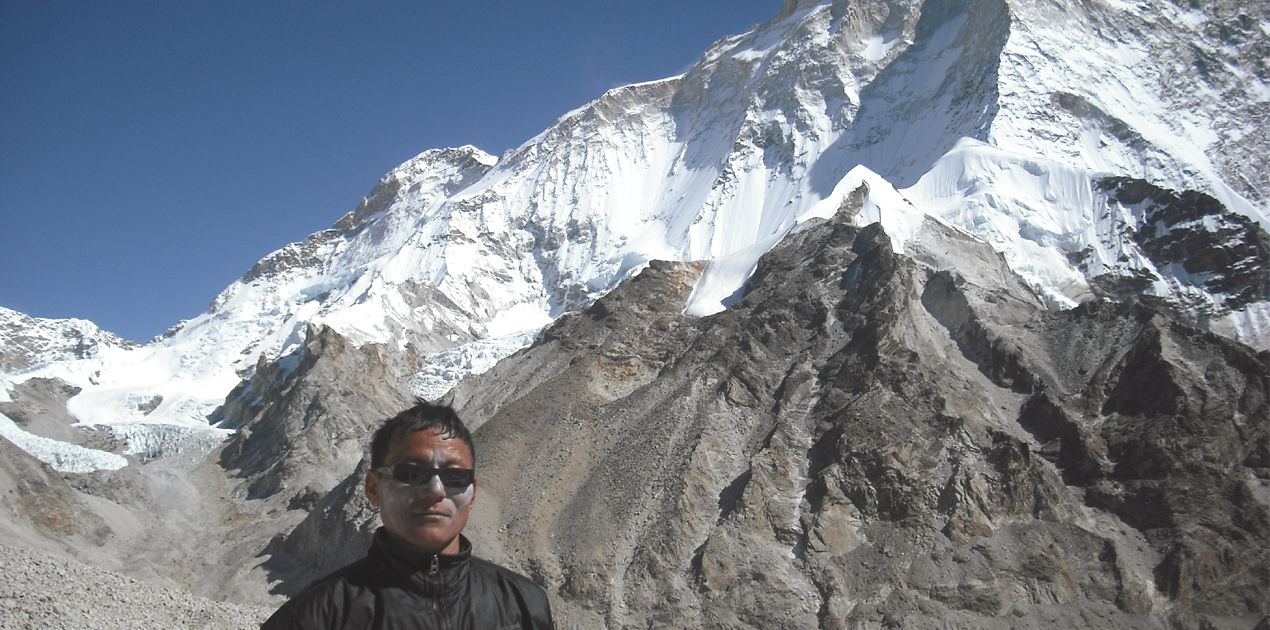
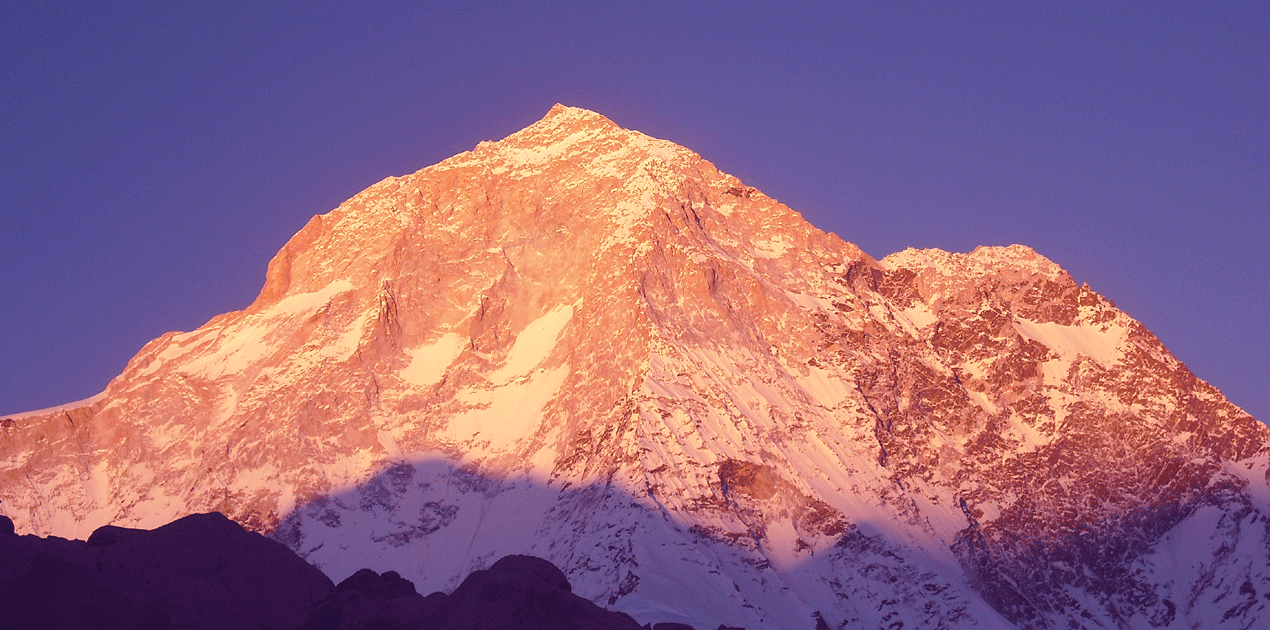
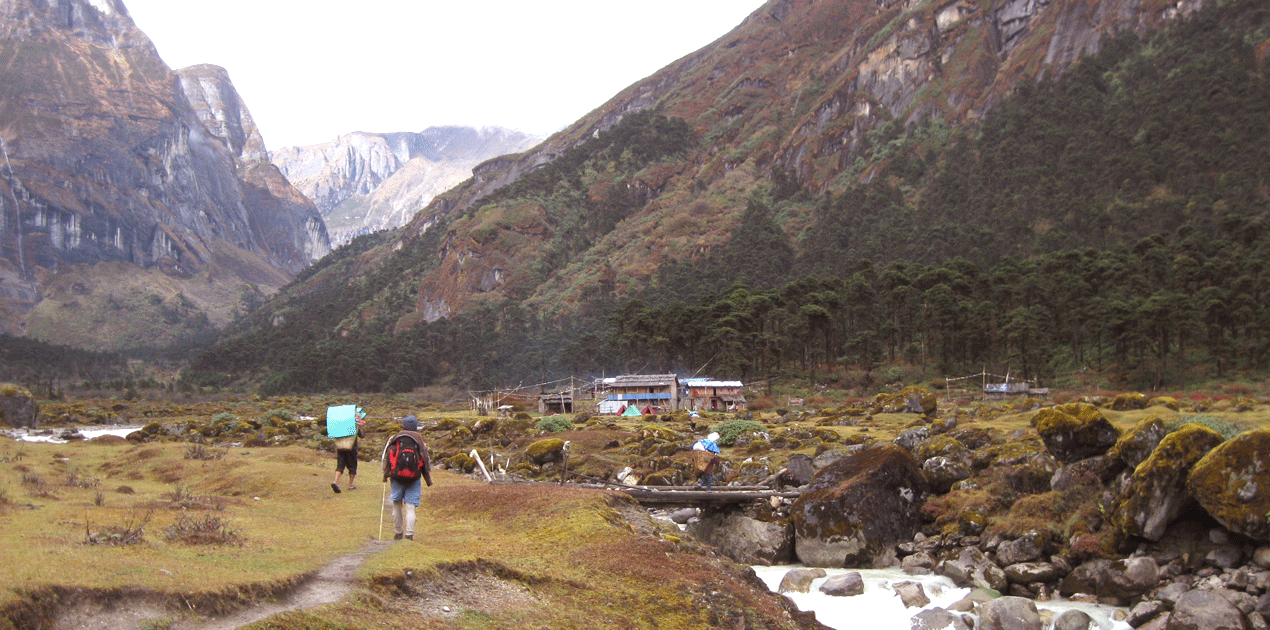
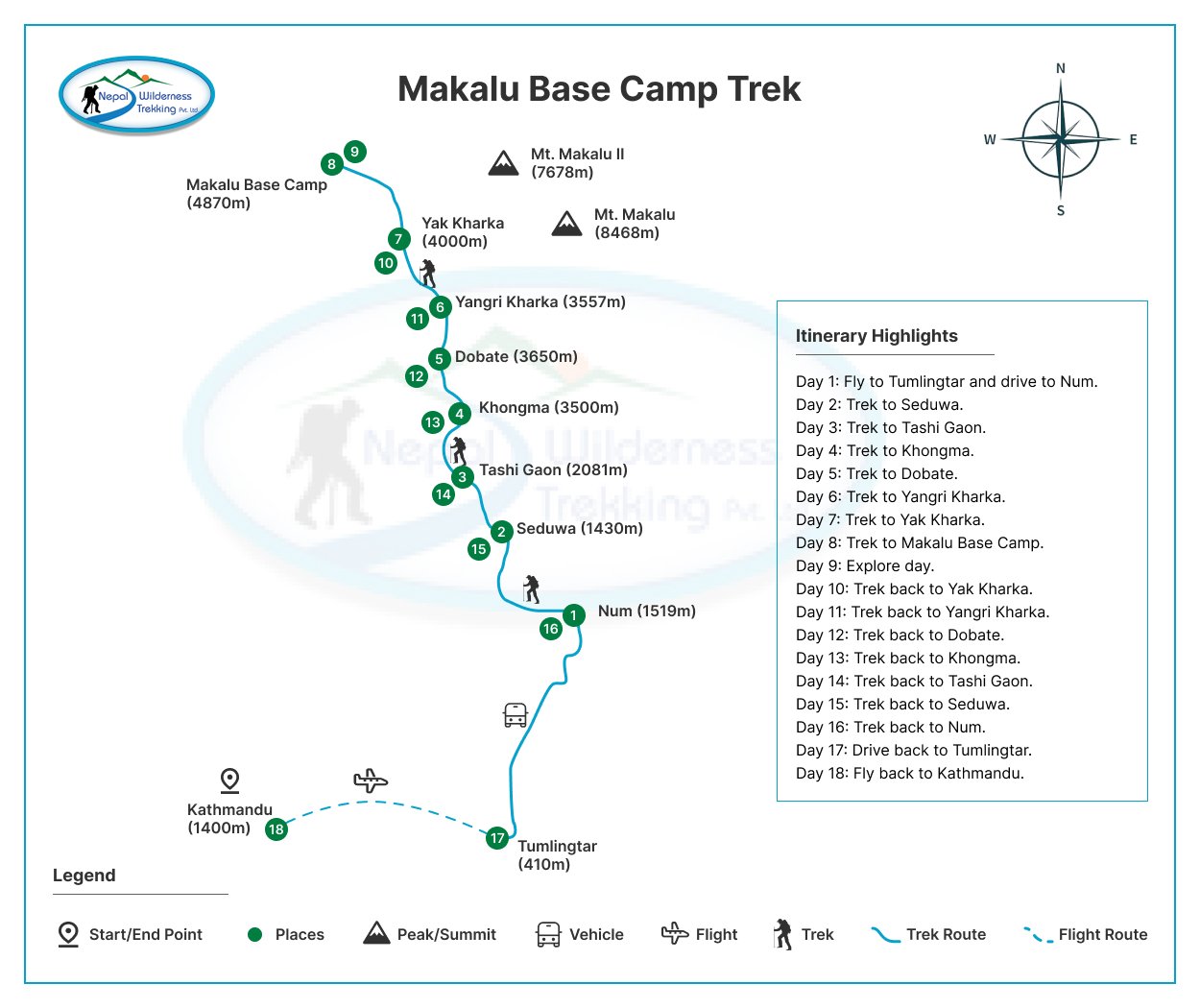
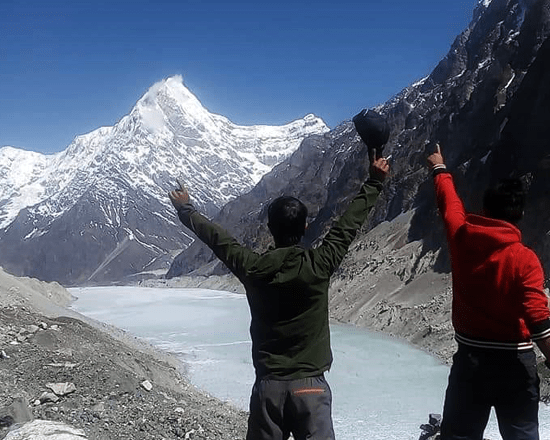
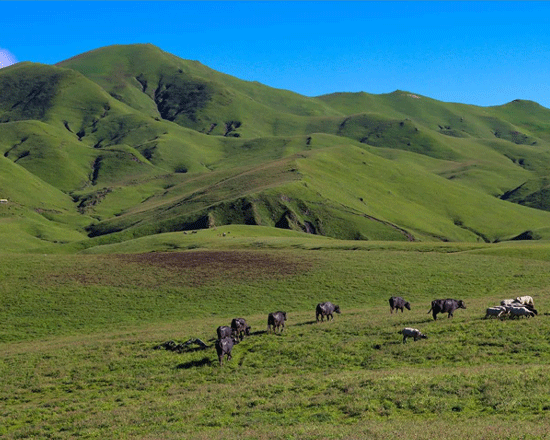
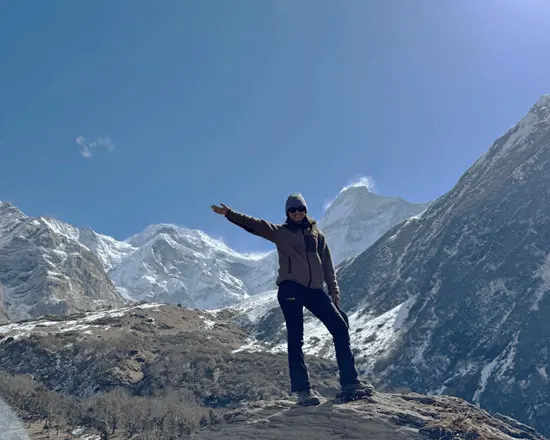
The Makalu Base Camp trek offers an extraordinary and challenging journey through high-altitude terrains and snow-covered landscapes, immersing you in the heart of the Himalayan lifestyle. Nestled within the renowned Makalu Barun National Park and Conservation Area, the trek leads you to Makalu Base Camp at 5,250 meters. Dominated by the majestic Mt. Makalu, the fifth-highest peak at 8,463 meters, this trek promises a genuine adventure with breathtaking scenery.
The Makalu region was relatively unknown until the late 1950s, when an American team led by William Siri first explored it. The peak was reached in 1955 by a French expedition led by Jean Franco. Though the trekking route was initially developed for climbers aiming to conquer Mount Makalu, it has evolved into one of Nepal’s most sought-after treks for adventurers seeking solitude and natural beauty.
High-Altitude Terrains and Snow-Covered Landscapes
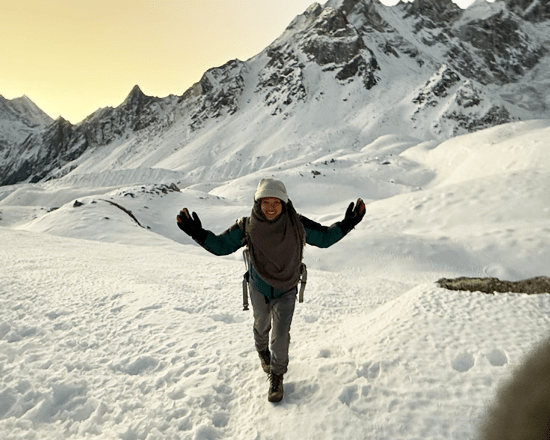
The Makalu Base Camp trek traverses high-altitude terrains and snow-covered landscapes, demanding physical endurance and acclimatization. The Shipton La Pass at 4,210 meters, Sherpani Col, West Col, and Amphu Lapcha Pass are the challenging high passes. These demanding paths offer stunning panoramic views, adding a thrill to your journey.
Immersing in the Himalayan Lifestyle
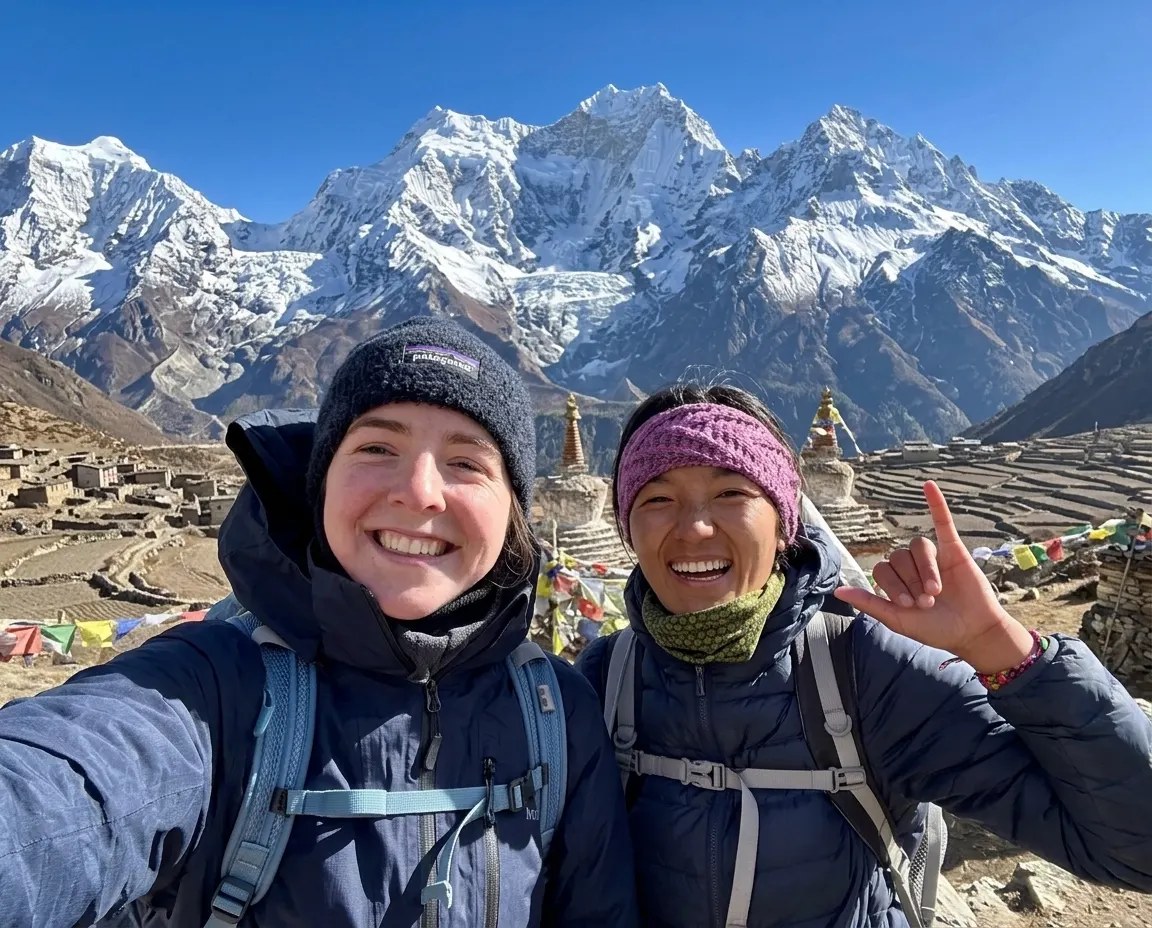
Trekking through the Makalu Barun National Park provides a unique opportunity to immerse yourself in the Himalayan lifestyle. The park is a conservation area that showcases nature’s magnificence and highlights the need for its preservation. The journey through this secluded region allows trekkers to experience the pristine wilderness and vibrant local cultures.
Makalu Barun National Park and Conservation Area
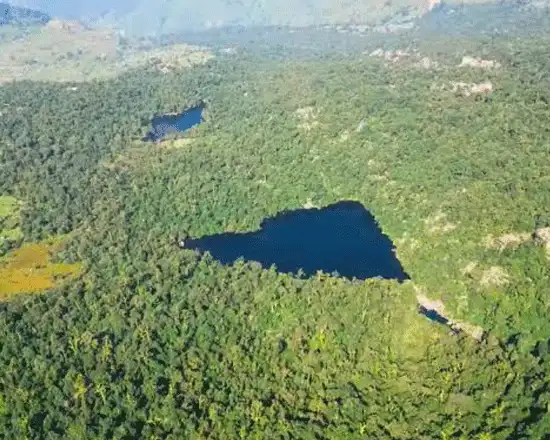
The Makalu Base Camp trek takes you through the Makalu Barun National Park and Conservation Area, an expansive international protected area established through an agreement between Nepal and China. Covering 2,330 square kilometers of National Park and an additional 830 square kilometers of conservation area in Nepal alone, this region is a testament to natural preservation efforts and the diverse ecosystems of the Himalayas.
Makalu and Chamlang Himal Peaks
The trek offers close encounters with the awe-inspiring Makalu and Chamlang Himal peaks. Makalu Himal rises to a majestic height of 8,481 meters. Lionel Terray and Jean Couzy made the historic first ascent of Makalu on May 15, 1955. The remote accessibility and natural beauty of this region make it a unique destination for trekkers.
Diverse Culture of Makalu Barun Valley
The Makalu Barun Valley is renowned for its rich and diverse cultural tapestry. The region is home to Sherpa, Rai, Gurung, and Ghale communities, particularly from Chechela and Num villages. Sherpa, known for their mountaineering prowess and Tibetan Buddhist heritage, maintain traditional practices such as the Mani Rimdu and Losar festivals. The Rai and Limbu ethnic groups have cultural diversity with their languages, music, and agricultural practices. These communities cultivate cardamom as a primary source of income and grow crops like wheat, barley, millet, maize, potatoes, and beans. As you trek through terraced farmlands and alpine meadows, you will immerse yourself in local cultures and observe picturesque landscapes.
Tea House Accommodations and Cuisine
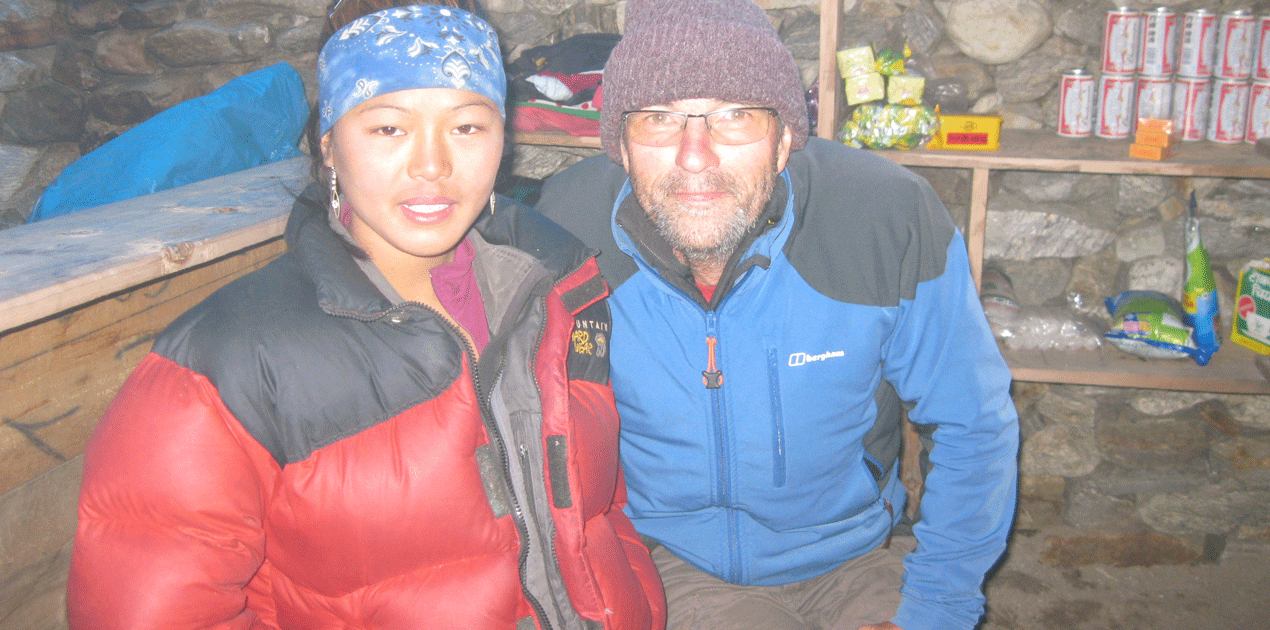
During the Makalu trek, enjoy modest tea houses and authentic Nepali meals, including dal bhat, potatoes, eggs, and soup, which are commonly served along the trail. While the variety may not match that of the Annapurna or Everest base camp treks, the tea houses provide a cozy atmosphere, offering a chance to unwind and connect with fellow adventurers. Despite some tea houses not having formal menus, they offer simple, hearty dishes perfect for refueling after a day of trekking.
Similarities to the Kanchenjunga Trek
The Makalu trek is similar to the Kanchenjunga trek, featuring basic tea houses and accommodations. Both treks take you through remote and less-traveled regions, offering a more intimate experience with nature and local cultures. The simple accommodations enhance the authenticity of the trekking experience, allowing you to connect more deeply with the environment and the people.
Makalu Base Camp Trek Cost
The cost of the trek depends on various factors like group size, travel style, and inclusions. For a solo traveller, the package cost is USD 2000; for 2 people joining together for the same trek on the same date, the package cost is USD 1900. Moreover, for the larger group, the heavier offer is served. Traveling with a minimum budget on an adventurous journey in the Himalaya, it is usually best to team up with a group and create everlasting memories.
The Makalu Base Camp package and itinerary are very transparent and flexible. The other miscellaneous expenses for personal purposes that are not covered are:
- Snacks/Drinks: $5–$10 per day (tea, coffee, energy bars).
- Charging/Electricity: NPR 100–300 ($1–$2) per device.
- Wi-Fi (limited availability): NPR 200–500 ($2–$4) per day.
- Hot shower: NPR 500-1000($4-$8).
Travel style
- Guided Trek (Organized Group or Private Trek). This is the most popular and recommended travel style for the Makalu Base Camp Trek. It provides safety, logistical support, and expert knowledge.
Key Features:
- Professional Guide: Accompanied by an experienced trekking guide who ensures safety, navigation, and cultural insights.
- Porters: Typically, one porter is assigned to carry luggage for two trekkers (max weight: 20–25kg per porter).
- Logistics Managed: Includes permits, accommodation, meals, and transportation.
- Pre-Set Itinerary: A structured schedule with flexibility for minor adjustments.
Who Should Choose This Style?
- Trekkers new to Nepal or trekking at high altitudes.
- Those seeking a stress-free experience with all managed.
- Groups or solo trekkers who value safety and local knowledge.
Advantages:
- Hassle-free and well-organized.
- Expert guidance on altitude management and cultural context.
- Reduced physical burden with porters.
Connected to the Great Himalayan Trails
The Makalu Barun Valley Trek is part of the Great Himalayan Trails, a network of trekking routes that span the length of the Himalayas. This offers more opportunities to explore various segments of the Himalayas, experiencing diverse landscapes, cultures, and adventures. The Great Himalayan Trails connect some of the most iconic and lesser-known trekking routes, providing a comprehensive and enriching experience.
Best Times to Trek
The best times for the Makalu Base Camp trek are between September and November, and March and May. Early March is best avoided due to heavy snowfall at Makalu Base Camp and Jak Kharka. During these periods, the weather is stable, and the trails are less likely to be obstructed by landslides or severe weather.
During the spring season, specifically from March to June, the weather conditions offer excellent visibility. Adding the opportunity to fully explore themselves in the awe-inspiring natural beauty of the region. With blooming flowers and verdant greenery, the landscape becomes a feast for the senses, enhancing the overall appeal of the trek. Furthermore, during this time, the trails are relatively less crowded compared to the peak trekking season, ensuring a more tranquil and peaceful experience for adventurers.
Alternatively, the early months of September to December also present an optimal window for the Makalu trek. This period marks the autumn season when the weather is stable and the skies are clear. The days offer mild temperatures, perfect for comfortable trekking. Autumn unveils breathtaking views of the surrounding mountains, as the clear skies offer a panoramic scene of the majestic Himalayas. Similar to the spring season, starting on the Makalu trek during autumn is the advantage of a peaceful journey, with fewer fellow trekkers on the trails.
Seasons Overview
Nepal experiences four primary seasons:
- Spring (March–May): Pre-monsoon season.
- Summer/Monsoon (June–August): Wet season.
- Autumn (September–November): Post-monsoon season.
- Winter (December–February): Cold season.
Among these, the spring and autumn seasons are widely regarded as the best times for the Makalu Base Camp trek.
Challenges and Considerations
The Makalu Base Camp trek presents moderate difficulties, with several challenging high-altitude passes, but it is accessible for first-time trekkers. Hiking for 5 to 6 hours daily is advisable for successful completion. To account for unforeseen delays due to severe weather, allocate 2 to 3 extra days. During the end or start of the monsoon season, travel plans should consider the possibility of landslides obstructing the Tumlingtar to Num road.
Adventure and Experience
The Makalu Base Camp trek is a less-traveled adventure that offers a more intimate nature experience. The remote wilderness, majestic views, cultural immersion, and challenging terrain provide an unforgettable journey. The trek involves more than just reaching the base camp. It also entails discovering hidden gems, forging bonds, creating memories, and returning fulfilled by the journey.
Expert Guidance
Our expert guide from the Nepal Wilderness Trekking team will enhance every aspect of your Makalu Base Camp trek. With their knowledge and experience, they will ensure your journey is enjoyable, safe, and deeply informative. From navigating challenging terrain to sharing insights into local culture and ecology, our guide will enrich your trekking experience. With our team’s support, you will create lasting memories in one of Nepal’s best remote and awe-inspiring regions.
Acclimatization
Acclimatization is crucial during high-altitude treks for the high passes. Altitude sickness, or acute mountain sickness (AMS), is a common concern and should not be taken lightly. We prioritize the well-being and safety of our trekkers. Additionally, our expert trekking guides are trained and experienced in high-altitude environments and provide first aid. We schedule a proper acclimatization day, allowing you to explore the area and adjust to the altitude. It’s important to note that if you experience severe symptoms of altitude sickness, the only remedy is to descend as quickly as possible. Ultimately, it is your responsibility to assess your overall health condition and make decisions regarding your ability to continue the Makalu Base Camp trek.
Note
We guarantee departure on all published dates for the Makalu Base Camp Trek Itinerary. If these dates don’t match your travel plans, we are happy to create a trip for your desired dates. Let us know what kind of trip you are looking for, and we will help make your dream destination a reality.