
Uncategorized
August 2, 2024
Sagarmatha National Park Nepal
 By admin
Discovering the Wonders of Sagarmatha National Park, Nepal: A Himalayan Adventure
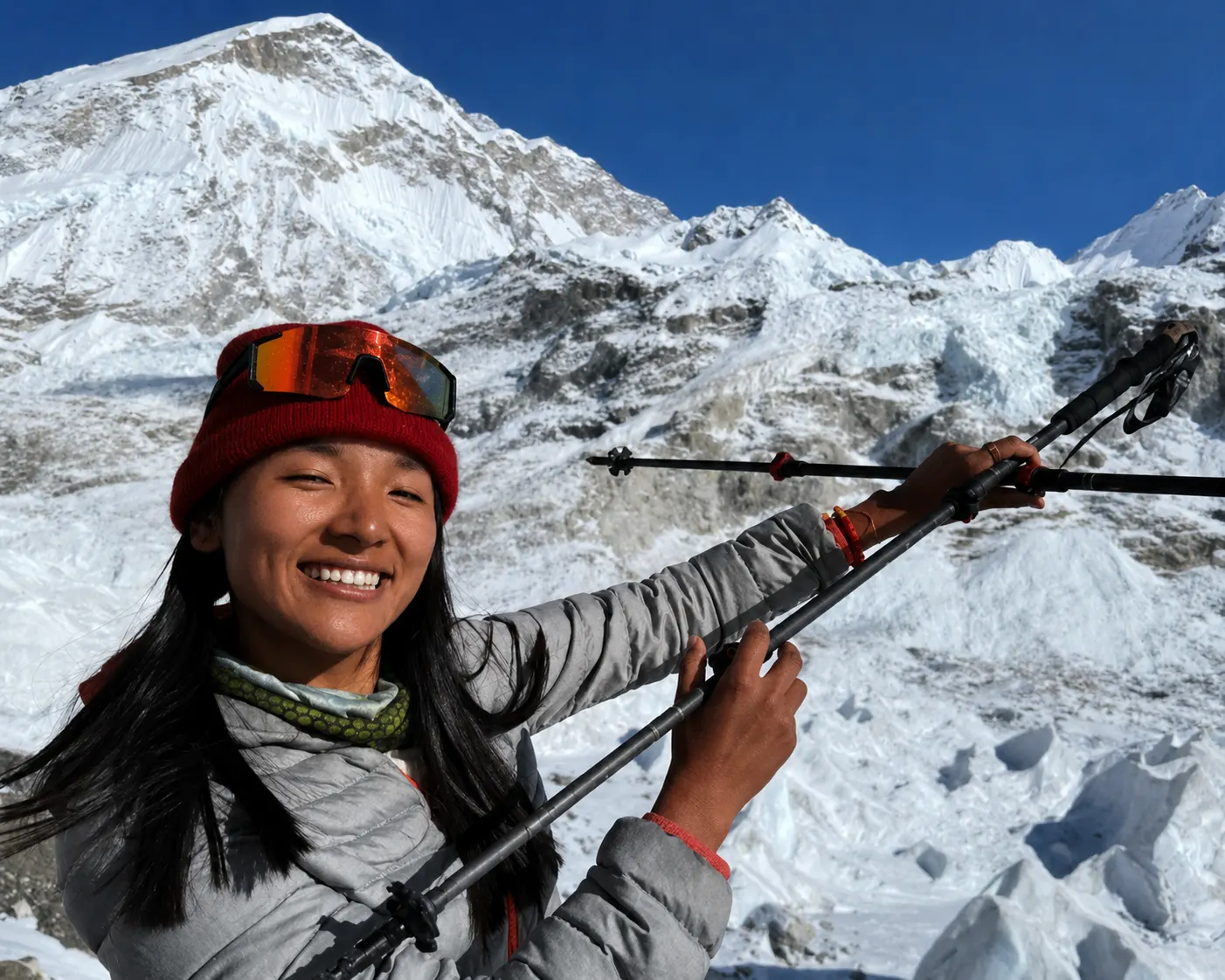
Sagarmatha National Park is one of Nepal’s most spectacular protected areas and a gateway to the world’s highest mountain, Mount Everest (Sagarmatha). Located in the Solukhumbu District of northeastern Nepal, the park covers about 1,148 square kilometers of dramatic Himalayan landscapes and was designated a UNESCO World Heritage Site in 1979.
The park is famous for its towering mountains, glaciers, deep valleys, alpine forests, and unique Himalayan wildlife. It is also home to the Sherpa people, whose centuries-old traditions, Buddhist monasteries, and mountain lifestyle are an important part of the region’s cultural heritage.
From the lively trails around Namche Bazaar to the peaceful surroundings of Tengboche and the high-altitude landscapes near Everest Base Camp, Sagarmatha National Park offers a remarkable combination of nature, adventure, and culture.
The park is best known for trekking routes such as the Everest Base Camp Trek and Everest Three Passes Trek, while mountaineers from around the world come to the Khumbu region to attempt peaks including Everest, Lhotse, Nuptse, and Ama Dablam.
In this guide, we explore the geography, climate, plants, wildlife, Sherpa culture, trekking routes, mountaineering, conservation efforts, and responsible travel practices that make Sagarmatha National Park one of Nepal’s most extraordinary destinations.
Geography and Climate of Sagarmatha National Park
Sagarmatha National Park covers approximately 1,148 square kilometers in Nepal’s Solukhumbu District and protects a spectacular section of the Khumbu Himal. The landscape rises from mountain valleys and forests to glaciers, high passes, and some of the highest peaks on Earth.
Mount Everest (8,849 m), known as Sagarmatha in Nepali and Chomolungma in Tibetan, is the park’s most famous landmark. The region also includes other prominent mountains such as Lhotse, Nuptse, Cho Oyu, Ama Dablam, Pumori, and Thamserku.
The park’s dramatic changes in elevation create several distinct ecological zones. Lower valleys around the main trekking settlements support forests of pine, fir, hemlock, juniper, birch, and rhododendron. As the elevation increases, the landscape gradually changes to alpine meadows, shrubs, rocky terrain, glaciers, and permanent snow and ice.
Climate and Seasons
The Khumbu region has a high-mountain climate, with conditions varying considerably according to elevation and season.
Spring (March–May):
Spring brings gradually warmer temperatures, blooming rhododendrons at lower elevations, and generally favorable trekking conditions. Visibility is often good, although clouds can build during the afternoon as the season progresses.
Summer and Monsoon (June–September):
The summer monsoon brings increased cloud, rain, and snowfall at higher elevations. Trails can be wet and visibility may be limited, so this is generally a quieter trekking season.
Autumn (October–November):
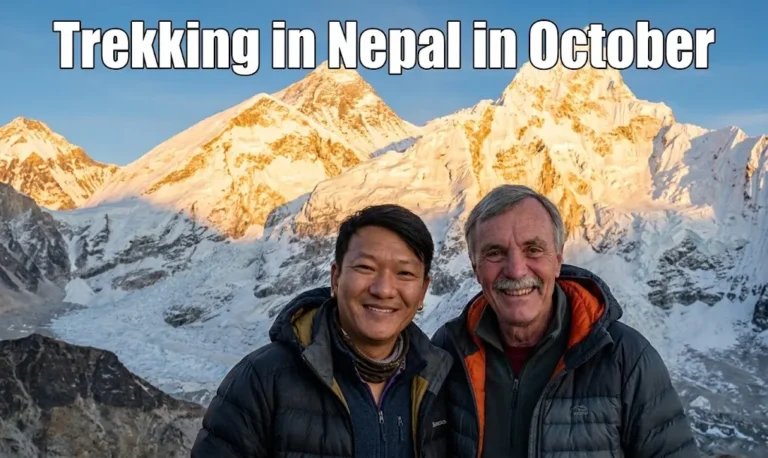
Autumn is one of the most popular periods for trekking in the Everest region. After the monsoon, the air is often clearer, providing excellent mountain views. Daytime conditions are generally suitable for trekking, while temperatures become colder at higher elevations.
Winter (December–February):
Winter brings cold temperatures, snowfall, and freezing conditions at high elevations. Some high passes may become difficult or temporarily inaccessible because of snow and ice. However, lower-altitude trails can still offer clear mountain views on suitable days.
Weather in the Himalayas can change quickly. Trekkers should prepare for cold temperatures, strong winds, snowfall, and sudden changes in visibility, particularly above Namche Bazaar and on high-altitude sections of the trek.
Flora and Vegetation of Sagarmatha National Park
Sagarmatha National Park contains a remarkable variety of Himalayan vegetation. The dramatic changes in altitude, temperature, rainfall, and terrain create different habitats, ranging from mountain forests to alpine meadows and high-altitude vegetation.
Forests and Rhododendron Landscapes
At lower and middle elevations, the landscape is covered by Himalayan forests containing species such as blue pine, Himalayan hemlock, fir, juniper, birch, and rhododendron.
Rhododendrons are particularly attractive during spring when their flowers add color to the trekking trails and surrounding hillsides. Different species and colors can be found throughout the region, depending on elevation and local conditions.
The forests around areas such as Phortse, Khumjung, Tengboche, and the trails approaching Namche Bazaar provide important habitat for birds and mammals while also protecting the soil and mountain slopes.
Alpine Meadows and Shrublands
As the trail climbs above the tree line, forests gradually give way to alpine shrubs, grasslands, and open meadows. Juniper and other hardy shrubs are common in these higher landscapes.
These alpine areas provide seasonal grazing grounds for livestock and habitat for wildlife such as Himalayan tahr, musk deer, and Himalayan pika.
During the warmer months, small alpine flowers and herbs can be seen growing among the rocks and meadows. Despite the harsh conditions, these plants have adapted to short growing seasons, low temperatures, and strong winds.
High-Altitude Vegetation
At very high elevations, vegetation becomes increasingly sparse. Around the glacial valleys and rocky slopes, only highly adapted plants, mosses, lichens, and small alpine species can survive.
Above the vegetation line, the landscape is dominated by rock, ice, snow, and glaciers. This transition from forested valleys to almost barren high-altitude terrain is one of the most striking features of trekking in Sagarmatha National Park.
The park’s vegetation is not only important for biodiversity but also plays a role in maintaining fragile mountain ecosystems. Protecting forests, alpine meadows, and high-altitude habitats is therefore an essential part of conservation in the Everest region.
Wildlife of Sagarmatha National Park
Sagarmatha National Park provides important habitat for a variety of Himalayan mammals and birds. Its forests, alpine meadows, rocky slopes, and high-altitude landscapes support wildlife adapted to some of the most challenging conditions on Earth.
Mammals
The snow leopard is one of the most famous animals associated with the high Himalayas. This elusive predator lives in remote, rugged areas and is rarely seen by trekkers.
Other mammals recorded in the park include:
- Himalayan tahr
- Musk deer
- Himalayan black bear
- Himalayan serow
- Red panda
- Yellow-throated marten
- Himalayan pika
- Marmots
The red panda is particularly important for conservation. Although it is associated with Himalayan forests containing suitable vegetation, sightings are uncommon, and visitors should never approach or disturb wildlife.
At higher elevations, Himalayan tahr and other mountain-adapted animals can sometimes be seen moving across steep slopes and alpine terrain.
Birds of Sagarmatha National Park
The park also supports a diverse range of Himalayan birds. Birdwatchers may encounter species such as the Himalayan monal, Nepal’s national bird, as well as blood pheasants, red-billed choughs, ravens, eagles, and vultures.
The Himalayan monal is especially striking, with its colorful plumage making it one of the most recognizable birds in the region. Red-billed choughs are also frequently associated with high-altitude Himalayan landscapes.
Sagarmatha National Park is recognized as an Important Bird and Biodiversity Area, reflecting the significance of the region for Himalayan bird conservation.
Wildlife Watching During a Trek
Wildlife encounters in Sagarmatha National Park are never guaranteed. Trekkers are more likely to notice birds and smaller animals than elusive species such as snow leopards or red pandas.
The best approach is to travel quietly, maintain a respectful distance, avoid feeding animals, and follow park regulations. With patience and careful observation, the wildlife of the Khumbu can add another memorable dimension to an Everest-region trekking experience.
Sherpa Culture: Living Heritage of the Himalayas
Sagarmatha National Park is as culturally rich as it is naturally stunning. The Sherpa community, renowned for mountaineering skills, has lived here for centuries. Sherpa villages offer visitors a glimpse into traditional Himalayan life.
- Namche Bazaar, Khumjung, Pangboche: Vibrant villages with colorful festivals, prayer flags, and carved mani stones
- Tengboche Monastery: The largest gompa in Khumbu at 3,867 meters, hosting the annual Mani Rimdu Festival, attracting locals and tourists alike
Experiencing Sherpa culture enhances any Himalayan adventure, providing deep insight into the spiritual and daily life of this resilient mountain community.
Trekking in Sagarmatha National Park: A World-Class Adventure
Sagarmatha National Park is one of the premier trekking destinations in Nepal, offering routes for all levels of adventurers.
Everest Base Camp Trek
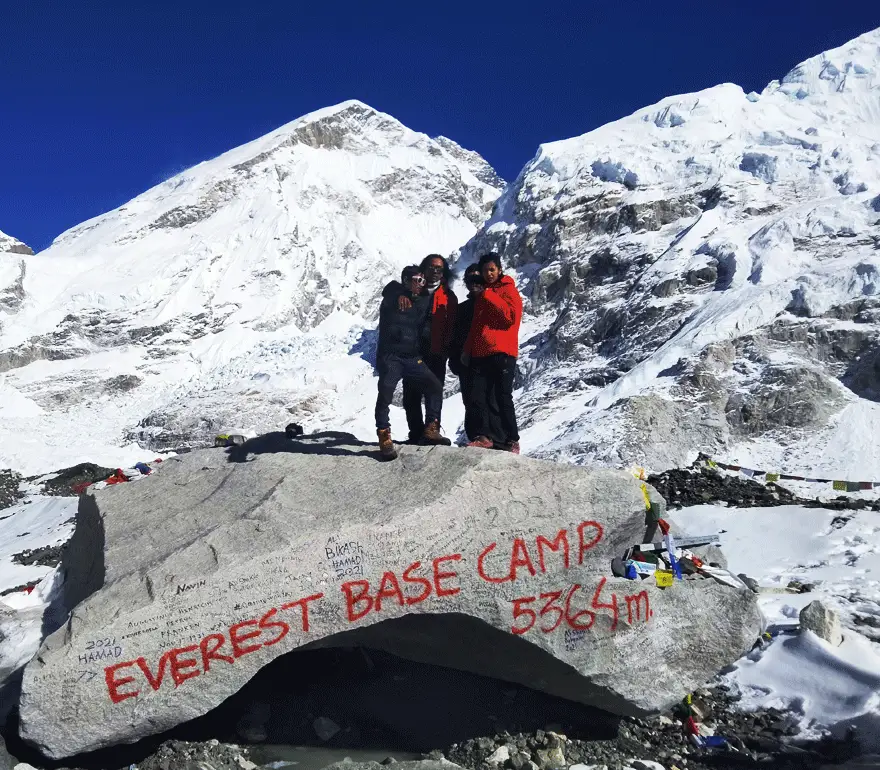
The Everest Base Camp Trek is the ultimate Himalayan trekking experience. The route passes through picturesque Sherpa villages, ancient monasteries, and suspension bridges over roaring rivers. Trekkers are rewarded with panoramic views of Mount Everest and the surrounding peaks, culminating at the base camp of the world’s highest mountain.
Highlights:
- Scenic Sherpa villages like Namche Bazaar and Tengboche
- Stunning Himalayan landscapes and glaciers
- Close-up view of Mount Everest and Kala Patthar
Three Passes Trek
For seasoned trekkers, the Three Passes Trek offers a challenging circuit across Kongma La, Cho La, and Renjo La. This trek combines adventure with breathtaking scenery, including Gokyo Lakes and spectacular Himalayan vistas.
Highlights:
- Crossing three high-altitude passes
- Panoramic views of Everest, Lhotse, Makalu, and Cho Oyu
- Exploration of remote alpine landscapes and Sherpa culture
Both treks exemplify the unmatched adventure and natural beauty of Sagarmatha National Park.
Mountaineering: A World-Class Destination
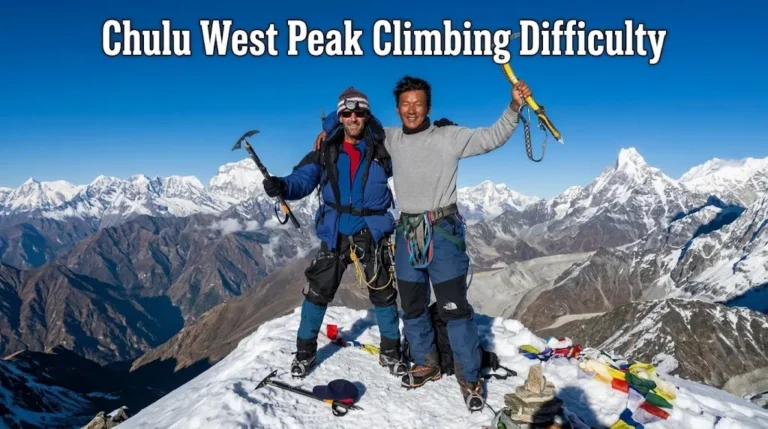
Beyond trekking, Sagarmatha National Park is a hub for mountaineering. Climbers from around the globe attempt summits like Mount Everest, Lhotse, Nuptse, and Ama Dablam. Proper preparation and experienced guides are essential for high-altitude expeditions in this challenging Himalayan terrain.
Conservation and Sustainable Tourism
Sagarmatha National Park’s ecological and cultural integrity is actively preserved through:
- Sustainable Tourism Practices: Waste management, eco-friendly trekking, and habitat protection
- Climate Change Initiatives: Monitoring glacial melt, changing weather patterns, and habitat conservation
- Community Involvement: Sherpa communities participate in conservation and sustainable tourism programs
These efforts ensure the park remains a thriving natural and cultural haven for future generations.
Visitor Guidelines for Responsible Tourism
To protect Sagarmatha National Park’s fragile ecosystem:
- Avoid littering and use eco-friendly trekking equipment
- Respect local customs and Sherpa traditions
- Minimize wildlife disturbance and follow park regulations
- Support local communities by hiring local guides and using Sherpa-run lodges
Responsible tourism ensures the preservation of this Himalayan treasure.
Trek Grade
Grade 1
Tap outside to close
Trekking is essentially day hiking and doesn't require any special training. However, good physical condition, a love of walking, and a desire to enjoy mountain views and village life are essential.
Grade 2
Tap outside to close
These treks are suitable for walkers looking for something more challenging and energetic. Hill-walking experience is desirable, with longer days and higher elevations.
Grade 3
Tap outside to close
Since the terrain can be hard and the days long, hikers should be in good physical condition and have previous mountain walking experience. High passes and extended trekking days may be involved.
Trek Grade
Grade 1
Tap outside to close
Grade 1 – Easy to Moderate: Lukla to Namche Bazaar. The first part of the trek follows well-established mountain trails through Sherpa villages, forests, suspension bridges, and valleys. There are several uphill sections, but the walking pace is manageable. The main challenge is beginning to adjust to the increasing altitude.
Grade 2
Tap outside to close
Grade 2 – Moderate: Namche Bazaar to Dingboche. The trail becomes more demanding as you gain altitude. You will cross rocky paths, steep sections, and exposed mountain terrain. Acclimatization days at Namche and Dingboche are important because the air becomes noticeably thinner above 3,500 meters.
Grade 3
Tap outside to close
Grade 3 – Challenging: Dingboche to Everest Base Camp and Kala Patthar. This is the most demanding section because of the high altitude, colder temperatures, longer walking days, and rougher terrain. The trek to Everest Base Camp is challenging, while the early-morning climb to Kala Patthar involves a steep ascent to around 5,545 meters. Good fitness, proper acclimatization, and a steady pace are essential.
Conclusion
Sagarmatha National Park is a must-visit destination for anyone seeking an unforgettable Himalayan adventure. Its towering peaks, diverse ecosystems, vibrant Sherpa culture, and world-class trekking routes like the Everest Base Camp Trek and Three Passes Trek make it a truly extraordinary place.
Whether you are a trekker, mountaineer, wildlife enthusiast, or cultural explorer, Sagarmatha National Park promises awe-inspiring landscapes, thrilling adventure, and a deep connection with the heart of the Himalayas.
Plan your Himalayan adventure in Sagarmatha National Park today and experience the magic of the world’s highest peaks, rich biodiversity, and living Sherpa heritage.
Sources
- UNESCO World Heritage Centre – Sagarmatha National Park
- Sagarmatha National Park | Department of National Parks and Wildlife Conservation
- Sagarmatha National Park and Buffer Zone | BirdLife Data Zone
- Nepal Tourism Board – Sagarmatha National Park
- World Wildlife Fund – Sagarmatha National Park
- Biodiversity Profile of Sagarmatha National Park
- Bird Conservation Nepal – Sagarmatha National Park
- Lonely Planet – Sagarmatha National Park
- Everest Base Camp Trek – Nepal Wilderness Trekking
- Three Passes Trek – Nepal Wilderness Trekking
- Conservation and Sustainable Tourism in Sagarmatha National Park
- Climate Change Impacts on Sagarmatha National Park
- The Importance of Conservation in Sagarmatha National Park