Everest Trek with Kids
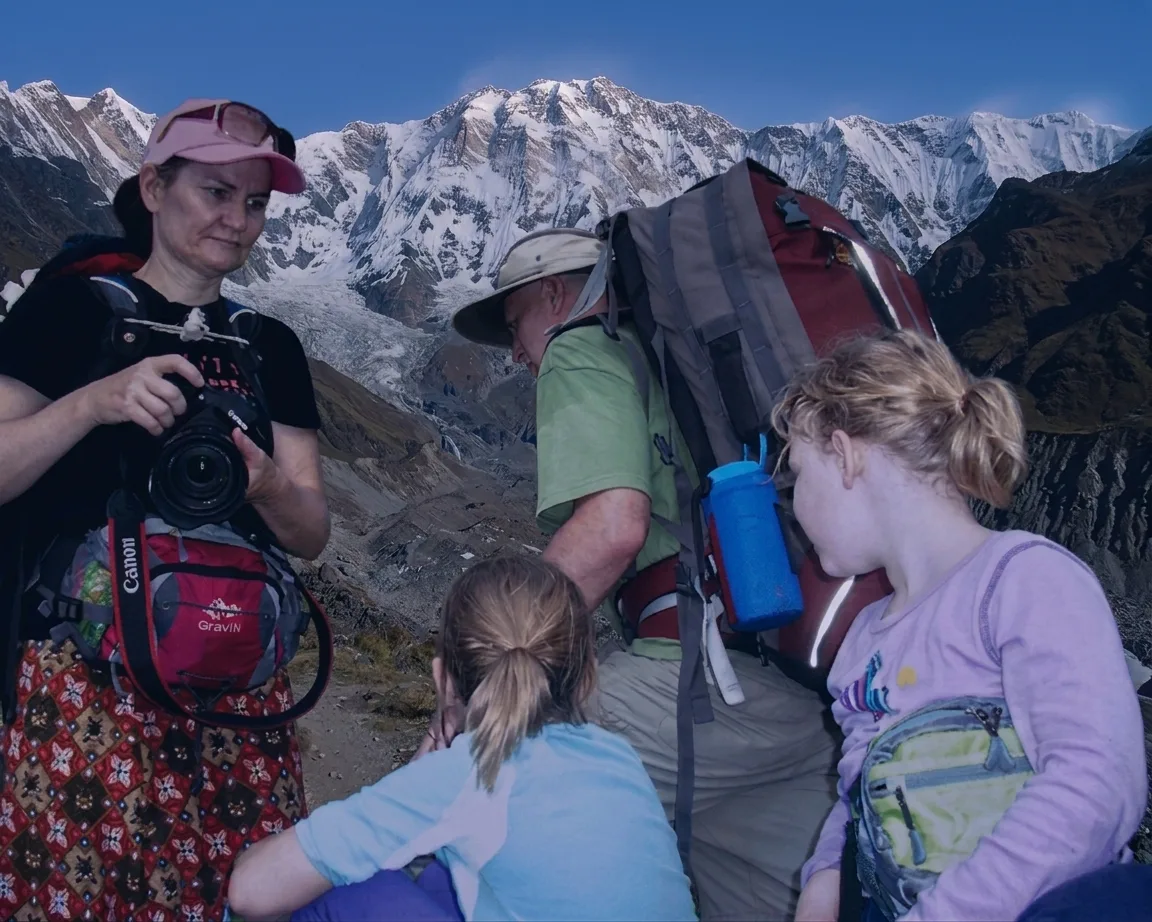
Trekking to Everest Base Camp with kids offers a thrilling and challenging adventure in the Himalayas. However, Everest Base Camp, situated at 5,364 meters (17,598 feet), is not suitable for children under the age of 5 due to safety concerns. Despite being considerably lower than the Summit of Mount Everest, the elevation can pose significant risks.
For parents seeking an adventurous journey that prioritizes safety, the Everest Base Camp trek can be a viable option with the help of an expert guide. The trek typically begins with a flight to Lukla, which sits at an altitude of 2,827 meters. From there, the journey passes through captivating destinations such as Phakding, Namche Bazaar, Tengboche, Dingboche, Lobuche, and Gorakshep, ultimately reaching Everest Base Camp.
The Everest region features awe-inspiring landscapes, including enormous glaciers, majestic mountains, lush forests, diverse wildlife, vibrant bird species, and ancient monasteries. It is also home to the Sherpa community, renowned for its rich cultural heritage.
Planning an Everest trek with kids
When trekking with kids, careful planning is crucial. Here are some key points to consider:
- Acclimatization: Allow plenty of time for acclimatization to avoid altitude sickness. Plan rest days and ensure a gradual ascent.
- Fitness: Ensure that both you and your children are physically prepared. Regular exercise and practice hikes can help build stamina. Develop a gradual training schedule that includes increasing distances and elevations. Follow the rule: “climb high, sleep low” and include acclimatization days in the itinerary.
- Gear: Invest in good-quality trekking gear. Proper clothing, footwear, and sleeping bags are essential to keep everyone comfortable and warm.
- Expert Guidance: Hire an experienced guide familiar with the region who can provide support and assistance throughout the trek.
Journey to Everest trek with kids
The trek with kids typically begins with a flight to Lukla, which sits at an altitude of 2,827 meters. From Lukla, the journey passes through a series of captivating destinations:
- Phakding: The first stop after Lukla, offering a gentle introduction to the trek.
- Namche Bazaar: A bustling Sherpa town and a great place for acclimatization, with markets, cafes, and stunning views.
- Tengboche: Home to the famous Tengboche Monastery, providing a cultural and spiritual highlight.
- Dingboche: A perfect spot for acclimatization with its wide valleys and beautiful scenery.
- Lobuche: Near the Khumbu Glacier, this village offers breathtaking views of the surrounding peaks.
- Gorakshep: The last stop before reaching Base Camp serves as a base for the final ascent.
Highlights of the Everest trek with kids
The Everest region is renowned for its awe-inspiring features:
- Enormous Glaciers: Experience the beauty of the Khumbu Glacier.
- Lush Forests and Wildlife: Trek through forests of rhododendron, pine, and fir, and spot diverse wildlife and vibrant bird species.
- Lukla Flight: The flight to Lukla is an adventure in itself, offering breathtaking views of the Himalayan range and an exhilarating landing at one of the world’s most challenging airports. The excitement of flying in a small plane and landing on a short runway can be thrilling for children.
- Namche Bazaar: Namche Bazaar, the gateway to Everest, is a vibrant town with colorful markets, shops, and cafes. Kids will enjoy exploring the bustling bazaar and trying local snacks.
- Tengboche Monastery: It is one of the most significant monasteries in the region, offering stunning views of Everest, Ama Dablam, and other peaks. The colorful decoration of the monastery with varying traditional monks’ instruments can bring happiness to the trek. Moreover, the location of the majestic monastery at 3860 meters catches your eye with the beauty of the mountains lying in front of the monastery.
Natural Highlights of the Everest region
- Flora and Fauna:
-
- Experience: The Sagarmatha National Park is home to diverse flora and fauna, including rhododendron forests, musk deer, and various bird species. Kids will love spotting different plants and animals along the trail.
- Rivers and Suspension Bridges:
-
- Experience: Crossing suspension bridges over roaring rivers like the Dudh Koshi adds excitement to the trek. The thrill of walking on swinging bridges and watching the river below can be a fun adventure.
- Mountain Views:
-
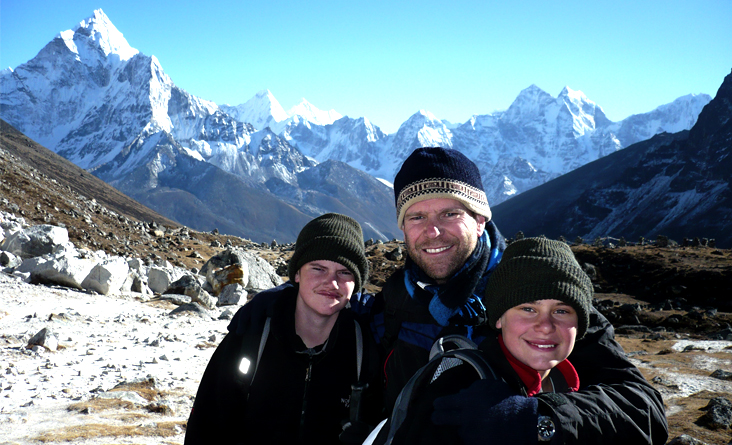
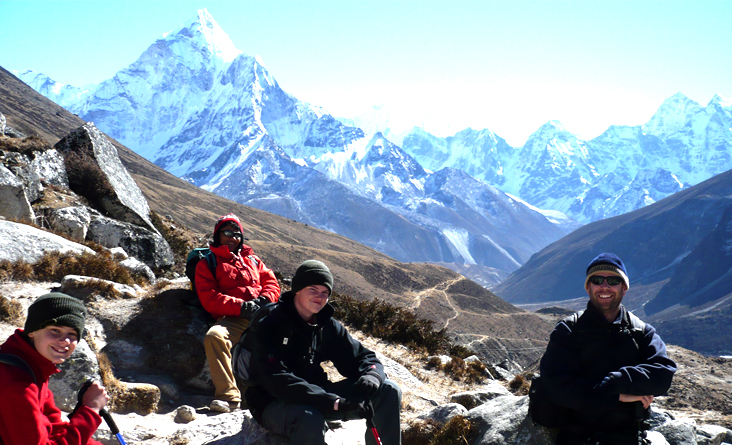
- Experience: Panoramic views of some of the world’s highest peaks, including Everest, Lhotse, Nuptse, and Ama Dablam. The majestic mountains provide awe-inspiring scenery that can captivate children’s imaginations.
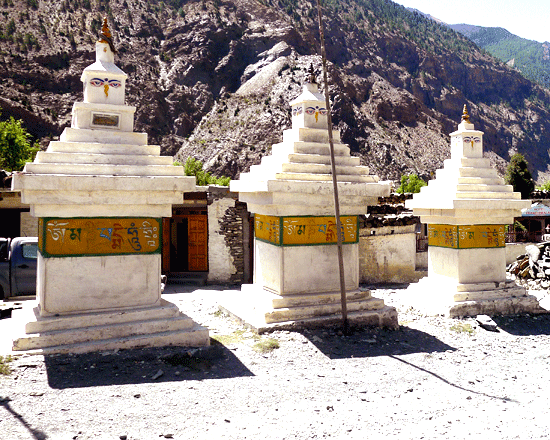
Buddhist Practices are observed in the Everest Trek with Kids
-
- Monastic Life: The Monastery is home to a community of monks who follow the Nyingma tradition of Tibetan Buddhism. They engage in daily prayers, rituals, and meditation practices.
- Festivals: The monastery is famous for hosting the annual Mani Rimdu festival, a significant event in the Sherpa calendar. The festival involves colorful mask dances, rituals, and prayers, attracting both locals and trekkers.
- Cultural Hub: Serves as a center for cultural and religious activities done by the Monastery.
- Educational Role: Supports the local community by providing religious education and promoting Buddhist values.
- Cultural Events: Hosts important religious ceremonies and festivals, contributing to the cultural vibrancy of the area.
Tips for an Everest Trek with kids
- Hydration: Ensure everyone drinks plenty of water to stay hydrated.
- Nutrition: Carry snacks and ensure a balanced diet to maintain energy levels.
- Rest: Listen to your body and rest whenever necessary. Avoid pushing too hard.
- Positive Attitude: Keep spirits high with encouraging words and fun activities to engage the kids.
Trekking to Everest Base Camp with kids can be an unforgettable experience, fostering a deep connection with nature and culture. With proper preparation and the right mindset, you and your children can safely enjoy this incredible journey.
Suitable Trekking Destinations for Kids with Parents
For parents seeking family-friendly trekking adventures in Nepal, several suitable destinations balance safety, scenery, and cultural experiences. Here are some recommended treks:
- Namche Trekking with Kids
- Muktinath Trek with Kids
- ABC Trek with Kids
- Ghorepani Trek with Kids