Kang la Pass Trek
Kang la Pass Trek
Annapurna Region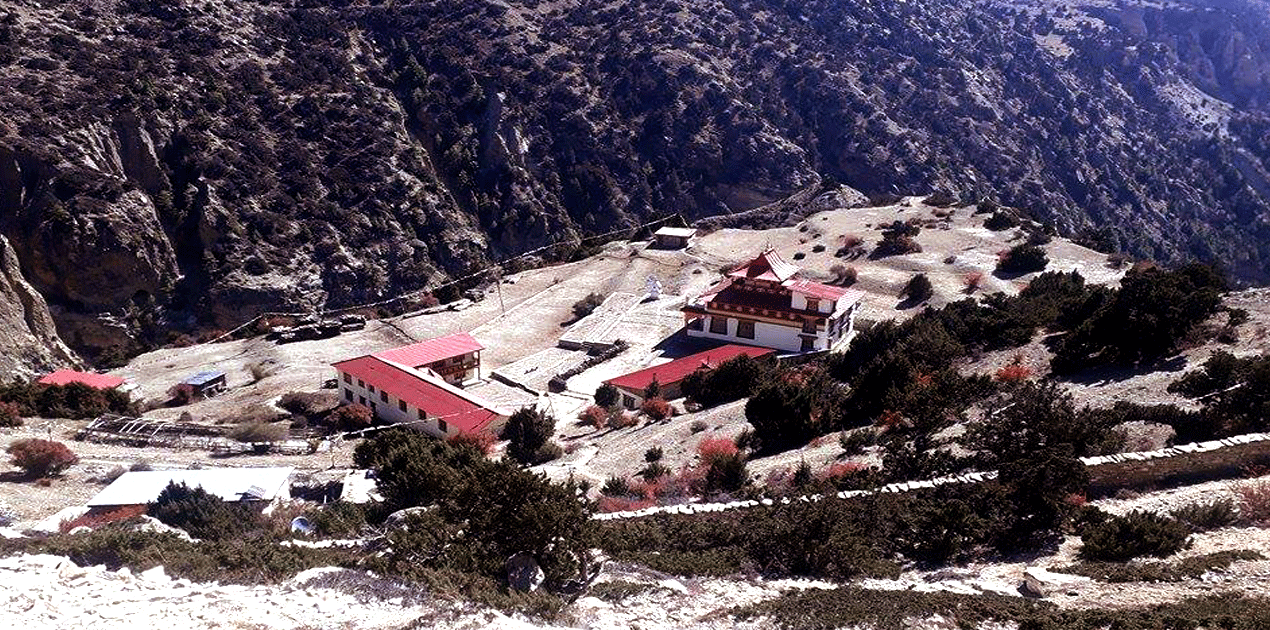
Trip Facts
Duration : 17 Days
Max-Altitude : 5320
Program Type : Tea House
Best Season : March to jun - sep to dec
Per Day Walking : 5/6
Trek Grade :
Grade 3:
Since the terrain can be hard and the days long, hikers on these treks should be in good physical condition and have some previous mountain walking experience. Steep climbing may be involved, although it is never necessary to use ropes. Treks at this level can he arranged for periods of 16 to 21 days. Typically, a gradual ascent through a green river valley will lead you up to a number of high passes, where you will reach the altitude of 5416m. Often times, you will get a close insight into the Tibetan culture. Participants should expect to trek above 5416m/17872ft.
100%
600 Reviews
Overview
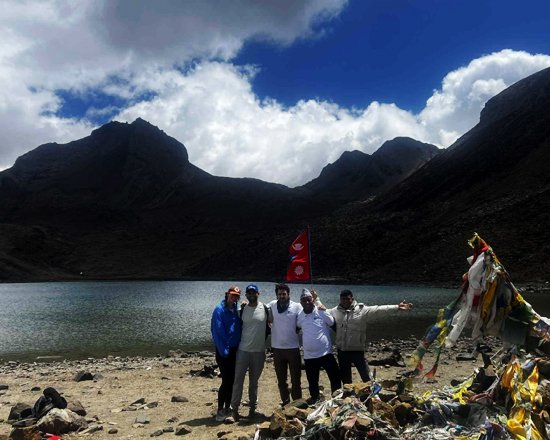
The Kang La Pass Trek is a captivating and strenuous journey through the high-altitude terrains of the Annapurna region in Nepal. Standing at an elevation of 5,320 meters, the Kang La Pass offers trekkers an unparalleled opportunity to explore the breathtaking landscapes and rich cultural heritage of the Nar Phu Valley. Officially opened to adventurers in 2002 by King Mahendra, this trek is challenging yet rewarding with adventure, combining the Kang La Pass with the Thorong La Pass, culminating in a remarkable trekking experience.
Discover the Beauty of the Himalayas
Begin on the Kang La Pass trek allow you to witness the majestic beauty of the Annapurna Himalayas and immerse yourself in the Tibetan culture that permeates the region. This trek takes you through fertile planting spaces for Yarsagumba plants, which thrive in summer and winter. The panoramic views of Himlung Himal (7,126 meters) and Saribung Peak (6,345 meters) are awe-inspiring. Additionally, trekkers will encounter ancient Buddhist monasteries, the reincarnations of lamas (bodhisattvas), and the untouched hamlets of Nar and Phu Village.
Nar Phu Valley and Kang La Pass
The Kang La Pass Nar Phu Trek offers a rare glimpse into a region characterized by raw natural beauty and Tibetan culture that harkens back to a bygone era. This area is a living museum where children receive their education through Buddhist texts, and the historical Tashi Lhakhang Gompa stands as a testament to the region’s rich spiritual heritage. trekkers can receive blessings from Lama Karma Sonam Rinpoche, adding a deeply spiritual dimension to the journey.
The Cultural and Natural Highlights
The trek to the Nar Phu Valley is a journey through both cultural and natural marvels. The valley is home to the ancient villages of Nar and Phu, which are nestled amidst stunning landscapes. These villages offer a unique opportunity to experience traditional Tibetan culture, largely untouched by modernity. The ancient monasteries, prayer flags fluttering in the wind, and the sounds of monks chanting create an atmosphere of profound serenity.
The natural beauty of the region is equally captivating. The trail offers panoramic views of snow-capped peaks, deep gorges, and vast, barren landscapes. The flora and fauna of the area are diverse, with opportunities to see rare wildlife such as the elusive snow leopard and blue sheep.
The Challenge and Rewards of Kang La Pass Trek
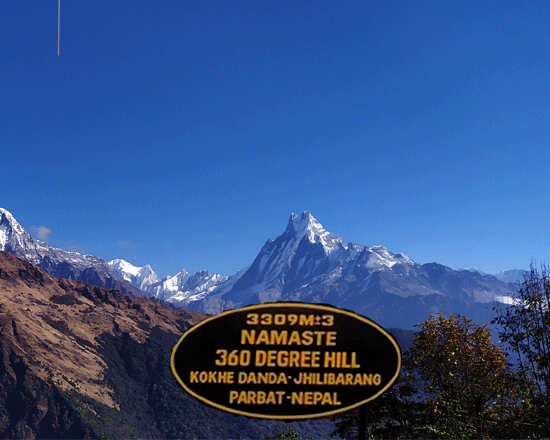
The Kang La Pass trek is more challenging than the Thorong La Pass, with narrower trails and steep ascents. However, the spectacular views of Annapurna III, Gangapurna, Tilicho, Manaslu, Himlung, and Saribung Peaks make the effort worthwhile. Phu Village, situated at the junction of three passes—Teri La Pass, Saribung Pass via Upper Mustang, and Kang La Pass via Ngawel Manang—offers a unique cultural experience.
High Altitude Adventure
Trekking at high altitudes presents both challenges and rewards. To begin with, the ascent to the Kang La Pass is demanding, requiring physical endurance and acclimatization to prevent altitude sickness. However, the sense of achievement upon reaching the pass, combined with the stunning views of the surrounding peaks, is an unparalleled reward. Furthermore, the descent into the Nar Phu Valley is equally exhilarating, offering a sense of journeying into a hidden world.
Manang and the Annapurna Circuit
Manang village, a part of the Annapurna Circuit trek, is another highlight gem of the Kang La Pass trek. This beautiful trekker town offers opportunities to explore the Gangapurna Glacier and Tilicho Lake. The unique culture of Manang, with its traditional stone houses and Tibetan influences, adds to the trek’s richness. From Manang, the journey continues to the highest pass in Nepal, the Thorong La, standing at 5,416 meters above sea level. This part of the trek is a true test of endurance and offers some of the most breathtaking views of the entire Annapurna range.
Spiritual and Cultural Significance
The Kang La Pass trek is not just about physical challenges and natural beauty; but also a deeply spiritual journey. The region is dotted with ancient monasteries and gompas, each with its unique history and significance. The Tashi Lhakhang Gompa, for instance, is a revered site where trekkers can receive blessings from the local lama. The spiritual ambiance of the region, combined with the stunning natural beauty, creates a trek that is as enriching for the soul as it is for the body.
Organized by Nepal Wilderness Trekking Agency
Kang La Pass trekking is organized by the Nepal Wilderness Trekking team, which coordinates with local private guides who speak the native language and are fluent in English. These knowledgeable guides ensure a safe and enriching trekking experience. Additionally, for more information about trekking permits in the restricted zone, the agency provides comprehensive guidance and support.
Experienced Guides and Local Knowledge
One of the key advantages of trekking with the Nepal Wilderness Trekking Agency is the expertise of their guides. These guides are not only experienced trekkers but also have deep knowledge of the local culture, geography, and history. They enhance the trekking experience by providing insights into the region’s unique aspects and ensuring the safety and well-being of the trekkers.
Comprehensive Support and Logistics
The agency provides comprehensive support and logistics, ensuring that all necessary permits and arrangements are in place. This allows trekkers to focus on the journey without worrying about the administrative details. The support team also ensures that the trekkers have access to comfortable accommodations, nutritious meals, and any medical support if needed.
Conclusion
The Kang La Pass Trek offers an unforgettable adventure through the heart of the Annapurna region. From the raw beauty of the Nar Phu Valley to the challenging ascents of the Kang La and Thorong La Passes, this trek provides an unparalleled experience for those seeking both natural splendor and cultural immersion. With the support of experienced guides and the organization of Nepal Wilderness Trekking Agency, your journey through this high-altitude paradise will be one of the most rewarding adventures of your life.
In conclusion, the Kang La Pass trek is a journey of discovery, challenge, and spiritual enrichment. It offers trekkers a unique opportunity to explore one of the most beautiful and culturally rich regions of Nepal. Whether you are an experienced trekker or a novice adventurer, this trek promises an experience that will stay with you long after you have returned home.

Detail Itinerary
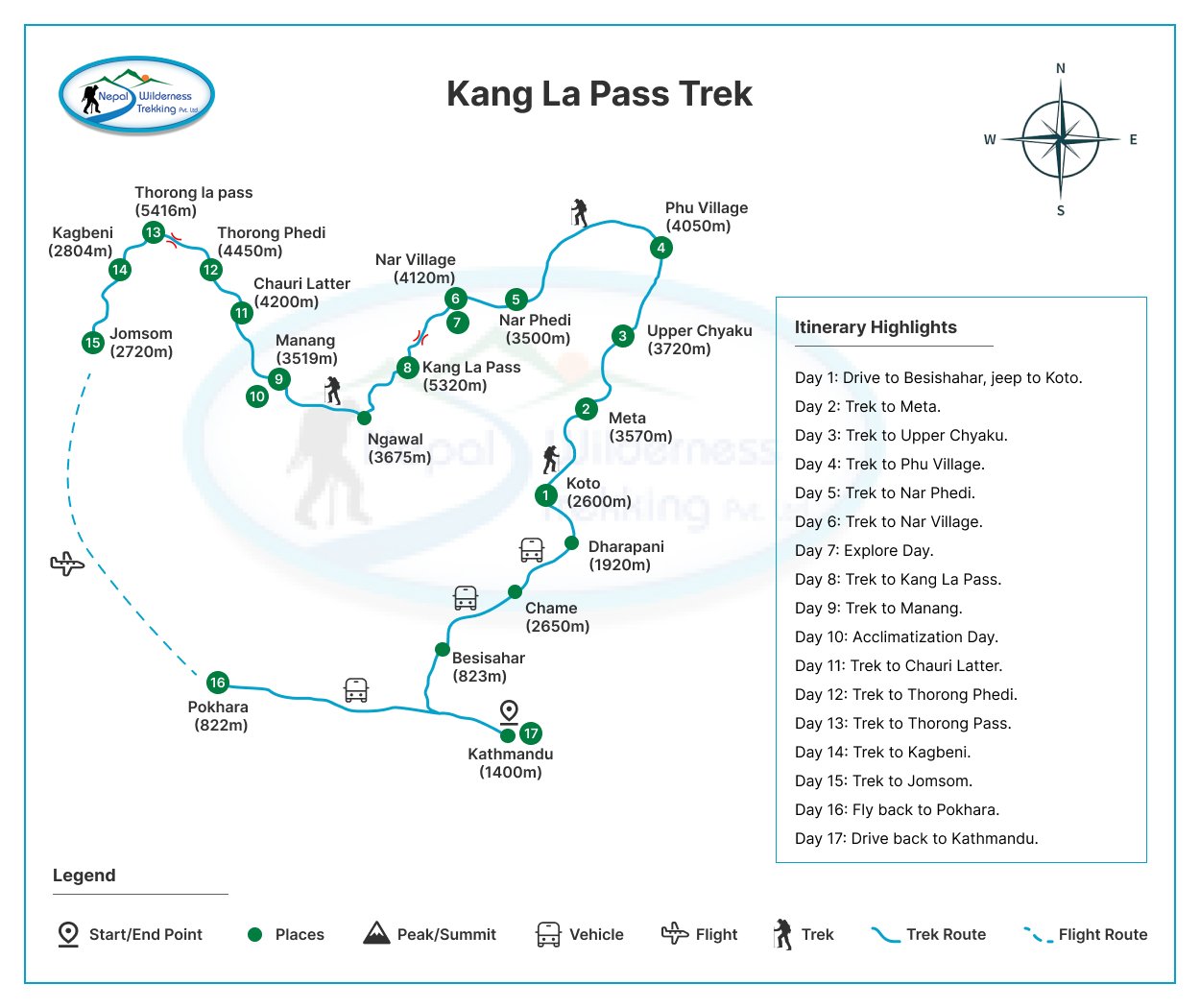
Your journey begins with an early departure from Kathmandu. A scenic drive follows the Prithvi Highway and Marshyangdi Valley, passing rivers, terraced hills, and rural settlements. After reaching Besisahar, you continue by jeep on a rough mountain road toward Koto, the gateway to Nar Phu Valley.
Koto is a quiet village surrounded by dense pine forest and steep hillsides. You’ll meet your trekking crew, check gear, and prepare for entering one of Nepal’s most restricted and remote trekking regions. Overnight at a teahouse in Koto.
After registering permits at the police checkpoint, the trail enters the narrow gorge of the Nar Khola. The path winds through dense pine, fir, and bamboo forests, with suspension bridges crossing deep ravines.
The route is remote and wild, with occasional waterfalls and rocky cliffs. You gradually gain altitude as the valley becomes more rugged. Meta is a windswept open plateau offering your first wide Himalayan views. Overnight in a basic lodge.
Today’s trek is shorter, allowing gradual acclimatization. The trail climbs gently through dry alpine terrain with dramatic cliffs and rock formations shaped by wind and time.
You may spot blue sheep and Himalayan griffons in this isolated landscape. Upper Chyaku is a small seasonal settlement used by herders. Overnight in a simple lodge or camp.
The trail continues deeper into the Phu Valley, one of the most culturally preserved Tibetan-influenced regions in Nepal. The landscape becomes increasingly barren and dramatic.
You pass ancient chortens, mani walls, and cave dwellings before reaching Phu Village, a centuries-old stone settlement. Phu Monastery overlooks the valley and reflects strong Tibetan Buddhist traditions. Overnight in a lodge.
Leaving Phu, you descend gradually through canyon-like terrain and cross suspension bridges over glacial streams. The trail connects back toward Nar Phedi, a peaceful monastery settlement.
Nar Phedi Monastery is an important spiritual site where trekkers often stay in simple monastery accommodation. The environment is quiet and deeply atmospheric. Overnight at monastery lodge.
A steady uphill climb leads toward Nar Village. The trail passes yak pastures and dry alpine ridges with views of the surrounding peaks.
Nar is a traditional stone village with strong Tibetan heritage, prayer wheels, and monasteries. The community is welcoming, and the cultural atmosphere is rich and authentic. Overnight in a lodge.
Today is reserved for rest and altitude adjustment. You can explore the village, visit monasteries, or hike short ridges above the settlement.
This day is essential before crossing Kang La Pass. Overnight in Nar.
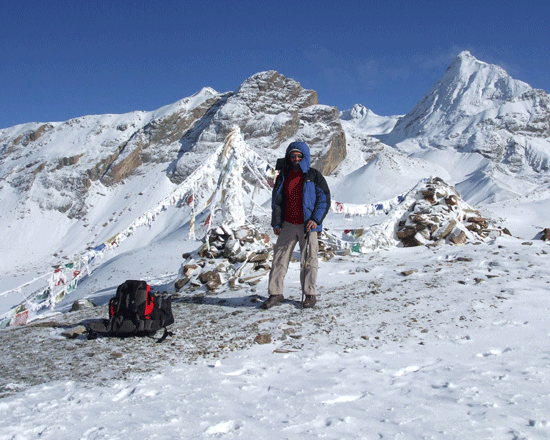
An early start leads to a long and challenging ascent to Kang La Pass. The climb is steep but rewarding, offering panoramic views of Annapurna II, Gangapurna, and Tilicho Peak.
After reaching the pass, you descend into the Annapurna region, entering greener valleys and alpine meadows. Ngawal is a beautiful traditional village with stone houses and mountain views. Overnight at a lodge.
A relatively easy trail follows the upper Pisang route, offering spectacular views of the Annapurna range. You pass Braga monastery, one of the oldest in the region.
Manang is a major trekking hub with bakeries, shops, and acclimatization facilities. Overnight at a lodge.
A rest day to adjust before Thorong La. Optional hikes include Gangapurna Lake or Chongkor viewpoint for altitude adaptation.
Overnight in Manang.
You begin gradual ascent into drier terrain. The landscape becomes more alpine and windy, with fewer settlements.
Chauri Latter is a small stopping point surrounded by high ridges. Overnight in a lodge.
A short but important trekking day brings you to Thorong Phedi, the base for Thorong La Pass.
This is a high-altitude preparation zone. Rest early for the big crossing. Overnight at lodge.
Start before sunrise for the most demanding day of the trek. The climb to Thorong La Pass is steep and cold, but the summit offers breathtaking Himalayan views.
After celebrating at the pass, descend into the Mustang region toward Muktinath, a sacred pilgrimage site for Hindus and Buddhists. Overnight at lodge.
Descend through dry Mustang landscapes, passing Jhong village and wind-swept terrain.
Kagbeni is a medieval-style village at the entrance of Upper Mustang with narrow alleys and Tibetan architecture. Overnight at lodge.
A gradual walk along the Kali Gandaki Valley, with strong afternoon winds.
Jomsom is a windy town with airport access and mountain views. Overnight at lodge.
Early morning flight to Pokhara offers stunning aerial views of Annapurna and Dhaulagiri ranges. Rest in Lakeside Pokhara.
Overnight at hotel.
Return to Kathmandu by tourist bus or private vehicle along scenic rivers and hills. End of trek.
Cost Included
- Nar and Phu Restricted Area (NRA) Permits.
- Annapurna Conservation Area Permit.
- Trekker's Information Management System (TIMS) Card.
- One English-speaking experienced guide and required porters, with 1 porter for every 2 trekkers. Note that if a single trekker, there will be an additional cost for the porter.
- Bus from Kathmandu to Besisahar and a sharing jeep from Besisahar to Chamje.
- Flight from Jomsom to Pokhara.
- One-night hotel stay in Pokhara Lakeside.
- Tourist bus ticket from Pokhara to Kathmandu.
- Meals: Italian, Chinese, Nepali, Indian, and various European dishes are available three times a day: breakfast, lunch, and dinner. One main course is provided per meal during the trek.
- Lodge accommodation throughout the trek.
- Staff salaries, equipment, meals, insurance, and other related expenses.
- First Aid Kit.
- Kitbag for storing your belongings.
- Sleeping bag for a comfortable night's sleep in sub-zero temperatures.
- Necessary paperwork, including all government and local taxes.
- A certificate of appreciation from Nepal Wilderness Trekking after the successful completion of the trek.
Cost Excluded
- Airfare for international flights
- Upon arrival at Tribhuwan International Airport, Nepal, entry visa fees vary by duration (15 days - $25-30, 30 days
- Accommodations in Kathmandu
- meals in Kathmandu and Pokhara before and after our journey
- Personal equipment for high and cold temperatures
- Emergency high-altitude rescue and evacuation are covered by travel insurance
- All beverages, Soft and caffeinated table drinks such as Coke, beer,
- Drinking water/mineral water, Dessert, etc. Hot shower, laundry
- Tip for the guide and porter
- Excluded are all costs and expenses not listed under "cost includes"
- Inclusion of costs or delays beyond the control of the management, such as landslides, weather conditions, itinerary modifications due to safety concerns, illness, changes in government policies, strikes, etc.
Trip Map
Frequently Asked Questions
The Kang La Pass Nar Phu trek is considered challenging due to high altitudes (up to 5,322 meters), remote terrain, variable weather, and technical sections. It requires good physical fitness, acclimatization, and trekking experience. Proper gear and a knowledgeable guide are recommended for a safe and enjoyable trek.
Trekkers typically walk 6 to 8 hours per day on the Kang La Pass Nar Phu trek, with variations depending on the day's itinerary and trail conditions.
Accommodations on the Kang La Pass Nar Phu trek are primarily basic tea houses or lodges with shared facilities. Some remote sections may involve camping.
Mobile network service in the Kang La Pass Nar Phu trekking area is limited and unreliable, especially at higher elevations. Trekkers should be prepared for sporadic or no connectivity.
In emergencies on the Kang La Pass Nar Phu trek, getting immediate assistance can be challenging due to the remote area. Trekking agencies have protocols, and having a satellite phone is recommended. Helicopter rescue may be needed, so travel insurance covering evacuations is crucial.
The best time for the Kang La Pass Nar Phu trek is during spring (April to June) and autumn (September to November) for stable weather and clear views. Monsoon season (July to August) is not recommended, and winter (December to February) brings challenging conditions.
For the Kang La Pass Nar Phu trek, you'll need an Annapurna Conservation Area Permit (ACAP) and a Restricted Area Permit (RAP) specifically for Nar Phu Valley.
Yes, Nar Phu Valley, part of the Kang La Pass Nar Phu trek, is a restricted area, requiring a Restricted Area Permit (RAP) along with the Annapurna Conservation Area Permit (ACAP). Verify the current permit requirements with local authorities or your trekking agency before starting the trek.
You can totally connect with the local people with their cultures and traditional and the isolated rocky mountains.
Start early in the morning on the day of crossing Kang La Pass for the Kang La Pass Nar Phu trek. The exact departure time will be provided by your trekking guide.