24 hours customer service +9779849693351

Lobuche Peak Climbing

Lobuche Peak Climbing

Peak Climbing In Nepal
Lobuche peak Climbing arranges from Dingboche

Trip Facts

Duration : 18 Days Max-Altitude : 6119 Program Type : Camping and tea house Best Season : Mar- April -May. Sep- Oct- Nov- dec Per Day Walking : 4/5 Trek Grade : Grade 4:

This is challenging and technical Trekking, climbing of Nepal, you most have to physically fit and mentally prepare, off the beaten trails, camping or challenging high passes Treks, at this level can he arranged for periods of 18 to 32 days. Typically, a gradual ascent through a green river valley will lead you up to a number of high passes, where you will reach the altitude of 5416m. Often times, you will get a close insight into the Tibetan culture. Participants should expect to trek above 5416m/17872ft. or climbing 6540m.

100%

600 Reviews

Start From

All price inclusive
$ 2800 $ 2670
USD per person

Group Price

No. of Persons Price per Person
1 Pax $2670
2 Paxes $2580
3-4 Paxes $2560
5-6 Paxes $2570
7-10 Paxes $2560
11-15 Paxes $2550
16+Paxes $2550

Number of Travellers

Overview

Lobuche Peak Climbing: Adventure in the Everest Region

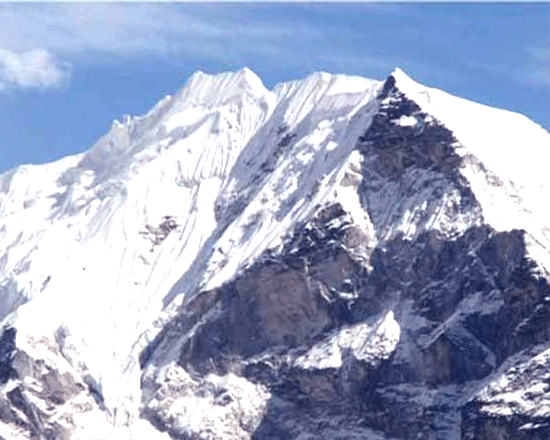
Lobuche Peak Climbing is one of the most exciting mountaineering adventures in Nepal. Standing at 6,119 meters (20,075 feet), Lobuche East offers a rewarding challenge for trekkers who want to step beyond trekking and experience real Himalayan climbing. Located in the legendary Khumbu region, this beautiful peak rises above glaciers, rocky ridges, and deep valleys close to the towering Mount Everest.

For many trekkers visiting Nepal, Lobuche Peak Climbing is the perfect way to combine trekking in the Everest region with an achievable Himalayan summit. The journey follows the famous Everest Base Camp route through Sherpa villages, alpine forests, and high mountain landscapes before reaching the climbing section. Because of this combination of trekking, culture, and mountaineering, Lobuche Peak has become one of the most popular trekking peaks in Nepal.

Introduction to Lobuche Peak Climbing

Lobuche Peak is divided into two main summits: Lobuche East and Lobuche West. Among them, Lobuche East is the recognized trekking peak and is open to climbers with a special permit from the Nepal Mountaineering Association (NMA). Although the climb is considered technical compared with other trekking peaks, it remains achievable for fit trekkers who have basic mountaineering skills.

Lobuche Peak Climbing is especially attractive because of its location in the Everest region. The climb is near several famous Himalayan peaks, including LhotseNuptse, and Ama Dablam. As a result, climbers enjoy one of the most spectacular mountain panoramas in Nepal.

Many trekkers combine Lobuche Peak Climbing with the classic Everest Base Camp trek. This enables proper acclimatization and allows climbers to experience Sherpa culture and traditions.

Why Choose Lobuche Peak Climbing

There are many reasons why Lobuche Peak Climbing is considered one of the best trekking peak adventures in Nepal.

First, the mountain offers a real climbing experience. Unlike simple trekking peaks, the summit route includes glacier travel, snow slopes, and fixed rope sections. Therefore, climbers gain valuable mountaineering experience while still climbing an achievable peak.

Second, the journey passes through one of the most famous trekking regions in the world. Trekkers walk through traditional Sherpa villages, visit ancient monasteries, and enjoy incredible Himalayan landscapes.

Another reason is the breathtaking view of the summit. From the top of Lobuche Peak, climbers can see a dramatic panorama of the Everest Himalaya. Mountains such as Mount Everest, Lhotse, Pumori, and Cho Oyu dominate the skyline.

Finally, Lobuche Peak Climbing fits well into a standard Everest trekking itinerary. Most climbers spend about three weeks in the region, which allows enough time for acclimatization and safe climbing.

Route to Lobuche Peak

The journey usually begins with a scenic flight from Kathmandu to Lukla. This short but dramatic flight offers incredible views of the Himalayas and lands at one of the most famous mountain airports in the world.

After arriving in Lukla, the trekking route follows the classic trail through the Everest region. Trekkers walk through villages such as Namche Bazaar, the main trading center of the Khumbu area. Namche Bazaar is also an important acclimatization stop where trekkers adjust to the higher altitude.

The journey continues through beautiful villages, including Tengboche, home to the famous Tengboche Monastery. This monastery is one of the most important spiritual centers for the Sherpa community.

From Tengboche, the trail climbs gradually through alpine terrain toward Dingboche and eventually reaches Lobuche.

Near Lobuche village, climbers leave the main Everest Base Camp route and move toward Lobuche Base Camp. This marks the beginning of the climbing phase of the expedition.

Lobuche Peak Base Camp and High Camp

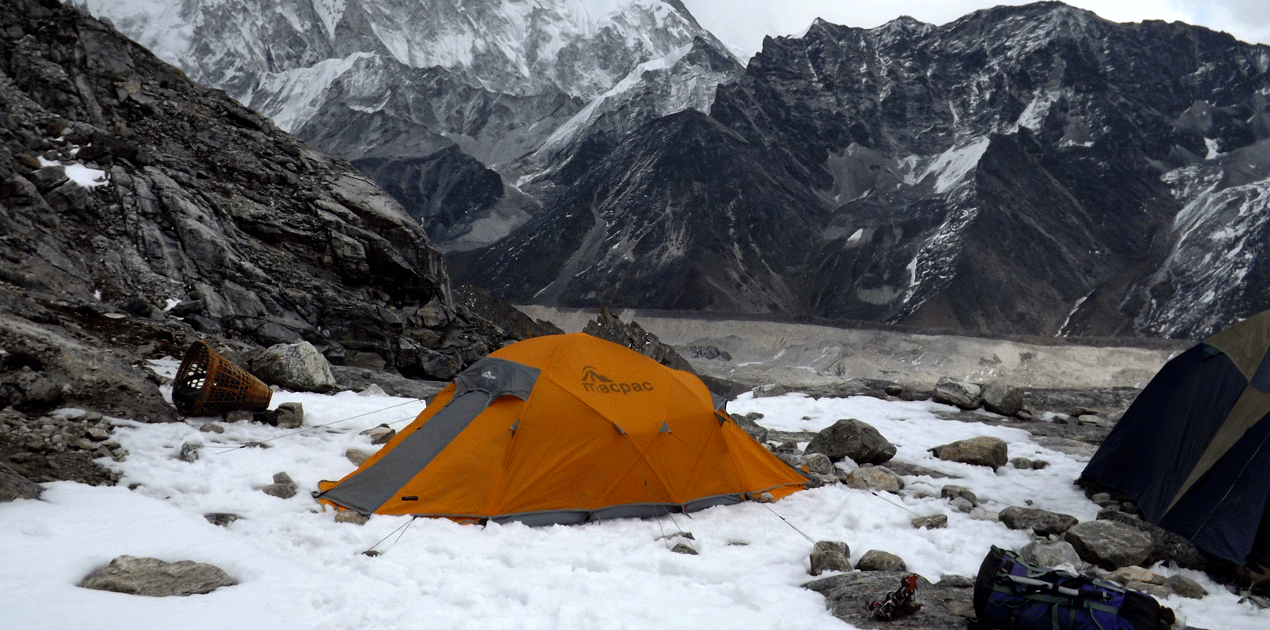
At Lobuche Base Camp, climbers rest and prepare for the summit attempt. The camp sits on a rocky terrace surrounded by towering Himalayan peaks and glaciers.

From Base Camp, climbers move to High Camp, which is located on a steep slope above the glacier. The climb to High Camp involves scrambling over rocky terrain and crossing sections of glacial ice.

At High Camp, the climbing team prepares its equipment for the summit push. Guides provide training in the use of crampons, ice axes, and ropes. This preparation helps climbers gain confidence before attempting the summit.

Summit Day Experience

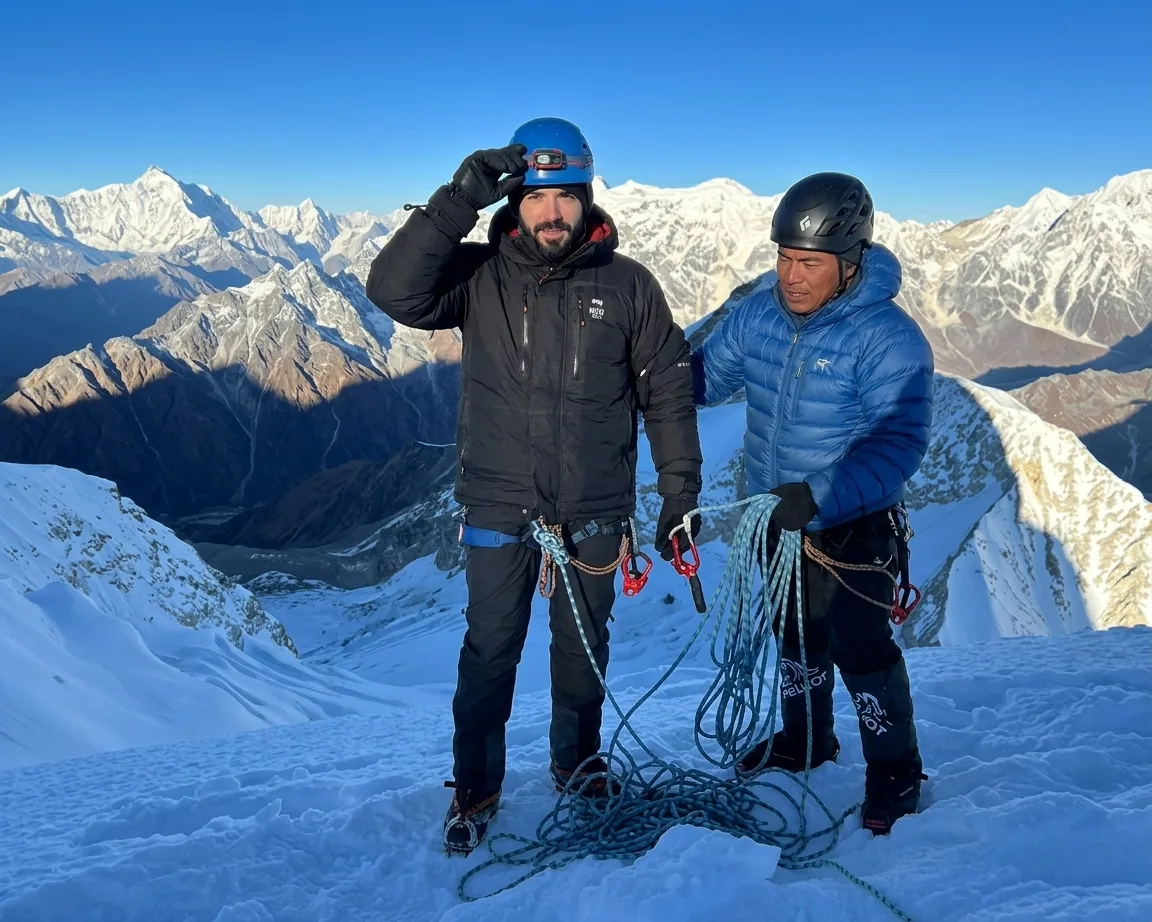
Summit day usually begins very early in the morning, often around midnight or 1 a.m. Climbers move slowly across snow slopes and glacier sections under the light of headlamps.

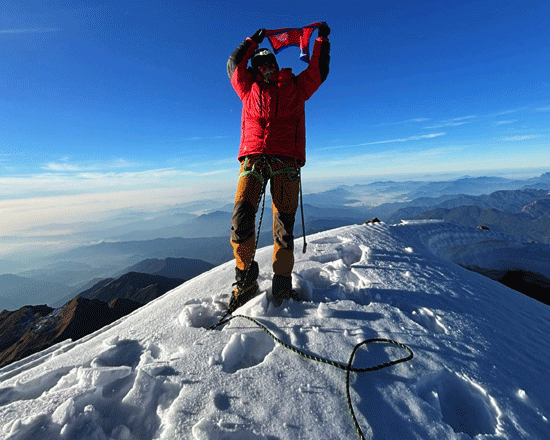
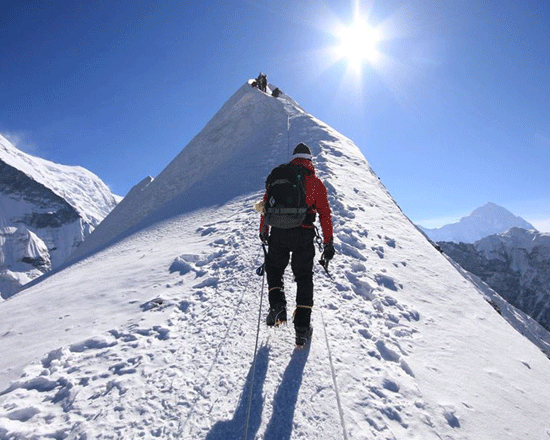
As the climb continues, the route becomes steeper. Fixed ropes help climbers safely ascend the final snow ridge leading to the summit. Although this section is physically demanding, the reward at the top makes every step worthwhile.

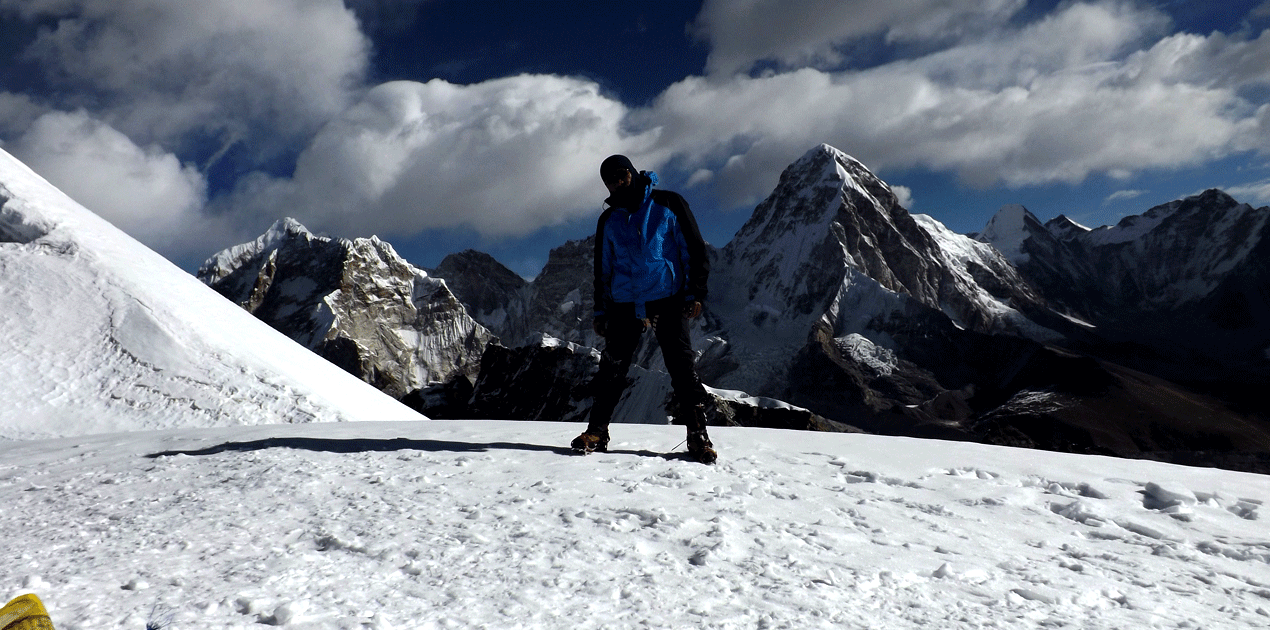
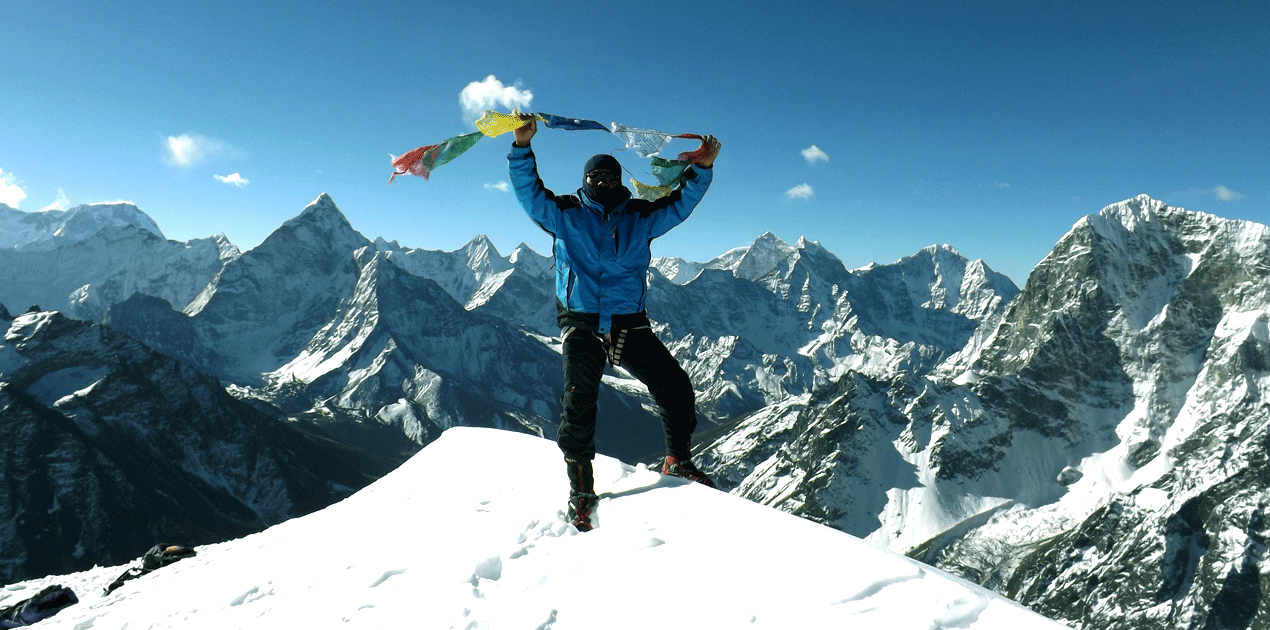
The summit of Lobuche Peak offers one of the most breathtaking views in the Himalayas. From the top, climbers enjoy a panoramic view of towering peaks, including Mount Everest, Nuptse, Lhotse, and Ama Dablam.

After celebrating the summit achievement, climbers carefully descend back to High Camp and later return to Base Camp.

Best Season for Lobuche Peak Climbing

The best seasons for Lobuche Peak Climbing are spring and autumn.

Spring, from March to May, offers stable weather, blooming rhododendron forests, and excellent mountain views. During this time, climbers also see many Everest expeditions preparing for the climbing season.

Autumn, from September to November, is another ideal period. After the summer monsoon, the skies become clear and the mountain views are spectacular.

Winter climbing is possible but much colder, while the monsoon season is generally not recommended due to heavy rain and poor visibility.

Difficulty and Required Skills

Lobuche Peak Climbing is considered a challenging trekking peak. Climbers need good physical fitness and the ability to walk for several hours each day at high altitude.

Although advanced mountaineering experience is not always required, climbers should have basic knowledge of using crampons, ice axes, and climbing ropes. Many climbers gain this experience during pre-climb training at Base Camp.

Proper acclimatization is also essential. The trekking route includes several rest days to help the body adjust to the high altitude.

Cultural Experience in the Everest Region

One highlight of Lobuche Peak Climbing is the cultural experience along the trekking route. The Khumbu region is home to the Sherpa people, known for their mountaineering skills and rich cultural traditions.

Trekkers often visit ancient monasteries, prayer walls, and colorful Buddhist stupas during the journey. The hospitality of the Sherpa community adds a special cultural dimension to the adventure.

Festivals, traditional cuisine, and mountain village life offer deeper insight into Himalayan culture.

Permits Required for Lobuche Peak

Climbers need several permits for Lobuche Peak Climbing. These include a trekking peak climbing permit issued by the Nepal Mountaineering Association.

In addition, trekkers must obtain permits for entering Sagarmatha National Park, which protects the unique environment and wildlife of the Everest region.

Local permits from the Khumbu region may also be required depending on the route.

Preparation for the Climb

Good preparation is essential for a successful climb of Lobuche Peak. Trekkers should train for endurance, strength, and cardiovascular fitness before arriving in Nepal.

Regular hiking, stair climbing, and altitude training can help improve performance during the trek. In addition, climbers should become familiar with basic mountaineering gear and techniques.

Proper equipment is also essential. This includes warm clothing, climbing boots, crampons, harnesses, and sleeping gear designed for high-altitude conditions.

Why Climb Lobuche Peak with Nepal Wilderness Trekking

Climbing Lobuche Peak with an experienced local company ensures a safe and well-organized adventure. Professional guides provide valuable knowledge about the mountain, weather conditions, and safe climbing techniques.

Local trekking companies also support the regional economy and create employment opportunities for guides, porters, and local communities.

With proper planning, experienced guides, and strong teamwork, Lobuche Peak Climbing becomes an unforgettable Himalayan adventure.

Detail Itinerary

Your adventure begins with an early morning flight from Kathmandu to Lukla, offering spectacular aerial views of the Himalayas. After landing, meet your trekking crew and begin a gentle descent into the Dudh Koshi Valley.

The trail passes through Chheplung and small Sherpa settlements, following riverside paths lined with prayer flags, mani walls, and suspension bridges. The walk is relaxed, allowing gradual adjustment to altitude.

Phakding is a quiet riverside village with teahouses surrounded by pine forest and mountain streams.

Overnight at a teahouse in Phakding.

The trail follows the Dudh Koshi River, crossing several high suspension bridges including the famous Hillary Bridge. You enter Sagarmatha National Park at Monjo, where permits are checked.

The final climb to Namche Bazaar is steep and demanding but rewarding, with first glimpses of Everest (weather permitting). Namche is a bustling Sherpa town with bakeries, gear shops, museums, and panoramic viewpoints.

Overnight at a teahouse in Namche.

Today is for altitude adaptation. A popular hike leads to the Everest View Hotel, offering sweeping views of Everest, Lhotse, Ama Dablam, and Thamserku.

You can also visit the Sherpa Culture Museum and explore Khumjung village. This day is crucial for safe acclimatization before heading higher into the Khumbu.

Overnight in Namche.

Leaving the main Everest trail, you head toward the peaceful Thame Valley. The trail is quieter, passing through pine forests, mani walls, and traditional Sherpa settlements.

Thame is a culturally significant village known for its ancient monastery and history of famous Everest climbers. The atmosphere is calm and deeply spiritual.

Overnight at a teahouse in Thame.

The trail ascends gradually through remote valleys and yak grazing areas. You pass small settlements and alpine landscapes with increasingly rugged terrain.

Lungden is a high-altitude settlement used by yak herders and trekkers crossing Renjo La Pass. The environment is quiet and isolated.

Overnight at a teahouse.

A challenging but rewarding day begins early. The ascent to Renjo La Pass is steep, with loose rock and snow sections depending on season.

From the top, you are rewarded with one of the finest Himalayan panoramas—Everest, Lhotse, Makalu, Cho Oyu, and the Gokyo lakes system below.

A long descent brings you to Gokyo village beside the turquoise third lake.

Overnight at a teahouse in Gokyo.

Early morning hike to Gokyo Ri offers one of the best viewpoints in the Himalayas, with dramatic views of Everest, Makalu, Cho Oyu, and the vast Ngozumpa Glacier.

Later, hike toward the Fifth Gokyo Lake for remote alpine scenery and glacier reflections.

Return to Gokyo for overnight.

Descend along glacial moraine and rocky terrain beside the Ngozumpa Glacier. The trail becomes more rugged as you approach Thangnak, a small settlement at the base of Cho La Pass.

This is an important rest stop before the next major crossing.

Overnight at a teahouse.

One of the toughest sections of the route, Cho La Pass involves steep ascent, icy sections, and glacier terrain.

From the pass, enjoy dramatic views of Ama Dablam, Cholatse, and surrounding peaks before descending carefully to Dzongla.

Overnight at a teahouse in Dzongla.

Follow the glacier valley route toward Lobuche, passing memorials dedicated to climbers who lost their lives on Everest.

In the evening, meet your climbing guide for a detailed briefing on Lobuche East Peak preparation.

Overnight at teahouse in Lobuche.

A short but steep climb brings you to High Camp. The terrain becomes rocky and exposed, with strong winds and dramatic views.

Prepare climbing gear and rest early for the summit push.

Overnight at High Camp.

Early morning ascent via snow slopes and fixed ropes (depending on conditions). From the summit, enjoy breathtaking views of Everest, Lhotse, Nuptse, and Ama Dablam.

Descend safely back to Lobuche for rest.

Trek along the Khumbu Glacier toward Everest Base Camp, passing through glacial moraine terrain and seasonal expedition camps.

After spending time at base camp, return to Gorakshep for overnight stay.

Early morning hike to Kala Patthar for the best close-up view of Mount Everest at sunrise.

Descend via Lobuche to Pheriche, a wide valley settlement with stunning mountain surroundings and a health post.

Overnight at teahouse.

Descend through rhododendron forests and river valleys back to Tengboche. Visit the famous monastery, one of the spiritual centers of the Khumbu region.

Overnight at teahouse.

Continue descending through pine forests, bridges, and Sherpa villages. Arrive in Namche for a comfortable rest and celebration.

Overnight at lodge.

Final trekking day through familiar valleys and suspension bridges. Celebrate the completion of your journey in Lukla with your team.

Overnight at teahouse.

Early morning flight back to Kathmandu with spectacular Himalayan views. Transfer to hotel and end of service.

Cost Included

  • Round-trip domestic flight tickets: Kathmandu / Ramechhap – Lukla – Ramechhap.
  • Meals: Italian, Chinese, Nepali, Indian, and various European dishes are available three times a day: breakfast, lunch, and dinner. One main course is provided per meal during the trek.
  • Accommodation in teahouses as per the itinerary (twin-sharing basis).
  • Sleeping bag suitable for a comfortable night on the trek, down to –25°C.
  • Everest National Park Entrance Trekking Permit.
  • Khumbu Pasang Lhamu Rural Municipality Entrance Permit.
  • Experienced English-speaking, government-licensed trekking guide.
  • Porters: 1 porter for every 2–3 trekkers; solo trekkers require an additional porter at extra cost.
  • Guide and porter meals, accommodation, salary, and insurance.
  • All necessary paperwork, including government and local taxes.
  • Kitchen equipment during peak climbing period: trekking tents, dining tents, kitchen tents, toilet tents, tables, chairs, and mattresses.
  • Climbing equipment: ropes, ice screws, snow anchors.
  • Base camp staff support.
  • Climbing Sherpa for summit attempt.
  • Service charges.
  • Equipment fees for the climbing guide.
  • Peak climbing permit
  • Meals from base camp to base camp during the climbing period.
  • Climbing gear provided: crampons, harnesses, ice axes, screw gear, and carabiners.
  • Meals, accommodation, salary, and insurance for the guide and porter throughout the climbing.
  • All necessary paperwork, government, and local taxes related to trekking and climbing.

Cost Excluded

  • International flights to and from Nepal.
  • Accommodation and meals in Kathmandu.
  • Kathmandu hotel accommodation.
  • All beverages, including tea, coffee, bottled water, soda, and other drinks.
  • Climbing boots and other personal trekking or climbing gear (unless rented separately).
  • Travel insurance and trekking/climbing insurance (mandatory). emergency rescue and helicopter evacuation (must be covered by personal insurance).
  • Personal expenses such as snacks, souvenirs, laundry, Wi-Fi, and battery charging.
  • Tips for guides, porters, and drivers (recommended but at the traveler’s discretion).
  • Cultural visits or excursions outside the itinerary (e.g., museums or extra hikes).
  • Equipment rental for climbing (can be arranged separately).
  • Additional costs due to delays from weather, flight cancellations, landslides, or other natural events.
  • Personal medical expenses are not covered by the group first-aid kit.
  • All costs and expenses not listed under "Cost Includes" are excluded.
  • Please note that unforeseen factors, such as landslides, weather conditions, itinerary changes for safety reasons, illness, government policy changes, or strikes, may affect costs or cause delays.
Trip Dates Trip Price Confirmed Pax Trip Status
May 26, 2026 US$ 2580 Join a Group Book Now
May 30, 2026 US$ 2580 Join a Group Book Now
September 8, 2026 US$ 2580 Join a Group Book Now
September 12, 2026 US$ 2580 Join a Group Book Now
September 17, 2026 US$ 2580 Join a Group Book Now
September 22, 2026 US$ 2580 Join a Group Book Now
September 27, 2026 US$ 2580 Join a Group Book Now
September 30, 2026 US$ 2580 Join a Group Book Now
October 7, 2026 US$ 2580 Join a Group Book Now
October 11, 2026 US$ 2580 Join a Group Book Now
October 15, 2026 US$ 2580 Join a Group Book Now
October 20, 2026 US$ 2580 Join a Group Book Now
October 25, 2026 US$ 2580 Join a Group Book Now
October 30, 2026 US$ 2580 Join a Group Book Now
November 7, 2026 US$ 2580 Join a Group Book Now
November 12, 2026 US$ 2580 Join a Group Book Now
November 17, 2026 US$ 2580 Join a Group Book Now
November 23, 2026 US$ 2580 Join a Group Book Now
November 26, 2026 US$ 2580 Join a Group Book Now
November 30, 2026 US$ 2580 Join a Group Book Now
December 7, 2026 US$ 2580 Join a Group Book Now
December 12, 2026 US$ 2580 Join a Group Book Now
December 17, 2026 US$ 2580 Join a Group Book Now
December 22, 2026 US$ 2580 Join a Group Book Now
December 16, 2026 US$ 2580 Join a Group Book Now

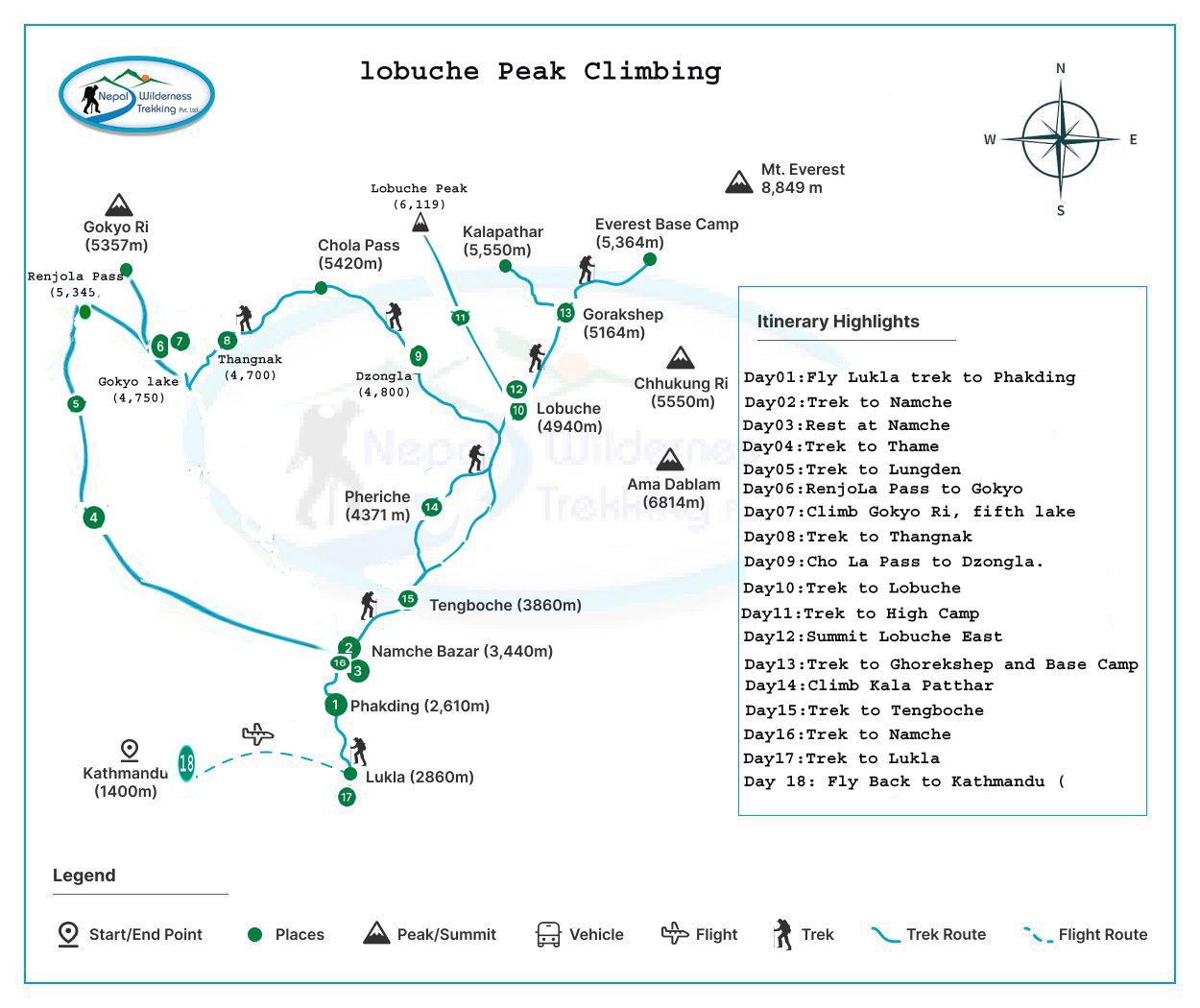
Trip Map

Frequently Asked Questions

Lobuche Peak stands at 6,119 meters (20,075 feet) and is classified as a trekking peak in Nepal.
The ideal climbing seasons are pre-monsoon (March–May) and post-monsoon (September–November), when the weather is stable and the skies are clear.
While basic mountaineering skills are required for the final ice slope, climbers with previous high-altitude trekking experience can attempt the summit with proper guidance and training.
Essential gear includes crampons, ice axes, harnesses, ropes, helmets, and appropriate high-altitude clothing. Your trekking agency usually provides guidance and can arrange rental gear if needed.
The climb involves steep snow slopes, glacier crossings, rocky scrambles, and ice slopes. The South Ridge route is considered safe for climbers with good fitness and basic mountaineering skills.
The trek usually starts from Lobuche Valley, accessible from Everest Base Camp or Gokyo Lakes. This route helps with gradual acclimatization.
A typical itinerary lasts 12–15 days, including trekking, acclimatization, and the summit attempt. The exact duration may vary depending on the group pace and weather conditions.
Yes, hiring a licensed climbing guide and porter is strongly recommended for safety, carrying equipment, and navigation on technical sections
Yes, it is a popular choice for adventurous trekkers attempting their first Himalayan summit, provided they are physically fit and have prior trekking experience.
Climbers need a trekking peak permit from the Nepal Mountaineering Association (NMA), along with the standard Sagarmatha National Park entry permit and TIMS card.

Altitude Chart

Enquiry


Similar Packages

Mardi himal climb
7 Days
$ 1700
Larke peak photo
17 Days
$ 2900
Bokta peak climbing
20 Days
$ 4800
Chulu west
17 Days
$ 3500
gangchempo peak climbing
20 Days
$ 8000
langshisha peak
14 Days
$ 3000
Sign Up for free newsletter
Follow Us