Renjo la pass
Renjo la pass
Everest Region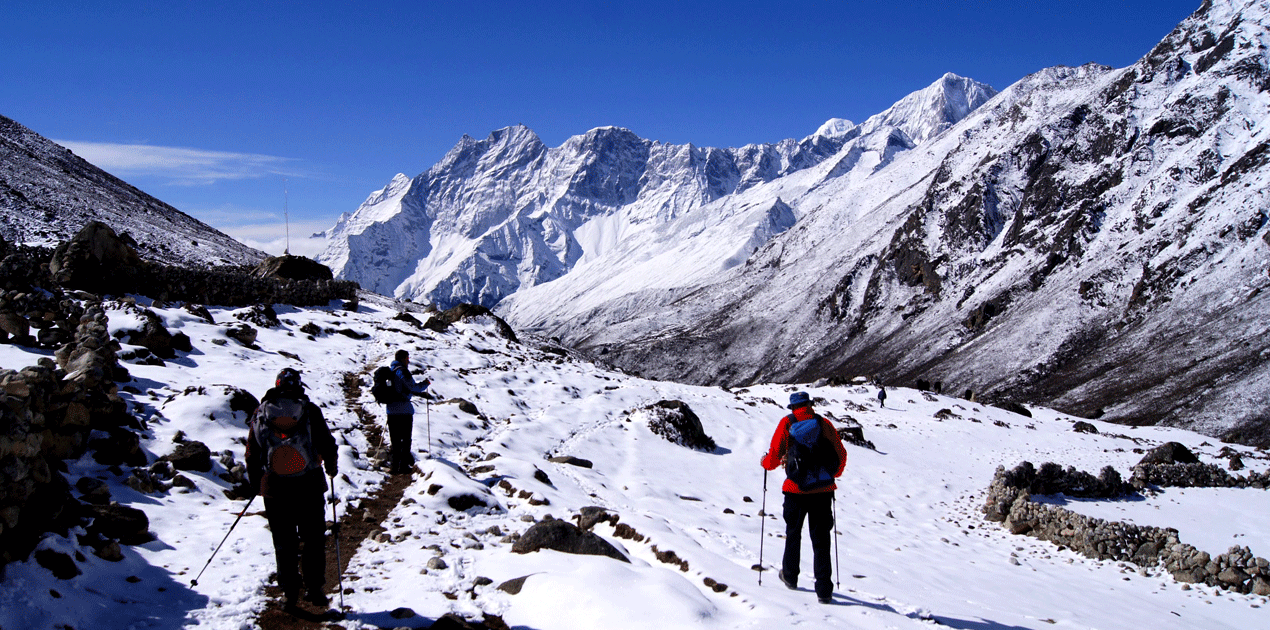
Trip Facts
Duration : 10 Days
Max-Altitude : 5357 m
Program Type : Tea House
Best Season : Sep to Dec, March to Aug
Per Day Walking : 6/7 Hours
Trek Grade :
Grade 3:
Since the terrain can be hard and the days long, hikers on these treks should be in good physical condition and have some previous mountain walking experience. Steep climbing may be involved, although it is never necessary to use ropes. Treks at this level can he arranged for periods of 16 to 21 days. Typically, a gradual ascent through a green river valley will lead you up to a number of high passes, where you will reach the altitude of 5416m. Often times, you will get a close insight into the Tibetan culture. Participants should expect to trek above 5416m/17872ft.
Mode of Travel : Flight/Land Hold Your Guide : Navaraj Rai100%
807 Reviews
Overview
Gokyo Renjo la Pass Trek 10-day Itinerary
The Renjo La Pass (5,360 m / 17,585 ft) is one of the most scenic and peaceful high mountain crossings in the Everest region of Nepal. Located inside Sagarmatha National Park, it connects the beautiful Gokyo Valley with the traditional Sherpa village of Thame, northwest of Namche Bazaar.
Unlike the busy Everest Base Camp trail, Renjo La offers a more remote, less crowded alternative route, making it ideal for trekkers seeking solitude, dramatic landscapes, and authentic Himalayan culture.
Renjo La lies near the historic Nangpa-La Pass, an ancient trade route used by Tibetan traders traveling between Tibet and the Khumbu region. For centuries, yak caravans carried salt, wool, and grain across these high mountain passes to Namche Bazaar.
Walking near Renjo La gives trekkers a sense of stepping into this historical Himalayan corridor, where trade, culture, and mountain life were deeply connected.
Key Highlights & Details
-
Maximum Altitude: Renjo La Pass 5,360 m (17,585 ft).
-
Location: Situated in Sagarmatha National Park, connecting Gokyo Valley and the village of Lungden.
-
Duration: Typically 10–14 days from Lukla, depending on acclimatization and the walking pace.
-
Distance: Approximately 90–110 km for the full loop.
-
Difficulty: Moderate to hard; considered the easiest of the three high Everest passes (compared to Cho La and Kongma La).
-
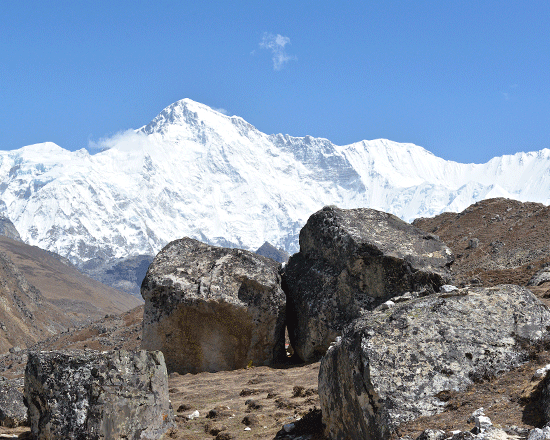
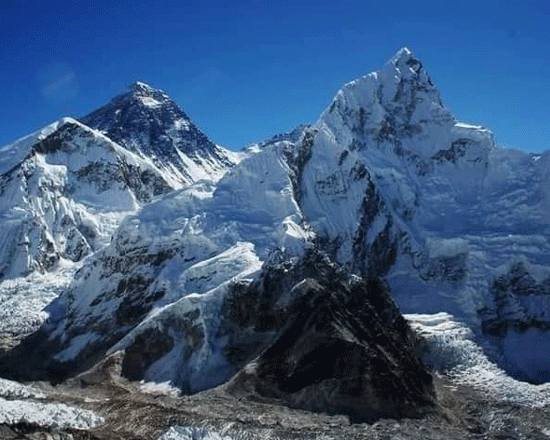
Scenery: Stunning views of Gokyo Lakes, Ngozumpa Glacier, Mount Everest, Lhotse, Nuptse, and Cho Oyu.
-
Best Time to Visit:
-
Pre-monsoon (March–May) – blooming rhododendrons.
-
Post-monsoon (September–November) – crystal-clear mountain views.
-
-
Permits Required: Sagarmatha National Park Entry Permit and Khumbu Pasang Lhamu Rural Municipality Permit.
-
Accommodation: Traditional teahouses (lodges) offering basic, standard, and luxury rooms; meals usually included.
-
Requirements: Good physical fitness and proper acclimatization to prevent altitude sickness.
Why is Renjo La Special?
Renjo La Pass is part of the famous Everest Three Passes Trek, linking the Gokyo Lakes to the Everest Base Camp route via Cho La Pass. However, many trekkers choose Renjo La specifically because:
-
It is generally considered less technical than Cho La Pass.
-
The trail is less crowded, especially compared to the main EBC route.
-
It provides a unique approach to the Gokyo Valley from Thame and Lungden.
-
It offers arguably the most beautiful Gokyo Lake Everest combined view in the region.
Enjoy Comfort & Create Memories at Renjo La Pass for the best memory
-
Recharge Yourself and Your Devices: The top of Renjo La Pass often has a small charging station for mobile devices, allowing trekkers to power their cameras or phones for capturing every moment. The smart decision is made to let the traveller enjoy and capture the moment if the device is dead while reaching the top.
-
Warm Refreshments: Celebrate the success of a 5,000+ meter Himalayan pass, stop for the rest to hydrate, and head down to Gokyo Lake Valley.
-
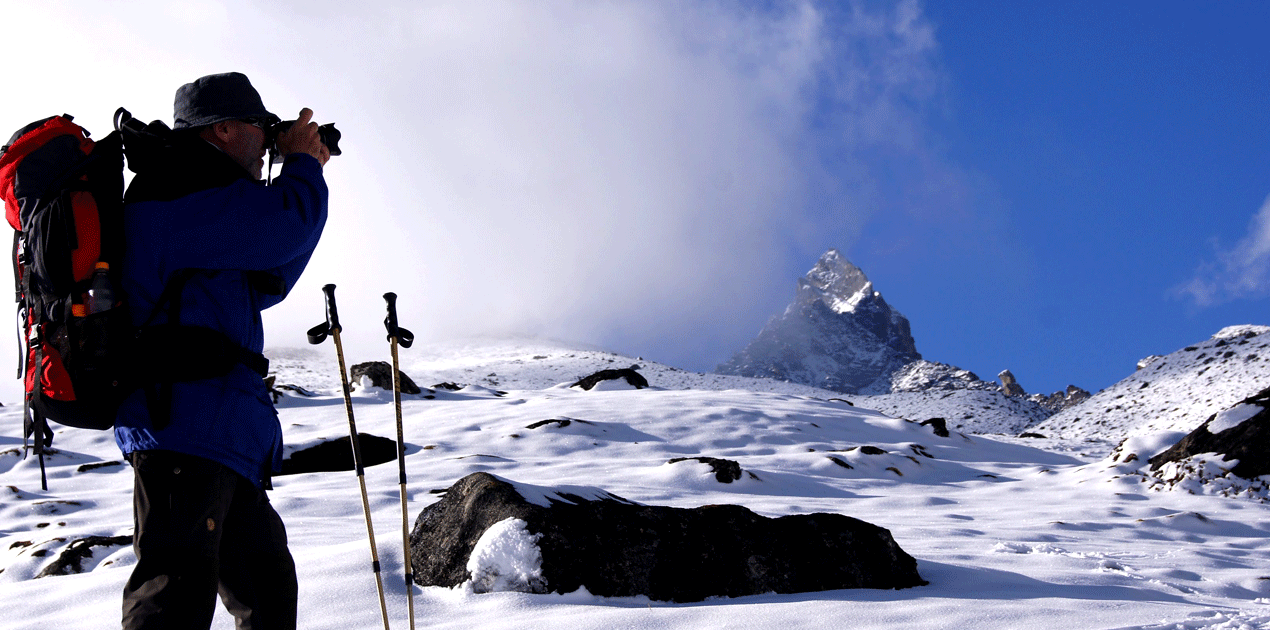
Capture the Moment: The top offers perfect photo opportunities, with Gokyo Lakes, the Ngozumpa Glacier, and Everest in the background.
-
Make Memories: At an elevation of 5,360 m, sipping tea, snapping pictures, and soaking up the atmosphere create memories that last a lifetime.
Renjo La Pass Difficulty
This trek is moderately challenging.
1. High Altitude
-
At over 5,000 meters, oxygen levels are about 50% of sea level, making every step more physically demanding.
-
Trekkers are at risk of Acute Mountain Sickness (AMS) if they ascend too quickly. Even fit and experienced trekkers can feel breathless and fatigued.
-
Proper acclimatization in Namche Bazaar or Thame for the clockwise direction, but for the anticlockwise direction, a rest day in Gokyo is highly recommended.
2. Weather Challenges
-
High winds, sudden snow, or fog can reduce visibility, making navigation and footing more difficult.
-
Temperature drops sharply at higher altitudes; daytime sun may feel warm, but exposure on the pass is cold.
3. Physical & Mental Endurance
-
Trekkers must carry their personal gear, snacks, and water while climbing the pass.
-
Maintaining focus and energy over several hours at high altitude is mentally challenging.
Ascending Trail to Renjo La Pass
The ascending route (typically from Lungden or Thame toward Renjo La) includes:
-
Thame Village → Lungden (Base of Pass)
-
Moderate uphill trek through rhododendron forests and small Sherpa settlements.
-
Gentle acclimatization begins here; short hikes to the monastery for the higher altitude.
-
-
Lungden → Renjo La Bass
-
The path becomes rockier and steeper.
-
Trails cross moraine slopes, and you may encounter loose gravel or icy patches in colder months.
-
-
Renjo La Base → Renjo La Top
-
Final ascent is steep, exposed, and thin air, requiring slow, steady pacing.
-
Stunning views open up gradually: Ngozumpa Glacier on one side, Gokyo Lakes below, and Everest in the distance.
-
Often, trekkers take short breaks for photos, tea, or snacks, both for acclimatization and enjoyment.
-
Descending Trail from Renjo La Pass
The descent (toward Gokyo Valley or Dole) is easier in some ways but has its own challenges:
-
Renjo La Top → Renjo La Base
-
Steep descent over scree and loose stones can strain knees and ankles.
-
Trekking poles are recommended for stability.
-
-
Renjo La Base → Gokyo Village
-
Gradual slopes through open terrain, with occasional stone steps or small streams.
-
The path offers panoramic views of Gokyo Lakes; careful footing is still required, especially in wet or snowy conditions.
-
-
Optional Side Hikes
-
Gokyo Peak (5,357 m) can be climbed for additional views.
-
Short hikes to surrounding ridges may involve rocky or icy terrain, requiring stamina.
-
Tips for Handling the Difficulty
-
Acclimatize well: Spend at least 1–2 days at Namche or Thame.
-
Pace yourself: Slow, steady walking helps avoid fatigue and altitude sickness.
-
Stay hydrated: Drink water frequently; dehydration worsens altitude sickness.
-
Use trekking poles: They reduce stress on knees and improve balance.
-
Layer clothing: Weather can change rapidly; carry windproof and warm layers.
-
Rest and refuel: Tea, snacks, and breaks are vital on the ascent and descent.
Trekking itinerary and Route
The Renjo la Pass itinerary typically begins with a scenic flight to Lukla, followed by a trek alongside the captivating Dudh Koshi River, eventually leading to Namche Bazaar. After a day of rest in Namche for acclimatization, trekkers continue their journey towards Renjo La Top, passing through the charming Sherpa village of Thame. This route is known for being less crowded compared to the Tengboche side, offering a more serene experience. Basic accommodation options are available in Lungden, making it a convenient stop along the way. Once the Gokyo Valley is explored, the return trek follows a route back to Dole, Namche, and Lukla, and concludes with a flight back to Kathmandu.
During the Renjo La Trek, there are opportunities to ascend several peaks if one has extra days to spare. Sundar Peak in Thame and Nangkartshang Peak, also known as Lungden Peak, are two notable options. Lungden Peak, standing at an impressive 5,100 meters above sea level, is located along the ridge of the Renjo La pass. As a result, trekkers have the possibility of summiting Lungden Peak on the same day they pass through Lungden village en route to Renjo la. These additional peaks offer an exciting challenge and a chance to elevate the trekking experience through the breathtaking surroundings.
About Sundar Peak
The Sundar Peak is 536o m above sea level and can be summited during your Renjola Pass trek. The Sunder Peak is situated directly above the village of Thame. While this peak is easily accessible, a winding path straight up begins at the gompa above Thame; however, if you have a few extra days, we recommend adding a trip to Sundar Peak to complete the trip.
Our full board package of the Renjo la trek itinerary is from Kathmandu to Kathmandu. The cost includes round-trip flight, experienced guide, strong supportive porters, equipment, and insurance for the staff, lodge accommodations during the trip, three times meals, national park entry fee, Pasang Lhamu Rural Municipality Entrance Permit, etc.
Physical fitness level
What’s crucial is a willingness to prepare physically and mentally, and to respect the demands of the environment. It is recommended to take a walk for a few hours a day for a month to maintain your stamina during the trek. Proper acclimatization ensures trekkers can fully enjoy the journey, absorbing the breathtaking landscapes and immersing themselves in the local culture. Ensure that you bring the recommended Trekking equipment list. Remember, quality trekking equipment can make your trip enjoyable, while poor one can make it miserable.
Renjo La Pass vs Cho La Pass
- Renjo La (5,360 m): Less crowded, connects Gokyo with Thame, easier ascent, best Everest + lake views.
- Cho La (5,420 m): Steeper, icier, connects Gokyo with the EBC trail, more popular.
Trekkers who prefer quiet scenic beauty choose Renjo La, while those heading to Everest Base Camp often cross Cho La.
This Trek is ideal for:
-
Experienced trekkers seeking a quieter Everest experience
-
Adventurers who have already visited Everest Base Camp
-
Photographers looking for dramatic landscapes
-
Trekkers wanting to combine culture, lakes, glaciers, and high passes
With proper acclimatization and preparation, Renjo La Pass becomes one of the most rewarding high-altitude experiences in Nepal.
Best Time for the Renjo La Pass Trek
-
Spring (March–June): Blooming rhododendrons, green valleys, warm days, and clear skies. Trails are less crowded compared to the peak EBC season.
-
Autumn (September–December): Stable weather, crystal-clear mountain views, and mild daytime temperatures. A great time for uninterrupted Himalayan panoramas.
-
Winter (Dec–Feb): Possible but challenging due to heavy snow and very low temperatures.
-
Monsoon (Jun–Aug): Not recommended due to rainfall, leeches, and poor visibility.
Both spring and autumn are the ideal seasons for this trek.
Why Trek with Nepal Wilderness Trekking?
If you’re planning to do the Gokyo Lake Renjo La Pass Trek or the Renjo La Circuit Trek, Nepal Wilderness Trekking Pvt. Ltd. offers expert-guided packages at competitive prices. As a Kathmandu-based local company with decades of experience, we provide licensed guides who know the Everest region inside out. Our team ensures safety, cultural immersion, and a well-organized trekking experience.
With our knowledge of Everest Base Camp, Gokyo Lakes, Renjo La, and the Everest Three Passes Trek, we guarantee a memorable Himalayan adventure tailored to your needs.

Detail Itinerary
- Day 01: Fly to Lukla and Trek to Phakding
Take an early morning flight from Kathmandu or Ramechhap to Lukla (Hillary Airport, 2,800 meters), a scenic journey of approximately 35 minutes. Upon arrival, meet your trekking guide and porter, then begin your trek along the picturesque Dudh Koshi River. The trail passes through charming Sherpa villages and lush pine forests. After about 3 hours of easy walking, reach Phakding (2,640 meters).
Overnight stay at a lodge in Phakding. - Day 02: Trek to Namche Bazaar
Begin the day walking alongside the Dudh Koshi River, crossing several suspension bridges, including the famous Hillary Suspension Bridge. The trail gradually ascends through forested paths before a final steep climb to Namche Bazaar (3,440 meters), the vibrant hub of the Khumbu region. The trek takes approximately 6 to 7 hours.
Overnight stay at a lodge in Namche Bazaar. - Day 03: Acclimatization Day in Namche Bazaar
Spend the day acclimatizing to the higher altitude. In the morning, hike to the Everest View Hotel (3,880 meters) for sweeping views of Everest, Lhotse, Ama Dablam, and other peaks. Later, visit the Sherpa Museum and explore Namche Bazaar’s lively markets, cafes, and traditional shops.
Overnight stay at the same lodge in Namche Bazaar. - Day 04: Trek to Thame
Leave Namche behind and follow a peaceful trail through rhododendron forests and ancient Sherpa settlements. Enjoy panoramic views of Kongde Ri and other surrounding peaks. Arrive in Thame (3,750 meters), the hometown of many renowned Sherpa mountaineers, including Tenzing Norgay. Total walking time is about 4 hours.
Overnight stay at a lodge in Thame. - Day 05: Trek to Lungdeng
Today’s trail takes you through remote high-altitude terrain with fewer trekkers. Ascend gradually through yak pastures, ancient mani walls, and scattered stone huts. The landscape becomes more rugged as you reach Lungdeng (4,600 meters) after 5 to 6 hours of trekking.
Overnight stay at a lodge in Lungdeng. - Day 06: Cross Renjo La Pass and Trek to Gokyo
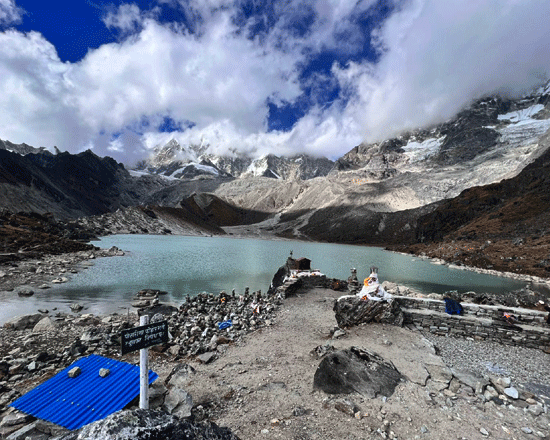
Start early for the most challenging and rewarding day of the trek. Climb steadily to Renjo La Pass (5,360 meters), where you’ll be rewarded with dramatic views of Everest, Lhotse, Makalu, and Cho Oyu. After enjoying the vistas, descend along a scenic trail toward Gokyo (4,760 meters), set beside the stunning third Gokyo Lake. Today’s trek takes about 6 hours.
Overnight stay at a lodge in Gokyo. - Day 07: Climb Gokyo Ri and Trek to Dole
Begin the day with an early morning hike up Gokyo Ri (5,357 meters) to witness a spectacular sunrise over four of the world’s 8,000-meter giants: Everest, Lhotse, Makalu, and Cho Oyu. Return to Gokyo for breakfast, then descend to Dole (4,200 meters) through alpine pastures and glacier-fed streams. The trek takes around 4 to 5 hours.
Overnight stay at a lodge in Dole. - Day 08: Trek to Namche Bazaar
Continue descending through beautiful forests of rhododendron, fir, and pine. Pass through traditional Sherpa villages such as Khumjung and Sanasa before arriving back in Namche Bazaar (3,440 meters). Trekking time is approximately 5 to 6 hours.
Overnight stay at a lodge in Namche Bazaar. - Day 09: Trek to Lukla
Retrace your route through Monjo, Jorsalle, and Phakding, enjoying your final full day of trekking. The trail follows the Dudh Koshi River as you head back to Lukla. Today’s walk takes about 7 to 8 hours. In the evening, celebrate your successful trek with your team over a farewell dinner.
Overnight stay at a lodge in Lukla. - Day 10: Fly Back to Kathmandu or Ramechhap
Take an early morning flight from Lukla to either Kathmandu or Ramechhap (approximately 35 minutes). Upon arrival, transfer to your hotel. Enjoy the rest of the day relaxing or exploring the cultural highlights of the city.
End of the trek.
Cost Included
- Domestic flight tickets from Kathmandu/Rammecha to Lukla and Lukla to Kathmandu or Rammecha
- Meals: Italian, Chinese, Nepali, Indian, and various European dishes are available three times a day breakfast, lunch, and dinner. One main course is provided per meal during the trek.
- Accommodation in tea houses according to the itinerary
- Kitbag for storing your belongings
- Sleeping bag for a comfortable night's sleep on a trek in minus-25 degrees
- Everest National Park Entrance Trekking Permit
- Khumbu Pasang Lhamu Rural Municipality Entrance Permit
- Experienced English-speaking, Government-licensed holder, trekking guide
- One porter is provided for every two to three participants. (Note: Solo clients who require a porter will incur an additional cost.)
- Guide, Porter meals, accommodation, salary, and insurance
- Necessary paperwork, all government, and local taxes
- A certificate of appreciation from Nepal Wilderness Trekking after a successful trek
Cost Excluded
- Airfare for international flights
- Upon arrival at Tribhuwan International Airport, Nepal, entry visa fees vary by duration (15 days - $25-30, 30 days
- Accommodations and meals in Kathmandu before and after our journey
- Personal equipment for high and cold temperatures
- Emergency high-altitude rescue and evacuation are covered by travel insurance
- All beverages, Soft and caffeinated table drinks such as Coke, beer,
- Drinking water/mineral water, Dessert, etc. Hot shower, laundry
- Tip for the guide and the porter
- Excluded are all costs and expenses not listed under "cost includes."
- Inclusion of costs or delays beyond the control of the management, such as landslides, weather conditions, itinerary modifications due to safety concerns, illness, changes in government policies, strikes, etc.
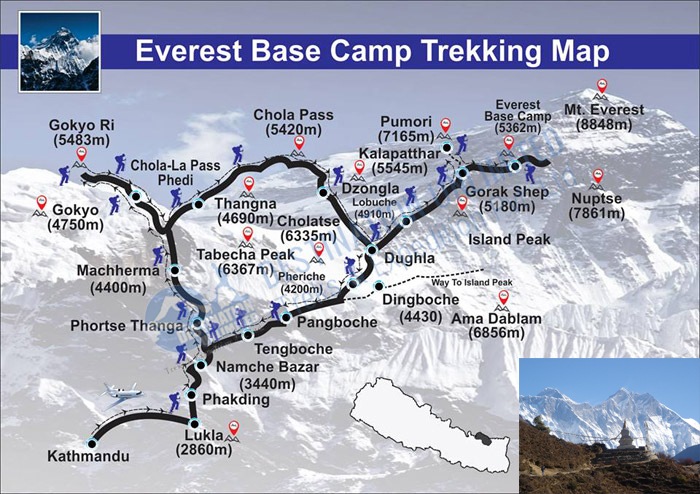
Trip Map
Frequently Asked Questions
It is a moderate trek. Trekkers who can walk up to 6-7 hrs a day on uphill and downhill trail will be easy.
Renjola is 5435m heigh from sea level with climbing high altitudes sections quickly after Namche.
It takes Maximums 15-16 days but if you want you can take more days.
Yes, we do offer private trek as well as join group if you wish.
The best time to do trek is from February to May,September to November.
No,it is not restricted trekking region.
Pasang Lhamu Rural Municipality Entrance Permit and Sagarmatha National Park Entry Permit
Neat and clean western toilets in tea-house and lodges.