

Uncategorized
December 23, 2025
Annapurna Himalaya
 By admin
Explore the Annapurna Himalaya: A Complete Travel Guide
The Annapurna Himalaya is one of Nepal’s most breathtaking trekking destinations. Famous for its towering snow-capped peaks, lush green valleys, terraced farmlands, and rich cultural heritage, it is a paradise for trekkers, photographers, and nature lovers. The region is also home to diverse wildlife and vibrant communities that make every journey unique and memorable. Whether you are planning the Annapurna circuit in the Himalayas for a long and adventurous trek, a shorter and scenic trek to Poon Hill in the Himalayas, a peaceful hike to the less-crowded Mardi Himal, or an exhilarating journey to ABC (Annapurna Base Camp) to stand at the foot of the mighty Annapurna I, this guide provides all the essential information you need to plan your perfect Himalayan adventure.
History of the Annapurna Himalaya
The Annapurna region is named after Goddess Annapurna, the Hindu goddess of food, harvest, and nourishment. The word Annapurna comes from Sanskrit and means “giver of food, which reflects the region’s fertile land, flowing rivers, and strong connection between nature and human life. For centuries, this region has been home to ethnic communities such as the Gurungs, Magars, and Thakalis. These communities have lived in harmony with the mountains, preserving their traditions, local festivals, traditional clothing, and unique mountain lifestyles. Even today, visitors are warmly welcomed and can experience genuine hospitality, culture, and daily village life along the trekking routes.
Trekking in the Annapurna Himalaya began gaining international attention in the 1970s, when Nepal opened more trekking areas to foreign visitors. The region became world-famous after Annapurna I, the highest mountain in the Annapurna range, was successfully climbed in 1950 by a French expedition. This historic ascent made Annapurna one of the most respected and challenging mountain ranges in the world. Since then, the area has attracted mountaineers, trekkers, nature lovers, and photographers from across the globe, all drawn by its dramatic landscapes, cultural richness, and unforgettable Himalayan scenery.
Best Time to Visit
The best times to trek in the Annapurna region are spring (March to May) and autumn (September to November).
- Spring: Rhododendrons bloom, painting the hillsides red, pink, and white. The weather is warm, and the skies are usually clear, providing spectacular mountain views.
- Autumn: After the monsoon, the air is crisp and clean. Visibility is excellent, making it ideal for trekking and photography.
Winter (December–February) can be very cold at higher altitudes like ABC and Mardi Himal, but there are fewer crowds. Monsoon (June–August) brings heavy rain, slippery trails, and leeches, making trekking more challenging.
Popular Trekking Routes
Annapurna Circuit Himalayas
The Annapurna circuit Himalayas is one of the world’s most famous trekking routes. The trek circles the Annapurna massif and takes trekkers through forests, valleys, high passes, and traditional villages. It typically takes 14–18 days.
Highlights of the Annapurna Circuit:
- Manang: A beautiful high-altitude village where trekkers acclimatize. Tibetan culture is prominent here.
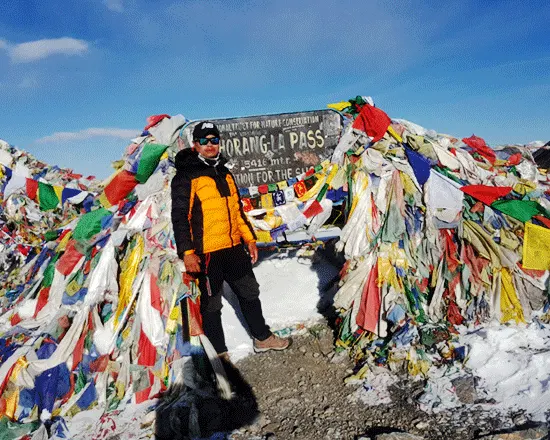
- Thorong La Pass (5,416 m): The highest point on the circuit with stunning panoramic views.
- Marpha and Jomsom: Known for apple orchards, local culture, and the Kali Gandaki river canyon.
The circuit is suitable for moderate to experienced trekkers because of the long distances and high passes.
Poon Hill Himalayas
The Poon Hill Himalayas trek is shorter and easier, making it ideal for beginners or travelers with limited time. The trek usually takes 4–5 days.
Highlights:
- Ghorepani Village: Nestled among rhododendron forests, offering cultural experiences and hospitality.
- Sunrise at Poon Hill (3,210 m): Famous for panoramic sunrise views over Annapurna South, Dhaulagiri, Machhapuchhre (Fishtail), and Hiunchuli.
- Traditional villages: Experience Gurung and Magar culture with stone houses, local food, and friendly communities.
Mardi Himal Trek
The Mardi Himal trek is a less crowded, off-the-beaten-path option. It usually takes 5–7 days.
Highlights:
- Mardi Himal Base Camp (4,500 m): Spectacular views of Machhapuchhre and Annapurna South.
- Forest trails: Trek through rhododendron, oak, and bamboo forests.
- Cultural experience: Visit small villages and interact with locals living traditional mountain lifestyles.
Mardi Himal is perfect for trekkers seeking solitude and natural beauty away from busy trails.
Annapurna Base Camp (ABC) Trek
The ABC trek is a classic route leading directly to the base of Annapurna I. It typically takes 7–10 days and is suitable for moderate trekkers.
Highlights:
- Machhapuchhre Base Camp: Close to the sacred Fishtail Mountain.
- Annapurna Sanctuary: A natural amphitheater surrounded by towering peaks.
- ABC (4,130 m): Offers breathtaking sunrise and sunset views of the surrounding mountains.
The trek passes through rhododendron forests, terraced fields, and traditional villages, offering a mix of nature and culture.
Villages and Culture
The Annapurna Himalaya is not only famous for its mountains but also for its rich cultural diversity. The region is home to many ethnic communities that have lived in the mountains for generations. Villages such as Ghorepani, Chhomrong, Ghandruk, and Manang clearly showcase the traditional lifestyles of Gurung, Magar, and Thakali communities. Each village has its own customs, beliefs, and way of life, shaped by the mountains and the natural environment.
Architecture:
Traditional houses are built from local stone and wood. Most homes have thick stone walls, wooden windows, and beautifully carved doors. These designs help protect families from cold weather while reflecting local craftsmanship and culture.
Festivals:
Local people celebrate festivals with great joy and unity. Major Hindu festivals such as Dashain and Tihar are widely observed with family gatherings, music, and blessings. In higher Himalayan villages, Buddhist festivals like Mani Rimdu are celebrated with colorful masks, prayer ceremonies, and traditional dances, offering visitors a unique cultural experience.
Food:
Local food is simple, healthy, and filling. The most common meal is Dal Bhat, which includes rice, lentil soup, vegetables, and pickles. Other popular dishes include momos (steamed dumplings) and gundruk, a traditional fermented leafy vegetable. These meals provide energy for daily mountain life and trekking.
Visitors to the Annapurna region can enjoy warm local hospitality, stay in family-run teahouses, visit monasteries, and interact with villagers along the trail. These cultural encounters offer a deeper understanding of Himalayan life and make trekking in the Annapurna Himalaya a truly meaningful and unforgettable experience.
Monasteries in Annapurna Himalaya
The Annapurna region has several ancient monasteries that offer spiritual and cultural insight:
- Braga Monastery, Manang: One of the oldest monasteries with beautiful murals and statues.
- Gurung Monasteries, Ghandruk: Small monasteries with prayer wheels and traditional Buddhist architecture.
- Tibetan-style monasteries: Located along the Annapurna circuit, offering insight into Tibetan Buddhist traditions and rituals.
Mountains and Peaks
The Annapurna Himalaya is home to some of the highest and most famous peaks:
- Annapurna I (8,091 m): The tenth-highest mountain in the world.
- Machhapuchhre (Fishtail, 6,993 m): Sacred and off-limits for climbing.
- Annapurna South (7,219 m) and Hiunchuli (6,441 m): Popular trekking peaks.
- Dhaulagiri (8,167 m): Visible from many parts of the Annapurna circuit.
Trekkers can enjoy 360-degree mountain panoramas throughout the trails.
Flora and Fauna
The Annapurna Himalaya region is rich in natural biodiversity. Because the area stretches from low valleys to high Himalayan mountains, it supports a wide variety of plants and animals. As trekkers move to higher altitudes, the landscape, vegetation, and wildlife change dramatically.
Flora
The lower and mid-hill regions of the Annapurna area are covered with dense forests and green vegetation. During spring, the hills come alive with colorful rhododendron forests, Nepal’s national flower, creating one of the most beautiful trekking seasons.
As altitude increases, trekkers will see forests of oak, pine, bamboo, and maple. These forests provide shade along the trails and support local wildlife. At higher elevations, trees become scarce, and the land opens into alpine meadows filled with grass, small shrubs, and seasonal wildflowers. These open landscapes offer stunning mountain views and peaceful walking trails.
Fauna
The Annapurna region is home to many Himalayan animals. Trekkers may spot Himalayan tahr on rocky slopes, musk deer in forested areas, and langurs swinging through the trees at lower elevations.
Birdlife is also very rich. Colorful birds such as the Himalayan monal, Nepal’s national bird, along with snow pigeons and various species of vultures, can often be seen along the trekking routes.
In the more remote and higher Himalayan areas, rare and endangered animals such as snow leopards and red pandas also live. These animals are shy and rarely seen, but their presence shows the healthy ecosystem of the region.
Much of this natural environment is protected within the Annapurna Conservation Area. Conservation programs here focus on protecting forests, wildlife, and local communities while promoting responsible and sustainable trekking. Thanks to these efforts, the Annapurna Himalaya remains one of the most beautiful and well-preserved trekking regions in the world.
Best Viewpoints
The Annapurna Himalaya is full of spectacular viewpoints:
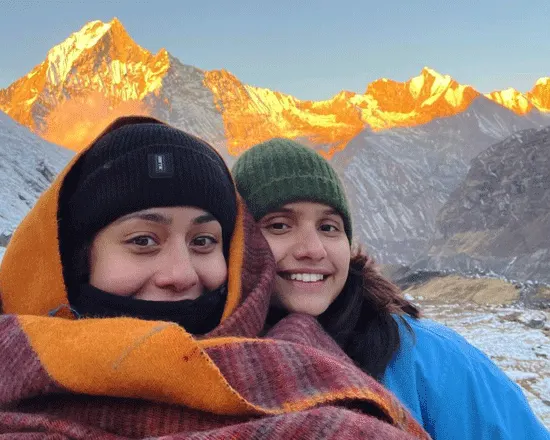
- Poon Hill (3,210 m): Ideal for sunrise over Annapurna, Dhaulagiri, and Machhapuchhre.
- Mardi Himal Base Camp: Unobstructed views of Machhapuchhre and Annapurna South.
- Annapurna Base Camp: Panoramic mountain vistas.
- Australian Camp and Ghorepani: Excellent sunrise and sunset photography locations.
Trekking Tips
- Fitness: Moderate fitness is needed, especially for routes like ABC and the Annapurna circuit.
- Gear: Essential items include trekking boots, warm clothing, rain protection, and a good backpack. Gear can be rented or bought in Pokhara or Kathmandu.
- Accommodation: Tea houses, lodges, and tented camps are available along most routes.
- Permits: Trekkers need the Annapurna Conservation Area Permit (ACAP) and the TIMS card.
A Diverse and Rewarding Trekking Destination
Overall, the Annapurna Himalaya is truly a paradise for trekkers, nature lovers, and cultural explorers alike. To begin with, the region offers a wide variety of trekking options, ranging from the classic Annapurna Circuit to shorter and easier walks such as Poon Hill. In addition, quieter routes like Mardi Himal and the adventurous Annapurna Base Camp trek provide memorable experiences for travelers of all ages and fitness levels. As a result, the Annapurna region appeals equally to beginners and seasoned trekkers.
Nature, Culture, and Spiritual Encounters
Moreover, while trekking in the Annapurna Himalaya, visitors not only enjoy breathtaking mountain views and world-famous viewpoints, but also immerse themselves in rich local cultures and long-preserved traditions. Furthermore, the journey often includes visits to ancient monasteries, where travelers can experience the deep spiritual connection of Himalayan life. At the same time, walking through lush forests, crossing rivers, passing terraced farmlands, and climbing high mountain passes ensures that each day on the trail feels both exciting and rewarding.
Best Time to Visit and Responsible Travel
Finally, for the best trekking experience, it is strongly recommended to plan your visit during spring or autumn, when the weather is generally stable and the skies are clear. Additionally, trekkers should always respect local customs, support local communities, and help protect the natural environment. In conclusion, with its stunning landscapes, warm hospitality, and powerful mountain scenery, the Annapurna Himalaya ultimately promises an unforgettable Himalayan adventure that stays with you long after the journey ends.
Annapurna Himalayas Trekkings links
- Kokhe Danda Trek
- 3 Days Mardi Himal Trek
- Green Lake Trek
- Mesokanto La Pass Trek
- Annapurna Circuit and Base Camp Trek
- Khumai Danda Trek
- Poon Hill Trek – 2 Days
- Classic Mardi Himal & Poon Hill Trek
- Mardi Himal vs Annapurna Base Camp Trek
- Classic Poon Hill Round Trek
- Muldai View Point Trek
- Mohare Danda & Khopra Trek
- Lower Mustang Trek
- Annapurna North Base Camp Trek
- 5 Days Annapurna Base Camp Trek
- Annapurna Circuit Trek – 10 Days
- Poon Hill Trek – 3 Days
- ABC Trek via Poon Hill
- Mardi Himal Trek – 5 Days
- Tilicho Lake Trek
- Nar Phu Valley Trek
- Mohare Danda Trek
- Kori Trek
Trek Grade
Grade 1
Tap outside to close
*
Grade 2
Tap outside to close
**
Grade 3
Tap outside to close
The Annapurna Base Camp Trek is graded 3 out of 5 (Moderate to Challenging). It is suitable for trekkers with reasonable fitness who can walk for 5–7 hours daily. The trail passes through traditional villages, rhododendron forests, and steep stone staircases before reaching Annapurna Base Camp at 4,130 metres (13,550 feet). No technical climbing skills are required, but the long ascents, steep descents, and high altitude can be challenging. Previous hiking experience is helpful but not essential. Regular walking, stair climbing, and good preparation will help you enjoy this rewarding Himalayan adventure.
Trek Grade
Grade 1
Tap outside to close
*
Grade 2
Tap outside to close
**
Grade 3
Tap outside to close
***
Grade 4
Tap outside to close
Annapurna Circuit Trek – Grade 4: This is a challenging high-altitude trek involving long walking days, steep ascents and descents, varied and rugged terrain, and crossing the 5,416 m Thorong La Pass. Good physical fitness, endurance, and proper preparation for high-altitude conditions are essential.