
Uncategorized
May 3, 2026
Can a Beginner Do the Annapurna Circuit Trek
 By admin
The Annapurna Circuit Trek is one of Nepal’s most legendary trekking routes, known for its changing landscapes, traditional mountain villages, and the dramatic crossing of Thorong La Pass at an elevation of 5,416 meters. For many first-time trekkers, the big question is simple: can a beginner really do the Annapurna Circuit Trek?
The answer is yes. A beginner can absolutely complete the Annapurna Circuit Trek, but success depends on preparation, pacing, and choosing the right itinerary. This is not a technical mountain climb, and you do not need mountaineering experience. However, it is a long, high-altitude trek, and beginners need to understand what makes it challenging before they go.
For first-time trekkers who prepare properly and allow enough time, the Annapurna Circuit Trek is one of the most rewarding adventures in Nepal.
Is Annapurna Circuit Good for Beginners?
Yes, the Annapurna Circuit Trek is suitable for beginners, but only for beginners who are realistic about the challenge.
This trek is beginner-friendly in terms of trail conditions. The route is well marked, the tea house network is excellent, and there are villages along the trail every day. You do not need technical climbing gear, ropes, or alpine experience. In that sense, the Annapurna Circuit Trek is much easier than Nepal’s remote camping routes.
What makes the Annapurna Circuit difficult is not the technical terrain. The real challenge is the combination of long walking days, many days in a row on the trail, cold temperatures, and high altitude.
A beginner can do the Annapurna Circuit, but it is far better suited to someone with good stamina, patience, and enough time to walk slowly.
What Makes the Annapurna Circuit Difficult for Beginners?
The Annapurna Circuit Trek is difficult for beginners for three main reasons: duration, altitude, and endurance.
Unlike shorter treks in Nepal, the Annapurna Circuit is not just a few days of hiking. Most trekkers spend 12 to 16 days on the trail, adding the Tilicho lake and hiking the Ice lake, walking for several hours each day. That means the challenge is not one difficult climb, but the cumulative fatigue of trekking day after day.
The second challenge is altitude. As the trail climbs beyond Manang, the air becomes thinner, and the body has less oxygen to work with. Even experienced hikers feel this.
The third challenge is Thorong La Pass. This is the highest point of the trek and the most physically demanding day, especially for beginners.
These are the real reasons Annapurna Circuit feels hard. It is not dangerous climbing. It is long-distance trekking at high altitude.
Altitude Is the Biggest Challenge
For beginners, the hardest part of the Annapurna Circuit is the altitude.
This trek gradually climbs from lower river valleys to alpine terrain and eventually crosses Thorong La Pass at 5,416 meters. That kind of altitude is the main reason beginners struggle.
The body performs differently at altitude. You walk slower, breathe harder, tire more easily, and recover more slowly. Even simple uphill walking can feel much harder above 3,500 meters.
This is why altitude matters more than experience.
A strong gym-goer can struggle on the Annapurna Circuit if they go too fast. A slower beginner with good pacing often does much better.
That is the most important thing first-time trekkers should understand.
Can Beginners Handle Altitude Sickness?
Yes, but only if they take it seriously.
Altitude sickness is the biggest risk on the Annapurna Circuit Trek, especially for beginners who have never been above 3,000 meters.
The risk begins as the trail climbs higher, usually after Pisang and especially around Manang. Common symptoms include headache, nausea, dizziness, poor sleep, loss of appetite, and unusual fatigue.
These symptoms should never be ignored.
The good news is that altitude sickness is often preventable. Most beginners do well when they walk slowly, stay hydrated, eat properly, and spend an extra acclimatization day in Manang.
The trekkers who struggle most are usually the ones who rush.
For beginners, the safest strategy is simple: walk slowly, drink more water than usual, and never ignore symptoms.
Why Beginners Should Not Rush the Itinerary
One of the biggest mistakes beginners make on the Annapurna Circuit is choosing an itinerary that is too short.
A rushed itinerary may save time, but it makes the trek harder, more tiring, and far riskier at altitude.
Short itineraries often mean:
- longer daily walking hours
- less recovery time
- faster altitude gain
- the higher chance of altitude sickness
For beginners, this is exactly the wrong approach.
A longer itinerary gives the body more time to adjust and makes the trek much more comfortable. A slower trek also means better sleep, less fatigue, and a safer crossing of Thorong La Pass.
This is why the Annapurna Circuit Trek is much more beginner-friendly when done in 14 to 16 days instead of rushing it in 10 or 11.
How Fit Should a Beginner Be?
A beginner does not need to be an athlete to complete the Annapurna Circuit.
But basic fitness is essential.
You do not need marathon-level endurance, but you should be comfortable walking for 5 to 7 hours a day and repeating that effort for many days in a row.
The most useful kind of fitness for the Annapurna Circuit is not speed. It is endurance.
The best preparation for beginners includes:
- regular walking
- stair climbing
- short day hikes
- light cardio training
- leg strengthening
- building stamina over time
The stronger your endurance, the easier the trek feels.
Thorong La Pass Is the Hardest Day
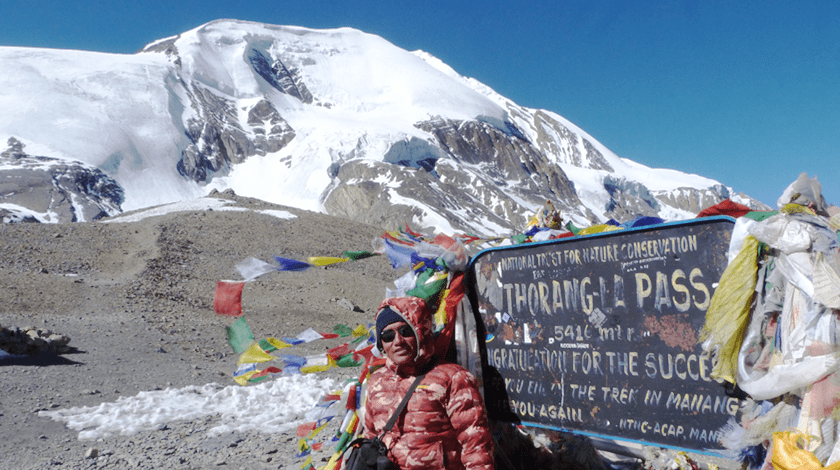
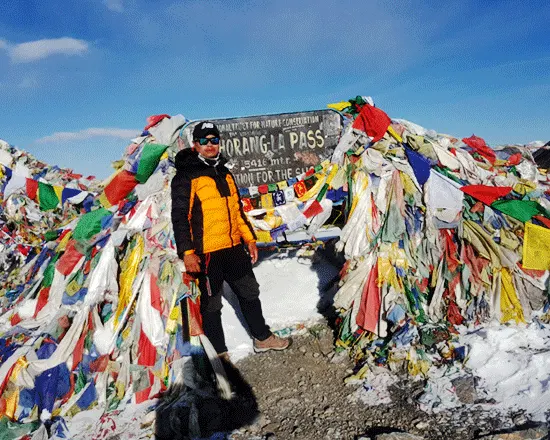
Every beginner should know this before booking the Annapurna Circuit Trek: Thorong La Pass is the hardest day of the trek.
At 5,416 meters, it is the highest point of the route and the most demanding section physically.
Trekkers usually begin before sunrise, often around 4 AM. The climb is long, cold, and slow. The thin air makes every uphill step feel harder, and the descent afterward is also long and tiring.
This is the day when beginners feel the altitude most.
But Thorong La is not technically difficult. In normal trekking seasons, no climbing gear is required. The challenge is not technical climbing. It is the combination of altitude, cold, and endurance.
That is why beginners can do it, but only if they reach this point well acclimatized.
Best Time for Beginners to Trek the Annapurna Circuit
The best seasons for beginners in Nepal are spring and autumn.
These months offer the safest weather, clearer trails, and better mountain views.
Spring, from March to May, is warmer and more colorful, with blooming rhododendrons and comfortable daytime temperatures.
Autumn, from September to November, is the most popular season because the skies are clearer, visibility is excellent, and trail conditions are generally stable.
Winter can bring snow and make Thorong La more difficult. Monsoon brings rain, mud, and slippery trails.
For beginners, spring and autumn are by far the best times to trek the Annapurna Circuit.
Common Mistakes Beginner do on the Annapurna Circuit
Most beginners do not struggle because they are unfit. They struggle because they make avoidable mistakes.
The most common beginner mistakes include:
- Walking too fast
- Skipping acclimatization
- Drinking too little water
- Packing too much
- Underestimating altitude
- Ignoring symptoms
- Choosing a rushed itinerary
These are the mistakes that make the Annapurna Circuit harder than it needs to be.
Beginners who walk slowly and pace themselves usually do much better than stronger trekkers who rush.
Should Beginners Hire a Guide?
For beginners, hiring a guide is one of the best ways to make the Annapurna Circuit safer and easier.
A guide helps with pacing, route planning, tea house arrangements, local logistics, and altitude awareness. This is especially valuable for first-time trekkers who are unfamiliar with Nepal and high-altitude trekking.
A guide also gives beginners more confidence and support, especially on longer days and around Thorong La Pass.
While the trail is possible without technical climbing, having local support makes the experience much smoother.
Final Thoughts
So, can a beginner do the Annapurna Circuit Trek?
Yes, absolutely. The Annapurna Circuit Trek is challenging, but it is one of the best long-distance treks in Nepal for beginners who prepare well and take their time.
You do not need climbing experience. You do not need to be an expert trekker. What you need is patience, decent fitness, enough acclimatization, and respect for altitude.
For beginners, the Annapurna Circuit is not about speed.
It is about walking steadily, adjusting slowly, and enjoying one of Nepal’s greatest trekking journeys. But for the beginners, Manaslu and Annapurna circuit can be a great experience.
Which Trek is Better for First-Time Trekkers?
Choose the Annapurna Circuit if you want:
- Better comfort
- Easier logistics
- More flexibility
- A classic first Himalayan experience.
Choose Manaslu Circuit if you want:
- Remote adventure
- Fewer crowds
- Authentic village life
- A more challenging experience
- The Manaslu Annapurna Circuit can also be connected for traveller enthusiasts.
Trek Grade
Grade 1
Tap outside to close
Trekking is essentially day hiking and doesn't require any special training. However, good physical condition, a love of walking, and a desire to enjoy mountain views and village life are essential.
Grade 2
Tap outside to close
These treks are suitable for walkers looking for something more challenging and energetic. Hill-walking experience is desirable, with longer days and higher elevations.
Grade 3
Tap outside to close
Since the terrain can be hard and the days long, hikers should be in good physical condition and have previous mountain walking experience. High passes and extended trekking days may be involved.
Trek Grade
Grade 1
Tap outside to close
Trekking is essentially day hiking and doesn't require any special training. However, good physical condition, a love of walking, and a desire to enjoy mountain views and village life are essential.
Grade 2
Tap outside to close
These treks are suitable for walkers looking for something more challenging and energetic. Hill-walking experience is desirable, with longer days and higher elevations.
Grade 3
Tap outside to close
Since the terrain can be hard and the days long, hikers should be in good physical condition and have previous mountain walking experience. High passes and extended trekking days may be involved.