
May 9, 2026
Interesting Facts About Nepal
 By admin
Why Nepal Captures the World’s Attention
Nepal is one of the most extraordinary travel destinations on Earth, offering a rare combination of natural beauty, spiritual depth, and cultural richness. Nepal lies in the heart of the Himalayas and is home to some of the world’s most dramatic landscapes and ancient traditions.
From the snow-covered peaks of the Himalayas to sacred temples and vibrant ethnic communities, Nepal offers endless discoveries for travelers. These interesting facts about Nepal reveal why the country is so popular among trekkers, climbers, and cultural explorers.
Whether you are planning a trek, researching culture, or simply curious, these interesting facts about Nepal will help you understand what makes this Himalayan nation truly unique.
Mount Everest – The Crown Jewel of Nepal
Mount Everest is the highest mountain in the world, standing at 8,848.86 meters. It is located in northeastern Nepal and forms part of the Great Himalaya range.
One of the most fascinating facts about Nepal is that Everest attracts climbers from every corner of the globe. Each year, expedition teams arrive to attempt the summit or trek to Everest Base Camp.
The mountain is not only a climbing challenge but also a symbol of human endurance and natural beauty. It remains one of the strongest reasons why Nepal is globally recognized as the ultimate trekking destination.
Nepal Has Eight of the World’s Highest Peaks
One of the most remarkable facts about Nepal is that it is home to eight of the world’s fourteen mountains that rise above 8,000 meters. Nepal holds a unique position as the heart of the Great Himalayas.
These legendary peaks include Mount Everest, Lhotse, Makalu, Annapurna I, Cho Oyu, Dhaulagiri, Manaslu, and Kangchenjunga (on the Nepal–India border). Together, they form one of the most dramatic and powerful mountain landscapes on Earth.
This extraordinary concentration of giant peaks makes Nepal a global hub for mountaineering and high-altitude exploration. The region is defined by towering summits, deep valleys, glaciers, and dramatic scenery that continues to inspire climbers and trekkers from all over the world.
Kathmandu – A Living Cultural Heritage City
Kathmandu is the capital and cultural heart of Nepal, where history, spirituality, and everyday life exist. The city is rich with ancient temples, royal palaces, traditional courtyards, and sacred shrines that reflect centuries of civilization.
One of the most interesting facts about Nepal is that Kathmandu feels like an open-air museum. Here, Hindu and Buddhist traditions are not just preserved, they are actively practiced in daily life, creating a unique spiritual rhythm throughout the city.
UNESCO World Heritage Sites such as Kathmandu Durbar Square, Swayambhunath (the Monkey Temple), and Boudhanath Stupa showcase extraordinary art, architecture, and devotion passed down through generations. Every street corner tells a story, making Kathmandu a cultural experience that is both deeply historical and vividly alive, unlike anywhere else in Asia.
Lumbini – Birthplace of Lord Buddha
Lumbini is one of the most sacred pilgrimage destinations in the world, known as the birthplace of Siddhartha Gautama, the founder of Buddhism. It holds deep spiritual significance for millions of followers across the globe.
One of the most meaningful and widely shared interesting facts about Nepal is that Lumbini continues to attract pilgrims, monks, and travelers who come here in search of peace, meditation, and spiritual reflection.
The site is home to beautifully designed monasteries built by different countries, peaceful gardens, sacred ponds, and ancient archaeological remains. Together, these elements create a calm and reflective atmosphere that symbolizes peace, enlightenment, and the universal message of Buddhism.
Unique National Flag of Nepal
One of the most visually striking and interesting facts about Nepal is its national flag. It is the only flag in the world that is not rectangular.
The design consists of two stacked triangles, representing the Himalayas and the two major religions. This unique shape reflects Nepal’s identity and cultural strength.
Sacred Cow Culture in Nepal
In Nepalese tradition, people consider cows highly sacred animals, deeply rooted in Hindu religious beliefs. This cultural value shapes daily life, customs, and social practices across the country.
People protect cows and treat them with great care, and traditional practices do not harm them. During major festivals and religious rituals, communities worship cows as symbols of prosperity, motherhood, and life.
This long-standing tradition shows the strong spiritual connection that people in Nepal maintain between nature and religion. It plays an important role in the country’s cultural identity, and people continue to follow it with deep respect in both rural and urban areas.
Rhododendron – National Flower of Nepal
The rhododendron, locally known as Laliguras, is the national flower of Nepal. It grows widely in the Himalayan forests and thrives in high-altitude regions across the country.
During spring, the hills and mountains come alive as rhododendron forests bloom in shades of red, pink, and white. This seasonal transformation creates some of the most beautiful landscapes in the Himalayas.
These vibrant flowers not only enhance the natural beauty of the trekking routes but also represent Nepal’s rich biodiversity. For many travelers, seeing rhododendron-covered hills is one of the most memorable experiences while exploring the country’s mountain trails.
Cultural and Ethnic Diversity
Nepal is home to more than 120 ethnic groups and over 120 languages, making it one of the most culturally diverse countries in the world. This diversity shapes a rich social fabric that can be experienced in every region of the country.
Each community has its own traditions, clothing styles, festivals, and way of life. As a result, traveling through Nepal feels like moving across many different cultures within a single journey.
From the mountains to the lowland plains, every trekking route offers a unique cultural experience. This variety adds depth to the journey, allowing visitors to connect not only with nature but also with the living traditions of Nepal’s people.
Kali Gandaki Gorge – Deepest Gorge in the World
Kali Gandaki Gorge is one of the deepest gorges on Earth. It lies between two massive Himalayan peaks.
Among the geological interesting facts about Nepal, this gorge stands out as a powerful natural formation shaped by rivers over millions of years.
Tilicho Lake – One of the Highest Lakes in the World
Tilicho Lake is located at 4,919 meters above sea level, shaped by mountains and rugged terrain. One of the most breathtaking and interesting facts about Nepal is that the lake is holy and extremely remote, attracting adventurous trekkers.
Chitwan National Park – Wildlife Paradise
Chitwan National Park is one of Nepal’s most famous protected areas and a UNESCO World Heritage Site, celebrated for its rich biodiversity and natural ecosystems. The park is home to rare and iconic wildlife species such as one-horned rhinoceroses, Bengal tigers, elephants, and marsh crocodiles. Its dense forests, grasslands, and river habitats create a thriving environment for these animals.
Visitors can explore the park through jungle safaris, canoe rides, and guided nature walks. This experience reveals a completely different side of Nepal’s beauty, far from the mountains, yet equally fascinating in its wilderness and natural charm.
Living Goddess – Kumari Tradition
Nepal has a unique cultural tradition where a young girl is revered as the living embodiment of a goddess, known as the Kumari. This practice is deeply rooted in Hinduism and is especially prominent in the Kathmandu Valley.
This tradition continues even in modern times, making it one of the most distinctive cultural practices in the country. The selected girl is believed to represent divine energy and is worshipped during religious ceremonies and festivals.
The Kumari tradition reflects the strong spiritual foundation of Nepalese society and its blend of mythology, devotion, and living heritage. It remains a powerful symbol of faith and cultural identity.
Nepal Was Never Colonized
Nepal is one of the few countries in Asia that was never colonized by foreign powers. It maintained its independence throughout history.
This is one of the most interesting facts about Nepal, as it helped preserve its culture, traditions, and identity.
Everest History Makers
In 1953, Tenzing Norgay and Edmund Hillary made history by becoming the first climbers to reach the summit of Mount Everest.
This groundbreaking achievement marked a turning point in the history of mountaineering and brought worldwide attention to the Himalayas. It also highlighted the strength, skill, and endurance required to explore the world’s highest peak.
Their success remains one of the most celebrated moments in adventure history. It continues to inspire climbers and adventurers, while also strengthening Nepal’s identity as the home of Everest and a global hub for high-altitude exploration.
Sagarmatha National Park – UNESCO Heritage Site
Sagarmatha National Park protects the Everest region and its surrounding ecosystems.
It is home to glaciers, rare wildlife, and Sherpa communities. It is one of the most important conservation areas in the Himalayas.
Pashupatinath Temple – Sacred Hindu Site
Pashupatinath Temple is one of the holiest Hindu temples dedicated to Lord Shiva.
It is a major pilgrimage site and plays an important role in Nepal’s religious life.
Boudhanath Stupa – Spiritual Landmark
Boudhanath Stupa is one of the largest Buddhist stupas in the world.
It is a peaceful center for meditation and Tibetan Buddhist culture.
Extreme Geography of Nepal
Nepal has one of the most diverse landscapes in the world. It ranges from lowland plains to the highest mountains on Earth.
This geographical diversity is one of the most fascinating facts about Nepal, making it ideal for trekking and adventure travel.
Gurkha Soldiers – World-Famous Warriors
Originating from the hills of Nepal, Gurkhas have earned a reputation for exceptional bravery in challenging conditions. Their training, resilience, and loyalty have made them highly valued in various armies across the globe.
Over the centuries, they have become a symbol of honor and fearlessness. The legacy of Gurkha soldiers reflects strength, sacrifice, and unwavering dedication, making them one of the most admired military groups in the world.
Major Festivals of Nepal
Dashain is the biggest and most widely celebrated festival in Nepal. It symbolizes the victory of good over evil and brings families together across the country. During this period, people travel back to their hometowns, receive blessings from elders, and celebrate with traditional food, rituals, and gatherings.
Tihar is another major festival that follows Dashain and is known as the festival of lights. It is unique because it honors not only gods and humans but also animals such as crows, dogs, and cows. Homes are decorated with oil lamps, candles, and colorful rangoli designs, creating a joyful and vibrant atmosphere.
Both festivals reflect Nepal’s deep cultural and spiritual values. They strengthen family bonds, celebrate harmony with nature, and showcase the rich traditions that make Nepal’s festival culture so unique and meaningful.
Red Panda and Himalayan Wildlife
Nepal is home to a wide range of rare and endangered wildlife species, including the red panda, which is found in the cool, high-altitude forests of the Himalayas. These animals live in remote bamboo-rich regions where the environment remains relatively undisturbed.
The red panda is shy and difficult to spot in the wild, making it a special attraction for nature lovers and researchers. Along with this unique species, Nepal’s forests also support diverse wildlife, such Himalayan black bears, snow leopards, and various bird species.
Conservation efforts are actively underway to protect these fragile ecosystems and endangered animals. National parks and protected areas play a vital role in preserving biodiversity, ensuring that Nepal’s rich natural heritage continues for future generations.
World-Famous Trekking Destinations
Nepal is widely recognized as a global trekking paradise, offering some of the most iconic hiking routes. Trails such as Everest Base Camp and Annapurna Base Camp draw thousands of adventure seekers each year.
These journeys take travelers through diverse landscapes, including mountain villages, lush forests, river valleys, and high-altitude terrain. Along the way, trekkers also experience local culture, traditional lifestyles, and warm hospitality.
What makes these routes truly special is the perfect blend of natural beauty, cultural richness, and adventure. Each trek offers a unique experience that goes far beyond just walking in the mountains; it becomes a complete Himalayan journey.
Conclusion: Why Nepal Is Truly Unique
These insights into Nepal highlight why it stands out as one of the most remarkable destinations on the planet. From the towering Himalayas to ancient heritage cities and deeply rooted cultural traditions, the country offers an incredible variety of experiences within a single journey.
Every region reveals something different: majestic mountains, sacred sites, vibrant festivals, and diverse communities living in harmony. This combination of nature, culture, and spirituality creates a destination that feels both adventurous and deeply meaningful.
For trekkers, travelers, and explorers alike, Nepal leaves a lasting impression. Its natural beauty, cultural depth, and spiritual atmosphere make it a place that is not only visited but truly experienced and remembered for a lifetime.
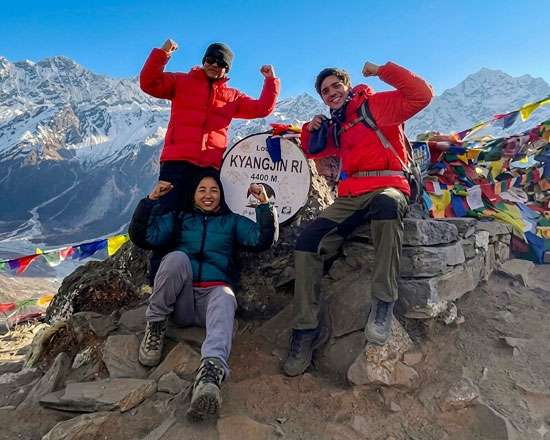
Trekking is essentially day hiking and doesn't require any special training. However, good physical condition, a love of walking, and a desire to enjoy mountain views and village life are essential.
These treks are suitable for walkers looking for something more challenging and energetic. Hill-walking experience is desirable, with longer days and higher elevations.
Since the terrain can be hard and the days long, hikers should be in good physical condition and have previous mountain walking experience. High passes and extended trekking days may be involved.
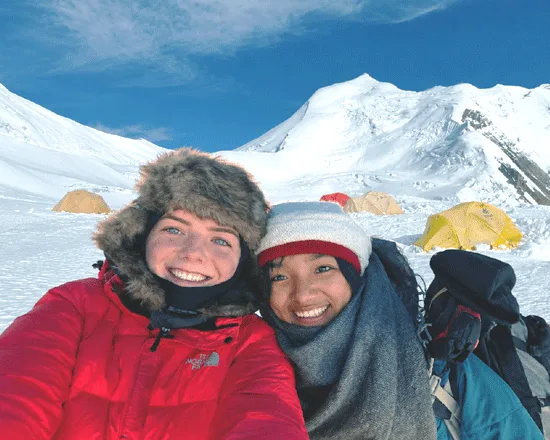
Trekking is essentially day hiking and doesn't require any special training. However, good physical condition, a love of walking, and a desire to enjoy mountain views and village life are essential.
These treks are suitable for walkers looking for something more challenging and energetic. Hill-walking experience is desirable, with longer days and higher elevations.
Since the terrain can be hard and the days long, hikers should be in good physical condition and have previous mountain walking experience. High passes and extended trekking days may be involved.