
August 5, 2026
Best Time for Poon Hill Trek
 By admin
Best Time for Poon Hill Trek: Complete Month-by-Month Guide
The Poon Hill Trek is one of Nepal’s most popular short trekking adventures, famous for its breathtaking sunrise over the Annapurna and Dhaulagiri mountain ranges. Suitable for beginners, families, and experienced trekkers alike, the trail passes through charming Gurung and Magar villages, dense rhododendron forests, and the picturesque settlement of Ghorepani before reaching the iconic Poon Hill viewpoint at 3,210 meters.
One of the most common questions travelers ask is, “When is the best time for the Poon Hill Trek?” The answer depends on the experience you’re looking for. Spring offers colorful rhododendron forests in full bloom, autumn provides crystal-clear mountain views, winter brings peaceful snow-covered landscapes, and the monsoon transforms the hills into lush green scenery.
Although the trek can be completed throughout most of the year, weather conditions, visibility, trail conditions, and temperatures vary significantly by season. Choosing the right time can make a noticeable difference to your trekking experience.
In this guide, you’ll discover the best season for the Poon Hill Trek, a month-by-month weather overview, average temperatures, trail conditions, and expert advice to help you choose the ideal time to visit. We’ll also highlight nearby trekking options, including the Annapurna Base Camp via Poon Hill Trek, the peaceful Mohare Danda Trek, and the scenic Khopra Danda Trek, making it easier to extend your adventure in the Annapurna region.
Quick Answer: What Is the Best Time for the Poon Hill Trek?
The best time for the Poon Hill Trek is during spring (March to May) and autumn (late September to November). These seasons offer the clearest mountain views, comfortable daytime temperatures, stable weather, and excellent trail conditions.
Spring is especially popular for its blooming rhododendron forests, while autumn is known for crisp air, blue skies, and spectacular sunrise views from Poon Hill. Both seasons are ideal for first-time trekkers and photographers.
Winter (December to February) is also a good choice if you don’t mind colder temperatures. Snow occasionally covers the trail around Ghorepani and Poon Hill, creating beautiful landscapes with fewer trekkers on the route.
The monsoon season (June to August) brings lush green forests, waterfalls, and fewer crowds. However, frequent rain, cloudy skies, and slippery trails can limit mountain views, making this the least popular trekking season.
Overall, if your goal is to enjoy the best weather and panoramic Himalayan scenery, plan your Poon Hill Trek between March and May or late September and November.
| Season | Months | Mountain Views | Weather | Crowds | Recommendation |
|---|---|---|---|---|---|
| 🌸 Spring | March–May | ⭐⭐⭐⭐⭐ | ⭐⭐⭐⭐⭐ | High | Excellent |
| ☀️ Summer / Monsoon | June–August | ⭐⭐☆☆☆ | ⭐⭐☆☆☆ | Low | Fair |
| 🍂 Autumn | September–November | ⭐⭐⭐⭐⭐ | ⭐⭐⭐⭐⭐ | High | Excellent |
| ❄️ Winter | December–February | ⭐⭐⭐⭐☆ | ⭐⭐⭐☆☆ | Low | Very Good |
Why Choosing the Right Season Matters
Although the Poon Hill Trek is considered one of the easiest and most accessible treks in Nepal, the season you choose can greatly influence your overall experience. From mountain visibility and trail conditions to temperature, accommodation availability, and photography opportunities, each season offers something different.
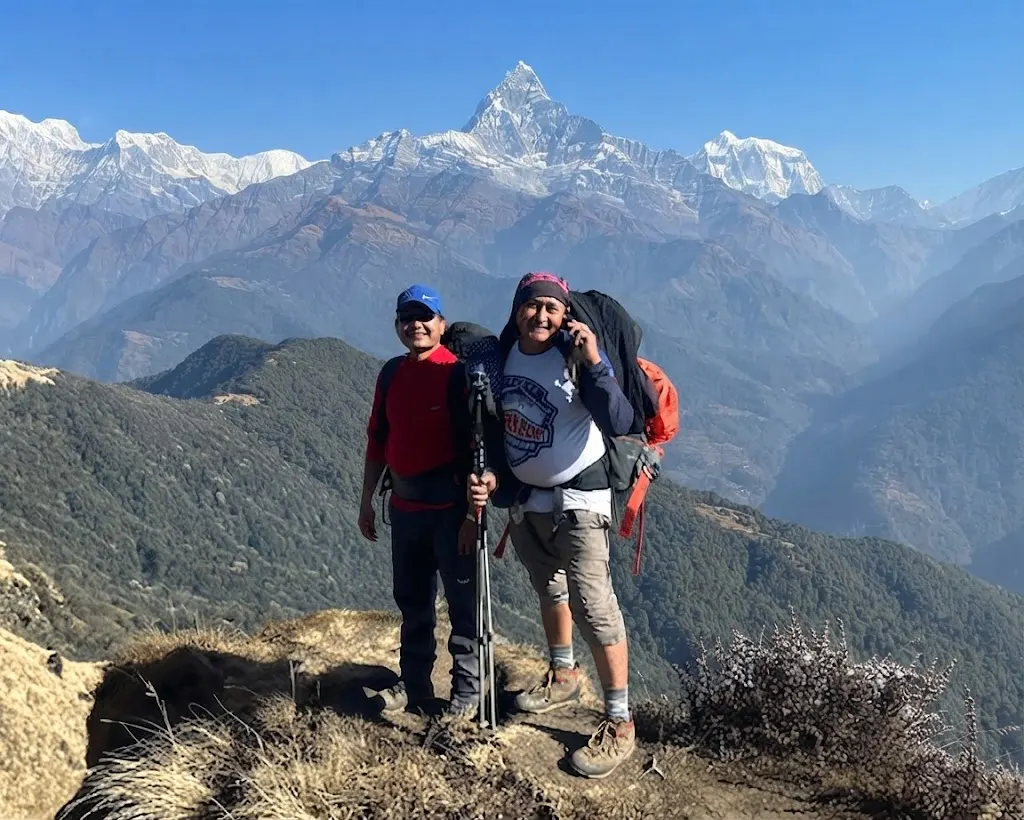
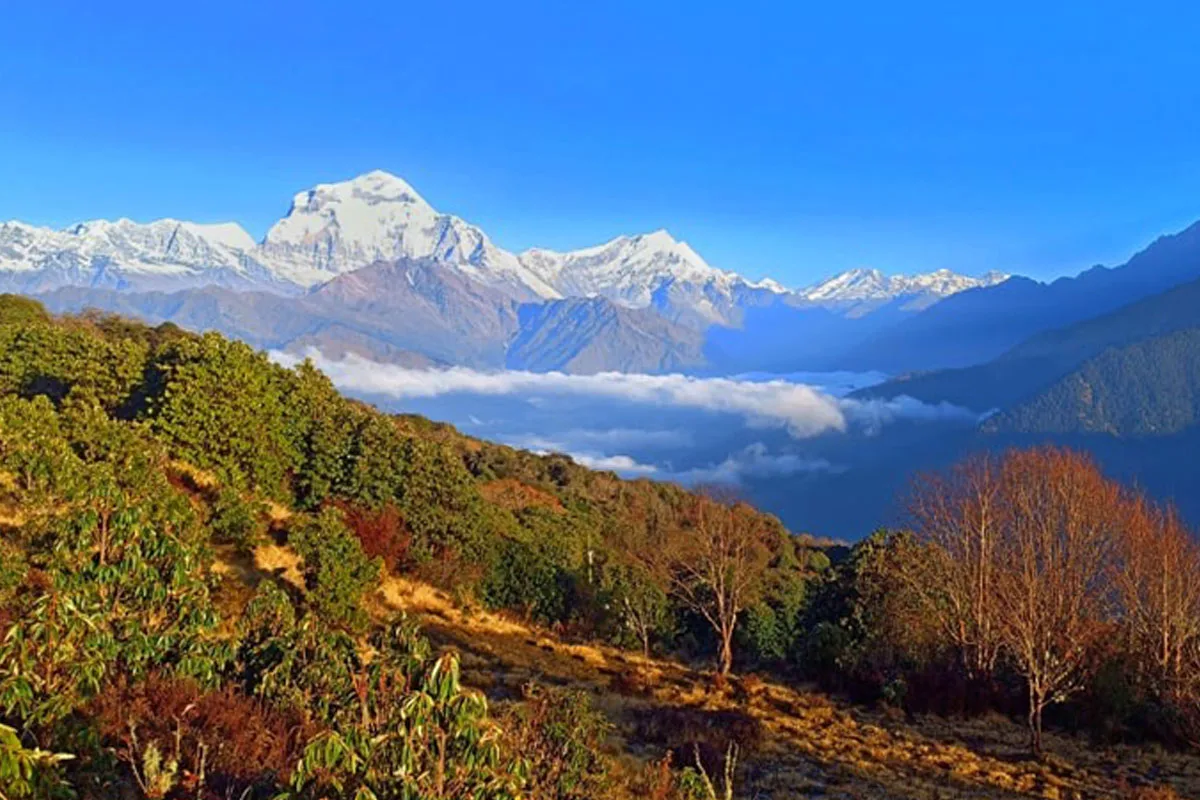
One of the main reasons trekkers visit Poon Hill is to witness the famous sunrise over the Annapurna and Dhaulagiri mountain ranges. On clear mornings, the viewpoint offers spectacular panoramic views of Annapurna South, Hiunchuli, Machhapuchhre (Fishtail), Nilgiri, Dhaulagiri, Tukuche Peak, and several other Himalayan peaks. These views are generally at their best during the spring and autumn seasons, when the skies are more stable and visibility is excellent.
Weather also affects trail conditions. During spring and autumn, the paths are usually dry and comfortable for walking, making these seasons ideal for beginners and families. In contrast, the monsoon season brings frequent rain, muddy trails, and occasional leeches in the lower forests. Winter is much drier, but cold temperatures and occasional snowfall around Ghorepani and Poon Hill can make early morning hikes more challenging.
Nature changes dramatically throughout the year. Spring transforms the forests with blooming rhododendrons, magnolias, and wildflowers, creating one of the most colorful trekking experiences in the Annapurna region. During the monsoon, the hills become lush green with flowing waterfalls and fresh mountain air. Autumn offers crystal-clear skies after the rains, while winter provides peaceful trails, frosty mornings, and snow-covered landscapes.
Another factor to consider is the number of trekkers. March, April, October, and November are the busiest months because they offer the most reliable weather and excellent mountain views. If you prefer quieter trails and don’t mind colder temperatures or occasional weather changes, late winter or early summer can provide a more peaceful trekking experience.
The season you choose may also influence your trekking plans beyond Poon Hill. Many trekkers continue their journey to the Annapurna Base Camp via Poon Hill Trek, combining the famous sunrise viewpoint with a visit to the Annapurna Sanctuary. Others prefer extending their adventure to the quieter Khopra Danda Trek, known for its close-up views of Dhaulagiri, or the scenic Mohare Danda Trek, which offers community-based tourism, peaceful trails, and beautiful Himalayan panoramas.
Ultimately, there is no single “perfect” season for everyone. The best time for the Poon Hill Trek depends on whether you value blooming forests, crystal-clear mountain views, peaceful trails, photography opportunities, or comfortable trekking conditions. Understanding what each season offers will help you choose the experience that best matches your travel goals.
Best Time for Poon Hill Trek by Month
Every month offers a different trekking experience in the Annapurna region. Some months are famous for crystal-clear Himalayan views, while others are known for blooming rhododendron forests, peaceful trails, or snow-covered landscapes. Below is a month-by-month guide to help you choose the best time for your Poon Hill Trek.
Poon Hill Trek in January
January is one of the coldest months for the Poon Hill Trek, but it rewards trekkers with peaceful trails and excellent mountain views. The weather is generally dry, and clear mornings often provide spectacular sunrise panoramas over Annapurna, Dhaulagiri, Machhapuchhre (Fishtail), Hiunchuli, and Nilgiri.
Night temperatures around Ghorepani can fall below freezing, while daytime temperatures remain comfortable for hiking. Frost is common during early mornings, and light snowfall is possible at higher elevations, especially around Poon Hill. Warm clothing, insulated gloves, and a good down jacket are essential.
Because January is outside the peak trekking season, teahouses are quieter, allowing trekkers to enjoy a more relaxed experience. If you don’t mind cold mornings, January is an excellent month for photography and those looking to avoid crowds.
Pros
- Crystal-clear mountain views
- Peaceful trekking trails
- Beautiful winter scenery
- Ideal for photography
Cons
- Cold mornings and nights
- Chance of snow on higher sections
- Shorter daylight hours
Overall Rating: ⭐⭐⭐⭐☆ (4.5/5)
Poon Hill Trek in February
February marks the transition from winter to spring. Temperatures begin to rise slightly, making trekking more comfortable while still offering excellent mountain visibility. The forests start showing early signs of spring, and by the end of the month, some rhododendron trees begin to bloom.
Trails remain relatively quiet compared to the busy spring season, making February a great choice for trekkers seeking fewer crowds. Morning views from Poon Hill are often breathtaking, with crisp blue skies and snow-capped Himalayan peaks stretching across the horizon.
Although nights are still cold, daytime hiking conditions are pleasant, and snowfall becomes less frequent than in January. February is an ideal month for those who want a balance of clear weather, peaceful trails, and the first signs of spring in the Annapurna region.
Pros
- Excellent mountain views
- Fewer trekkers
- Comfortable daytime temperatures
- Early spring flowers
Cons
- Cold nights
- Some icy sections in the morning
Overall Rating: ⭐⭐⭐⭐☆ (4.5/5)
Poon Hill Trek in March
March marks the beginning of the spring trekking season and is one of the best months to visit Poon Hill. The weather becomes warmer, skies are generally clear, and the forests begin to burst into color as rhododendron flowers start blooming. Daytime temperatures are comfortable for hiking, while mornings and evenings remain cool.
Mountain visibility is excellent on most days, offering breathtaking views of Annapurna South, Machhapuchhre (Fishtail), Dhaulagiri, Hiunchuli, and Nilgiri from the Poon Hill viewpoint. Wildlife also becomes more active, making the forests especially enjoyable for nature lovers.
As March is the start of the busy trekking season, expect more trekkers on the trail and busier teahouses. Booking accommodation in advance is recommended, particularly during the second half of the month.
Average Temperature
| Time | Temperature |
|---|---|
| Daytime | 10°C to 18°C |
| Night | 0°C to 5°C |
Pros
- Beginning of the rhododendron season
- Clear mountain views
- Pleasant trekking temperatures
- Excellent conditions for photography
Cons
- Increasing number of trekkers
- Some mornings remain chilly
Overall Rating: ⭐⭐⭐⭐⭐ (5/5)
Poon Hill Trek in April
April is widely regarded as the best month for the Poon Hill Trek. Rhododendron forests are in full bloom, covering the hillsides with vibrant shades of red, pink, and white. Combined with stable weather and excellent visibility, April offers some of the most beautiful trekking scenery in the Annapurna region.
Temperatures are warm during the day, making hiking enjoyable without extreme heat or cold. Sunrise from Poon Hill is particularly rewarding, with golden light illuminating the Annapurna and Dhaulagiri ranges against clear blue skies.
Due to its popularity, April is one of the busiest months. Teahouses along the route often fill quickly, so booking your trek early is advisable.
Average Temperature
| Time | Temperature |
| Daytime | 12°C to 20°C |
| Night | 3°C to 7°C |
Pros
- Peak rhododendron bloom
- Outstanding mountain views
- Comfortable temperatures
- Ideal for first-time trekkers
- Excellent sunrise photography
Cons
- Peak trekking season
- Busier trails and teahouses
Overall Rating: ⭐⭐⭐⭐⭐ (5/5)
Poon Hill Trek in May
May is the final month of spring and continues to offer excellent trekking conditions. Rhododendron flowers remain visible at higher elevations during the first half of the month, while warmer temperatures make mornings and evenings more comfortable.
Mountain views are generally good, although clouds may begin forming in the afternoons toward the end of May as the monsoon season approaches. Starting your hike early in the morning helps maximize the chances of clear Himalayan views.
Compared to April, the trails become slightly quieter, allowing for a more relaxed trekking experience while still enjoying favorable weather.
Average Temperature
| Time | Temperature |
| Daytime | 15°C to 22°C |
| Night | 5°C to 10°C |
Pros
- Warm and comfortable weather
- Good mountain visibility
- Fewer trekkers than April
- Pleasant forest scenery
Cons
- Afternoon clouds become more common
- Higher daytime temperatures at lower elevations
Overall Rating: ⭐⭐⭐⭐☆ (4.5/5)
Poon Hill Trek in June
June marks the beginning of Nepal’s monsoon season. Early June often still provides good trekking conditions, especially during the first two weeks, but rainfall gradually increases as the month progresses. Mornings may offer clear mountain views, while clouds and rain showers become more common in the afternoon.
The surrounding hills become lush green, rivers flow with fresh glacier water, and the forests are full of life. If you don’t mind occasional rain and prefer quieter trails, June can still be a rewarding time to trek.
Trekkers should carry waterproof clothing, a backpack rain cover, and trekking poles, as some sections of the trail may become muddy and slippery after rainfall.
Average Temperature
| Time | Temperature |
|---|---|
| Daytime | 18°C to 24°C |
| Night | 10°C to 14°C |
Pros
- Beautiful green landscapes
- Fewer trekkers
- Comfortable temperatures
- Peaceful teahouses
Cons
- Increasing rainfall
- Cloudy afternoons
- Slippery trails
Overall Rating: ⭐⭐⭐☆☆ (3.5/5)
Poon Hill Trek in July
July is the wettest month of the year in the Annapurna region. Regular rainfall keeps the forests vibrant and waterfalls flowing, creating a completely different atmosphere from the dry seasons. While the scenery is incredibly green, mountain views are often hidden behind clouds.
Trails can become muddy, and leeches may be present in the lower forest sections around Tikhedhunga, Ulleri, and Ghorepani. However, many experienced trekkers enjoy July for its peaceful environment, fresh air, and lack of crowds.
If trekking in July, plan to start walking early each morning, as weather conditions are generally better before afternoon rain develops.
Average Temperature
| Time | Temperature |
|---|---|
| Daytime | 18°C to 23°C |
| Night | 12°C to 15°C |
Pros
- Lush green forests
- Spectacular waterfalls
- Very few trekkers
- Quiet teahouses
Cons
- Frequent rain
- Limited mountain visibility
- Muddy trails
- Leeches in lower elevations
Overall Rating: ⭐⭐⭐☆☆ (3/5)
Poon Hill Trek in August
August continues the monsoon season, although weather conditions often begin improving toward the end of the month. The hills remain beautifully green, and the forests are at their most vibrant after weeks of rainfall.
Morning mountain views are sometimes possible, particularly during periods of stable weather, but afternoon clouds and showers remain common. The trails may still be wet, so waterproof boots and rain gear are highly recommended.
For trekkers who enjoy nature, photography of forests and waterfalls, and a quieter trekking experience, August can still be worthwhile despite the unpredictable weather.
Average Temperature
| Time | Temperature |
|---|---|
| Daytime | 18°C to 24°C |
| Night | 12°C to 15°C |
Pros
- Vibrant green scenery
- Peaceful trekking routes
- Fresh mountain air
- Less crowded lodges
Cons
- Ongoing rainfall
- Slippery trails
- Cloud-covered mountain views
- Humid conditions
Overall Rating: ⭐⭐⭐☆☆ (3.5/5)
Poon Hill Trek in September
September marks the end of the monsoon season and the beginning of autumn, Nepal’s most popular trekking season. Early in the month, occasional rain showers are still possible, but by mid to late September the weather becomes much more stable. The rain leaves the forests fresh and vibrant, while the air becomes cleaner, creating excellent conditions for mountain views.
Trails begin to dry, rivers remain full, and the surrounding landscapes look especially beautiful after the monsoon. As the weather improves, more trekkers return to the Annapurna region, although the trails are generally less crowded than in October.
For those seeking a balance between good weather and fewer visitors, late September is an excellent choice.
Average Temperature
| Time | Temperature |
|---|---|
| Daytime | 17°C to 22°C |
| Night | 8°C to 12°C |
Pros
- Fresh green landscapes
- Improving mountain visibility
- Comfortable temperatures
- Fewer crowds than October
Cons
- Early September may still experience rain
- Weather can be slightly unpredictable
Overall Rating: ⭐⭐⭐⭐☆ (4.5/5)
Poon Hill Trek in October
October is widely considered the best month for the Poon Hill Trek. Following the monsoon, the skies are usually crystal clear, providing spectacular panoramic views of the Annapurna and Dhaulagiri ranges. The weather is dry, temperatures are comfortable, and trail conditions are excellent.
Sunrise from Poon Hill during October is unforgettable, with golden light illuminating snow-capped peaks against deep blue skies. The forests remain green after the rainy season, and visibility often extends for many kilometers.
October is also one of Nepal’s major festival months, with Dashain celebrated throughout the country. Trekkers may experience local cultural traditions in villages along the trail, adding another memorable aspect to the journey.
Because October is the busiest trekking month, accommodation can fill quickly. Booking your trek and teahouses in advance is highly recommended.
Average Temperature
| Time | Temperature |
|---|---|
| Daytime | 15°C to 20°C |
| Night | 5°C to 8°C |
Pros
- Crystal-clear mountain views
- Stable weather
- Comfortable trekking temperatures
- Excellent sunrise photography
- Vibrant local festivals
Cons
- Peak trekking season
- Busy trails and teahouses
Overall Rating: ⭐⭐⭐⭐⭐ (5/5)
Poon Hill Trek in November
November continues the excellent weather of autumn and is another outstanding month for trekking. The skies remain clear, humidity is low, and visibility is often at its best. Temperatures begin to cool, especially during the evenings, but daytime hiking remains very comfortable.
The forests gradually change color, creating a different atmosphere from spring while still providing stunning mountain scenery. November is particularly popular with photographers due to the crisp air and exceptional Himalayan views.
Although the trekking season remains busy, the crowds generally begin to decrease toward the end of the month.
Average Temperature
| Time | Temperature |
|---|---|
| Daytime | 12°C to 18°C |
| Night | 2°C to 6°C |
Pros
- Outstanding mountain visibility
- Dry and stable weather
- Comfortable hiking conditions
- Excellent for photography
Cons
- Cold mornings
- Popular trekking season
Overall Rating: ⭐⭐⭐⭐⭐ (5/5)
Poon Hill Trek in December
December marks the beginning of winter in the Annapurna region. The weather is generally dry, and mountain views remain exceptionally clear, especially during the first half of the month. Daytime trekking is pleasant under sunny skies, although mornings and nights become noticeably colder.
As visitor numbers decrease, the trail becomes quieter, allowing trekkers to enjoy a more peaceful experience. Occasional snowfall may occur near Poon Hill and Ghorepani later in the month, adding a magical winter atmosphere to the trek.
Trekkers should pack warm layers, thermal clothing, gloves, and a quality down jacket to stay comfortable during early morning hikes to the viewpoint.
Average Temperature
| Time | Temperature |
|---|---|
| Daytime | 8°C to 15°C |
| Night | -2°C to 3°C |
Pros
- Peaceful trekking experience
- Excellent mountain views
- Dry weather
- Chance of beautiful snowy scenery
Cons
- Cold mornings and nights
- Shorter daylight hours
Overall Rating: ⭐⭐⭐⭐☆ (4.5/5)
Poon Hill Trek by Season: Which Season Is Best?
Although the Poon Hill Trek can be completed throughout most of the year, each season offers a unique experience. Whether you dream of walking through blooming rhododendron forests, capturing crystal-clear Himalayan views, or enjoying peaceful trails away from the crowds, choosing the right season will make your trek even more memorable.
Spring (March to May)
Spring is one of the best seasons for the Poon Hill Trek. As winter ends, the forests come alive with colorful rhododendron flowers, magnolias, and other wildflowers, transforming the trail into one of Nepal’s most beautiful trekking routes.
The weather is generally stable, daytime temperatures are comfortable, and mountain views are excellent, especially during the morning. The combination of pleasant weather and blooming forests makes spring a favorite season for first-time trekkers, photographers, and nature lovers.
If you have extra trekking days, spring is also the perfect season to continue beyond Ghorepani toward Annapurna Base Camp. The changing landscapes, alpine forests, and snow-covered mountains create an unforgettable journey through the Annapurna Conservation Area.
Spring is ideal for:
- First-time trekkers
- Families
- Nature lovers
- Flower photography
- Longer Annapurna trekking adventures
Rating: ⭐⭐⭐⭐⭐
Autumn (September to November)
Autumn is the most popular trekking season in Nepal and offers some of the clearest mountain views of the year. After the monsoon rains, dust and haze disappear, leaving bright blue skies and outstanding visibility across the Annapurna and Dhaulagiri ranges.
Trail conditions are excellent, temperatures remain comfortable, and sunrise from Poon Hill is often at its most spectacular. During October and November, trekkers also have the opportunity to experience Nepal’s major festivals, including Dashain and Tihar, adding a cultural dimension to the journey.
Autumn is also an excellent season for trekkers wishing to extend their adventure to higher viewpoints such as Khopra Danda, where the stable weather provides magnificent close-up views of Dhaulagiri, Nilgiri, and Annapurna South.
Autumn is ideal for:
- Mountain photography
- Clear Himalayan panoramas
- First-time visitors to Nepal
- Festival experiences
- Trek extensions
Rating: ⭐⭐⭐⭐⭐
Winter (December to February)
Winter offers a quieter and more peaceful trekking experience. While mornings and evenings are cold, the days are often sunny and dry, providing remarkably clear mountain views. Fresh snowfall occasionally covers the upper sections of the trail, creating beautiful winter scenery around Ghorepani and Poon Hill.
Although temperatures drop below freezing at night, the trek remains suitable for well-prepared hikers carrying appropriate winter clothing. Fewer trekkers on the trail also mean quieter teahouses and a more relaxed atmosphere.
Winter is ideal for:
- Experienced hikers
- Snow lovers
- Peaceful trekking
- Winter photography
- Travelers seeking fewer crowds
Rating: ⭐⭐⭐⭐☆
Monsoon (June to August)
The monsoon season is the least popular time for the Poon Hill Trek, but it still has its own charm. Frequent rainfall transforms the Annapurna foothills into a vibrant green landscape filled with flowing waterfalls, misty forests, and rich vegetation.
Mountain views are less reliable due to cloud cover, and trails can become muddy and slippery. However, trekkers who enjoy nature, peaceful surroundings, and lush scenery may appreciate this quieter season.
Because visitor numbers are much lower, teahouses are less crowded, allowing for a more relaxed trekking experience.
Monsoon is ideal for:
- Nature enthusiasts
- Budget travelers
- Experienced trekkers
- Green landscapes
- Peaceful trails
Rating: ⭐⭐⭐☆☆
Which Season Should You Choose?
If your priority is the best mountain views, comfortable temperatures, and stable weather, spring (March to May) and autumn (September to November) are the clear winners. These two seasons provide the finest overall trekking experience and are recommended for most visitors.
Choose winter if you enjoy quiet trails and don’t mind colder temperatures, or consider monsoon if you prefer lush green landscapes and fewer crowds over perfect mountain visibility.
No matter when you visit, the Poon Hill Trek offers unforgettable Himalayan scenery, warm local hospitality, and one of Nepal’s most rewarding short trekking experiences.
Poon Hill Weather and Temperature
Understanding the weather and temperature at Poon Hill can help you prepare for a comfortable and enjoyable trek. Although the trek reaches a maximum altitude of only 3,210 meters (10,531 ft), temperatures can change quickly, especially during the early morning hike to the Poon Hill viewpoint for sunrise.
The lower sections of the trail, including Nayapul, Birethanti, and Tikhedhunga, are generally warm throughout the year. As you gain altitude toward Ghorepani (2,874 m) and Poon Hill, temperatures become noticeably cooler, particularly after sunset and before sunrise.
One of the unique features of the Poon Hill Trek is that trekkers often experience several climate zones within just a few days. You may begin the trek wearing a light hiking shirt during the afternoon and need a down jacket, gloves, and a warm hat for the sunrise hike the following morning.
Average Monthly Temperature at Ghorepani and Poon Hill
| Month | Day Temperature | Night Temperature | Mountain Views |
|---|---|---|---|
| January | 8–12°C | -5 to 0°C | Excellent |
| February | 10–15°C | -3 to 2°C | Excellent |
| March | 12–18°C | 0–5°C | Excellent |
| April | 15–20°C | 3–7°C | Excellent |
| May | 18–22°C | 5–10°C | Very Good |
| June | 18–24°C | 10–14°C | Fair |
| July | 18–23°C | 12–15°C | Limited |
| August | 18–24°C | 12–15°C | Fair |
| September | 17–22°C | 8–12°C | Very Good |
| October | 15–20°C | 5–8°C | Excellent |
| November | 12–18°C | 2–6°C | Excellent |
| December | 8–15°C | -2 to 3°C | Excellent |
Note: Weather in the Himalayas is unpredictable, and temperatures can vary depending on altitude, cloud cover, wind, and local weather patterns.
Sunrise Temperature at Poon Hill
The highlight of the trek is the sunrise from Poon Hill. Most trekkers leave Ghorepani between 4:30 AM and 5:30 AM, depending on the season, to reach the viewpoint before dawn.
At this time of day, temperatures are much lower than during the afternoon. Even in spring and autumn, it can feel close to freezing because of the wind. Wearing several warm layers, a down jacket, gloves, and a beanie will make the sunrise hike much more comfortable.
Despite the cold morning, watching the first sunlight illuminate Annapurna South, Machhapuchhre (Fishtail), Dhaulagiri, Hiunchuli, Nilgiri, and surrounding Himalayan peaks is one of the most memorable experiences in Nepal.
What Weather Can You Expect?
- Spring (March–May): Mild temperatures, blooming rhododendrons, and generally clear mornings.
- Summer (June–August): Warm, humid weather with frequent afternoon rain and lush green landscapes.
- Autumn (September–November): Stable weather, cool temperatures, and the clearest mountain views of the year.
- Winter (December–February): Cold mornings and nights, occasional snowfall, and excellent visibility on clear days.
By preparing for changing weather conditions and dressing in layers, you can comfortably enjoy the Poon Hill Trek during almost any season of the year.
What to Pack for the Poon Hill Trek in Each Season
Packing the right clothing and equipment can make your Poon Hill Trek much more comfortable. Weather in the Annapurna region changes with the seasons, and temperatures can vary significantly between the lower villages and the Poon Hill viewpoint. Dressing in layers is the best way to stay comfortable throughout the trek.
Spring (March to May)
Spring offers pleasant daytime temperatures, but mornings and evenings can still be chilly, especially during the sunrise hike to Poon Hill.
Recommended clothing and gear:
- Moisture-wicking T-shirts
- Lightweight fleece jacket
- Down jacket for early mornings
- Waterproof rain jacket
- Trekking trousers
- Comfortable hiking boots
- Warm hat and light gloves
- Sunglasses and sunscreen
- Reusable water bottle
Summer / Monsoon (June to August)
During the monsoon, rain showers are common, so waterproof gear becomes essential. Trails may be muddy, and humidity is higher than during other seasons.
Recommended clothing and gear:
- Waterproof jacket
- Waterproof trousers
- Backpack rain cover
- Quick-dry clothing
- Trekking poles
- Waterproof hiking boots
- Extra hiking socks
- Insect repellent
- Small umbrella (optional)
Autumn (September to November)
Autumn offers the most comfortable trekking conditions. Days are warm enough for light hiking clothes, while mornings require additional layers.
Recommended clothing and gear:
- Hiking shirts
- Lightweight fleece
- Down jacket
- Trekking trousers
- Comfortable hiking boots
- Gloves for sunrise
- Warm hat
- Sunglasses
- Camera with spare batteries
Winter (December to February)
Winter requires the warmest clothing, particularly for overnight stays in Ghorepani and the early morning walk to Poon Hill.
Recommended clothing and gear:
- Thermal base layers
- Warm fleece jacket
- High-quality down jacket
- Waterproof outer shell
- Insulated gloves
- Wool hat or beanie
- Neck gaiter or buff
- Thick hiking socks
- Waterproof hiking boots
- Headlamp for the sunrise hike
Essential Items for Every Season
Regardless of when you trek, these items are useful throughout the year:
- Passport and trekking permits
- Daypack (20–30 liters)
- Reusable water bottles or hydration bladder
- Water purification tablets or a water filter
- Sunscreen (SPF 30 or higher)
- Lip balm
- Personal first-aid kit
- Headlamp with spare batteries
- Power bank
- Trekking poles (recommended)
- Personal toiletries
- Snacks or energy bars
- Camera or smartphone for photography
Packing Tips
Avoid overpacking, as you’ll be carrying your backpack or your porter will be carrying your duffel bag throughout the trek. For most trekkers, 8–10 kg of clothing and personal gear is more than enough.
Choose lightweight, quick-drying clothing, pack layers instead of bulky items, and always include a waterproof jacket, even if you’re trekking during the dry season. Mountain weather can change quickly, and being prepared will make your trekking experience much more enjoyable.
FAQ
What is the best month for the Poon Hill Trek?
October and April are widely considered the best months for the Poon Hill Trek. October offers crystal-clear mountain views and stable weather after the monsoon, while April is famous for blooming rhododendron forests and pleasant temperatures.
Which season is best for the Poon Hill Trek?
Spring (March to May) and autumn (September to November) are the best seasons. Both provide comfortable weather, excellent mountain visibility, and ideal trekking conditions.
Can I do the Poon Hill Trek during winter?
Yes. The Poon Hill Trek is possible during winter (December to February). Although mornings and nights are cold and occasional snowfall is possible, the trails are quieter and mountain views are often exceptionally clear.
Is the Poon Hill Trek possible during the monsoon?
Yes, but monsoon trekking requires extra preparation. Expect regular rainfall, muddy trails, and cloudy afternoons. However, the forests become lush green, waterfalls are at their most impressive, and there are far fewer trekkers on the trail.
When do the rhododendrons bloom?
Rhododendrons usually bloom from late March through April, depending on weather conditions and altitude. During this period, the forests around Ghorepani become one of the most colorful landscapes in the Annapurna region.
How cold does it get at Poon Hill?
During winter, temperatures around Poon Hill can fall below freezing before sunrise. In spring and autumn, mornings are cool but generally comfortable with proper clothing and layered clothing.
Is October or April better for the Poon Hill Trek?
Both months are excellent. October is best for clear Himalayan views and stable weather, while April is ideal for colorful rhododendron forests and warmer daytime temperatures.
What should I pack for the Poon Hill Trek?
Pack layered clothing, a waterproof jacket, comfortable hiking boots, a warm fleece, a down jacket for early mornings, gloves, a hat, sunscreen, sunglasses, and a reusable water bottle. The exact clothing depends on the season you choose.
Is the Poon Hill Trek suitable for beginners?
Yes. The Poon Hill Trek is one of Nepal’s best beginner-friendly treks. The trail is well established, teahouses are available throughout the route, and the moderate altitude makes it an excellent introduction to trekking in the Himalayas.
Can I combine the Poon Hill Trek with other treks?
Yes. Many trekkers continue from Ghorepani to Annapurna Base Camp, Khopra Danda, or Mohare Danda for a longer trekking experience in the Annapurna region.
Conclusion
The best time for the Poon Hill Trek ultimately depends on the experience you are looking for. If your priority is crystal-clear Himalayan views, stable weather, and comfortable trekking conditions, plan your trip during spring (March to May) or autumn (September to November). These seasons consistently offer the finest mountain panoramas and the most enjoyable trail conditions.
For travelers seeking peaceful trails and snowy scenery, winter provides a unique and rewarding experience despite the colder temperatures. Meanwhile, the monsoon season transforms the Annapurna foothills into a lush green paradise with fewer visitors, making it an attractive option for those who prefer quiet trails and vibrant landscapes.
No matter when you choose to visit, the Poon Hill Trek rewards you with spectacular sunrise views, welcoming mountain villages, beautiful forests, and unforgettable Himalayan scenery. With the right preparation and realistic expectations for seasonal conditions, this short trek remains one of the most rewarding adventures in Nepal.
Whether you’re planning your first trek or returning to explore more of the Annapurna region, choosing the right season will help you make the most of your journey and create lasting memories in the Himalayas.