
Uncategorized
September 20, 2025
Dudh Koshi River
 By admin
Dudh Koshi River of the Everest area
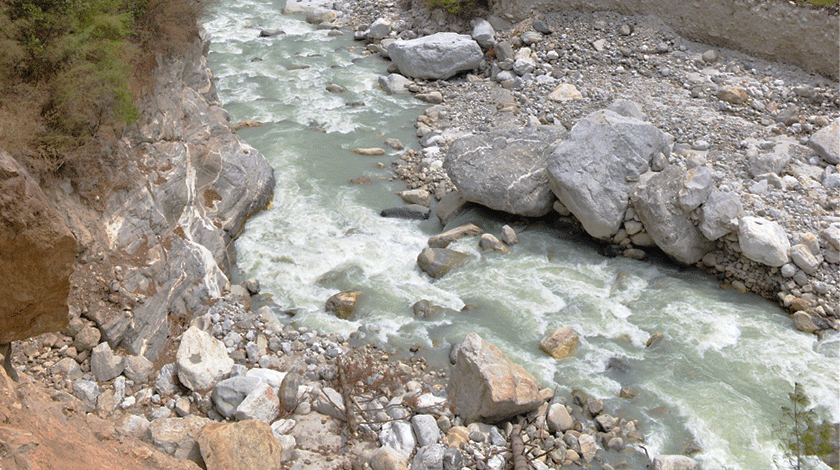
The Dudh Koshi River is one of the most iconic rivers in Nepal, flowing from the high glaciers of the Everest region. Its name, meaning “Milk River,” perfectly describes the milky white, glacier-fed waters that wind through some of the world’s most spectacular trekking landscapes. For trekkers, adventure seekers, and nature lovers, the Dudh Koshi is more than just a river—it’s a guide through the heart of the Himalayas.
Origins and Geography of Dudh Koshi River
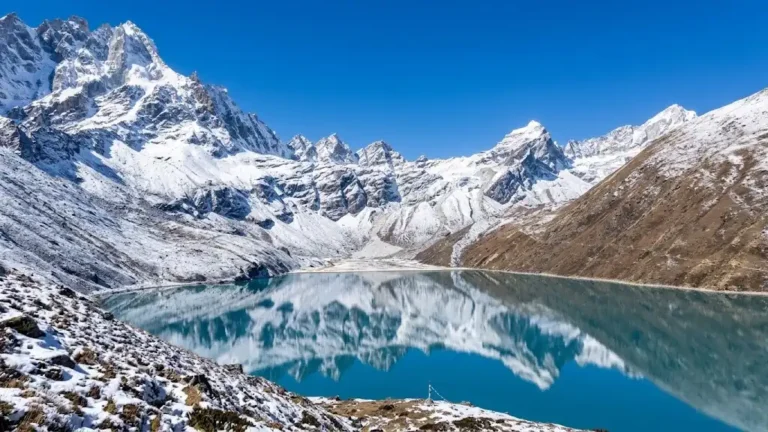
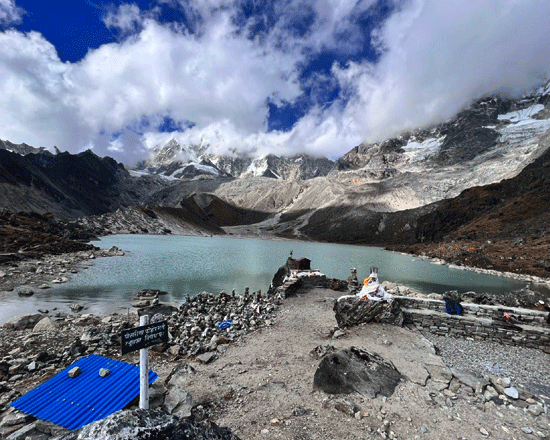
The Dudh Koshi originates from the Gokyo and Ngozumpa glaciers, near the base of Everest. It flows southwards through the Solu-Khumbu district, merging with other rivers to form the Koshi River, which eventually drains into the Ganges in India. Along its journey, the river carves deep valleys, nourishes forests, and supports local Sherpa communities. Its high-altitude terrain makes it a challenging yet rewarding path for trekkers.
The Importance of Dudh Koshi in Trekking
Trekking along the Dudh Koshi River is an unforgettable experience. Trails like the Everest Base Camp trek, Gokyo Lakes trek, and Three Passes trek often follow the river’s course. The river provides natural water sources, stunning scenery, and a sense of direction through the rugged Himalayan terrain. Many iconic Sherpa villages, including Namche Bazaar, Tengboche, and Dingboche, are located along or near its banks.
Villages Along the Dudh Koshi
- Namche Bazaar: Known as the gateway to Everest, Namche sits above the Dudh Koshi, offering panoramic views and local markets.
- Tengboche: Famous for its monastery and cultural festivals, Tengboche overlooks the river valley.
- Dingboche: A high-altitude village with terraced fields, Dingboche is nestled along the river, providing trekkers a place to acclimatize.
The River’s Natural Beauty
Lush rhododendron forests, alpine meadows, and terraced farming villages surround the Dudh Koshi River. During spring, the pink and red rhododendron flowers along the riverbanks create a breathtaking view. The turquoise, milky waters reflect the towering Himalayan peaks, giving trekkers picture-perfect scenery at every turn.
Wildlife Along the Dudh Koshi
The river valley is home to a variety of wildlife. Himalayan thar, snow leopards, red pandas, and numerous bird species can be spotted along its course. The river’s ecosystem supports these species, providing water, food, and shelter. For nature enthusiasts, trekking along the Dudh Koshi offers not only adventure but also wildlife encounters.
Adventure Activities
- Whitewater Rafting: Certain sections of the Dudh Koshi are suitable for rafting, offering adrenaline-pumping experiences for thrill-seekers.
- Photography & Nature Walks: Every bend of the river provides stunning photographic opportunities.
- Camping: Camping along the riverbanks allows trekkers to immerse themselves in the serenity of the Himalayas.
Cultural Significance
The Dudh Koshi River holds spiritual importance for the Sherpa and Tibetan Buddhist communities. Many monasteries and religious sites, such as Tengboche Monastery, are located along the river. Rituals and festivals often involve blessings from the river, symbolizing purity and life-giving energy.
Seasonal Considerations
- Spring (March–May): Ideal for trekking; rhododendrons bloom and the river flows gently.
- Autumn (September–November): Clear skies, ideal for viewing Everest and its surrounding peaks.
- Monsoon (June–August): Heavy rains can swell the river and make trails slippery.
- Winter (December–February): Cold and challenging, suitable for experienced trekkers.
Trekking Essentials Along Dudh Koshi
- Proper hiking boots for rocky trails
- Layered clothing for variable temperatures
- Trekking poles for steep ascents and descents
- Water purification methods for drinking river water
- Maps or GPS devices for navigation
Trekking Routes Along Dudh Koshi
- Everest Base Camp Trek: Follows the river through Namche Bazaar, Tengboche, and Dingboche to Everest Base Camp.
- Gokyo Lakes Trek: Runs parallel to the Dudh Koshi, offering spectacular views of turquoise glacial lakes.
- Three Passes Trek: Combines the Dudh Koshi valley with challenging high passes like Cho La, Renjo La, and Kongma La.
Tips for a Successful Trek
- Acclimatize properly at Dingboche or other high-altitude villages
- Hire local guides for safety and cultural insights
- Respect the environment and avoid littering along the riverbanks
- Start early in the day to enjoy clear views of the river and mountains
Best Photography Spots
- The suspension bridges across the Dudh Koshi
- Namche Bazaar viewpoints
- Tengboche Monastery with the river in the foreground
- Confluence points where smaller tributaries meet the Dudh Koshi
Accommodation Along the River
Tea houses and lodges line the trekking trail, offering warm meals and cozy rooms. From Namche Bazaar to Dingboche, trekkers can enjoy local hospitality, traditional Sherpa food, and breathtaking river views from their windows.
Trek Grade
Grade 1
Tap outside to close
Trekking is essentially day hiking and doesn't require any special training. However, good physical condition, a love of walking, and a desire to enjoy mountain views and village life are essential.
Grade 2
Tap outside to close
These treks are suitable for walkers looking for something more challenging and energetic. Hill-walking experience is desirable, with longer days and higher elevations.
Grade 3
Tap outside to close
Since the terrain can be hard and the days long, hikers should be in good physical condition and have previous mountain walking experience. High passes and extended trekking days may be involved.
Trek Grade
Grade 1
Tap outside to close
Trekking is essentially day hiking and doesn't require any special training. However, good physical condition, a love of walking, and a desire to enjoy mountain views and village life are essential.
Grade 2
Tap outside to close
These treks are suitable for walkers looking for something more challenging and energetic. Hill-walking experience is desirable, with longer days and higher elevations.
Grade 3
Tap outside to close
Since the terrain can be hard and the days long, hikers should be in good physical condition and have previous mountain walking experience. High passes and extended trekking days may be involved.
Local Cuisine
Sample Sherpa dishes such as:
- Thukpa: Hearty noodle soup
- Momos: Dumplings filled with vegetables or meat
- Tsampa: Roasted barley flour, a high-energy local staple
Environmental Conservation
The Dudh Koshi River region is part of Sagarmatha National Park, a UNESCO World Heritage Site. Trekkers are encouraged to follow eco-friendly practices to preserve the river’s pristine condition and the surrounding Himalayan ecosystem.
Why Dudh Koshi River is a Must-Visit
- Unique glacial river experience in the Everest region
- Iconic trekking routes and villages along its banks
- Stunning Himalayan landscapes and wildlife encounters
- Cultural and spiritual significance for local communities
- Adventure activities like rafting, camping, and photography
Conclusion
The Dudh Koshi River is not just a river—it’s the pulse of the Everest region. Whether you’re trekking to Everest Base Camp, exploring hidden villages, or simply soaking in nature’s beauty, the river adds magic to every step of your journey. Its milky waters, towering peaks, and vibrant culture make it a must-experience destination for trekkers worldwide.
Frequently asked questions
Q1: What is the best time to trek along the Dudh Koshi River?
A1: Spring (March–May) and Autumn (September–November) are ideal for clear skies and moderate river flow.
Q2: Are guides necessary for Dudh Koshi River treks?
A2: While experienced trekkers may go solo, hiring local guides ensures safety, cultural insights, and better navigation.
Q3: Can I drink water directly from the Dudh Koshi River?
A3: No, always purify river water using tablets or filters to avoid waterborne illnesses.
Q4: What are the popular trekking routes along the Dudh Koshi?
A4: Everest Base Camp Trek, Gokyo Lakes Trek, and the Three Passes Trek are the most popular routes.
Q5: Are there any adventure activities besides trekking?
A5: Yes, rafting, photography, and camping along the riverbanks are popular activities for adventure seekers.