
October 17, 2026
Langtang Valley Trek Reopens After Floods
 By admin
Langtang Valley Trek Reopens After 2026 Floods: Latest Road and Trail Update
The Langtang Valley Trek is becoming accessible again following the devastating Bhote Koshi floods and landslides of August 2026. Local residents have repaired damaged sections of the trekking route, and road access toward the Langtang region has recently improved. These developments bring welcome news for trekkers planning an autumn adventure in Nepal.
According to a report published by Republica on October 16, local residents repaired landslide-damaged sections of the Langtang trekking route, restoring access for trekkers and local communities. However, conditions may vary along the road and trail, so travellers should confirm the latest information before departure.
At Nepal Wilderness Trekking, we understand that many international visitors have questions about the Langtang Valley Trek after the floods. In this update, our local trekking team explains the recent developments, the trekking route, what visitors should expect, and how to plan a responsible journey in the Langtang region.
Is the Langtang Valley Trek Open Now?
The Langtang Valley Trek is becoming accessible again after the flood-related disruptions. Local communities have worked to repair damaged trail sections, while road access toward the region has improved. Recent reports indicate that the route is reopening for trekking and local travel.
However, reopening does not mean that every road section, bridge, lodge, or trail is operating normally. Some infrastructure may still need repairs, and further rainfall can cause landslides or temporary road closures.
Trekkers planning to visit in October or November 2026 should confirm road access, accommodation availability, and trail conditions before leaving Kathmandu. For the latest information, read the recent report on the reopening of the Langtang trekking route.
What Happened to the Langtang Trekking Route?
The heavy flooding of August 2026 severely affected parts of Rasuwa District and the road network connecting Kathmandu with the Langtang region. Floodwaters and landslides damaged bridges, roads, and access routes around Syabrubesi and nearby areas.
These disruptions made travel difficult for local communities, tourism businesses, and trekkers. Some sections of the approach route became inaccessible, creating uncertainty for visitors who had already booked their autumn trekking holidays.
It is important to distinguish between the access road and the trekking valley itself. The road to the trailhead passes through flood-affected areas, while the Langtang Valley trekking route follows the Langtang Khola into the mountains. Conditions can differ between these areas, and the status of each section should be checked separately.
Since the floods, local residents have worked to restore damaged sections and improve access. Their efforts are helping tourism and community life recover.
Kathmandu to Langtang Valley: Road Access Update After the Floods
Following the recent floods and landslides in Rasuwa District, road access to the Langtang Valley Trek has been affected. At present, our trekking arrangements use Thulo Syabru Village as the starting point instead of Syabrubesi, because flood damage has disrupted access to the usual trailhead.
The drive from Kathmandu follows the road toward Dhunche and the Langtang region before continuing to Thulo Syabru, depending on current road conditions. Travel time may vary due to damaged road sections, ongoing repairs, and local traffic.
Trekkers planning to visit Langtang in October or November 2026 should consider the following points:
- Starting point: The trek currently begins at Thulo Syabru Village rather than Syabrubesi.
- Road conditions: Some sections may be rough or affected by landslides, so travel arrangements should be confirmed before departure.
- Transport: A suitable private jeep or other appropriate vehicle can be arranged according to the latest road conditions.
- Accommodation: Confirm the availability of lodges along the planned route before starting.
- Flexible itinerary: Allow extra time in case of road delays or changes to the trekking route.
At Nepal Wilderness Trekking, our local team checks available road and trail information to help trekkers plan their journeys according to current conditions. We recommend confirming the latest access arrangements before travelling from Kathmandu.
Langtang Valley Trek Route and Main Highlights
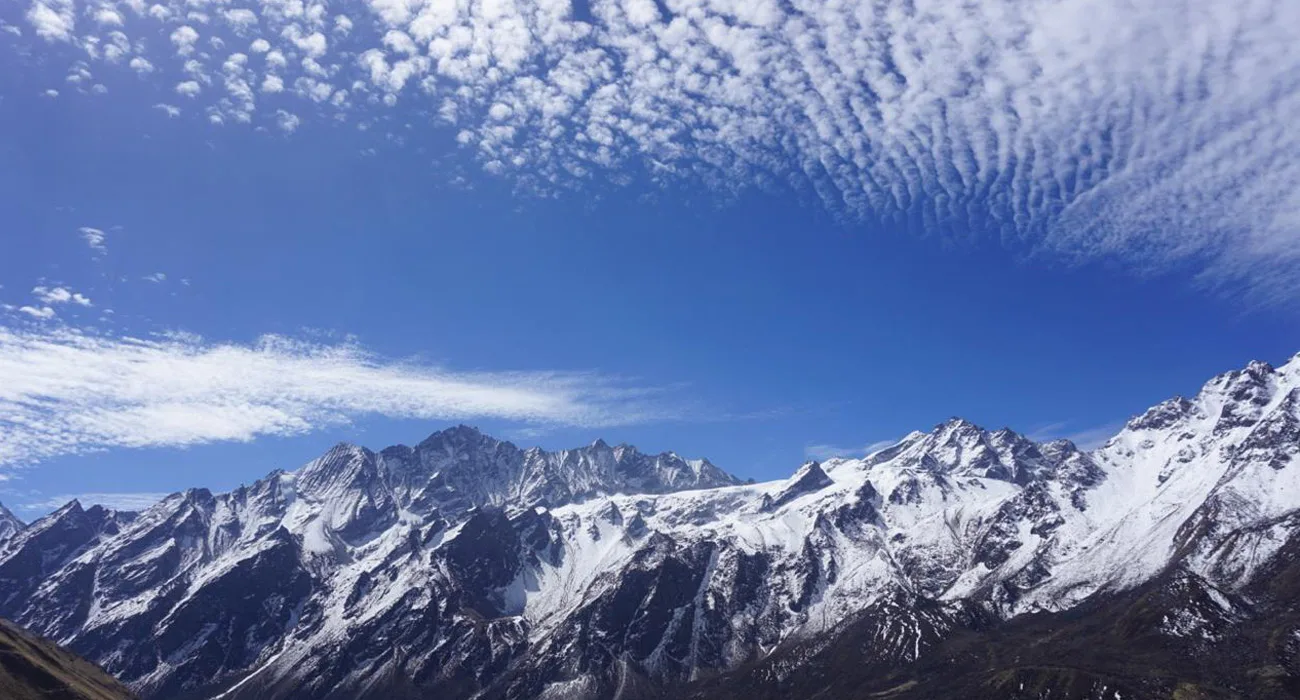
The Langtang Valley Trek is one of Nepal’s rewarding Himalayan adventures. It combines dramatic mountain scenery, traditional Tamang villages, beautiful forests, Buddhist culture, and high-altitude viewpoints.
Following the recent flood damage, the current itinerary starts with a drive from Kathmandu to Thulo Syabru Village instead of Syabrubesi.
The revised route is:
Kathmandu → Thulo Syabru Village → Lama Hotel → Langtang Village → Kyanjin Gompa → Kyanjin Ri or Tserko Ri → Return via Lama Hotel to Thulo Syabru Village → Kathmandu
The exact walking route and overnight stops should be confirmed with your local trekking guide, as trail access and conditions may change.
Main Places to Visit on the Langtang Valley Trek
Thulo Syabru Village (approximately 2,210 m)
Thulo Syabru is a traditional Tamang village surrounded by green hills and mountain scenery. Under the current post-flood arrangements, it serves as the starting point for the trek instead of Syabrubesi. Trekkers can experience local culture and prepare for the journey into the Langtang Valley.
Lama Hotel (approximately 2,470 m)
The trail passes through forested hills and along the Langtang Khola before reaching Lama Hotel, a popular overnight stop surrounded by woodland. The walking distance and elevation gain will depend on the exact starting trail used from Thulo Syabru.
Langtang Village (approximately 3,430 m)
Langtang Village is known for its Tamang culture, Buddhist traditions, traditional mountain life, and views of the surrounding peaks. The village was rebuilt after the devastating 2015 earthquake.
Kyanjin Gompa (approximately 3,870 m)
Kyanjin Gompa is the main destination in the upper Langtang Valley. Trekkers can explore the village, visit the monastery, enjoy views of the surrounding mountains, and take additional walks to help with acclimatisation.
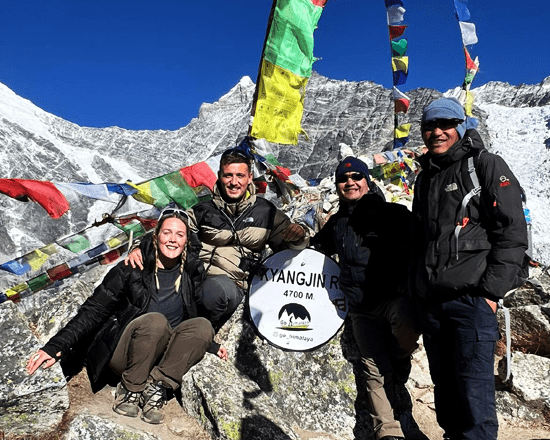
Kyanjin Ri (approximately 4,600–4,773 m)
Kyanjin Ri is a popular viewpoint offering panoramic views of Langtang Lirung and the surrounding Himalayan peaks. The ascent is steep and requires suitable weather and proper acclimatisation.
Tserko Ri (approximately 5,000 m)
Tserko Ri is a more challenging optional hike for trekkers seeking expansive views of the Langtang mountain range. It requires good fitness, appropriate equipment, and careful attention to altitude.
The Langtang Valley Trek generally takes around 7–8 days, depending on the itinerary, acclimatisation requirements, road access, and the time spent exploring the upper valley.
Is It Safe to Trek Langtang After the Floods?
The recent reopening of access routes is encouraging, but conditions can still change. Road repairs do not necessarily mean that every trekking trail, bridge, or lodge is fully operational.
Before starting the Langtang Valley Trek, we recommend that visitors:
- Confirm the latest road and trail conditions with a local trekking agency.
- Check access to Thulo Syabru Village and the planned overnight stops.
- Follow advice from local authorities, park officials, and experienced guides.
- Avoid crossing swollen rivers or walking beneath unstable slopes.
- Keep travel plans flexible in case of landslides or road closures.
- Obtain travel insurance that covers trekking at the planned altitude and emergency evacuation.
At Nepal Wilderness Trekking, we prioritise safety and make arrangements according to the latest information available from local sources. Our guides can help assess the route and adjust the itinerary when conditions require it.
Why Trek Langtang in October and November?
October and November are traditionally popular months for trekking in Langtang because of generally favourable weather and excellent mountain views. Visitors can experience Tamang culture, peaceful forests, traditional villages, and the impressive Himalayan landscape.
Although the 2026 floods have disrupted normal travel arrangements, the use of Thulo Syabru Village as an alternative starting point provides a route for planning the trek, subject to current local access and trail conditions.
By trekking responsibly and using local services, visitors can also help support the communities whose livelihoods depend on tourism.
Plan Your Langtang Valley Trek with Nepal Wilderness Trekking
The Langtang Valley Trek offers an opportunity to explore one of Nepal’s beautiful mountain regions while experiencing local culture and hospitality. Following the recent floods, our current arrangements use Thulo Syabru Village instead of Syabrubesi as the starting point.
If you are planning a Langtang trek in October or November 2026, contact Nepal Wilderness Trekking for the latest information about road access, trekking routes, accommodation, and guide arrangements.
Our local team will help you plan your journey according to the conditions at the time of travel.
Nepal Wilderness Trekking — Trekking in Nepal with Local Experts. Safety and Satisfaction First.
Trekking is essentially day hiking and doesn't require any special training. However, good physical condition, a love of walking, and a desire to enjoy mountain views and village life are essential.
These treks are suitable for walkers looking for something more challenging and energetic. Hill-walking experience is desirable, with longer days and higher elevations.
*
**
***
Ganja La Pass Trek is a Grade 4 (Challenging) trek involving long walking days, steep ascents and descents, rugged mountain trails, and high-altitude terrain. The crossing of Ganja La Pass at around 5,100 m requires good physical fitness, proper acclimatization, and previous trekking experience. Weather conditions can change quickly, and snow or ice may be encountered around the pass. Trekking experience at high altitude and good preparation are strongly recommended.