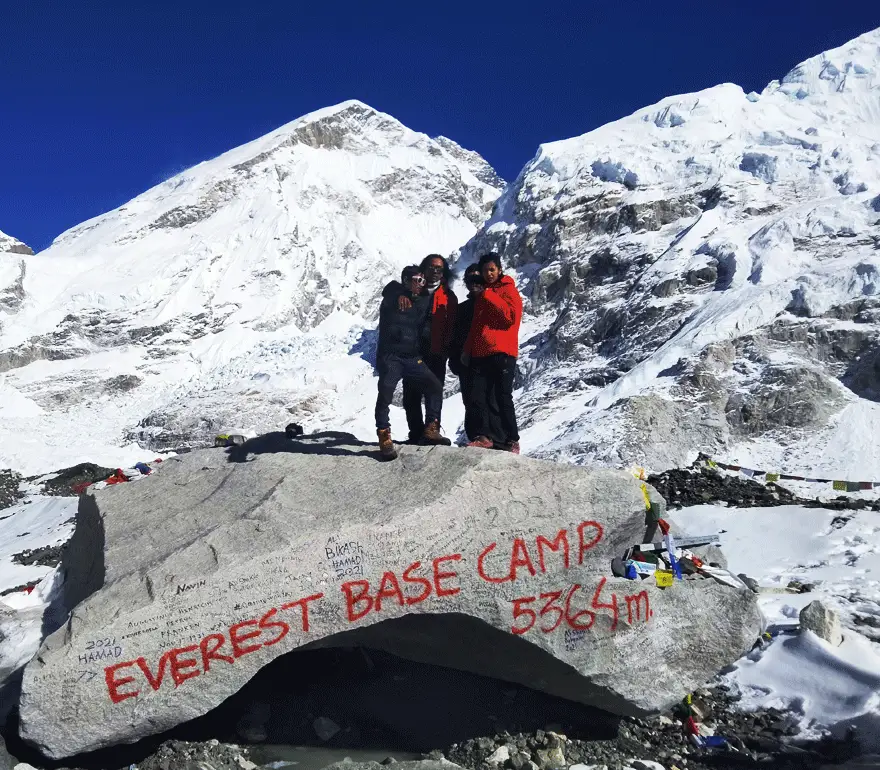
Three Passes Trek with Everest Base Camp
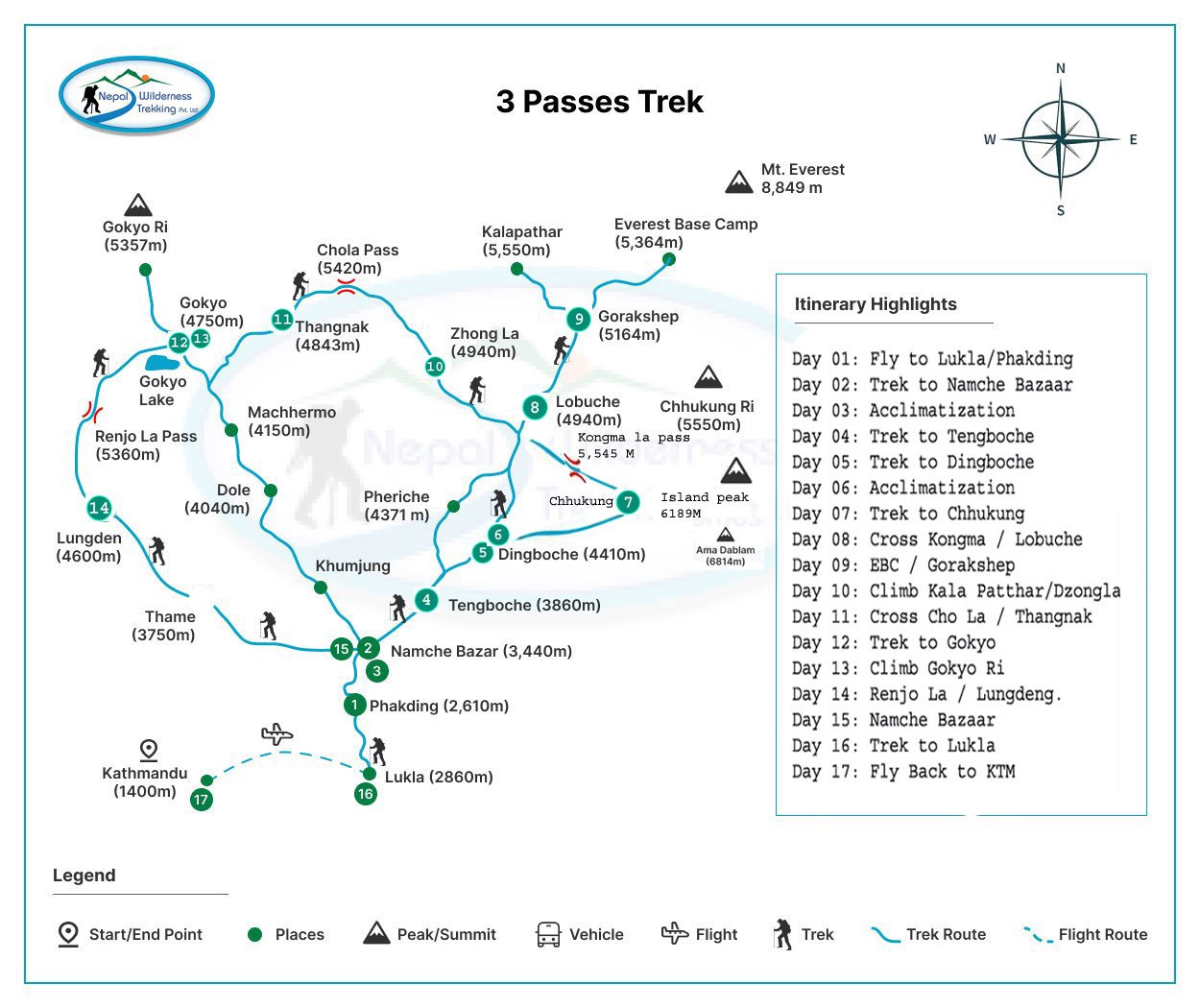
The Everest Three Passes Trek is a challenging high-altitude trek through the Khumbu region of Nepal. The route crosses three major mountain passes—Renjo La (5,360 m), Cho La (5,420 m), and Kongma La (5,535 m)—and connects the Gokyo Valley, Everest Base Camp and the Chhukung Valley.
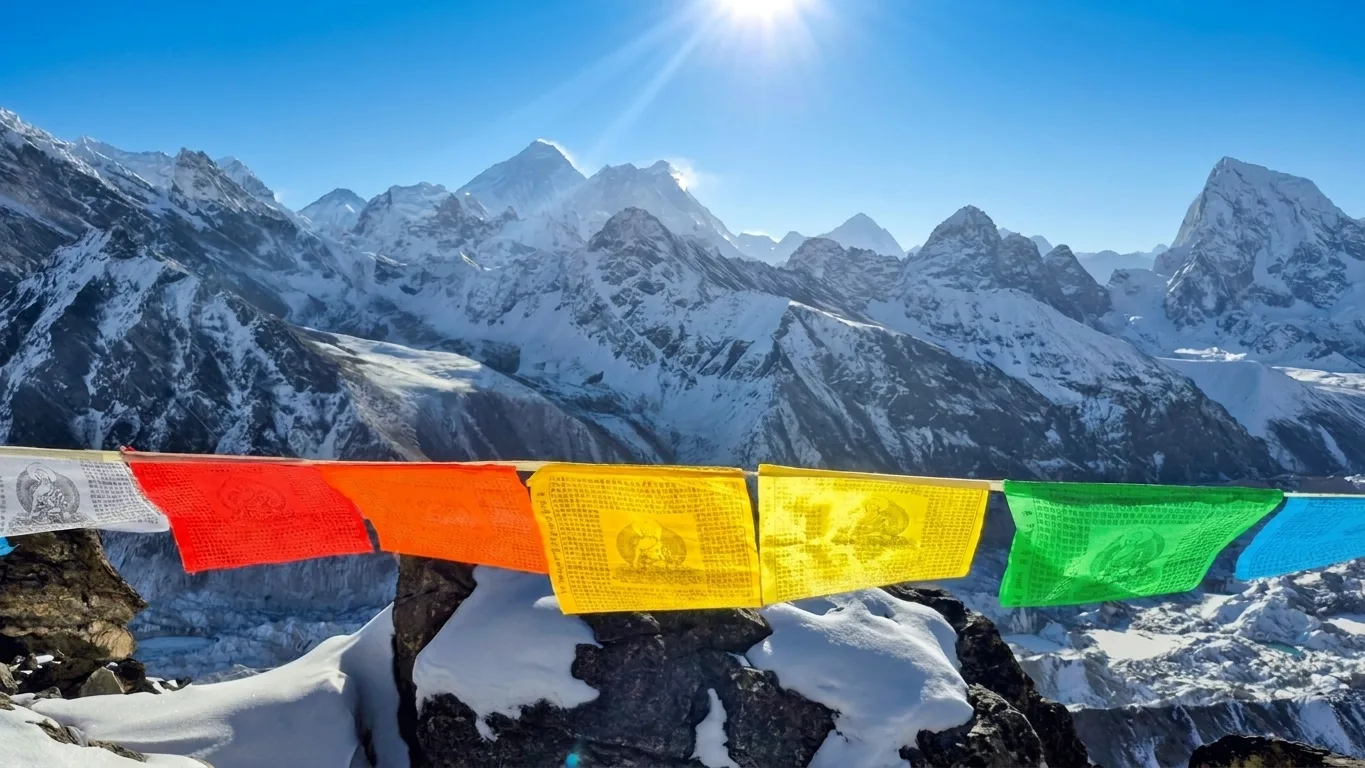
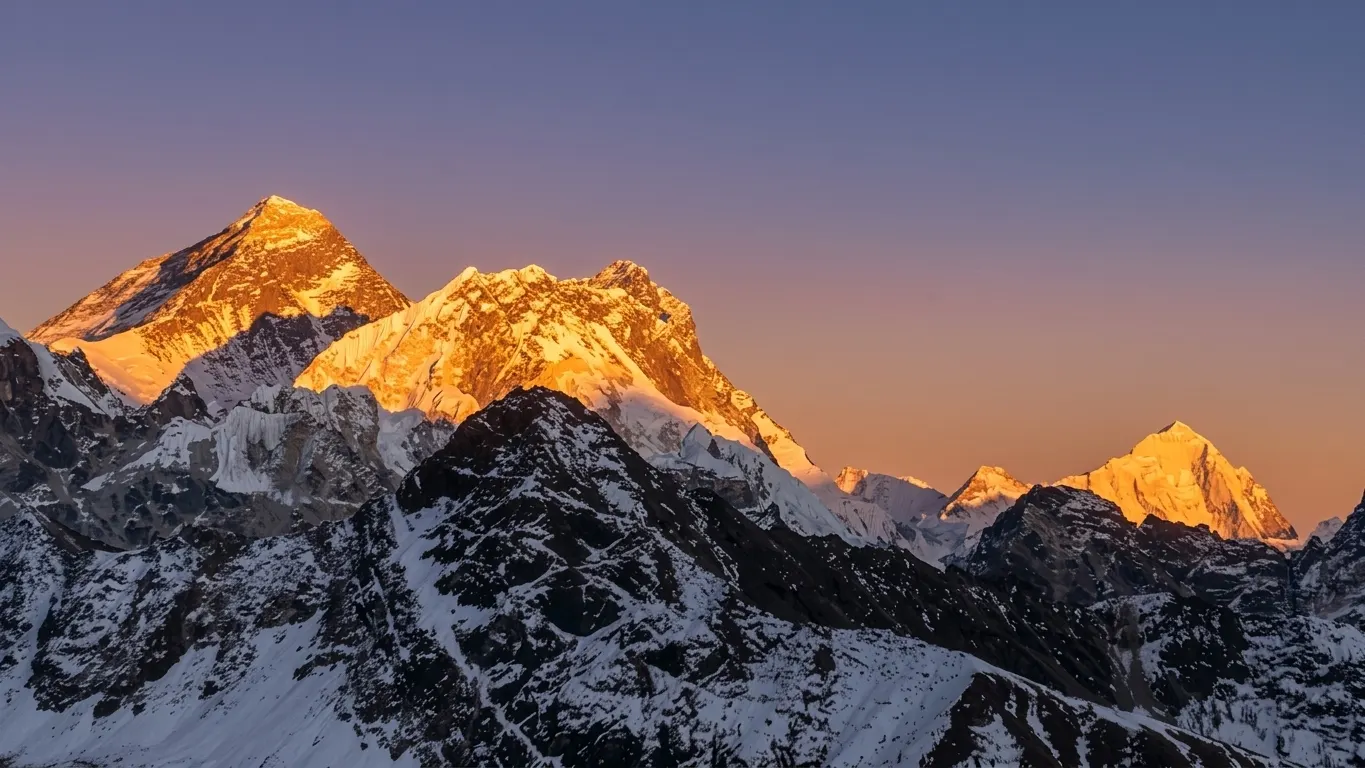
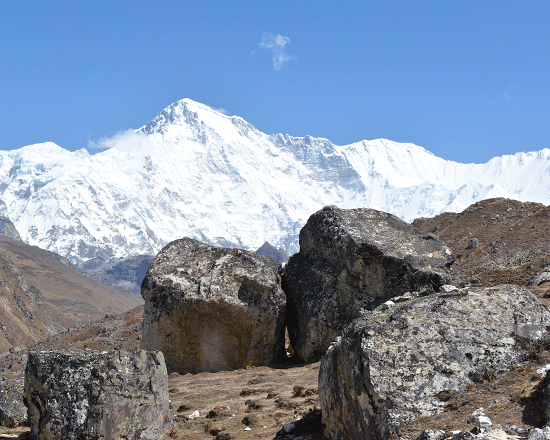
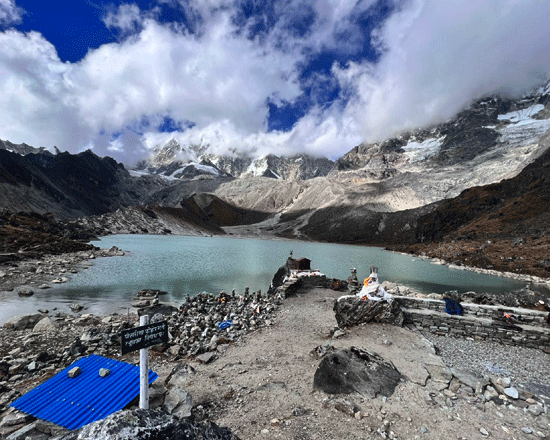
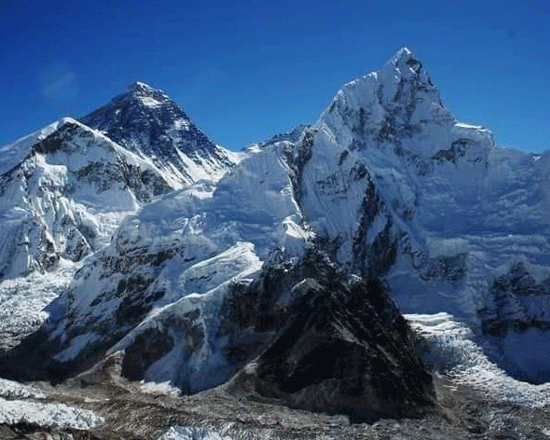
Along the way, you will experience spectacular views of Mount Everest, Lhotse, Makalu, Ama Dablam and other Himalayan peaks, as well as Sherpa villages, Buddhist monasteries, glaciers, alpine valleys and high mountain landscapes.
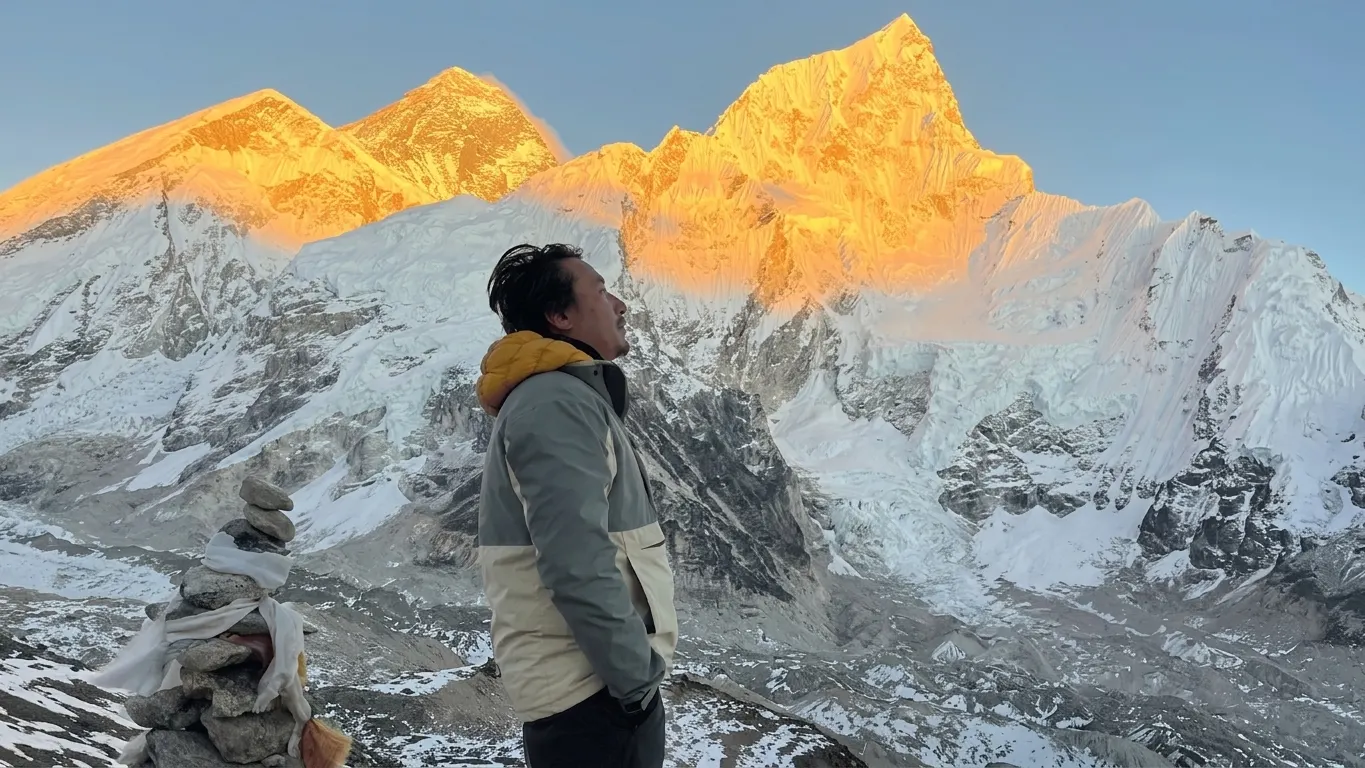
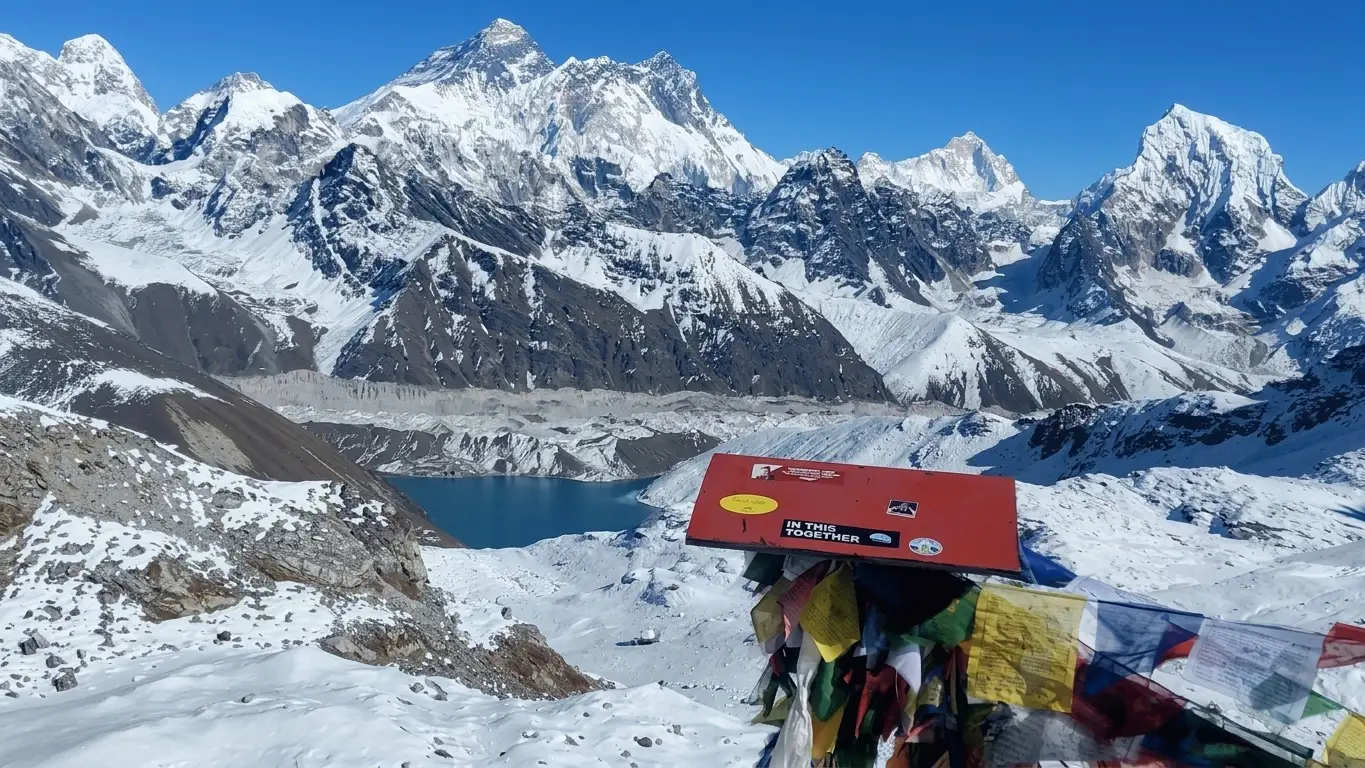
The trek also includes several well-known viewpoints, including Gokyo Ri, Kala Patthar and Chhukung Ri. These viewpoints provide panoramic views of the surrounding mountains, although conditions and the exact route may vary depending on weather and trail conditions.
Unlike the standard Everest Base Camp route, the Three Passes Trek follows a more demanding circuit through several remote sections of the Khumbu. It combines Everest Base Camp, Gokyo Lakes and three high mountain passes in one itinerary, making it suitable for trekkers looking for a challenging and comprehensive journey through the Everest region.
Everest 3 Passes Trek difficulty:
The Everest Three Passes trek is moderate to difficult, requiring significant stamina and hiking skills, well-prepared equipment, including microspikes. Snow and ice consistently cover the three passes in the Nepal trekking region. The itinerary is crafted based on the challenges and extended journey, comprising 17 days of tough hikes covering 148 km, passing over the high-altitude Bhanjyang, Renjo la Pass, Cho la Pass, and Kongma-La Pass.
The anti-clockwise route is often considered the best for the Everest Three Passes Trek. The trek summits Gokyo Ri, Kala Patthar, and Chhukung Ri, and three high passes. From these Trekking peaks and passes, you can film and take photographs of beautiful mountains, Mt. Everest, Mt. Pumori, Mt. Makalu, Mt. Lhotse, Ama Dablam, and many white peaks. It is a breathtaking mountain view.
Hidden Peaks Along the Everest 3 Passes Trek
Many hidden Peaks around the Everest Three Pass Trekking area, the Sundar Peak 5,360m in Thame, Nangkartshang Peak 5,100m in Lungden, Ngozumpa Tse Peak 5,553m in Gokyo, Awi Peak 5,245m in Zhong la, Pokalde Peak (Dolma Ri 5,806 m) in Kongma-La ridge, Chukhung Ri 5,546 m in Chhukung, and Nagartsang Peak 5,083m in Dingboche. If time allows you to ascend all the peaks, you can add a few extra days to your itinerary.
The Everest Three Passes Trek serves as an excellent approach for climbing nearby Himalayan peaks like Lobuche, Island Peak (Imja Tse), and Ama Dablam. Here’s how it helps climbers:
Altitude and Acclimatization
The Three Passes Trek reaches more than 5,500 m, so altitude is one of the main challenges of the route. The itinerary includes acclimatization days and gradual elevation gain to give your body time to adjust.
Your guide will monitor your condition throughout the trek. If you develop symptoms of altitude sickness, the priority is to stop ascending and, when necessary, descend to a lower elevation.
Good hydration, a steady walking pace, adequate rest and following your guide’s advice are important at high altitude.
Approach to Base Camps
The trek naturally passes near or through the base camps of these peaks:
-
Lobuche Peak Base Camp: Access via the trail through Lobuche village
-
Island Peak Base Camp (Imja Tse): Trek through Dingboche and the Imja Valley
-
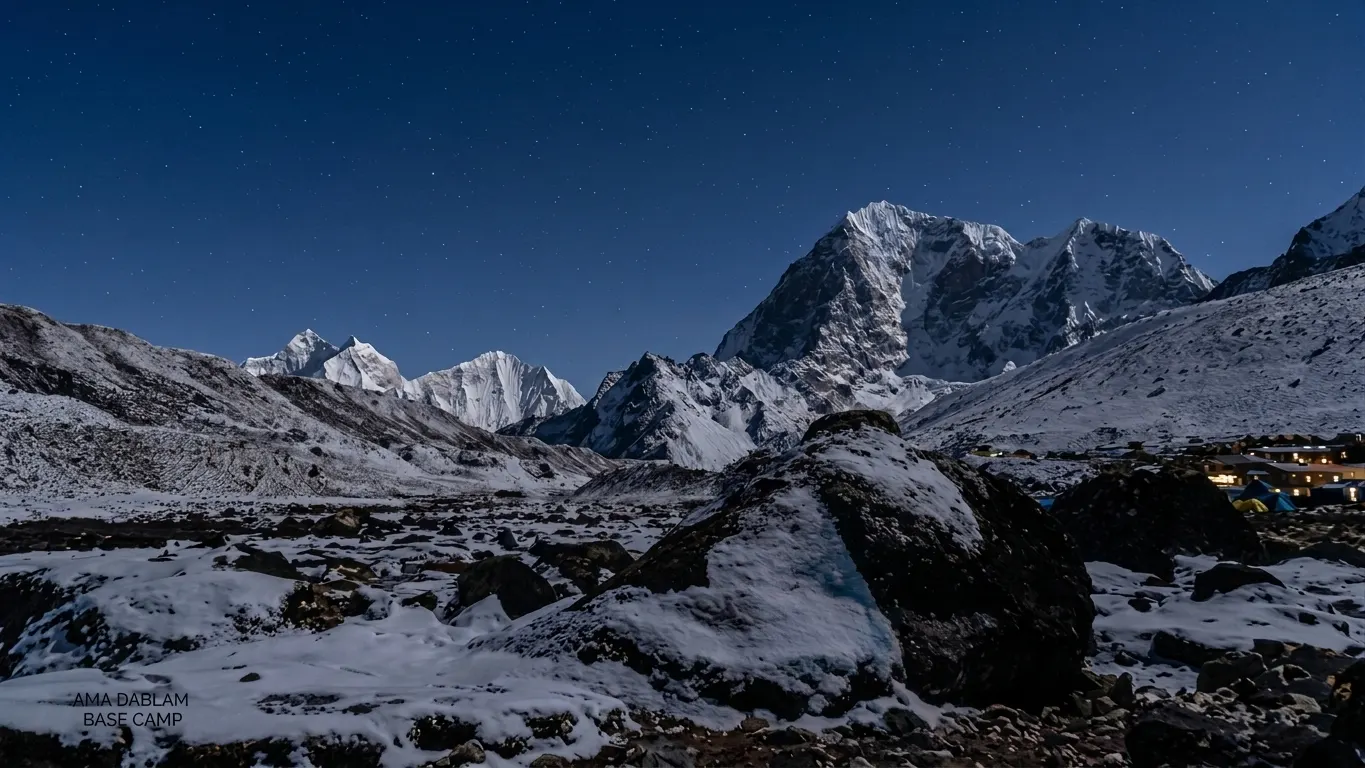
Ama Dablam Base Camp: Reachable via Pangboche and the Chukhung Valley
Trekking these passes prepares climbers physically while giving them familiarity with the terrain.
3. Strength and Endurance Training
The combination of long trekking days, steep ascents, and rugged trails builds stamina and strength, which is crucial for technical climbs on the surrounding peaks.
Everest high Passes Trek distance:
The Everest Three Passes Trek covers a total distance of approximately 148 km. On average, trekkers walk about 11–12 km per day, but this varies depending on altitude and terrain.
-
At lower altitudes (below ~3,500 m), the terrain is gentler, and trekkers can cover longer distances per day—often more than 11.5 km.
-
At higher altitudes (above 5,000 m), the terrain becomes steep, icy, and physically demanding. Trekkers move more slowly, covering shorter distances, sometimes less than 8–9 km per day.
This pattern occurs because:
-
High-altitude areas require careful pacing to prevent altitude sickness.
-
Steep climbs and passes such as Kongma La, Cho La, and Renjo La demand more energy and time.
-
Lower-altitude descents allow longer distances since the body recovers, and the terrain is less strenuous.
Guide Essential for the Everest 3 Passes Trek
We do not recommend the Everest 3 Passes Trek for independent solo travelers without guides and porters. The trails are rough and challenging, with steep climbs, icy and slippery cliffs, high-altitude passes, and rapidly changing weather.
The Nepal Wilderness Trekking Guide team is an expert on the Everest 3 Passes trek route. We guide small groups and solo trekkers every week during peak season at a competitive cost. Whether male or female, all our guides are well-educated and know the Everest region extensively. They have done the Three High Pass trek numerous times a month during the season. So, they are familiar with every detail of the area, including the terrain, people, culture, and trails.
Everest Three Passes Trek with NWT Company:
The tourism industry recognizes Nepal Wilderness Trekking and Expedition as the top-rated company due to the following salient features. Locally Owned and Operated with Competitive Cost. As a local trekking operator, we have more experience regarding the Three Passes Trek and its surroundings. We know how to get you to the Three Passes route in the best way possible and how to achieve your goal safely.
Our Everest Three Passes trails have an excellent success rate thanks to our experienced guides, careful planning, and strong commitment to client safety and satisfaction. As a trusted local trekking company in Nepal, Nepal Wilderness Trekking operates every trek with professionalism, honesty, and transparency.
We believe that every trekker is unique, so we take the time to understand the goals, fitness level, and travel preferences. Whether you are looking for a standard itinerary, extra acclimatization days, side trips to hidden viewpoints, or a more personalized trekking experience, we can tailor the Everest Three Passes Trek to match your needs.
From your first inquiry to the completion of your trek, our team remains responsive, supportive, and dedicated to ensuring you have a safe, enjoyable, and memorable adventure in the Everest region.
Nepal Wilderness Trekking provides the value of what you buy from our services at least equal to the amount you pay. You will not be charged any middle or hidden fees when you purchase our services. Our local expert trekking guide will stay in close contact with our clients every step of the way. Our company ensures customers’ safety at all times, so they will have peace of mind while trekking to the Three Passes with us.
Challenging for beginners:
For beginner trekkers, the altitude and rugged terrain of the Everest 3 Passes trek can pose several challenges. Altitude sickness is a real concern, as the trek takes you above 5,000 meters, where oxygen levels are significantly lower. Proper acclimatization and a slow ascent are crucial to minimize the risk of altitude-related illnesses.
Additionally, the trail can be physically demanding, with steep ascents and descents, rocky paths, and potentially harsh weather conditions. Trekkers should prepare for long days of hiking, often averaging 6 to 8 hours of walking per day. Ultimately, the Three Passes trek may be tough for beginners. It is also a transformative experience that rewards those who dare to take on the challenge with unforgettable memories and a sense of accomplishment.
Everest 3 Passes Trip Important
- The 3 best places for photographers during the Everest Three Passes Trek are Gokyo Ri, Kala Patthar, and Chhukung Ri. These points offer breathtaking views of the high mountains during the trek.
- The unsurpassed, breathtaking view of Mount Everest, Cho Oyu, and Makalu from Gokyo Ri, Kalapathar, and Chhukung.
- Experience the vibrant Sherpa communities’ cultural heritage.
- Stunningly old Buddhist monasteries.
Trekking Permits:
For the Everest Three Passes trek, you only need two types of permits: the Everest National Park Entry Permit and the Khumbu Pasang Lhamu Rural Municipality Entrance Permit. These permits cover the entire region; all require permits organized by the Nepal Wilderness Trekking Agency.
Note:
All published dates are guaranteed departures. If these dates don’t suit your schedule, we can organize a private or solo trip on your preferred dates. Share your trip details, and we will turn your dream into reality.