April 1, 2026
Kanchenjunga
 By admin
Kanchenjunga: The Ultimate Remote Himalayan Wilderness of Nepal (Complete 2026 Guide)
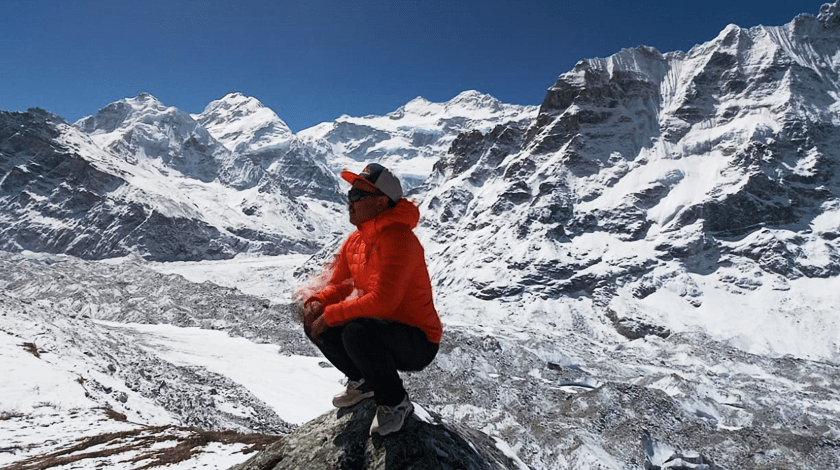
Kanchenjunga is one of the most magnificent and least explored regions of the Himalayas. Rising to 8,586 meters (28,169 feet), it is the third-highest mountain on Earth and stands as a symbol of raw wilderness, sacred geography, and untouched beauty.
Located in eastern Nepal along the border with India, the Kanchenjunga region remains one of the last true frontiers for adventure trekking in the Himalayas.
Unlike Everest or Annapurna, this region is not commercialized. There are no crowds, no luxury lodges, and no rushed tourism. Instead, trekkers find silence, glaciers, ancient forests, remote villages, and a deep spiritual connection with the mountains.
Introduction: The Sacred Meaning of Kanchenjunga
The name Kanchenjunga means “Five Treasures of the Great Snow.” These five treasures are believed to represent:
- Gold
- Silver
- Precious stones
- Grain
- Sacred scriptures
For local communities, the mountain is not just a physical structure but a sacred guardian. Many believe the peaks are protected by mountain spirits.
This spiritual significance has shaped local traditions for centuries and continues to influence daily life in the region.
The entire trekking area lies within the protected Kanchenjunga Conservation Area, which spans over 2,000 square kilometers of forests, rivers, glaciers, and alpine valleys.
Why the Kanchenjunga Trek is So Special
The Kanchenjunga Trek is often called “the last great wilderness trek of Nepal.”
Key Reasons to Choose Kanchenjunga:
- Extremely remote and untouched trails
- Very low number of trekkers
- Two base camps (North & South)
- Rich cultural diversity
- Incredible biodiversity
- Dramatic Himalayan landscapes
- Authentic village lifestyle
This trek is ideal for trekkers who want something far beyond the standard Himalayan experience.
Geography and Landscape Diversity
One of Kanchenjunga’s greatest strengths is its dramatic ecological variation.
The trail passes through five major zones:
1. Subtropical Zone (1,000–2,000 m)
This is the lower region of the trek.
Features:
- Warm and humid climate
- Terraced farmland
- Dense green forests
- Rivers and waterfalls
- Cardamom farming areas
Villages here are lively and agricultural, with strong ethnic diversity.
2. Temperate Forest Zone (2,000–3,000 m)
This is one of the most beautiful parts of the trek.
Features:
- Rhododendron forests
- Oak, pine, and maple trees
- Bamboo groves
- Moss-covered trails
- Bird-rich environment
In spring, the entire forest turns red, pink, and white with rhododendron blossoms.
3. Alpine Zone (3,000–4,500 m)
As altitude increases, landscapes open up.
Features:
- Wide valleys
- Yak grazing lands
- Cold winds
- Snow patches
- Fewer trees
This region is where Tibetan-influenced culture becomes more visible.
4. Glacier Zone (4,500–5,143 m)
This is the high Himalayan wilderness.
Features:
- Massive glaciers
- Ice formations
- Moraines
- Extreme cold conditions
- Kanchenjunga massif views
Here lies the famous Pangpema North Base Camp.
Flora: Botanical Wealth of Kanchenjunga
Kanchenjunga is one of Nepal’s richest botanical regions.
Rhododendron Forests
The national flower of Nepal dominates the mid-hills:
- Over 20 species
- Red, pink, white blooms
- Dense flowering forests in spring
These forests create a magical tunnel-like trekking experience.
Medicinal Plants
The region is rich in Himalayan herbs:
- Yarsagumba (high-value fungus)
- Jatamansi
- Panchaule
- Kutki
- Chiraito
Locals use these for traditional medicine and income generation.
Trekking is essentially day hiking and doesn't require any special training. However, good physical condition, a love of walking, and a desire to enjoy mountain views and village life are essential.
These treks are suitable for walkers looking for something more challenging and energetic. Hill-walking experience is desirable, with longer days and higher elevations.
Since the terrain can be hard and the days long, hikers should be in good physical condition and have previous mountain walking experience. High passes and extended trekking days may be involved.
This is challenging and technical trekking or climbing in Nepal. Participants should be physically fit, mentally prepared, and ready for off-the-beaten-trail routes, camping, or high passes.
This is a very demanding expedition level trip for experienced trekkers or climbers. Strong fitness, preparation, and confidence in remote high-altitude conditions are required.
Trekking is essentially day hiking and doesn't require any special training. However, good physical condition, a love of walking, and a desire to enjoy mountain views and village life are essential.
These treks are suitable for walkers looking for something more challenging and energetic. Hill-walking experience is desirable, with longer days and higher elevations.
Since the terrain can be hard and the days long, hikers should be in good physical condition and have previous mountain walking experience. High passes and extended trekking days may be involved.
This is challenging and technical trekking or climbing in Nepal. Participants should be physically fit, mentally prepared, and ready for off-the-beaten-trail routes, camping, or high passes.
Alpine Flowers
At higher elevations:
- Blue poppy (rare)
- Edelweiss
- Primula
- Himalayan orchids
- Wild daisies
These flowers survive extreme cold and rocky terrain.
Forest Types
- Oak forests (mid altitude)
- Bamboo forests (lower regions)
- Fir and pine forests (upper regions)
- Juniper shrubs (alpine zone)
Fauna: Wildlife of Kanchenjunga Region
The Kanchenjunga Conservation Area is a protected biodiversity hotspot.
Rare Mammals
Red Panda
A symbol of the eastern Nepal forests, shy and endangered.
Snow Leopard
Lives in high-altitude rocky zones, extremely rare to see.
Himalayan Black Bear
Found in forested areas, mostly nocturnal.
Himalayan Tahr
Often seen on steep cliffs.
Musk Deer
Valuable for its scent gland, it lives in alpine forests.
Bird Species
Kanchenjunga is a paradise for bird watchers:
- Himalayan Monal (Nepal’s national bird)
- Blood Pheasant
- Snow Partridge
- Golden Eagle
- Lammergeier (Bearded Vulture)
- Himalayan Griffon
Bird calls are constant companions on the trail.
People and Culture of Kanchenjunga
The cultural richness of Kanchenjunga is extraordinary.
Ethnic Groups
Limbu Community
- Indigenous to eastern Nepal
- Rich oral traditions
- Unique music and dance
- Strong spiritual connection to the land
Rai Community
- Agricultural lifestyle
- Ancestor worship traditions
- Nature-based beliefs
Sherpa & Tibetan Influence
- Buddhist monasteries
- Mani walls and prayer flags
- Yak herding culture
- Spiritual mountain reverence
Village Life
Villages like Ghunsa, Yamphudin, and Sekathum reflect traditional Himalayan life:
- Stone-built houses
- Terraced farming
- Community lifestyle
- Limited modern infrastructure
- Strong cultural identity
Life remains largely unchanged for generations.
Festivals and Traditions
- Chasok Tangnam (Limbu harvest festival)
- Losar (Tibetan New Year)
- Local shaman rituals
- Seasonal agricultural festivals
Music, dance, and rituals are deeply embedded in daily life.
Kanchenjunga Trek Overview
The trek usually takes 20–25 days.
Major Destinations:
- Kanchenjunga North Base Camp (Pangpema – 5,143 m)
- Kanchenjunga South Base Camp (Oktang – 4,730 m)
Trekking Experience (Human Perspective)
The journey gradually transforms from warm lowlands into icy Himalayan wilderness.
Lower Section:
- Rivers and bridges
- Farmlands
- Forest trails
Middle Section:
- Ghunsa Valley (acclimatization hub)
- Buddhist culture
- Alpine forests
Upper Section:
- Glacier valleys
- Pangpema base camp
- Massive Himalayan wall views
Southern Section:
- Ramche and Oktang
- Close-up glacier scenery
- Dramatic mountain amphitheater
Best Time for Kanchenjunga Trek
Timing is crucial for this remote Kanchenjunga expedition.
Spring (March–May)
- Rhododendron bloom
- Wildlife activity
- Moderate temperatures
- Clear mornings
Autumn (September–November)
- Best visibility
- Stable weather
- Ideal trekking conditions
- Most popular season
Winter (Dec–Feb)
- Very cold
- Heavy snow
- Many lodges closed
Monsoon (June–August)
- Landslides
- Heavy rain
- Poor visibility
Best seasons: Spring & Autumn
Accommodation and Food
Lodging
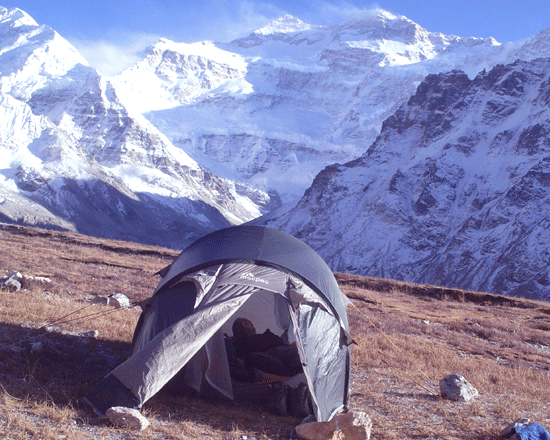
- Simple teahouses
- Shared bathrooms
- Limited heating
- Solar electricity in some villages
Food
- Dal Bhat (main energy food)
- Noodles and soups
- Tibetan bread
- Seasonal vegetables
Food variety decreases at higher altitudes.
Permits and Trekking Regulations
To trek Kanchenjunga:
- Restricted Area Permit (RAP)
- Kanchenjunga Conservation Area Permit (KCAP)
Requirements:
- Must be arranged through the agency
- A licensed guide is mandatory
- No independent trekking allowed
2026 Update: Solo Trekking Rules in Kanchenjunga
Recent trekking policy updates in Nepal have improved flexibility.
Current Rule:
- Solo trekkers CAN now apply for permits
- A licensed guide is still mandatory
- Must be booked through a registered trekking company
- No need for a second trekker anymore
What This Means:
- Easier planning for solo travelers
- More flexible departure dates
- Safer and regulated trekking system
- No group dependency required
Challenges of Kanchenjunga Trek
- Very remote region
- Long trekking duration
- Limited medical access
- High altitude risk
- Basic accommodation
Preparation is essential.
Responsible Trekking
- Respect local culture
- Avoid plastic waste
- Support the local economy
- Protect wildlife
- Follow Leave No Trace principles
Why Kanchenjunga is a Lifetime Experience
Kanchenjunga is not just a trek, it is a journey into a forgotten world.
It offers:
- Pure wilderness
- Authentic culture
- Spiritual connection
- Extreme adventure
- Total isolation from modern life
People and their life style of Kanchenjunga
The villages around the Kanchenjunga region, protected within the Kanchenjunga Conservation Area, are home to a rich mix of ethnic communities, mainly Limbu, Rai, Sherpa, and Tibetan-influenced mountain groups. Their lifestyle is deeply connected to the mountains and still follows traditional patterns that have changed very little over time.
Most families live a semi-subsistence life, combining small-scale terrace farming with livestock rearing. People grow crops such as maize, millet, potatoes, and barley, depending on altitude. In higher settlements, yak and sheep herding is an important part of daily life, while lower valleys rely more on seasonal agriculture. Trading salt, wool, and handmade goods across villages and border routes has historically been part of their livelihood, though today tourism also plays a growing role.
Culture here is strongly shaped by both Kirat traditions and Tibetan Buddhism. In many villages, you will see prayer flags, monasteries, and chortens alongside traditional wooden houses. Life follows a seasonal rhythm—planting, harvesting, and migration of livestock between summer and winter pastures.
Festivals are a central part of community life and are celebrated with dance, music, and rituals. Among the Limbu community, Chasok Tangnam is one of the most important celebrations, honoring ancestors and giving thanks for the harvest. The Rai community celebrates Sakela, marked by traditional circular dances that reflect harmony with nature. In Buddhist villages, Losar is widely observed with prayers, feasts, and family gatherings.
Trekking is essentially day hiking and doesn't require any special training. However, good physical condition, a love of walking, and a desire to enjoy mountain views and village life are essential. These treks are suitable for walkers looking for something more challenging and energetic. Hill-walking experience is desirable, with longer days and higher elevations. Since the terrain can be hard and the days long, hikers should be in good physical condition and have previous mountain walking experience. High passes and extended trekking days may be involved. Trekking is essentially day hiking and doesn't require any special training. However, good physical condition, a love of walking, and a desire to enjoy mountain views and village life are essential. These treks are suitable for walkers looking for something more challenging and energetic. Hill-walking experience is desirable, with longer days and higher elevations. Since the terrain can be hard and the days long, hikers should be in good physical condition and have previous mountain walking experience. High passes and extended trekking days may be involved.