April 21, 2026
Best Time to Do Three Passes Trek
 By admin
When Is the Best Time to Do Everest Three Passes Trek?
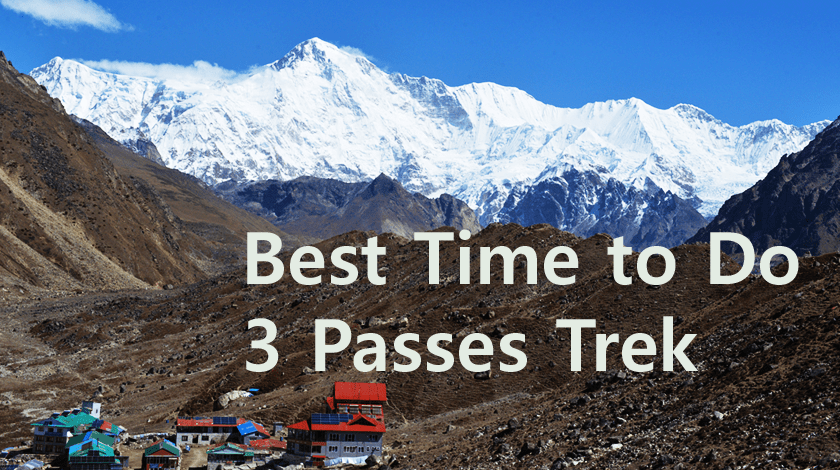
The best time to do the Three Passes Trek in the Everest Region is during spring (March to May) and autumn (September to November). These two seasons offer the most stable weather, clear skies, and safer conditions for crossing high-altitude passes above 5,000 meters.
In spring, the temperatures are relatively warmer, and the trails are decorated with blooming rhododendron forests at lower elevations. Visibility is generally good, allowing trekkers to enjoy stunning views of Mount Everest and the surrounding peaks. It is also a lively season with climbers heading toward Everest Base Camp.
Autumn, on the other hand, is known for crystal-clear mountain views after the monsoon season washes away dust and pollution. The trails are dry, and visibility is often at its best, making it ideal for photography and panoramic experiences.
Winter (December–February) is extremely cold with heavy snow at the passes, while monsoon (June–August) brings rain and poor visibility. Therefore, for safety, comfort, and the best trekking experience, spring and autumn remain the top choices.
How Hard is the 3 Passes Trek?
The Three Passes Trek is considered one of the most challenging treks in Nepal due to its high altitude, long trekking days, and rugged terrain. It is significantly more demanding than the standard Everest Base Camp trek.
Trekkers must cross three major high passes: Kongma La Pass (5,535 m), Cho La Pass (5,420 m), and Renjo La Pass (5,360 m). At these elevations, oxygen levels are significantly lower, which makes breathing more difficult and increases the risk of altitude sickness.
Daily walking hours usually range from 6 to 8 hours, with some longer days during pass crossings. The terrain includes steep ascents, rocky trails, and glacier sections, especially around Cho La.
The weather can change rapidly, adding to the difficulty. Strong winds and freezing temperatures are common at higher elevations.
This trek requires good physical fitness, prior trekking experience, and proper acclimatization. While it is not impossible for beginners, it is best suited for trekkers who are prepared for a physically and mentally demanding Himalayan adventure.
How Long Does the 3 Passes Trek Take?
The Three Passes Trek typically takes around 17 to 19 days to complete, depending on the itinerary, acclimatization days, and walking pace. This duration allows trekkers to safely adjust to high altitude while exploring key highlights of the Everest region.
The journey usually begins with a flight to Lukla, followed by trekking to Namche Bazaar, the main gateway to the Khumbu region. Proper acclimatization days are included here and in places like Dingboche to reduce the risk of altitude sickness.
The route then leads trekkers across all three high passes, visiting iconic locations such as Everest Base Camp and the beautiful Gokyo Lakes. Each section of the trek involves gradual ascent and descent, making time management crucial.
Shorter itineraries of 16–17 days are possible but not recommended due to limited acclimatization. A longer trek of 20–22 days is ideal for a safer and more enjoyable experience.
Overall, the duration depends on fitness level, weather conditions, and how much time trekkers want to spend exploring side trips and viewpoints.
Why Timing Matters More on the Everest Three Passes Trek?
Timing is especially important on the Everest Three Passes Trek because the route crosses three high-altitude passes above 5,300 meters: Kongma La, Cho La, and Renjo La. Weather conditions at these elevations can change quickly and directly affect trail safety, visibility, and the ability to cross the passes.
During the main trekking seasons, spring and autumn generally offer more favorable conditions, with better visibility and more stable weather. However, conditions can still change suddenly at high altitude, so pass crossings should always depend on the actual weather and trail conditions.
Winter brings heavy snowfall and very cold temperatures, which can make the high passes difficult or temporarily impassable. During the monsoon season, rain at lower elevations and cloud, snow, or poor visibility higher in the mountains can affect the route.
Good timing also helps with acclimatization. The Three Passes Trek involves several days above 4,000 meters, so allowing enough time for gradual altitude gain is important rather than trying to complete the route too quickly.
For this reason, choosing the right season and keeping some flexibility in the itinerary are particularly important on the Three Passes Trek. Weather conditions can determine when a pass can be crossed safely, and your guide may adjust the schedule when necessary.
How Much Money for the Three Passes Trek?
The cost of the Three Passes Trek varies depending on trekking style, level of comfort, and services included. On average, trekkers can expect to spend between $1600 and $2,500 per person.
For budget trekkers, expenses mainly include permits, accommodation, meals, and flights to Lukla. Basic teahouse accommodation is affordable, but food prices increase with altitude. Daily food costs can range from $25 to $40.
Hiring a guide and porter adds to the cost but greatly enhances safety and comfort. Guides typically cost around $35–$40 per day, while porters cost about $22–$25 per day. Domestic flights between Kathmandu and Lukla usually cost $255 one way.
Permits, including Sagarmatha National Park and local permits, cost around $50–$60.
Luxury options with high-end lodges and better facilities can increase the cost significantly. Overall, budgeting properly is important to ensure a safe and enjoyable trekking experience in the Everest Region.
What is the Difference Between 3 Passes and the Everest Base Camp Trek?
The Three Passes Trek and the Everest Base Camp trek are both located in the Everest region, but they differ significantly in terms of difficulty, route, and experience.
The Everest Base Camp trek follows a straightforward route, starting from Lukla and returning along the same path. It is considered moderate to difficult and is suitable for a wider range of trekkers.
In contrast, the Three Passes Trek is a circular and more adventurous route that crosses three high mountain passes and explores remote valleys. It includes additional highlights such as the Gokyo Lakes and less-crowded trails.
The Three Passes Trek is more physically demanding due to longer trekking days, higher altitudes, and challenging terrain. It also requires more time, usually around 18–21 days, compared to 12–14 days for Everest Base Camp.
In summary, Everest Base Camp is ideal for those seeking a classic Himalayan experience, while the Three Passes Trek is perfect for trekkers seeking a more complete and challenging adventure.
Gokyo Lakes Included with the Three Passes Trek?
Yes, the Gokyo Lakes are an important part of the Three Passes Trek and one of its most beautiful highlights. The trek is designed to include this stunning region as part of the circular route.
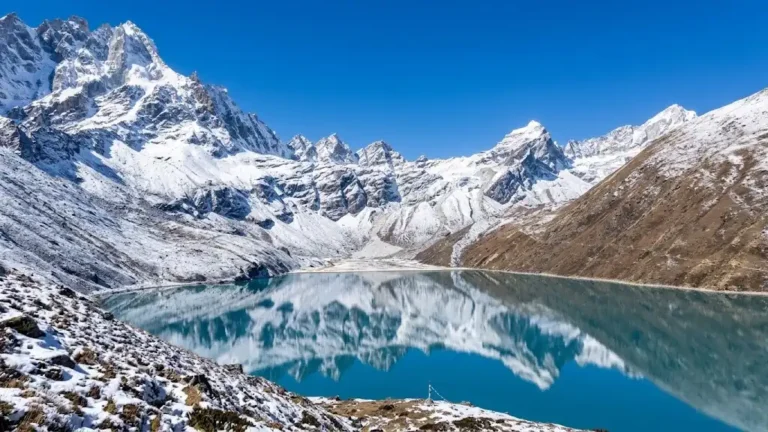
The Gokyo Lakes are a series of high-altitude turquoise lakes located between 4,700 and 5,000 meters. These lakes are considered sacred and are among the highest freshwater lake systems in the world.
Trekkers usually reach Gokyo after crossing the challenging Cho La Pass. From Gokyo, a hike to Gokyo Ri offers breathtaking panoramic views of Mount Everest, Cho Oyu, and the surrounding peaks.
Compared to the busy Everest Base Camp trail, the Gokyo region is quieter and more peaceful, offering a unique experience. The combination of glacial lakes, mountain views, and fewer crowds makes it a favorite among trekkers.
Including Gokyo Lakes makes the Three Passes Trek more diverse and rewarding, providing a broader perspective of the Everest region.
Which Pass is Easier and Which is Most Difficult?
The Three Passes Trek includes three high passes, each with different levels of difficulty: Kongma La Pass, Cho La Pass, and Renjo La Pass.
Kongma La Pass (5,535 m) is generally considered the most difficult. It is the highest of the three and involves a steep, rocky climb with no teahouses along the route. The trail is remote and physically demanding, requiring strong endurance.
Cho La Pass (5,420 m) is known for its technical challenges. The route includes glacier crossings and icy sections, which can be slippery and require careful footing. Weather conditions can make this pass more difficult.
Renjo La Pass (5,360 m) is considered the easiest among the three. The trail is more gradual and well-defined, making it less physically demanding. It also offers some of the best panoramic views in the Everest region.
In summary, Kongma La is the hardest, Cho La is technically challenging, and Renjo La is the easiest and most scenic pass.
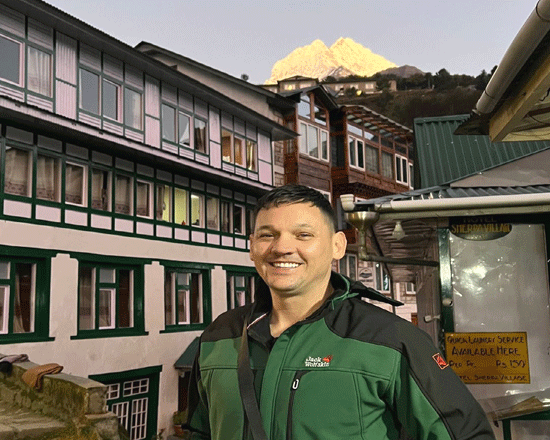
Trekking is essentially day hiking and doesn't require any special training. However, good physical condition, a love of walking, and a desire to enjoy mountain views and village life are essential.
These treks are suitable for walkers looking for something more challenging and energetic. Hill-walking experience is desirable, with longer days and higher elevations.
Since the terrain can be hard and the days long, hikers should be in good physical condition and have previous mountain walking experience. High passes and extended trekking days may be involved.
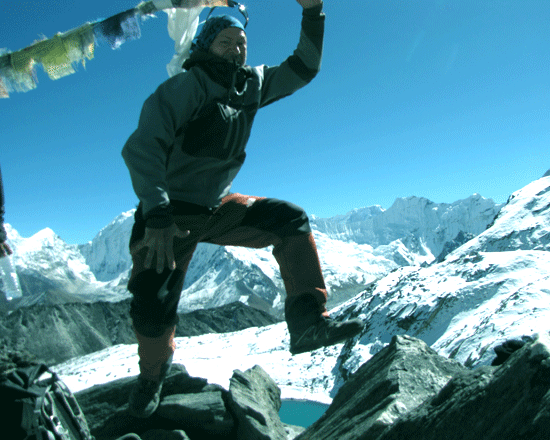
Trekking is essentially day hiking and doesn't require any special training. However, good physical condition, a love of walking, and a desire to enjoy mountain views and village life are essential.
These treks are suitable for walkers looking for something more challenging and energetic. Hill-walking experience is desirable, with longer days and higher elevations.
Since the terrain can be hard and the days long, hikers should be in good physical condition and have previous mountain walking experience. High passes and extended trekking days may be involved.
This is challenging and technical trekking or climbing in Nepal. Participants should be physically fit, mentally prepared, and ready for off-the-beaten-trail routes, camping, or high passes.