Kyanjin Ri Trek
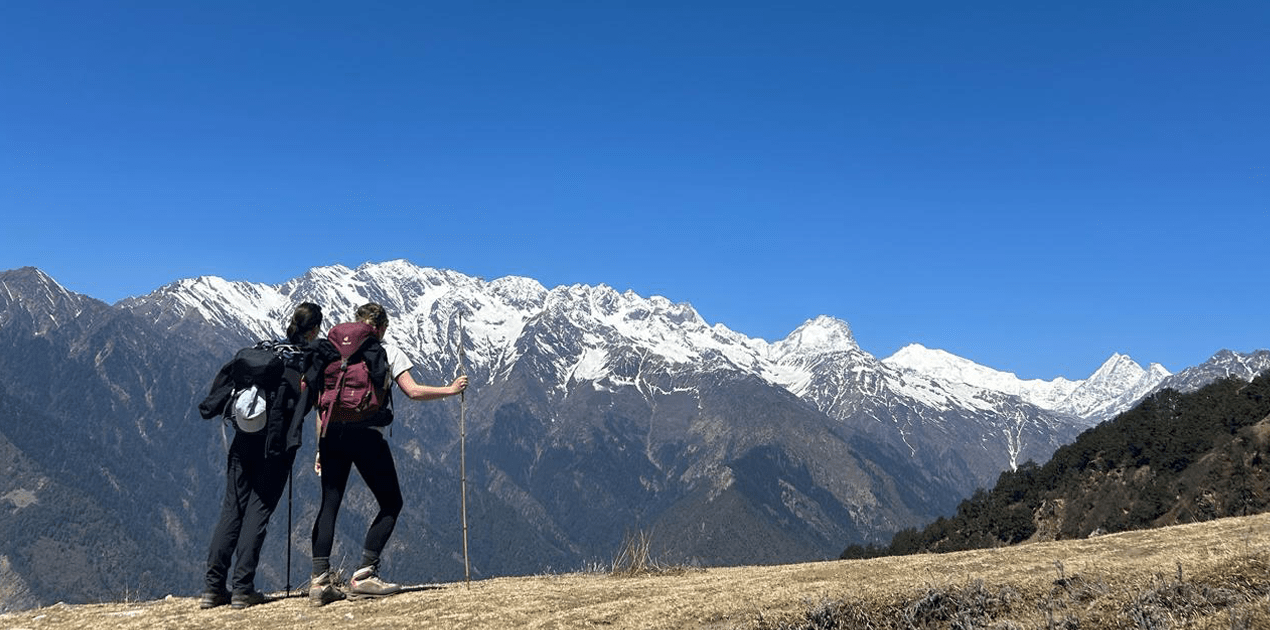
The Kyanjin Ri Trek is one of the most beautiful short treks in Nepal. It lies in the heart of the Langtang Valley and offers stunning mountain views, rich local culture, wildlife, forests, and a peaceful Himalayan experience.
This trek is perfect for trekkers who want big mountain views without a very long or technical journey. The main highlight is the hike from Kyanjin Gompa to Kyanjin Ri viewpoint, where you can see amazing sunrise views over the Himalayas.
About Kyanjin Ri Trek
The Kyanjin Ri Trek is in the Langtang region within the Langtang National Park. This protected area is known for its mountains, forests, wildlife, and traditional Tamang villages.
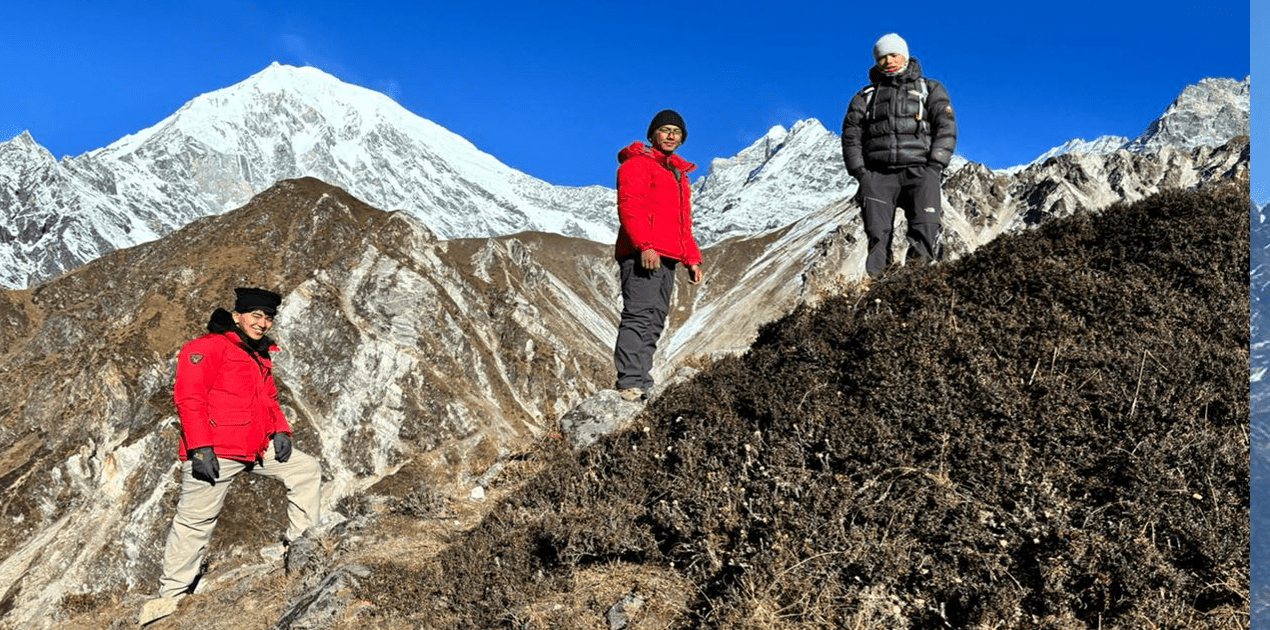
Kyanjin Ri is about 4,773 meters high and is one of the best viewpoints in the Langtang Valley. From the top, you can see glaciers, deep valleys, and many snow-covered peaks.
This trek is usually done as an extension of the Langtang Valley trek.
Highlights of the Kyanjin Ri Trek
- Scenic Pine and Rhododendron Forests
The trail passes through beautiful forests filled with pine and rhododendron trees, creating a peaceful and refreshing trekking environment. In spring, blooming rhododendrons add vibrant colors to the landscape.
- Waterfalls and Suspension Bridges
Trekkers cross several suspension bridges over rushing rivers and enjoy small waterfalls along the route, adding excitement and natural charm to the journey.
- Traditional Tamang Villages
The trek offers cultural encounters in authentic Tamang settlements, where visitors can observe local traditions, Buddhist culture, and warm Himalayan hospitality.
- Yak Grazing Fields
As the altitude increases, open meadows appear where yaks graze freely, showcasing the traditional high-altitude lifestyle of the region.
- Glacier and Mountain Views
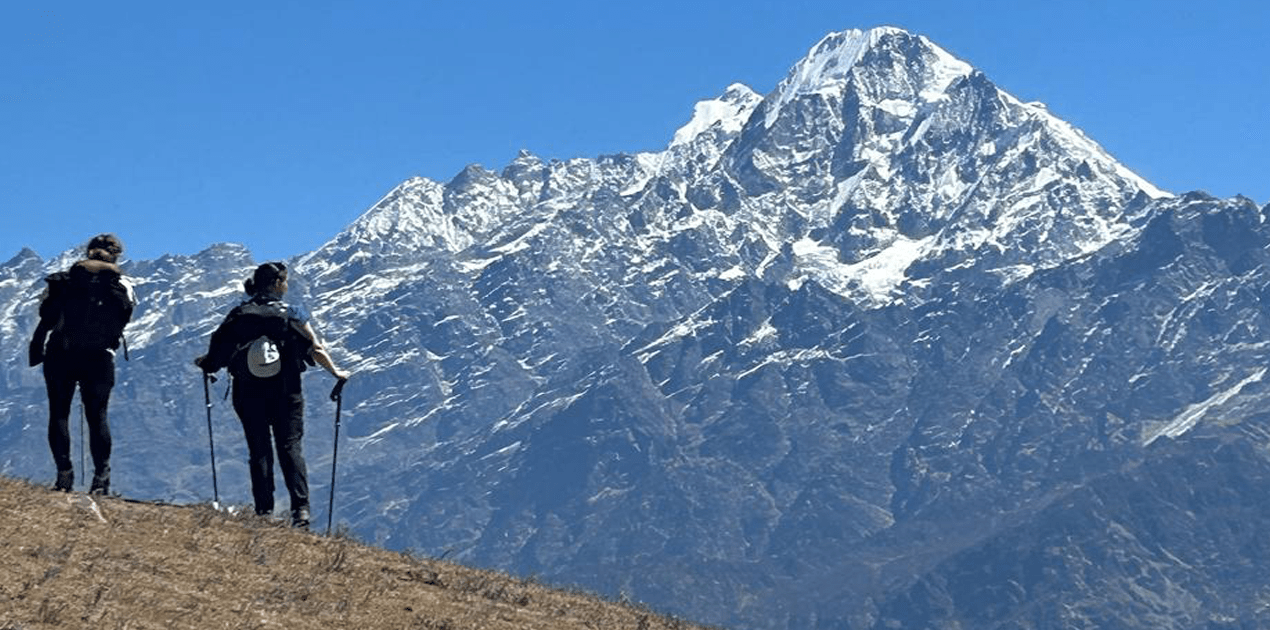
The upper section of the trek offers stunning views of glaciers and the surrounding peaks of the Langtang range, especially from Kyanjin Gompa and Kyanjin Ri viewpoint.
- Kyanjin Lake, or Kyanjin Tso
It is a small glacial lake located in the upper Langtang Valley, close to Kyanjin Gompa village. The lake is fed by surrounding glaciers and snowmelt from the Langtang Lirung range. It is not very large, but it sits in a beautiful alpine setting with dramatic mountains.
Kyanjin Gompa to Kyanjin Ri Climb
The most important part of the trek is the climb from Kyanjin Gompa to Kyanjin Ri. Kyanjin Gompa is a peaceful mountain village surrounded by stunning Himalayan peaks. From here, the trail becomes steep as it ascends toward Kyanjin Ri. The hike is challenging but rewarding, offering breathtaking panoramic views of snow-covered mountains, glaciers, and the Langtang Valley.
- Starts directly from Kyanjin Gompa village
- Steep but clear walking trail
- Rocky and open landscape
- Two viewpoints: Lower and Upper Kyanjin Ri
It usually takes 2–3 hours to go up and around 1.5–2 hours to come down. The climb is short but feels tough because of the altitude.
Sunrise View from Kyanjin Viewpoint
One of the highlights of this trek is the sunrise view from Kyanjin Ri. Trekkers usually start early in the morning to reach the viewpoint, as morning mountain views are often clear. One can fully enjoy the dramatic view of the mountains and the sunrise. As the sun rises, the surrounding peaks gradually change from deep blue to golden and pink shades. The panoramic scenery of the Langtang range creates a truly unforgettable Himalayan experience. What is captured from the viewpoint:
- Langtang Lirung shining in the morning light
- Dorje Lakpa and other Himalayan peaks
- Huge glaciers below the viewpoint
- Clouds floating in the valley
It is a quiet, peaceful, and unforgettable experience.
Kyanjin Ri Trek – Langtang Valley Experience
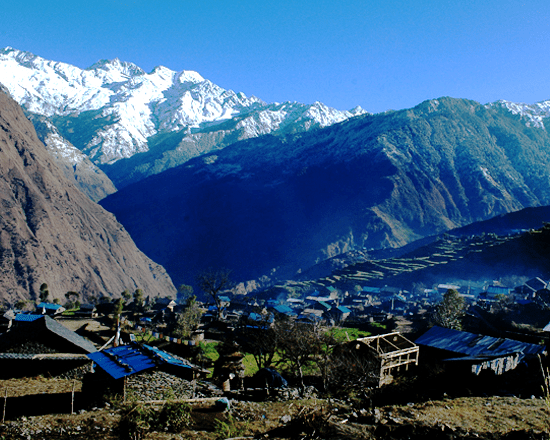
The Kyanjin Ri Trek in Langtang Valley is part of a longer trek through one of Nepal’s most scenic regions. The journey to Kyanjin Gompa passes through lush forests, flowing rivers, traditional villages, and open alpine landscapes. This route offers a rich combination of natural beauty and cultural experience, leading to the stunning viewpoints of Kyanjin Ri.
Langtang Valley Kyanjin Ri Trekking Route
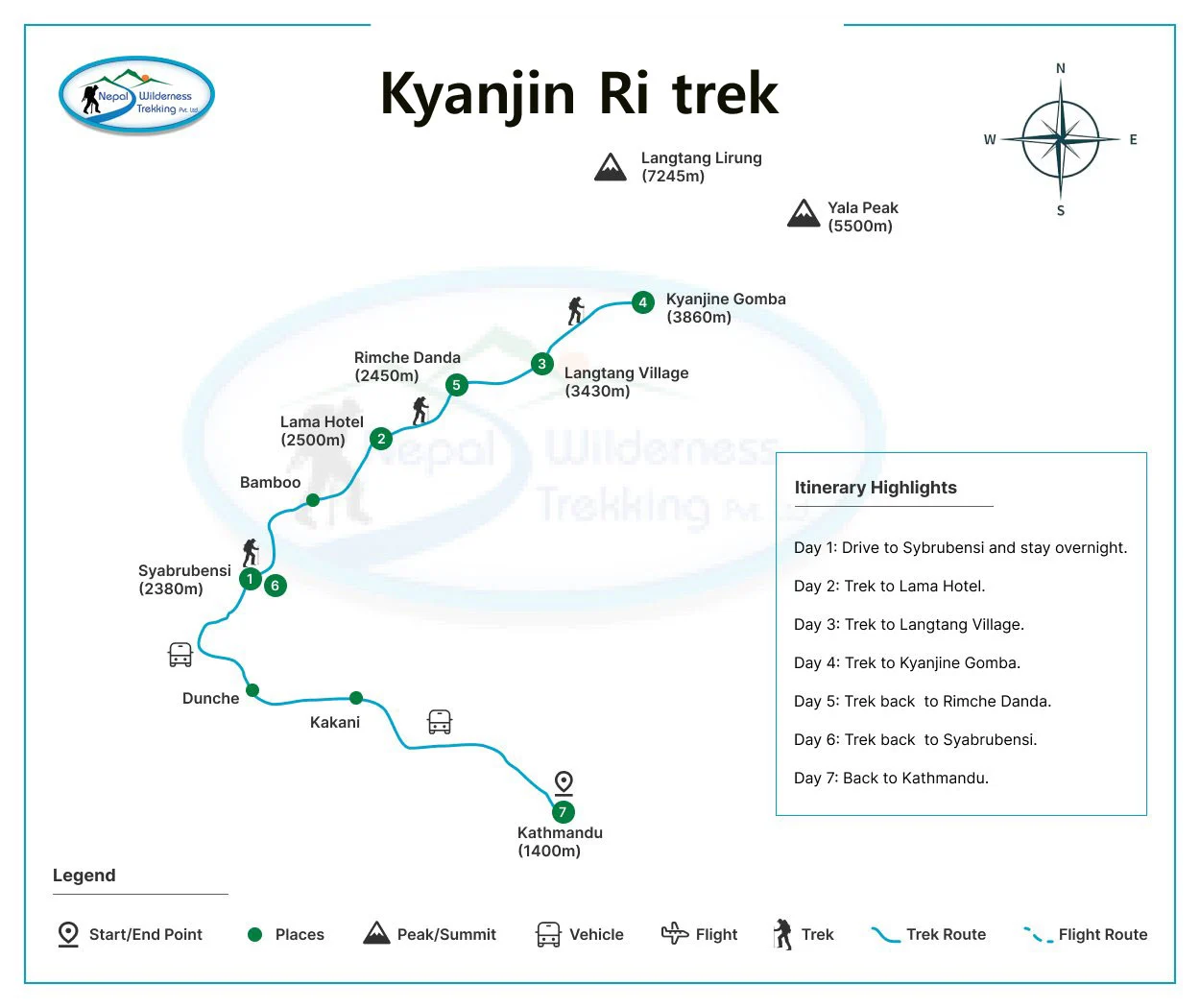
The Langtang Valley Kyanjin Ri Trekking route is simple and easy to follow:
- Drive from Kathmandu to Syabrubesi
- Trek to Lama Hotel
- Continue to Langtang Village
- Reach Kyanjin Gompa
- Hike to Kyanjin Ri viewpoint
- Return the same way
This route is popular because it is close to Kathmandu and does not require technical climbing.
Culture and Lifestyle of Local People
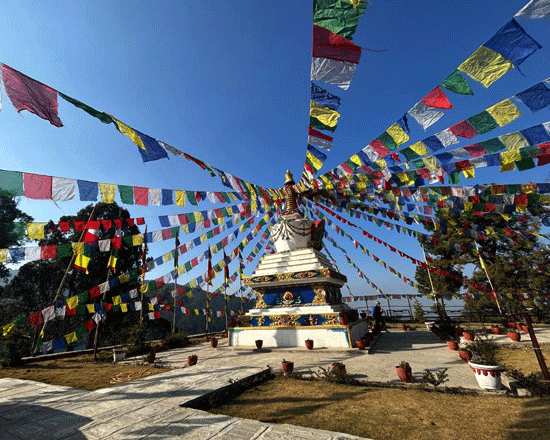
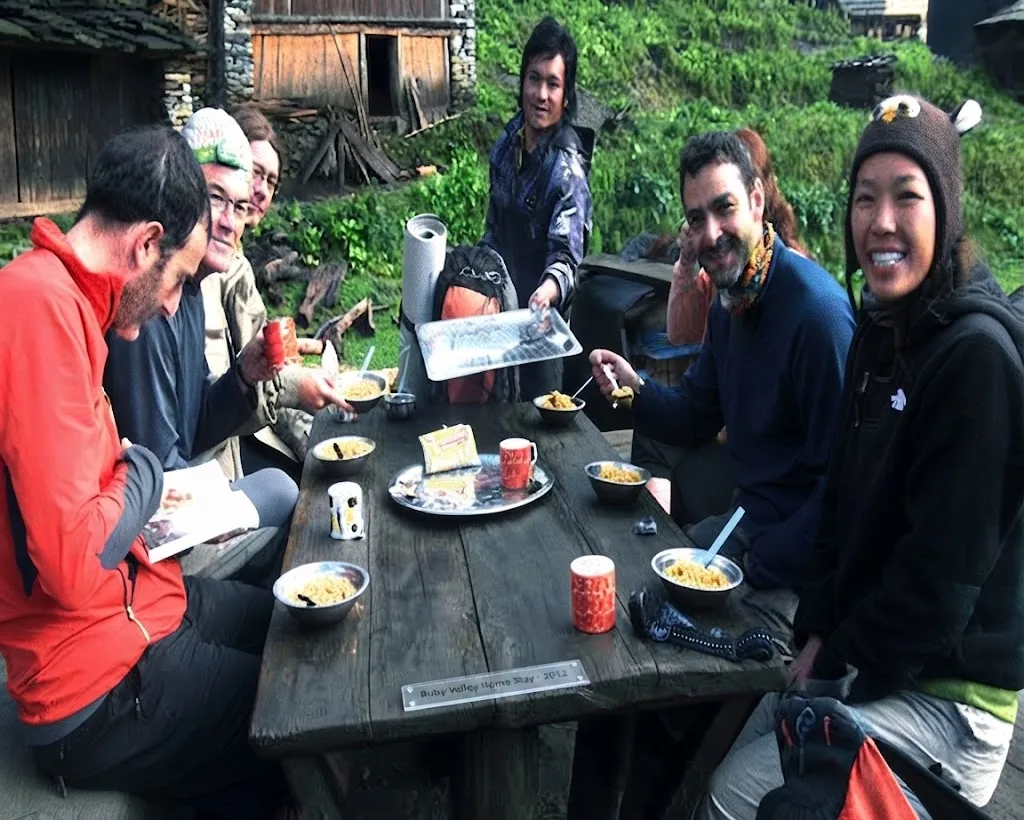
The Langtang Valley is mainly inhabited by the Tamang people, who follow a rich Tibetan Buddhist culture. Their traditions, monasteries, prayer flags, and daily lifestyle reflect a deep connection with the mountains. Visitors can experience warm hospitality, local food, and authentic Himalayan culture throughout the trek. The cultural experiences that trekkers learn during the trek are;
- Buddhist monasteries and prayer flags
- Traditional stone houses
- Festivals like Lhosar (Tamang New Year)
- Yak herding lifestyle
- Friendly and welcoming locals
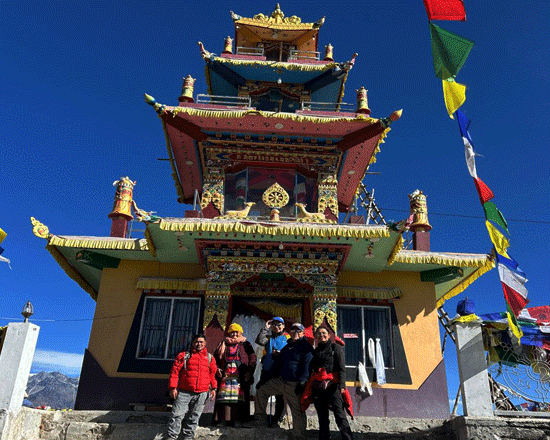
Kyanjin Gompa is also a spiritual place with an old monastery that reflects local traditions.
Flora and Fauna (Nature)
The trek lies within a protected national park, making the natural environment rich and diverse. The region is home to dense forests, alpine meadows, and a variety of wildlife such as red pandas, Himalayan thar, and many bird species. The changing landscapes along the trail add to the beauty and ecological importance of the journey.
Plants and forests:
- Rhododendron forests (beautiful in spring)
- Pine, oak, and fir trees
- Alpine grasses and herbs
- Mossy landscapes near glaciers
In spring, the hills become full of colorful flowers.
Wildlife in the Region
The Langtang National Park is home to a wide range of wildlife. In the region, you may encounter rare and fascinating animals such as the red panda, Himalayan black bear, musk deer, and Himalayan tahr. Snow leopards also live here, although they are extremely rare to spot. In the lower forest areas, monkeys are commonly seen along the trekking trails.
Birds:
- Himalayan monal (national bird of Nepal)
- Eagles and vultures
- Snow pigeons
Wildlife sightings are not guaranteed, but the area is very rich in biodiversity.
Domestic Animals
Local people also depend on animals for daily life.
Common domestic animals:
- Yaks (for milk, transport, and cheese)
- Yak-cow hybrids
- Sheep and goats
- Mules and horses (for carrying goods)
Yak cheese from Kyanjin Gompa is very popular among trekkers.
Kyanjin Ri Trek Difficulty
The Kyanjin Ri Trek is considered a moderate-level trek. It involves steady walking on varied terrain, including some steep uphill sections, especially during the hike to Kyanjin Ri viewpoint. While no technical climbing skills are required for Yala Peak and Tsergo Ri Peak, a reasonable level of fitness is needed to enjoy the trek comfortably.
You don’t need climbing skills, but steady walking and good rest are important.
Best Time to Visit Kyanjin Ri Trek
Spring (March–May)
- Clear skies
- Flowers blooming
- Great mountain views
Autumn (September–November)
- Best weather
- Very clear views
Winter (December–February)
- Cold but peaceful
- Snow-covered scenery
Monsoon (June–August)
- Not recommended due to rain and landslides
Why is this Trek Special?
The Kyanjin Ri Trek is special because it offers everything in a short time:
- Beautiful Himalayan sunrise
- Close mountain views
- Rich Tamang culture
- Wildlife and nature inside a national park
- Easy access from Kathmandu
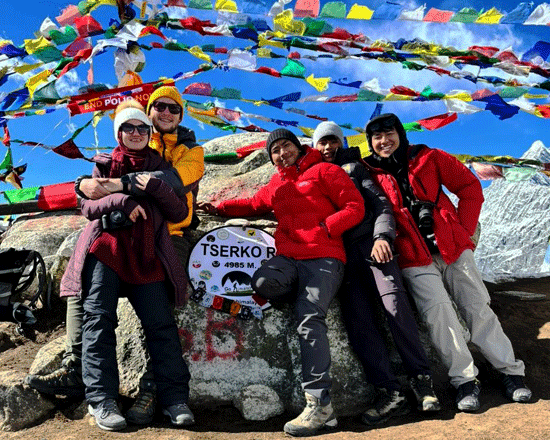
Kyanjin Ri and Tserko Ri are the two main viewpoints in Langtang Valley. Kyanjin Ri is shorter and easier, giving close-up views of Langtang Lirung and glaciers. Tserko Ri is higher and more challenging, offering a wider Himalayan panorama with dramatic sunrise views. Both treks are unforgettable highlights of Langtang Valley.
Final Thoughts
The Kyanjin Ri Trek offers a perfect blend of nature, culture, and adventure in the heart of Langtang Valley. From the peaceful village of Kyanjin Gompa to the breathtaking viewpoint of Kyanjin Ri, every step reveals stunning Himalayan scenery, glaciers, and traditional Tamang settlements. The trek is ideal for those seeking a short journey with spectacular mountain views and an authentic cultural experience. With its accessible trails and rewarding panoramas, Kyanjin Ri stands out as one of the best short treks in Nepal, offering unforgettable memories of the Himalayas in a limited time.
Departure date
All published departure dates are 100% guaranteed departures for Kyanjin Ri Trek.
If our listed dates do not fit your trekking plans, no problem—we can organize a private trek on your preferred dates. Whether you are traveling solo, with friends, or as a group, we are happy to customize the itinerary to match your schedule and interests.
Simply let us know your preferred travel dates and trekking preferences, and our team will help create a memorable adventure tailored just for you. Your dream trek in the Himalayas is closer than you think!