Uncategorized
May 11, 2026
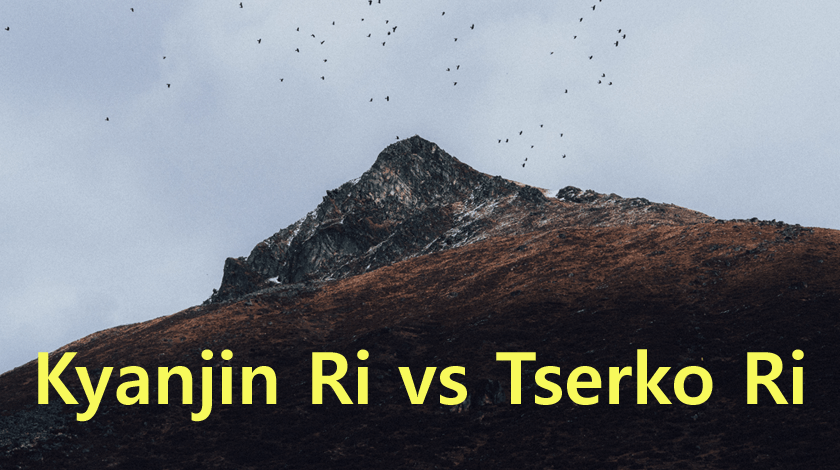
Kyanjin Ri vs Tserko Ri
 By admin
Kyanjin Ri vs Tserko Ri: Which Viewpoint is Better in Langtang Valley?
The Langtang Valley Trek is widely regarded as one of the most rewarding trekking adventures in Nepal. Situated north of Kathmandu near the Tibetan border, the Langtang region captivates trekkers with its dramatic Himalayan landscapes, ancient Tamang culture, yak pastures, glacial valleys, and serene mountain villages. The journey’s highlight is reaching Kyanjin Gompa, a picturesque settlement at 3,870 meters, nestled beneath towering snow-covered peaks.
Most trekkers spend one or two extra days in Kyanjin Gompa to explore the spectacular viewpoints surrounding the village. The two most popular hikes are Kyanjin Ri and Tserko Ri. Both offer breathtaking panoramic views of the Langtang Himalayas, yet they differ in elevation, difficulty, hiking time, and overall experience.
A common question among trekkers is: Kyanjin Ri vs Tserko Ri: Which viewpoint is better?
The answer depends on your fitness level, acclimatization, available time, and personal preferences. In this comprehensive guide, we compare both viewpoints in detail to help you decide which hike is the best choice for your Langtang Valley adventure.
Overview of Kyanjin Ri and Tserko Ri
Kyanjin Ri and Tserko Ri are the two most popular day hikes from Kyanjin Gompa and are often considered the highlights of the Langtang Valley Trek. Both viewpoints offer spectacular panoramic views of the Langtang Himalayas, including Langtang Lirung, Yala Peak, Langshisa Ri, and surrounding glaciers. While both hikes begin from the same village, they differ significantly in altitude, hiking duration, and level of difficulty.
Kyanjin Ri
- Elevation: 4,773 meters (lower summit) or 4,850 meters (upper summit)
- Starting Point: Kyanjin Gompa (3,870 m)
- Hiking Time: 4–6 hours round trip
- Difficulty: Moderate to challenging
- Best For: Trekkers with limited time or moderate fitness
Kyanjin Ri is a steep but relatively short climb that rewards trekkers with stunning views directly above Kyanjin Gompa. It is an excellent choice for acclimatization and is suitable for most trekkers.
Tserko Ri
- Elevation: 4,984 meters
- Starting Point: Kyanjin Gompa (3,870 m)
- Hiking Time: 7–9 hours round trip
- Difficulty: Challenging
- Best For: Strong trekkers seeking a higher and more remote viewpoint
Tserko Ri is a longer and more demanding hike that reaches nearly 5,000 meters. The summit offers a broader and more dramatic panorama and is ideal for well-acclimatized trekkers looking for a full-day adventure.
If you have enough time in Kyanjin Gompa, hiking to both viewpoints is highly recommended, as each offers a unique perspective of the magnificent Langtang region.
What Is Kyanjin Ri?
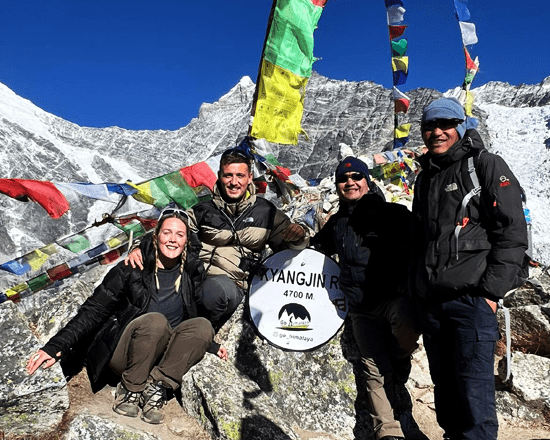
Kyanjin Ri is the most popular and accessible viewpoint hike from Kyanjin Gompa, the final settlement on the Langtang Valley Trek. Rising steeply above the village, this spectacular ridge offers one of the best panoramic viewpoints in the Langtang region. Although the ascent is physically demanding, the trail is relatively short and non-technical, making it achievable for most trekkers who are properly acclimatized.
The hike begins directly from Kyanjin Gompa (3,870 meters) and climbs steadily along a well-defined ridge to two separate summits. The lower summit sits at 4,773 meters, while the upper summit reaches approximately 4,850 meters. Most trekkers continue to the higher summit if weather conditions are favorable and they still have enough energy.
From the top of Kyanjin Ri, you are rewarded with breathtaking 360-degree views of some of the most impressive peaks in the Langtang Himalayas, including:
- Langtang Lirung (7,227 m)
- Kimshung
- Yansa Tsenji
- Dorje Lakpa
- Langtang Glacier
- The entire Langtang Valley
- Kyanjin Gompa and surrounding yak pastures
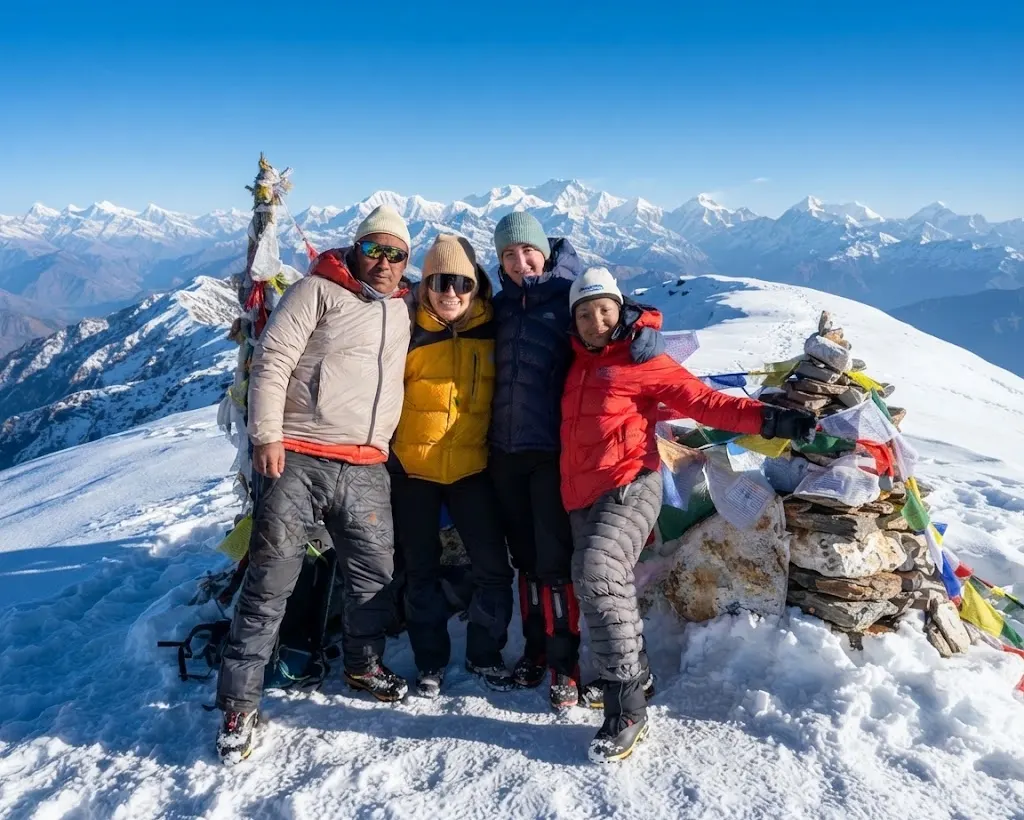
Kyanjin Ri is especially popular for sunrise and sunset hikes, when the first and last light of the day illuminates the snow-covered peaks in brilliant shades of gold and pink. For many trekkers, this viewpoint is one of the most memorable highlights of the Langtang Valley Trek.
What Is Tserko Ri?
Tserko Ri is the highest and most spectacular non-technical viewpoint on the Langtang Valley Trek. Located to the east of Kyanjin Gompa, this impressive summit rises to 4,984 meters and offers one of the most expansive panoramic views in the entire Langtang region. For trekkers seeking a challenging day hike and a true sense of Himalayan wilderness, Tserko Ri is often considered the ultimate highlight of the Langtang Valley Trek.
The trail begins from Kyanjin Gompa (3,870 meters) and gradually ascends through yak grazing meadows, glacial moraines, and open alpine slopes. As you climb higher, the landscape becomes increasingly dramatic, with sweeping views of rugged ridgelines, hanging glaciers, and snow-covered peaks.
From the summit of Tserko Ri, trekkers are rewarded with breathtaking 360-degree views of:
- Langtang Lirung (7,227 m)
- Langshisa Ri
- Yala Peak
- Naya Kanga
- Gangchempo
- Dorje Lakpa
- The Tibetan mountains to the north
Because Tserko Ri is nearly 5,000 meters high, the hike is longer and more physically demanding than Kyanjin Ri. Most trekkers require 7 to 9 hours for the round trip, and proper acclimatization is essential. However, the effort is richly rewarded with one of the finest mountain panoramas in Nepal.
For experienced and well-acclimatized trekkers, Tserko Ri offers an unforgettable high-altitude adventure and is widely regarded as the best viewpoint in the Langtang Valley.
Kyanjin Ri vs Tserko Ri: Quick Comparison Table
Both Kyanjin Ri and Tserko Ri are exceptional viewpoint hikes from Kyanjin Gompa, each offering unforgettable views of the Langtang Himalayas. Kyanjin Ri is a shorter and steeper climb that is ideal for trekkers with limited time, while Tserko Ri is a longer and more demanding hike that reaches a higher elevation and provides a broader mountain panorama. The table below highlights the key differences to help you decide which viewpoint best suits your trekking goals.
| Feature | Kyanjin Ri | Tserko Ri |
| Maximum Elevation | 4,850 m (upper summit) | 4,984 m |
| Elevation Gain | Approx. 980 m | Approx. 1,110 m |
| Hiking Time | 4–6 hours round trip | 7–9 hours round trip |
| Difficulty | Moderate to challenging | Challenging |
| Sunrise Option | Excellent | Excellent |
| Crowd Level | More popular and often busier | Less crowded and more peaceful |
| Trail Type | Steep ridge climb | Longer alpine trail across meadows and moraines |
| Best for a Limited Time | Yes | No |
| Best Panoramic Views | Excellent | Outstanding |
| Recommended For | Most trekkers | Strong and well-acclimatized hikers |
Summary
If you are looking for the best viewpoint with a shorter hiking time, Kyanjin Ri is the ideal choice. It delivers spectacular views with less effort and is suitable for most trekkers. If you are fit, well acclimatized, and eager to reach the highest viewpoint in the Langtang Valley, Tserko Ri offers a more adventurous and rewarding experience. Many trekkers choose to hike both peaks to enjoy two distinct perspectives of this remarkable Himalayan region.
Difficulty Comparison: Kyanjin Ri vs Tserko Ri
Both Kyanjin Ri and Tserko Ri are non-technical hikes. Compared to the Yala peak, meaning no climbing equipment or mountaineering experience is required. However, both involve steep ascents at high altitude, where thinner air can make even moderate trails feel significantly more strenuous. The main difference lies in the duration, elevation gain, and altitude reached.
Kyanjin Ri Difficulty
Kyanjin Ri is a steep but relatively short hike. The trail climbs continuously from Kyanjin Gompa to the summit ridge, with very few flat sections along the way. Although the ascent is physically demanding, most trekkers with average fitness and proper acclimatization can complete it successfully.
Because the round trip takes only 4 to 6 hours, Kyanjin Ri is often considered the more accessible of the two viewpoints. It is an excellent option for trekkers who want spectacular mountain views without committing to a full-day hike.
Kyanjin Ri is suitable for:
- Beginner trekkers with good acclimatization
- Families with teenagers
- Trekkers with moderate fitness
- Travelers with limited time in Kyanjin Gompa
Tserko Ri Difficulty
Tserko Ri is significantly more demanding than Kyanjin Ri. The hike is longer, reaches a higher altitude, and involves more total elevation gain. While the trail is not technically difficult, the combination of distance and altitude makes it a challenging full-day excursion.
The final ascent to the summit can be especially strenuous, as oxygen levels are much lower near 5,000 meters. Wind and cold temperatures can also add to the difficulty, particularly if you start early for sunrise.
Tserko Ri is more challenging because of:
- Higher maximum altitude (4,984 m)
- Longer hiking distance
- Greater elevation gain
- Longer exposure to cold and wind
- Increased risk of altitude-related fatigue
Tserko Ri is suitable for:
- Strong trekkers
- Experienced hikers
- Well-acclimatized adventurers
- Those seeking a more demanding and rewarding challenge
Which Hike Is Harder?
Without question, Tserko Ri is the tougher hike. It requires more endurance, better acclimatization, and a stronger level of fitness. Kyanjin Ri, while still steep and physically demanding, is shorter and more manageable for most trekkers.
If you are unsure how your body will respond to the altitude, start with Kyanjin Ri. If you feel strong and acclimatized afterward, Tserko Ri makes an excellent next challenge.
Which Viewpoint Has Better Views?
Both Kyanjin Ri and Tserko Ri offer extraordinary panoramic views of the Langtang Himalayas, and it is difficult to go wrong with either choice. However, the style of scenery and the overall experience are slightly different, which may make one viewpoint more appealing depending on your preferences.
Kyanjin Ri Views
Kyanjin Ri delivers one of the most dramatic and immediate viewpoints in Nepal. Because the trail climbs directly above Kyanjin Gompa, the summit provides a stunning bird’s-eye perspective of the village, the Langtang Glacier, and the entire upper Langtang Valley.
The close-up view of Langtang Lirung towering above the valley is particularly impressive and makes Kyanjin Ri a favorite among photographers and first-time trekkers.
Highlights of Kyanjin Ri include:
- Bird’s-eye view of Kyanjin GompaThe
- Langtang Glacier stretches below
- Langtang Lirung dominates the skyline
- Excellent perspective of the surrounding ridges and yak pastures
Tserko Ri Views
Tserko Ri offers a broader panorama. Since the summit is higher and farther from the village, the views feel more remote and comprehensive, with an even wider sweep of Himalayan peaks.
Many trekkers consider Tserko Ri to have the finest viewpoint in the Langtang Valley because of its uninterrupted 360-degree mountain scenery and quieter atmosphere.
Highlights of Tserko Ri include:
- Wider panorama of the entire Langtang range
- Better views of Langshisa Ri and the eastern peaks
- More isolated and peaceful summit experience
- Dramatic alpine landscapes extending toward Tibet
Winner for Views: Tserko Ri
If you are looking purely for the most expansive and dramatic panorama, Tserko Ri has a slight edge. The higher elevation and broader perspective make the scenery even more impressive. However, Kyanjin Ri is only marginally less spectacular and offers incredible views for significantly less effort.
Which Hike Is Better for Sunrise?
Both Kyanjin Ri and Tserko Ri are excellent sunrise hikes. Watching the first rays of sunlight illuminate the snow-capped peaks is one of the most unforgettable experiences in the Langtang region.
Kyanjin Ri Sunrise
Kyanjin Ri is the more practical sunrise option for most trekkers. Since the hike is shorter, you can leave early in the morning and reach the summit in time to watch the sun rise over the Langtang Himalayas without an excessively early start.
Advantages of Kyanjin Ri for sunrise:
- Shorter climb with less hiking in the dark
- Easier to return to Kyanjin Gompa for breakfast
- Ideal for photographers and casual trekkers
Tserko Ri Sunrise
Tserko Ri can also be climbed for sunrise, but it requires a much earlier departure and a longer hike in cold conditions. For strong trekkers, the reward is extraordinary, with golden light spreading across the entire Langtang range.
Advantages of Tserko Ri for sunrise:
- Magnificent high-altitude sunrise panorama
- Fewer people at the summit
- Exceptional opportunities for landscape photography
Best Sunrise Option: Kyanjin Ri
For most trekkers, the Kyanjin Ri view is the better sunrise hike. It offers spectacular views with less effort and requires a more manageable early start. Tserko Ri is best reserved for those who are well acclimatized and eager for a longer, more challenging adventure.
Which Viewpoint Is Better for Photography?
Both Kyanjin Ri and Tserko Ri are exceptional photography destinations, offering some of the finest mountain scenery in Nepal. The best choice depends on the type of images you want to capture.
Kyanjin Ri Photography
Kyanjin Ri is ideal for photographers who want dramatic overhead views of Kyanjin Gompa and the surrounding glacier landscape. Because the viewpoint rises directly above the village, it provides excellent opportunities to capture the contrast between stone lodges, yak pastures, and towering Himalayan peaks.
Kyanjin Ri is best for:
- Bird’s-eye views of Kyanjin Gompa
- Glacier and valley landscapes
- Sunrise and sunset colors
- Close-up perspectives of Langtang Lirung
Tserko Ri Photography
Tserko Ri is better suited to landscape photographers seeking wide-angle mountain panoramas and more remote alpine scenery. The summit is less crowded, allowing for cleaner compositions without other trekkers in the frame.
Tserko Ri is best for:
- Vast Himalayan panoramas
- Dramatic ridgelines and open alpine terrain
- Fewer people in photos
- Expansive views of the Langshisa peaks
Winner for Photography
Both viewpoints are outstanding for photography, but Tserko Ri offers a broader and more dramatic composition. For photographers who prioritize sweeping mountain vistas, Tserko Ri has a slight advantage.
Time Required
The amount of time needed for each hike is one of the most important factors when deciding which viewpoint to choose.
Kyanjin Ri
- Ascent: 2–3 hours
- Descent: 1.5–2 hours
- Total Time: 4–6 hours round trip
Tserko Ri
- Ascent: 4–5 hours
- Descent: 3–4 hours
- Total Time: 7–9 hours round trip
If you only have one extra day in Kyanjin Gompa or prefer a shorter excursion, Kyanjin Ri is the more practical choice.
Altitude Considerations
Both hikes reach high elevations where the air is thin and altitude-related symptoms are possible.
Kyanjin Ri
Kyanjin Ri reaches a maximum elevation of approximately 4,850 meters. While this is high enough to feel physically demanding, the altitude risk is slightly lower compared to Tserko Ri.
Tserko Ri
Tserko Ri climbs to 4,984 meters, just below the 5,000-meter mark. At this elevation, fatigue, shortness of breath, and mild altitude symptoms are more common.
Acclimatization Tips
Proper acclimatization is essential for both hikes. Spending at least two nights in the Langtang Valley before reaching Kyanjin Gompa and taking your time on the ascent will greatly improve your chances of a successful summit.
Best Choice for First-Time Trekkers
If this is your first trek in Nepal or your first experience hiking above 4,000 meters, Kyanjin Ri is generally the better option. The hike is shorter, less strenuous, and still offers some of the most spectacular views in the Langtang region.
Kyanjin Ri allows first-time trekkers to enjoy a high-altitude summit experience without committing to the longer and more demanding challenge of Tserko Ri.
Best Choice for Experienced Hikers
If you are fit, well acclimatized, and eager to reach the highest viewpoint in the Langtang Valley, Tserko Ri is the superior adventure.
The longer distance and higher elevation make it more challenging, but the expansive views and sense of remoteness provide an unforgettable reward for experienced hikers.
Can You Hike Both?
Yes, and it is highly recommended if you have enough time in Kyanjin Gompa. Many trekkers choose to spend two nights in the village so they can experience both viewpoints at a comfortable pace. This approach also helps with acclimatization before descending back through the Langtang Valley.
Suggested Schedule
- Day 1: Arrive at Kyanjin Gompa
- Day 2: Sunrise hike to Kyanjin Ri
- Day 3: Full-day hike to Tserko Ri
Completing both hikes offers two completely different perspectives of the Langtang Himalayas—one closer and more immediate, the other broader and more remote. It also significantly improves your adaptation to high altitude before continuing the trek.
Best Time to Hike Kyanjin Ri and Tserko Ri
The ideal seasons for both hikes are when the skies are clear and mountain visibility is at its best.
- Spring (March to May): Rhododendron blooms and stable weather conditions
- Autumn (September to November): Crystal-clear skies and excellent mountain views
Winter treks are possible but can be cold, icy, and occasionally snowy at higher elevations. During the monsoon season, cloud cover often blocks the panoramic views, making photography and visibility less reliable.
What to Bring
Proper gear makes a big difference for both hikes, especially at high altitude, where the weather can change quickly.
- Warm layered clothing
- Windproof and waterproof jacket
- Gloves and a warm hat
- Sunglasses with UV protection
- Sunscreen and lip balm
- 2–3 liters of water
- Energy snacks (nuts, chocolate, energy bars)
- A camera or a smartphone for photography
- Trekking poles for steep sections
Safety Tips
- Start early in the morning for the clearest weather and safest conditions.
- Walk at a steady, slow pace to conserve energy.
- Drink plenty of water to stay hydrated at altitude.
- Be aware of altitude sickness symptoms such as headache or dizziness.
- If you feel unwell, descend immediately rather than pushing higher.
Our Recommendation
If your schedule allows, the best experience is to complete both hikes. However, if you must choose only one:
- Choose Kyanjin Ri if you prefer a shorter, less demanding hike with incredible views.
- Choose Tserko Ri if you want the highest viewpoint and a more adventurous full-day challenge.
For most trekkers, Kyanjin Ri offers the perfect balance of effort and reward. For experienced hikers and strong acclimatized trekkers, Tserko Ri is often the most memorable highlight of the Langtang Valley Trek.
Sample Langtang Valley Trek Itinerary with Both Viewpoints
- Day 1: Drive from Kathmandu to Syabrubesi
- Day 2: Trek to Lama Hotel
- Day 3: Trek to Langtang Village
- Day 4: Trek to Kyanjin Gompa
- Day 5: Hike to Kyanjin Ri
- Day 6: Hike to Tserko Ri
- Day 7: Trek to Lama Hotel
- Day 8: Trek to Syabrubesi
- Day 9: Drive back to Kathmandu
Why Book Your Langtang Valley Trek with Nepal Wilderness Trekking?
At Nepal Wilderness Trekking, we design personalized trekking experiences across Nepal with a strong focus on safety, comfort, and authentic cultural encounters. Our local expertise ensures smooth logistics and well-planned acclimatization for high-altitude trekking.
We provide:
- Private and group trekking options
- Government-licensed, experienced local guides
- Flexible and customized itineraries
- Competitive and transparent pricing
- Fully tailored Langtang Valley trekking packages
Final Verdict: Kyanjin Ri vs Tserko Ri
Both viewpoints are outstanding and showcase the raw beauty of the Langtang Himalayas in different ways.
Choose Kyanjin Ri if:
- You prefer a shorter and easier hike
- You are concerned about altitude exposure
- You want excellent views with less physical strain
Choose Tserko Ri if:
- You want the highest viewpoint in the region
- You are fit and well acclimatized
- You enjoy long, challenging mountain hikes
Best Overall Recommendation
If time and fitness allow, doing both is the ideal option. Together, they create one of the most complete and unforgettable high-altitude experiences in Nepal.
Book Your Langtang Valley Trek Today
Ready to explore the Langtang Valley and stand on the stunning viewpoints of Kyanjin Ri and Tserko Ri?
Contact Nepal Wilderness Trekking to design your customized Langtang adventure with expert guidance, local knowledge, and personalized service tailored to your trekking style.
Trek Grade
Grade 1
Tap outside to close
Trekking is essentially day hiking and doesn't require any special training. However, good physical condition, a love of walking, and a desire to enjoy mountain views and village life are essential.
Grade 2
Tap outside to close
These treks are suitable for walkers looking for something more challenging and energetic. Hill-walking experience is desirable, with longer days and higher elevations.
Grade 3
Tap outside to close
Since the terrain can be hard and the days long, hikers should be in good physical condition and have previous mountain walking experience. High passes and extended trekking days may be involved.
Grade 4
Tap outside to close
This is challenging and technical trekking or climbing in Nepal. Participants should be physically fit, mentally prepared, and ready for off-the-beaten-trail routes, camping, or high passes.
Trek Grade
Grade 1
Tap outside to close
Trekking is essentially day hiking and doesn't require any special training. However, good physical condition, a love of walking, and a desire to enjoy mountain views and village life are essential.
Grade 2
Tap outside to close
These treks are suitable for walkers looking for something more challenging and energetic. Hill-walking experience is desirable, with longer days and higher elevations.