Uncategorized
June 12, 2026
Best Time to Visit Nepal
 By admin
Best Time to Visit Nepal: Complete Guide for Trekking, Tours, and Adventure
Nepal is a destination that can be visited throughout the year, but choosing the best time to visit Nepal depends largely on your travel goals. Some visitors come for Himalayan trekking, others for cultural sightseeing, wildlife safaris, mountain expeditions, photography, or spiritual experiences. Each season offers unique opportunities and challenges.
Nestled between India and Tibet, Nepal features dramatic geographical diversity ranging from the tropical jungles of the Terai to the world’s highest mountains, including Mount Everest. This remarkable variation creates different climate zones and seasonal patterns across the country.
For trekkers, understanding weather conditions is crucial. The good time to visit Nepal for trek adventures depends on trail conditions, visibility, temperature, and crowd levels. Whether you plan to hike to Everest Base Camp, Annapurna Base Camp, Langtang Valley, Manaslu Circuit, or Upper Mustang, selecting the right season can significantly enhance your experience.
This guide explains Nepal’s four main seasons and helps you determine the best travel period for your interests.
Understanding Nepal’s Seasons
Nepal experiences four distinct seasons, and each season offers a different travel experience. Due to the country’s dramatic variation in altitude—from the lowland Terai plains at around 60 meters above sea level to the Himalayan peaks rising above 8,000 meters—the weather can vary significantly between regions. While it may be warm and humid in southern Nepal, high-altitude trekking areas can still experience snowfall during the same period.
Understanding Nepal’s seasonal patterns is essential for planning a successful trip. Weather conditions affect trekking trails, mountain visibility, wildlife viewing opportunities, transportation, and overall travel comfort. Some trekking routes are best enjoyed during dry months with clear skies, while others, particularly the rain-shadow regions, can be visited even during the monsoon season.
For most travelers, the best time to visit Nepal is during spring and autumn when temperatures are moderate and the Himalayan views are at their finest. However, every season has its own advantages, making Nepal a year-round destination for adventure, culture, and nature lovers.
Nepal’s four main seasons are:
Spring (March to May)
Spring is one of the most popular travel seasons in Nepal. The weather becomes warmer after winter, forests burst into bloom with colorful rhododendrons, and trekking conditions are excellent. Mountain views are generally clear, and the trails are alive with trekkers preparing for Himalayan adventures.
Summer/Monsoon (June to August)
The monsoon season brings regular rainfall to most parts of Nepal, transforming the hills and valleys into lush green landscapes. While some trekking routes become muddy and cloudy, rain-shadow regions such as Upper Mustang and Upper Dolpo remain excellent destinations. This season is also ideal for travelers seeking fewer crowds and vibrant countryside scenery.
Autumn (September to November)
Autumn is widely regarded as the best time to visit Nepal. Following the monsoon rains, the atmosphere becomes exceptionally clear, offering breathtaking mountain views. Stable weather, comfortable temperatures, and major festivals such as Dashain and Tihar make this the busiest and most rewarding season for trekking and cultural tours.
Winter (December to February)
Winter brings cold temperatures to the mountains but also some of the clearest skies of the year. Lower-altitude treks remain accessible and enjoyable, while popular destinations experience fewer visitors. Travelers who don’t mind cooler temperatures can enjoy peaceful trails, excellent photography opportunities, and spectacular Himalayan panoramas.
Whether you are planning a trekking holiday, wildlife safari, cultural tour, mountain expedition, or photography trip, understanding Nepal’s seasonal variations will help you choose the good time to visit Nepal for trek adventures and other travel experiences.
Best Time to Visit Nepal for Trekking
Trekking is Nepal’s most famous activity, attracting thousands of adventure seekers every year who come to explore the breathtaking Himalayas, remote mountain villages, and diverse cultural landscapes. From iconic routes like the Everest region to hidden valleys in the far west, Nepal offers trekking experiences for all levels of hikers.
The good time to visit Nepal for trek routes generally falls into two main seasons—spring and autumn—when weather conditions are most stable, mountain views are clear, and trekking trails are in their best condition.
Spring Trekking Season (March–May)
Spring is widely regarded as one of the finest and most scenic periods for trekking in Nepal. As winter ends, the hills come alive with blooming flowers, warmer temperatures, and vibrant landscapes, making it an ideal time for both beginners and experienced trekkers.
Advantages of Spring Trekking
Blooming Rhododendron Forests
One of the biggest highlights of spring trekking is the spectacular rhododendron bloom. Nepal’s mid-hills, especially in the Annapurna and Langtang regions, turn into colorful natural gardens filled with red, pink, and white blossoms. Forest trails become especially photogenic during this season.
Comfortable Temperatures
Spring offers mild and stable weather conditions. Daytime temperatures are comfortable for walking long distances, while nights are not extremely cold at lower and mid-altitudes. This makes multi-day trekking much more enjoyable.
Clear Mountain Views
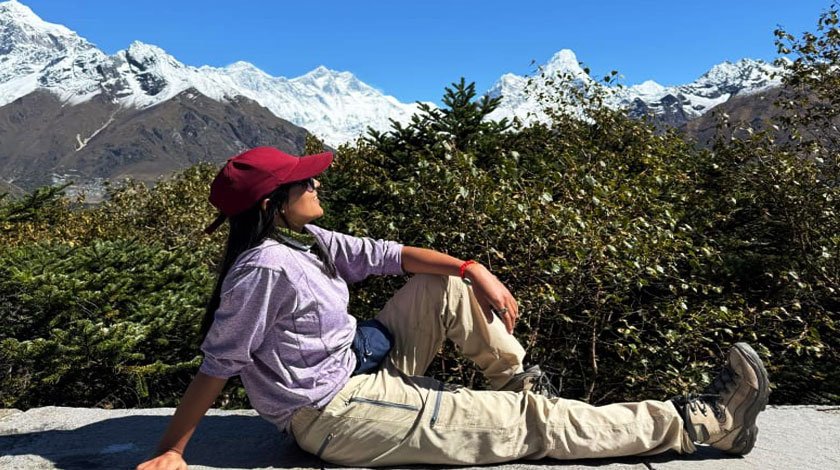
Morning skies are often crystal clear, offering stunning panoramic views of Himalayan peaks such as Mount Everest and surrounding snow-covered ranges. Visibility is generally excellent, especially in the early hours.
Active Wildlife and Natural Life
National parks and conservation areas become lively after winter. Trekkers may encounter Himalayan birds, deer species, and other wildlife along the trails, particularly in the Langtang and Annapurna regions.
Best Spring Treks in Nepal
Spring is an excellent season for almost all major trekking routes, including:
- Everest Base Camp Trek
- Annapurna Base Camp Trek
- Annapurna Circuit Trek
- Langtang Valley Trek
- Manaslu Circuit Trek
- Mardi Himal Trek
- Pikey Peak Trek
Each of these routes offers a perfect balance of natural beauty, cultural experience, and stable trekking conditions during spring. Spring is therefore widely considered a good time to visit Nepal for trek enthusiasts who want colorful landscapes, comfortable weather, and rewarding Himalayan views.
Autumn Trekking Season (September–November)
Autumn is widely considered by trekking experts, guides, and experienced hikers as the absolute best time to visit Nepal. After the monsoon season ends, the atmosphere becomes clean and fresh, offering some of the clearest mountain views of the entire year.
This season is the peak trekking period in Nepal, when all major trails are fully open, tea houses operate at full capacity, and the Himalayan scenery reaches its most spectacular form.
Why Autumn Is So Popular
Crystal-Clear Mountain Views
After months of monsoon rains, dust, haze, and pollution are washed away. This results in outstanding visibility of Himalayan peaks, including Mount Everest and the surrounding ranges. Sunrises and sunsets during this season are especially dramatic.
Stable Weather Conditions
Autumn offers highly predictable weather with very low chances of rainfall. Skies remain mostly clear, and trekking routes are dry and safe, making it ideal for long-distance Himalayan journeys.
Pleasant Trekking Temperatures
Temperatures during autumn are perfectly balanced. Days are warm enough for comfortable walking, while nights are cool but not extreme. This makes it one of the most enjoyable trekking seasons in Nepal.
Rich Festival Experience
Autumn also coincides with Nepal’s biggest cultural celebrations. Trekkers can experience local traditions, village festivities, and authentic cultural interactions along the trails, adding depth to the trekking experience.
Best Autumn Treks in Nepal
Autumn is suitable for almost all trekking routes in Nepal, including both popular and remote trails:
- Everest Base Camp Trek
- Three Passes Trek
- Annapurna Circuit Trek
- Annapurna Base Camp Trek
- Langtang Valley Ganjala pass Trek
- Manaslu Tsum valley Circuit Trek
- Makalu Base camp trek
- Kanchenjunga Trek
During this season, even high-altitude passes such as Thorong La and Kongma La are generally in excellent condition. For most travelers, autumn offers the perfect combination of stable weather, breathtaking scenery, and rich cultural experiences, making it the true peak season for Himalayan trekking.
Best Time to Visit Nepal by Month
Understanding Nepal month by month helps travelers choose the most suitable period based on weather, trekking goals, and crowd levels.
January
January is the coldest month of the year in Nepal, especially in high-altitude trekking regions. Snow is common in higher elevations, but lower-altitude routes remain accessible and enjoyable.
Suitable Treks in January
- Ghorepani Poon Hill Trek
- Chisapani Nagarkot Trek
- Lower Mustang Trek
This month is ideal for travelers who prefer quiet trails, crisp air, and winter mountain views.
February
February marks a gradual transition from winter to spring. Temperatures slowly begin to rise, and trekking conditions improve across many regions.
Highlights of February
- Clear and stable skies
- Less crowded trekking routes
- Increasing daylight and improving temperatures
- Excellent photography conditions
Lower and mid-altitude treks become more comfortable, making February a good pre-spring trekking option in Nepal.
March
March marks the official beginning of the spring trekking season in Nepal. As winter slowly fades, temperatures start to rise and trekking conditions improve across most regions.
Highlights of March
- Early rhododendron blooms begin in mid-hill forests
- Pleasant daytime temperatures ideal for trekking
- Increasing number of trekkers on popular routes
- Clear mountain views, especially in the mornings
March is a great time for those who want to experience Nepal before the peak tourist rush begins.
April
April is one of the most popular and rewarding trekking months in Nepal. It represents the peak of the spring season when nature is at its most vibrant.
Highlights of April
- Full rhododendron bloom across major trekking trails
- Excellent visibility of the Himalayan peaks
- Stable and comfortable trekking weather
- Lively trekking atmosphere with many international visitors
Due to its ideal conditions, many trekkers consider April one of the best times to visit Nepal, especially for scenic and flower-filled trails.
May
May is the final month of the spring trekking season and brings warmer conditions, especially at lower elevations.
Advantages of May
- Warm and pleasant weather in most trekking regions
- Fewer crowds compared to April
- Excellent conditions for high-altitude trekking
- Clear mornings with good mountain visibility
May is particularly suitable for trekkers heading to higher regions like Everest Base Camp or remote Himalayan valleys.
June
June marks the beginning of the monsoon season in Nepal. Rainfall starts to increase across most trekking regions, but some areas remain excellent for travel.
Best Regions in June
- Upper Mustang
- Upper Dolpo
- Nar Phu Valley
These rain-shadow regions receive very little rainfall, making them ideal for trekking during the early monsoon period.
July
July is the peak of the monsoon season, bringing heavy rainfall to most parts of Nepal.
Recommended Areas in July
- Upper Mustang
- Upper Dolpo
- Dry Himalayan rain-shadow regions
While lowland trekking routes may be affected by rain and landslides, remote trans-Himalayan regions remain accessible and scenic.
August
August continues the monsoon season, but the landscapes become lush, green, and incredibly vibrant.
Photography Opportunities in August
- Powerful waterfalls and rivers
- Green terraced farmlands
- Misty hills and dramatic cloud formations
- Traditional rural villages in full monsoon beauty
Although trekking conditions can be challenging, August is excellent for photographers and cultural travelers.
September
September marks the end of the monsoon and the beginning of the main trekking season.
Benefits of September
- Fresh and clean landscapes after rainfall
- Gradually improving mountain visibility
- Moderate and comfortable temperatures
- Reopening of major trekking routes
September is a transition month and a great time to start Himalayan adventures.
October
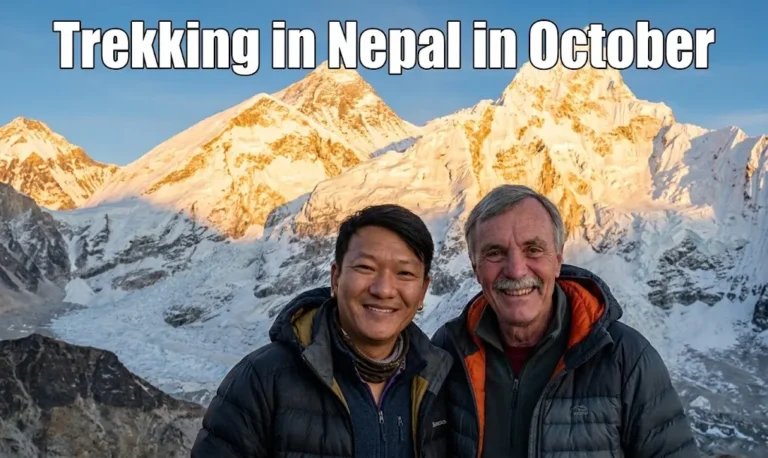
October is widely regarded as the finest trekking month in Nepal and often considered the peak of the entire travel year.
Advantages of October
- Crystal-clear Himalayan visibility
- Stable and dry weather conditions
- Perfect trekking temperatures
- Major cultural festivals across the country
Many guides and travelers consider October the true best time to visit Nepal for trekking and cultural experiences.
November
November continues the excellent weather conditions of October, making it another top trekking month.
Why Trekkers Love November
- Sharp and clear mountain views
- Dry and safe trekking trails
- Comfortable daytime temperatures
- Less haze and stable weather patterns
November is ideal for both long and short Himalayan treks.
December
December marks the beginning of winter in Nepal, bringing colder temperatures, especially at higher elevations.
Suitable Activities in December
- Lower-altitude trekking routes
- Cultural and heritage tours
- Wildlife safaris in national parks
Although high mountain passes become challenging due to snow, December still offers peaceful trails and stunning winter landscapes.
Best Time to Visit Nepal for Everest Base Camp Trek
The Everest region attracts trekkers from around the world.
Spring (March–May)
Benefits include:
- Moderate temperatures
- Colorful landscapes
- Active climbing season
Autumn (September–November)
Benefits include:
- Best visibility
- Stable weather
- Spectacular mountain panoramas
For Everest Base Camp, both seasons offer a good time to visit Nepal for trekking experiences.
Best Time to Visit Nepal for Annapurna Region Trekking
The Annapurna region is one of the most popular trekking destinations in Nepal, known for its incredible diversity of landscapes, rich cultural villages, and well-established trekking routes. From lush subtropical forests to high alpine terrain, the region offers something for every type of trekker.
Best Seasons
Spring (March–May)
Spring is one of the most beautiful times to trek in the Annapurna region.
Highlights:
- Blooming rhododendron forests cover the hillsides
- Pleasant and stable trekking weather
- Vibrant landscapes with colorful scenery
- Excellent visibility in the mornings
This season is ideal for nature lovers and photographers.
Autumn (September–November)
Autumn is widely considered the best trekking season in the Annapurna region.
Highlights:
- Exceptional Himalayan mountain views
- Stable and dry weather conditions
- Clear skies with minimal haze
- Perfect trekking temperatures
Autumn is the peak trekking season and offers the most reliable conditions for all major routes.
Popular Routes in the Annapurna Region
Best Time to Visit Nepal for Langtang Valley Trek
The Langtang Valley Trek is a beautiful and relatively less crowded trekking route located close to Kathmandu. It is known for its stunning mountain views, traditional Tamang villages, and peaceful Himalayan environment.
Ideal Seasons
March to May (Spring)
- Colorful wildflower blooms along the trail
- Comfortable daytime temperatures
- Clear views of surrounding peaks
- Lively natural landscapes
September to November (Autumn)
- Crystal-clear skies after the monsoon
- Stable and dry trekking conditions
- Excellent mountain visibility
- Ideal trekking temperatures
These two seasons are widely considered the best time to visit Nepal for Langtang trekking adventures.
Best Time to Visit Nepal for Upper Mustang Trek
Upper Mustang is a unique trekking destination located in the trans-Himalayan rain-shadow region of Nepal. Unlike most trekking areas, it remains dry even during the monsoon season, making it accessible for a longer period of the year.
Best Months
- May
- June
- July
- August
- September
- October
Even during the rainy season in other parts of Nepal, Upper Mustang remains dry, making it an excellent choice for summer trekking.
This region is especially popular for those searching for a good time to visit Nepal for trek experiences outside the traditional trekking seasons.
Best Time to Visit Nepal for Wildlife Safaris
Nepal is not only famous for its mountains but also for its rich wildlife and jungle safari experiences in its lowland national parks.
Popular Safari Destinations
Best Safari Season
October to March
This is the best period for wildlife exploration.
Advantages:
- Comfortable and dry weather
- Higher chances of wildlife sightings
- Easier jungle exploration conditions
- Clear visibility for birdwatching
Wildlife You May See
- Bengal tiger
- One-horned rhinoceros
- Wild elephants
- Crocodiles
- Hundreds of bird species
Best Time to Visit Nepal for Cultural Tours
Nepal is a culturally rich destination where ancient traditions, UNESCO heritage sites, and vibrant festivals create unforgettable travel experiences.
Major Cultural Destinations
- Kathmandu
- Bhaktapur
- Patan
- Pokhara
Best Months for Cultural Tours
October and November
- Pleasant temperatures
- Major festivals across the country
- Clear skies for sightseeing
February to April
- Ideal weather for walking tours
- Great photography conditions
- Less crowded heritage sites
Major Festivals and the Best Time to Visit Nepal
Nepal’s cultural calendar adds incredible depth to any journey, allowing travelers to experience traditional celebrations alongside their travel adventures.
Dashain
Dashain
Nepal’s most important festival, usually celebrated in September or October, marks family reunions and blessings.
Tihar
Tihar
Known as the festival of lights, celebrating animals, nature, and prosperity.
Holi
Holi
A vibrant spring festival filled with colors, music, and celebration.
Tiji Festival
Tiji Festival
A unique cultural festival in Upper Mustang showcasing ancient Tibetan Buddhist traditions.
When to Avoid Visiting Nepal
Although Nepal is a year-round destination, certain seasons may not suit all types of travelers.
Challenges During Monsoon (June–August)
- Heavy rainfall in many regions
- Risk of landslides in some areas
- Limited mountain visibility
- Possible flight delays and road disruptions
Challenges During Winter (December–February)
- Extremely cold temperatures at high altitude
- Snow-blocked high passes
- Some remote lodges may close
However, experienced travelers can still enjoy lower-altitude treks and cultural tours during these seasons.
Seasonal Summary Table
| Season | Months | Trekking Quality | Mountain Views | Crowds |
|---|---|---|---|---|
| Spring | March-May | Excellent | Very Good | High |
| Summer/Monsoon | June-August | Limited | Moderate | Low |
| Autumn | September-November | Excellent | Excellent | High |
| Winter | December-February | Good at lower elevations | Excellent | Low |
Conclusion
The best time to visit Nepal largely depends on your travel goals, interests, and the type of experience you are looking for. However, for most trekkers, adventure seekers, and mountain lovers, the two prime seasons—spring (March to May) and autumn (September to November)—offer the most reliable and rewarding conditions.
During these months, Nepal experiences stable weather, crystal-clear Himalayan views, comfortable trekking temperatures, and vibrant natural landscapes. These conditions make trekking routes such as Everest Base Camp, Annapurna Circuit, Langtang Valley, Manaslu Circuit, and Mardi Himal especially enjoyable and safe.
If you are looking for the good time to visit Nepal for trek adventures, spring and autumn remain the top choices. However, Nepal is a year-round destination. Winter offers peaceful trails and excellent lower-altitude trekking, while the monsoon season opens up unique opportunities in rain-shadow regions such as Upper Mustang and Upper Dolpo Trek.
No matter when you travel, Nepal always delivers something special—majestic mountains, rich cultural traditions, diverse landscapes, and warm local hospitality that create truly unforgettable journeys.
Frequently Asked Questions (FAQs)
What is the best time to visit Nepal?
The best time to visit Nepal is during spring (March to May) and autumn (September to November). These seasons provide the most stable weather, clear mountain views, and ideal trekking conditions.
What is the good time to visit Nepal for trekking adventures?
The good time to visit Nepal for trek experiences is generally spring and autumn. These seasons offer comfortable temperatures, dry trails, and excellent visibility of Himalayan peaks.
Is Nepal good to visit during the monsoon?
Yes, Nepal can still be visited during the monsoon season, especially for regions like Upper Mustang, Upper Dolpo, and cultural tours. However, many trekking areas receive heavy rainfall, which may affect travel plans.
Which month has the clearest mountain views in Nepal?
October and November are considered the best months for the clearest Himalayan views due to post-monsoon air quality and stable weather conditions.
Can I trek in Nepal during winter?
Yes, trekking is possible in winter, especially in lower-altitude regions. Popular winter treks include Ghorepani Poon Hill, Lower Mustang, and parts of the Annapurna and Langtang regions.
Is April a good month to visit Nepal?
Yes, April is one of the best months to visit Nepal. It offers blooming rhododendron forests, pleasant temperatures, and excellent trekking conditions.
Which season is best for the Everest Base Camp Trek?
The best seasons for the Everest Base Camp Trek are spring (March–May) and autumn (September–November) due to stable weather and clear mountain views.
Is Upper Mustang suitable during the monsoon?
Yes, Upper Mustang is one of the best trekking destinations during the monsoon season because it lies in a rain-shadow region and remains relatively dry.
Trek Grade
Grade 1
Tap outside to close
Trekking is essentially day hiking and doesn't require any special training. However, good physical condition, a love of walking, and a desire to enjoy mountain views and village life are essential.
Grade 2
Tap outside to close
These treks are suitable for walkers looking for something more challenging and energetic. Hill-walking experience is desirable, with longer days and higher elevations.
Grade 3
Tap outside to close
Since the terrain can be hard and the days long, hikers should be in good physical condition and have previous mountain walking experience. High passes and extended trekking days may be involved.
Trek Grade
Grade 1
Tap outside to close
Trekking is essentially day hiking and doesn't require any special training. However, good physical condition, a love of walking, and a desire to enjoy mountain views and village life are essential.
Grade 2
Tap outside to close
These treks are suitable for walkers looking for something more challenging and energetic. Hill-walking experience is desirable, with longer days and higher elevations.
Grade 3
Tap outside to close
Since the terrain can be hard and the days long, hikers should be in good physical condition and have previous mountain walking experience. High passes and extended trekking days may be involved.