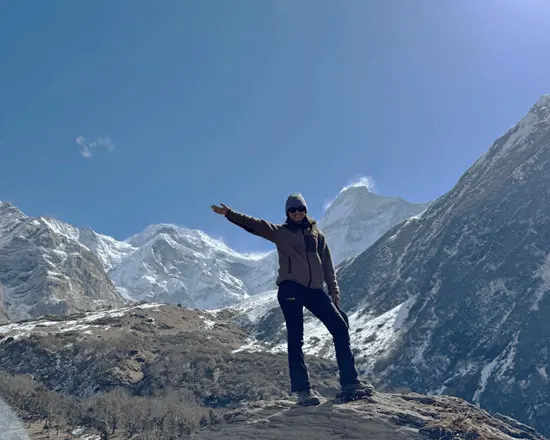
Great Himalayan Trail (GHT) Trek in Nepal
The Great Himalayan Trail (GHT) trek in Nepal offers an extraordinary journey combining various mountainous regions into one awe-inspiring hiking experience. It spans eight peaks above 8,000 meters, from the Far Eastern to the Far Western Region. Known as the “Great Himalayan Trail,” it includes diverse routes like the Kanchenjunga Circuit, Makalu Route, Everest Route, and others. Each route offers unique landscapes and cultural experiences, making it a coveted destination for trekkers seeking diverse adventures in the Himalayas. Embarking on this epic journey allows immersion in Nepal’s Himalayas for nearly half a year, or choosing a low-route GHT trek to suit preferences.
Unraveling the Routes along the Great Himalaya Trail
The Great Himalayan Trail offers two distinct routes: the low Route and the upper Route. However, the upper route is considered the true Great Himalayan Trail. Drawing on our extensive 25-year experience in Nepal Trekking, we strongly recommend beginning your GHT journey from the eastern side. Nepal Wilderness Trekking has expertly crafted itineraries that allow you to complete the GHT route continuously or choose specific sections to conquer, accommodating your availability and preferences.
A Glimpse into the History of the Great Himalaya Trail
The legacy of the Great Himalaya Trail dates back to 1949, when Bill Tilman became the first chain traveler to explore the Helambu, Langtang, Kali Gandaki Valley, and Mount Everest regions. The introduction of organized trekking holidays in 1965 revolutionized travel, making the Himalayan regions accessible to adventurers from all walks of life. It’s worth noting that Nepal, though one of the most accessible countries, had strict ‘no-go’ areas along its border with Tibet until 2002. Since then, Nepal has opened all its mountains for permit-based trekking, attracting intrepid explorers eager to conquer the Great Himalayan Trail.
Nepal Wilderness Trekking stands as one of the pioneering trekking agencies championing the promotion of this iconic hiking route. Our seasoned trekking guides and travel planners possess unparalleled expertise in high-caliber trekking in Nepal. Following the guidance of our travel experts is highly recommended, given our comprehensive knowledge of the entire GHT course within Nepal.
The Great Himalayan Trail: A Brief Overview
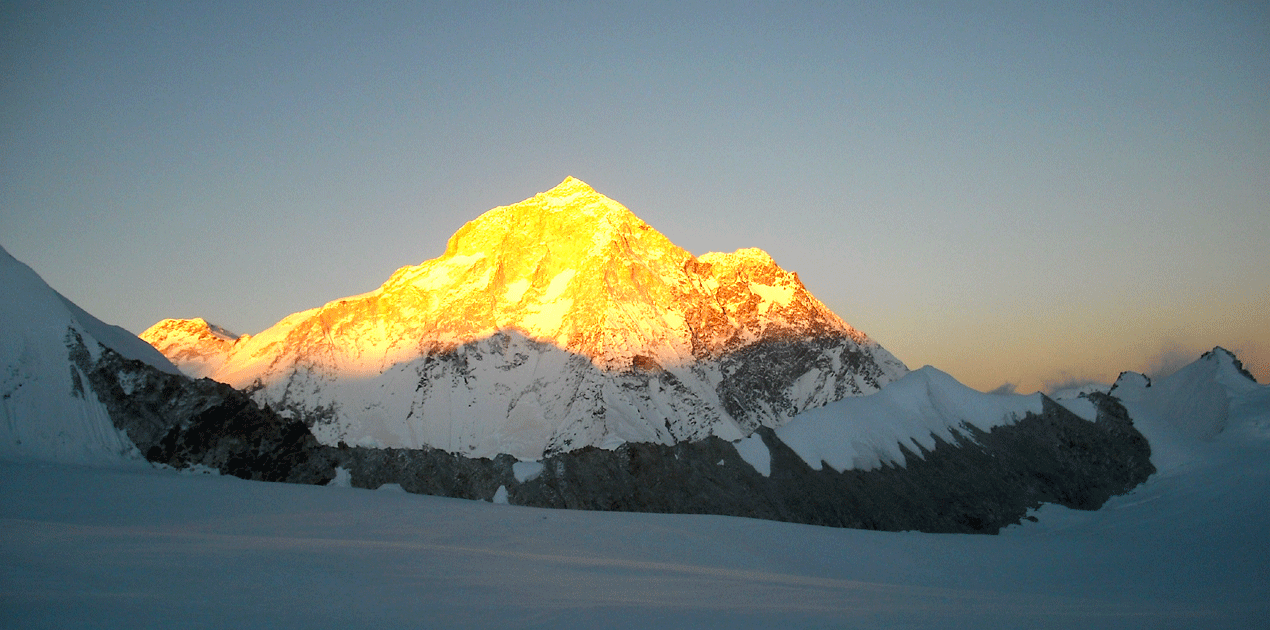
The Great Himalayan Trail is a monumental undertaking, requiring approximately 150 days to complete. This epic journey meanders through the Nepal Himalayas, showcasing some of the world’s highest peaks. Your trek commences in the Kanchenjunga region, nestled in the shadows of Mt. Kanchenjunga, the third-highest mountain on the planet. This region, especially in spring, is renowned for its stunning Rhododendrons, adorning the hills with a kaleidoscope of colors.
Lumba Sumba Pass & Makalu Region
The trek to Kanchenjunga Base Camp includes crossing the Lumba Sumba Pass (5,178m) and venturing into the Makalu region. Basic tea houses provide respite in the Kanchenjunga region, inhabited predominantly by the ethnic Limbu and Rai communities. Camping is essential as you journey from Ghunsa westward to Lumba Sumba Pass.
Dividing the Great Himalayan Trail
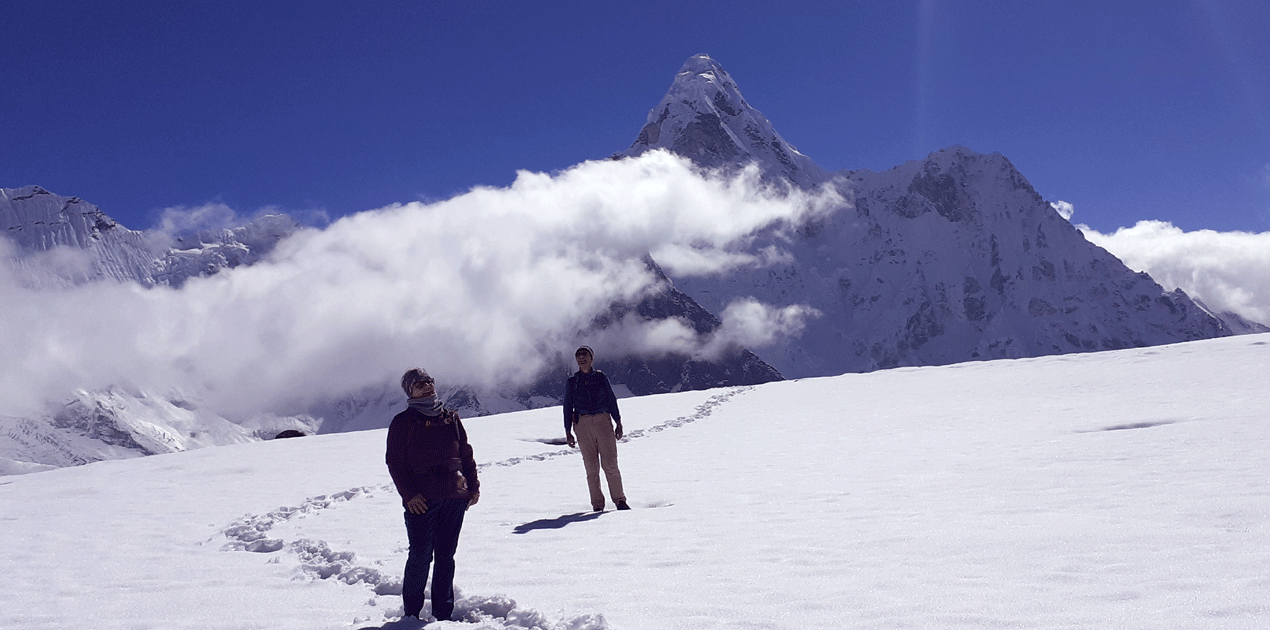
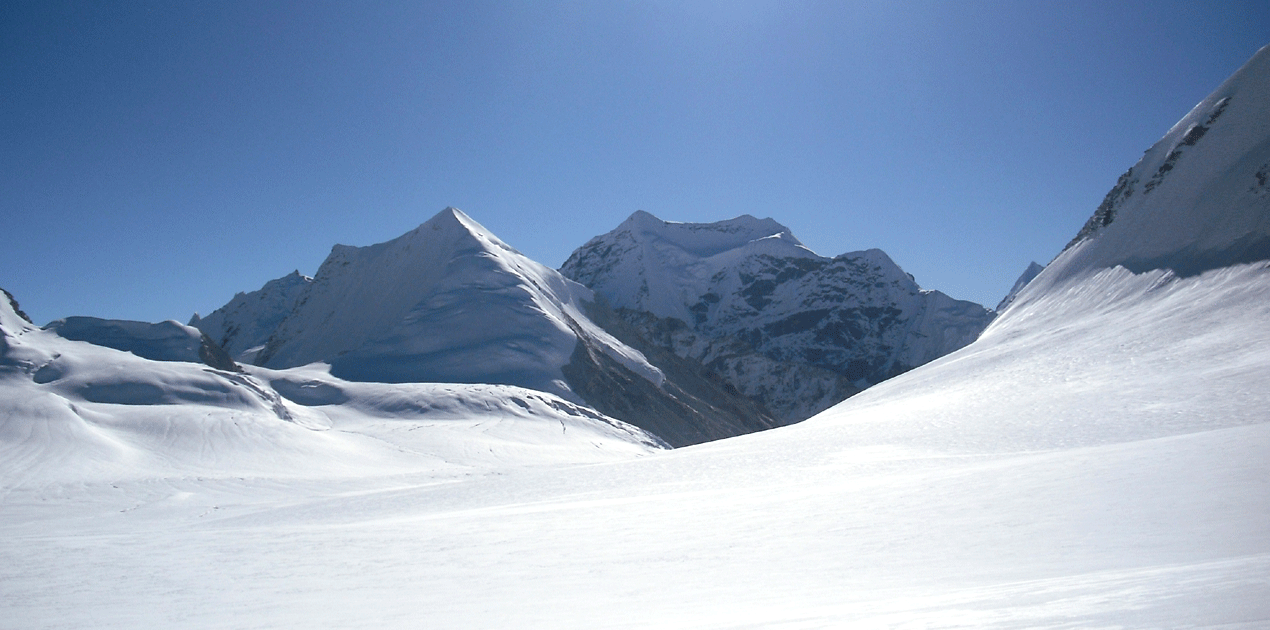
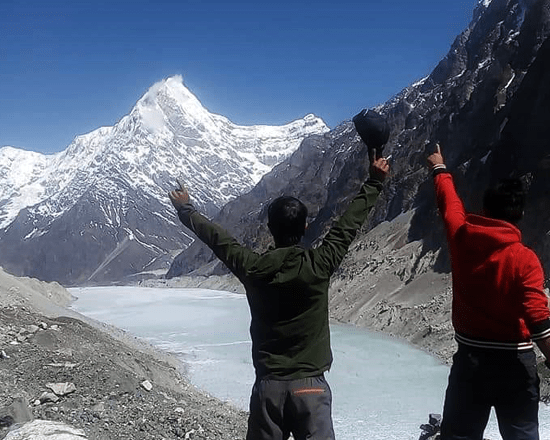
For trekkers who wish to divide their Great Himalayan Trail adventure into sections, returning via Tumlingtar is recommended. Alternatively, continue northward toward the Nepal-Tibet border area, reveling in the beauty of the Makalu region (part of the Makalu Barun National Park) and captivating views of Mt. Makalu and Makalu Base Camp. The high route leads to Amphu Lapha, crossing the awe-inspiring Sherpani Col, offering breathtaking vistas of snow-clad peaks and towering mountains. Now, you’re in the heart of the Everest region, exploring the enchanting Khumbu valley. Accommodation is readily available in several tea houses along the route. After a trek that includes Gokyo lakes and a visit to Gokyo Ri, plus a crossing of Renjo-la pass, you transition into the Rolwaling valley via Tashi Lapcha pass, where Gurungs and Sherpas call this region home.
Rolwaling to Langtang: Tamang and Sherpa Cultures
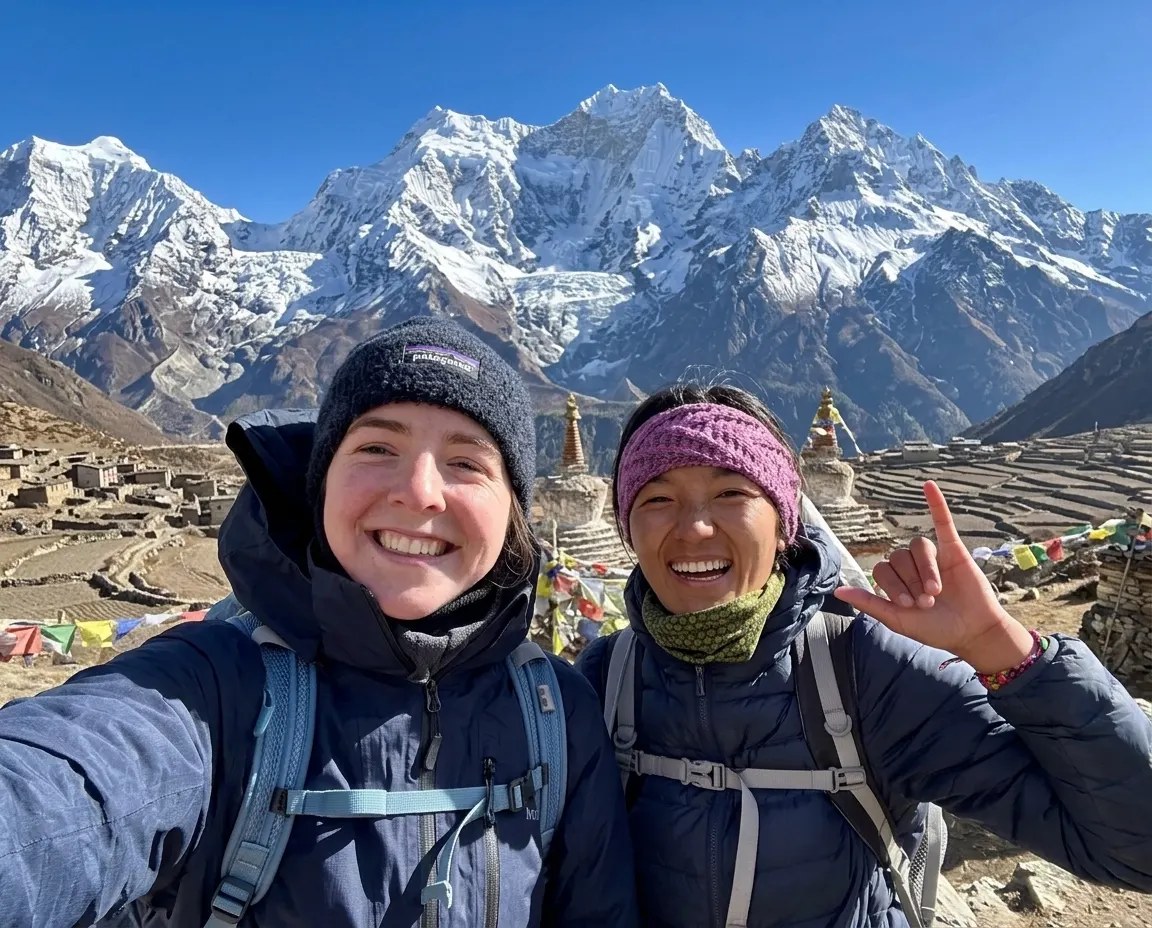
Upon descending from the Rolwaling Valley through Tilman Pass, you’ll enter the Langtang Valley, home to the Tamang and Sherpa ethnic groups. This part of your journey exposes you to diverse customs, lifestyles, traditional attire, and unique languages specific to these ethnicities.
Ganesh Himal and Ruby Valley: Gurung Cultures
Continuing your odyssey, you’ll venture into the Ganesh Himal region and the Ruby Valley, where lush meadows and fertile pasturelands unfold against the backdrop of the mighty Annapurna range. In the Ruby Valley area, Gurung and Magar communities predominate.
Manaslu Region: Larke-la Pass and Annapurna Views
In the Manaslu area, your trek follows much of the Manaslu circuit’s route. The Larke-la pass (5,106m), north of Mt. Manaslu (8,163m), treats you to captivating views of the Annapurna mountain range, Mt. Manaslu, and the towering peaks of the east.
Thorong-la Pass to Upper Mustang & Dolpo: Peaks & Remote Lands
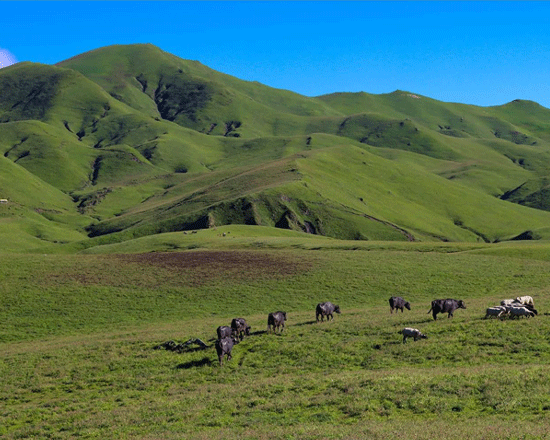
After conquering the Thorong-la pass at 5,416 meters, the Manaslu circuit trail merges with the Annapurna circuit trail, leading you to Manang and across the Thorong-la pass. As you descend, you’ll be rewarded with spectacular views of Upper Mustang, a region characterized by its barren yet incredibly colorful landscape. Along the way, a stop at Muktinath, a renowned pilgrimage destination, precedes your westward journey toward the Upper Dolpo trekking area. Upper Dolpo stands as one of Nepal’s remotest regions, boasting pristine natural beauty and a rich cultural heritage. During your trek, you might walk for days without encountering settlements, but you’ll likely cross paths with caravans of yaks and goats, either grazing or transporting goods.
Rara Lake to Simikot: Exploring Remote Villages
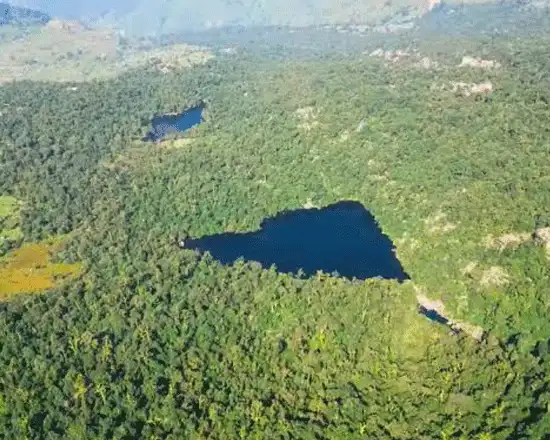
Continuing your journey off the beaten path, you’ll reach the serene oasis of Rara Lake, nestled at nearly 3,000 meters, framed by dense forests and distant snow-capped mountains. The route to Simikot takes you through remote areas that have seen few tourists. As you pass through local villages, you’ll gain insights into the lifestyles and traditions of the people residing in one of Nepal’s remotest and economically disadvantaged regions.
Limi Valley Trek: Flora, Fauna, and Buddhist Heritage
The route further leads to the remote Limi Valley trek, featuring abundant flora and fauna, ancient Buddhist monasteries, and rich religious traditions. From Simikot, the starting point of the Mt. Kailash trek, you can embark on the Great Himalayan Trail’s final leg, culminating at the Hilsa border crossing, the Nepal-Tibet border. The journey back to Kathmandu retraces your steps via Simikot.
Great Himalaya Trail distance
The Great Himalaya Trail (GHT) is not a single, fixed route; instead, it comprises a network of existing trails and routes that span the entire length of the Himalayas, covering roughly 1,600 miles (2,600 kilometers). This network offers trekkers a variety of experiences, from remote wilderness areas to culturally rich villages, showcasing the diverse landscapes and cultures of the region. The trail passes through six countries: Bhutan, Nepal, India, Pakistan, Tibet (China), and Afghanistan.
However, it’s important to note that the exact distance can vary depending on the specific route taken. Moreover, any deviations or side trips a trekker might choose to make along the way can also impact the overall length of the trek. Furthermore, the trail’s length is subject to change due to the establishment of new routes or modifications to existing ones.
Conclusion
A summary can hardly capture the grandeur of the Great Himalayan Trail high route. The trail unfolds an astonishing tapestry of landscapes, natural wonders, diverse lifestyles, cultures, and traditions unique to various ethnic groups. To delve deeper into these regions, explore the distinct sections of the Great Himalaya Trail. Our dedicated team at Nepal Wilderness Trekking is eager to guide you through the route options.
Departure Note
All published departure dates listed below are 100% guaranteed to operate.
If the scheduled departure dates do not align with your travel plans, we would be pleased to arrange a private trek on your preferred dates at the same cost. Whether you are traveling solo, with family, friends, or as part of a group, we can customize the itinerary to suit your schedule, interests, and trekking experience.
Our team will be delighted to design a personalized itinerary and help you create an unforgettable trekking experience in Nepal.