24 hours customer service +9779849693351

Bokta peak

Trip Facts

Duration : 20 Days Max-Altitude : 6,143 Program Type : tea house and tent Best Season : April- May, Jun- Jul Sep-Oct-Nov Per Day Walking : 5/6 h Trek Grade : Grade 4:

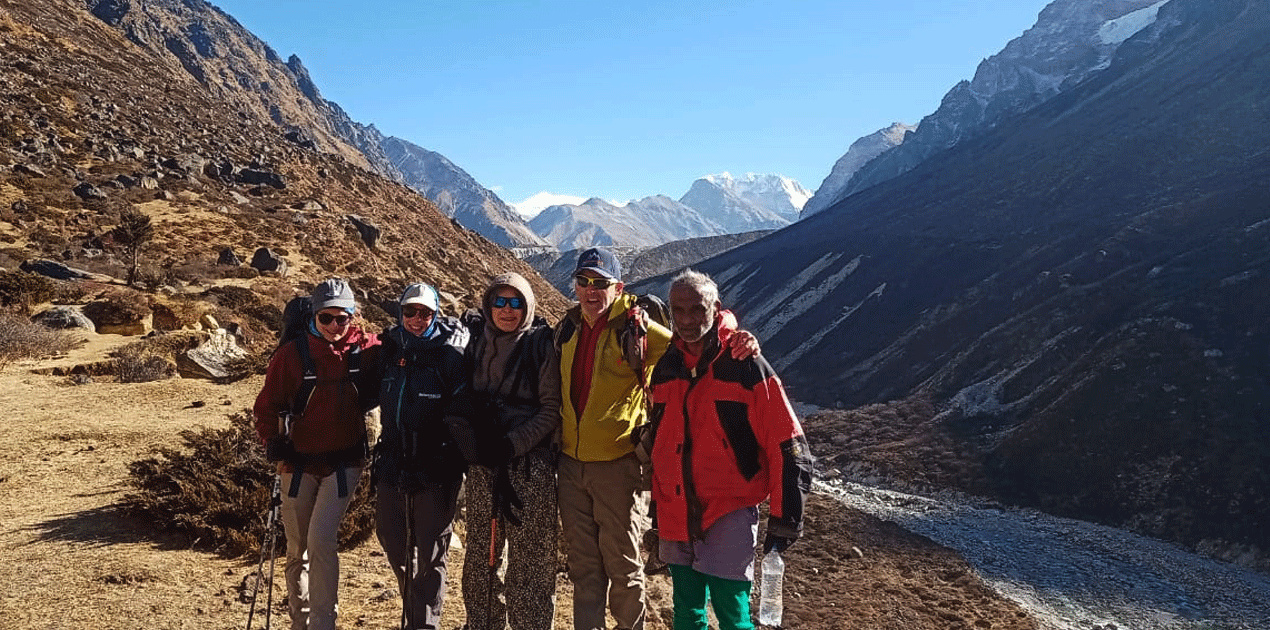
This is challenging and technical Trekking, climbing of Nepal, you most have to physically fit and mentally prepare, off the beaten trails, camping or challenging high passes Treks, at this level can he arranged for periods of 18 to 32 days. Typically, a gradual ascent through a green river valley will lead you up to a number of high passes, where you will reach the altitude of 5416m. Often times, you will get a close insight into the Tibetan culture. Participants should expect to trek above 5416m/17872ft. or climbing 6540m.

100%

600 Reviews

Start From

All price inclusive
$ 5000 $ 4800
USD per person

Group Price

No. of Persons Price per Person
1 Pax $4800
2 Paxes $4500
3-4 Paxes $4400
5-6 Paxes $4300
7-8 Paxes $4200
9-10 Paxes $4100
11-15 Paxes $4000
16+Paxes $4000

Number of Travellers

Overview

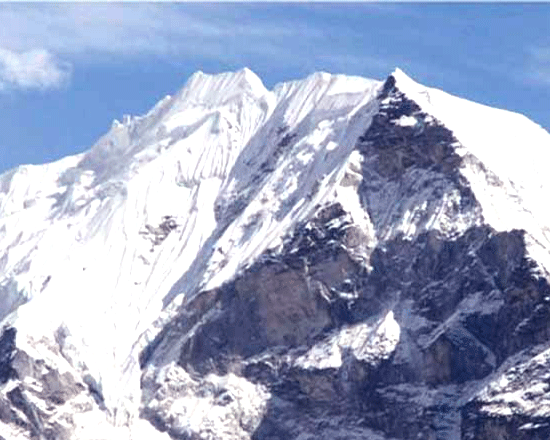
Nestled in the remote eastern part of Nepal, Bokta Peak Climbing stands tall at 6,143 meters (20,154 feet) above sea level. This majestic mountain is part of the Kanchenjunga massif, offering an extraordinary climbing experience for adventurers seeking both challenge and serenity. While it may not be as famous as other trekking peaks in Nepal, its untouched beauty and the sense of accomplishment provide a true hidden gem for climbers.

Bokta Peak Climbing: Package and Itinerary by Nepal Wilderness Trekking

Begin an unforgettable adventure with Nepal Wilderness Trekking to Bokta Peak Climbing, guided by our expert climbing team. This 23-day itinerary includes a scenic flight from Kathmandu to Bhadrapur, followed by a rugged trek through the Kanchenjunga Conservation Area. Our itinerary ensures proper acclimatization days for higher altitudes. The climb involves setting up two high camps for a safe summit. Our seasoned guides provide expert support, ensuring a safe and rewarding experience. With us, you’ll not only conquer Bokta Peak Climbing but also immerse yourself in the region’s rich culture and biodiversity.

Location and Accessibility

Bokta Peak is located in the Kanchenjunga Conservation Area, one of Nepal’s most pristine and least-explored regions. The journey to this peak starts with a domestic flight from Kathmandu to Bhadrapur, followed by a long drive to Taplejung. From there, trekkers embark on a multi-day trek through lush forests, alpine meadows, and remote mountain villages. The approach to Bokta Peak climbing coincides with the Kanchenjunga Base Camp trek, allowing climbers to immerse themselves in the natural beauty and diverse culture of the region.

Essential Equipment

  • Glacier Kit: Crampons, ice axe, harness, prusiks, crevasse rescue kit.

  • High-Altitude Gear: 600–800 g down suit or layered system, 600 + fill sleeping bag (rated to –20 °C), expedition tent.

  • Cooking & Communication: Fuel stoves (liquid fuel recommended), satellite phone or VHF radio.

Team & Logistics

  • Guides & Porters:

    • Recommend one IFMGA or NMA licensed guide for every 2 climbers.

    • Porters carry camp gear; climbers carry a personal daypack (5–7 kg).

The Climbing Experience

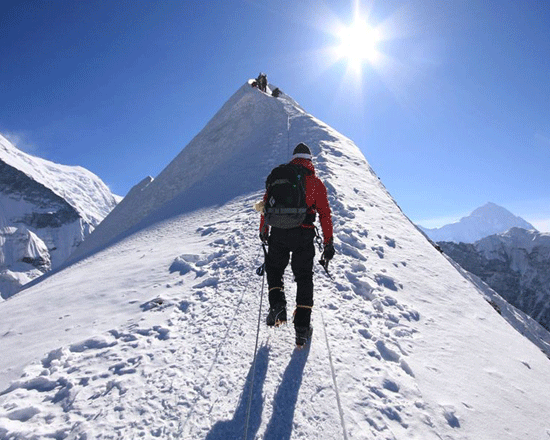
Bokta Peak Climbing is a rewarding yet demanding adventure. The ascent is graded as PD+ (Peu Difficile Plus) on the French Alpine scale, indicating that it involves technical sections, including snow slopes and glacier crossings. The climb requires basic mountaineering skills, including the use of ice axes, crampons, and ropes.

The journey to the summit typically takes 4-5 days from the base camp. Climbers establish two high camps to aid acclimatization and to manage the challenging terrain. The final push to the summit involves navigating steep snow-covered slopes, offering both excitement and breathtaking views of surrounding peaks like Kanchenjunga (8,586 m), Jannu (7,710 m), and the distant Makalu (8,485 m). On a clear day, the Tibetan plateau can also be seen, adding to the grandeur.

Flora and Fauna

The trek to Bokta Peak passes through the Kanchenjunga Conservation Area, home to an incredible variety of flora and fauna. At lower altitudes, trekkers walk through rhododendron forests, bamboo groves, and oak woodlands. As the elevation increases, the vegetation transitions to alpine shrubs and moss-covered rocks.

Wildlife enthusiasts might spot red pandas, Himalayan black bears, musk deer, and a variety of bird species like blood pheasants and Himalayan monals. The region’s biodiversity makes the journey to Bokta Peak Climbing as enriching as it is challenging.

Acclimatisation for Bokta Peak Climbing

  • “Climb High, Sleep Low”
    Whenever possible, gain elevation during the day but descend to sleep at a lower altitude.

  • Gradual Ascent
    Don’t push more than 300–500 m of net sleeping-altitude gain per day once above 3,000 m.

  • Rest & Hydration
    Drink at least 4–5 liters of water daily; avoid alcohol and heavy meals at altitude.

  • Active Recovery
    Gentle day-hikes above camp to boost red-blood-cell production, then return to sleep lower.

  • Monitor Yourself
    Check for headache, nausea, dizziness, and reduce altitude at the first signs of AMS.

Cultural Encounters

The route to Bokta Peak climbing winds through Sherpa, Limbu, and Rai villages, where climbers can experience the rich cultural tapestry of eastern Nepal. Villagers warmly welcome trekkers, offering insights into their age-old traditions, agricultural lifestyles, and religious practices. The region is also dotted with Buddhist monasteries, mani walls, and chortens, which add a spiritual dimension to the trek.

Best Time to Climb

The best seasons for Bokta Peak Climbing are spring (April-May) and autumn (September-November). During these months, the weather is relatively stable, offering clear skies and mild temperatures. Spring showcases the blooming rhododendrons, while autumn provides crisp air and excellent visibility. Winter climbs are extremely challenging due to heavy snowfall and frigid temperatures, while the monsoon season (June-August) brings heavy rains and treacherous trails.

Physical and Technical Preparation

Bokta Peak Climbing requires good physical fitness and basic mountaineering skills. Prospective climbers should engage in cardiovascular training, strength exercises, and practice using climbing gear. Previous experience in trekking peaks above 5,000 meters is highly recommended.

Essential equipment includes:

  • Mountaineering boots suitable for snow and ice
  • Ice axe and crampons
  • Climbing harness and ropes
  • Warm, layered clothing
  • Sleeping bag rated for extreme cold
  • Sunglasses and sunscreen for high-altitude UV protection

Permits and Regulations

For Bokta Peak Climbing, adventurers must obtain a climbing permit from the Nepal Mountaineering Association (NMA). Additionally, trekkers need a Kanchenjunga Conservation Area Permit (KCAP) and a Restricted Area Permit. These permits help support conservation efforts and regulate tourism in the fragile mountain environment.

Challenges and Rewards

Bokta Peak climbing presents several challenges, including unpredictable weather, altitude sickness, and technical sections. Acclimatization is crucial to prevent Acute Mountain Sickness (AMS). Hiring an experienced guide and support team enhances safety and increases the chances of a successful summit.

The rewards, however, are immense. The solitude of the Kanchenjunga region, combined with the panoramic views from the summit, creates an unparalleled sense of achievement. Climbers are not only treated to breathtaking landscapes but also gain a deeper connection to the natural world and local cultures.

Why Choose Bokta Peak?

While many climbers are drawn to more famous peaks like Island Peak or Mera Peak, Bokta Peak offers a less crowded, more immersive experience. It is ideal for those seeking an off-the-beaten-path adventure in a region renowned for its rugged beauty and cultural richness. The journey tests physical and mental endurance while rewarding climbers with unparalleled memories.

For those willing to step beyond the usual trekking routes and embrace a true Himalayan adventure, Bokta Peak stands as a beacon of challenge, beauty, and triumph. From the Bokta Peak, the climber will capture both the south and the north side of Kanchenjunga.


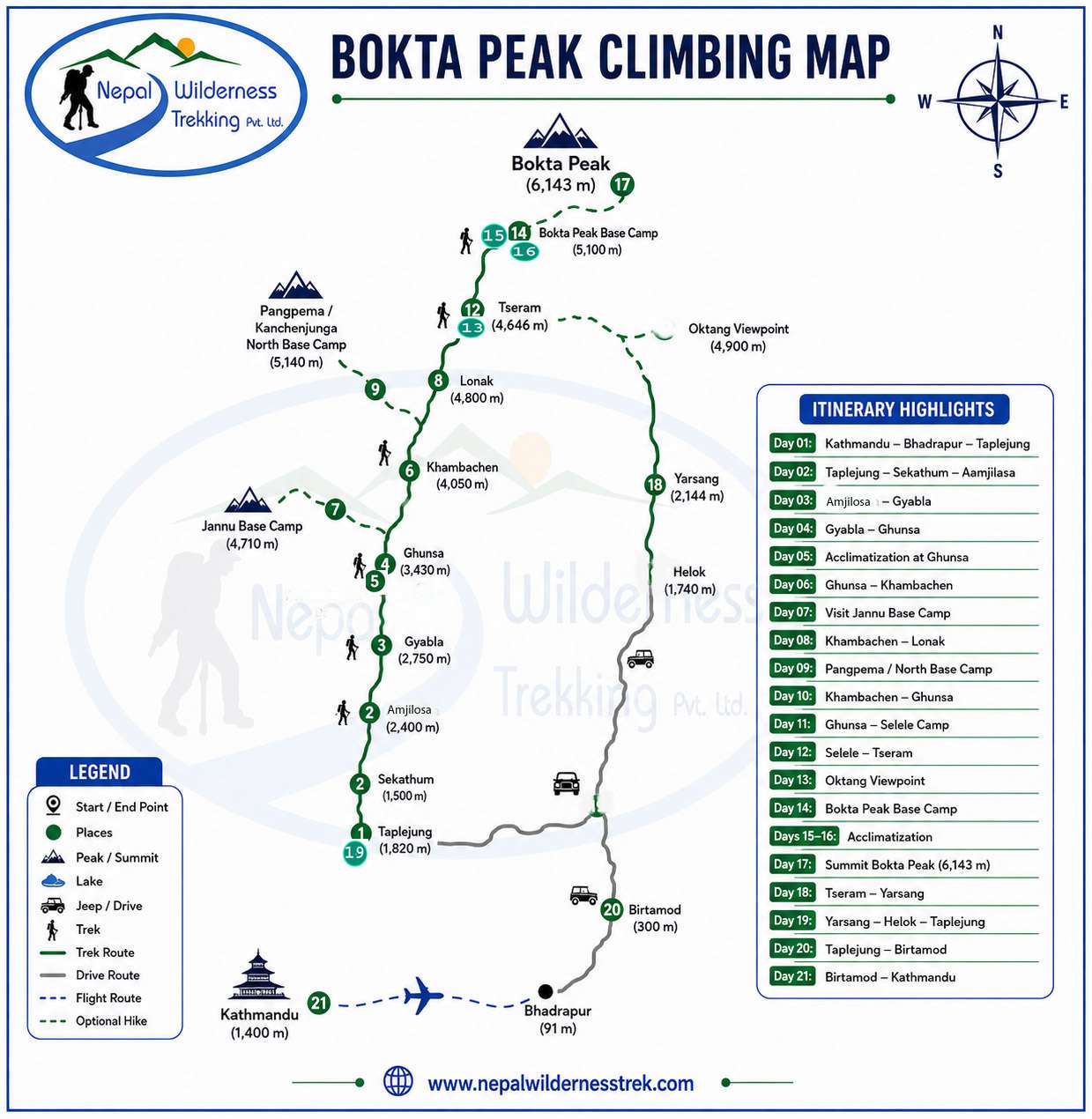
Detail Itinerary

Your journey begins with a scenic flight from Kathmandu to Bhadrapur, followed by a long but rewarding drive through tea gardens, river valleys, and hill villages to Taplejung, the gateway to the Kanchenjunga region.

Taplejung is home to the Limbu people and is known for its rich culture, cardamom farms, and stunning views of the eastern Himalayas.

Overnight: Lodge in Taplejung

After breakfast, take a jeep ride to Sekathum, where the trek officially begins. The trail follows the Ghunsa Khola through subtropical forests of bamboo, rhododendron, and cardamom.

Cross several suspension bridges before arriving at Amjilosa, a small Tibetan-influenced settlement nestled above the river gorge.

Overnight: Lodge in Amjilosa

Today’s trail climbs steadily through dense forest and waterfalls. As the vegetation changes, the valley opens into alpine terrain.

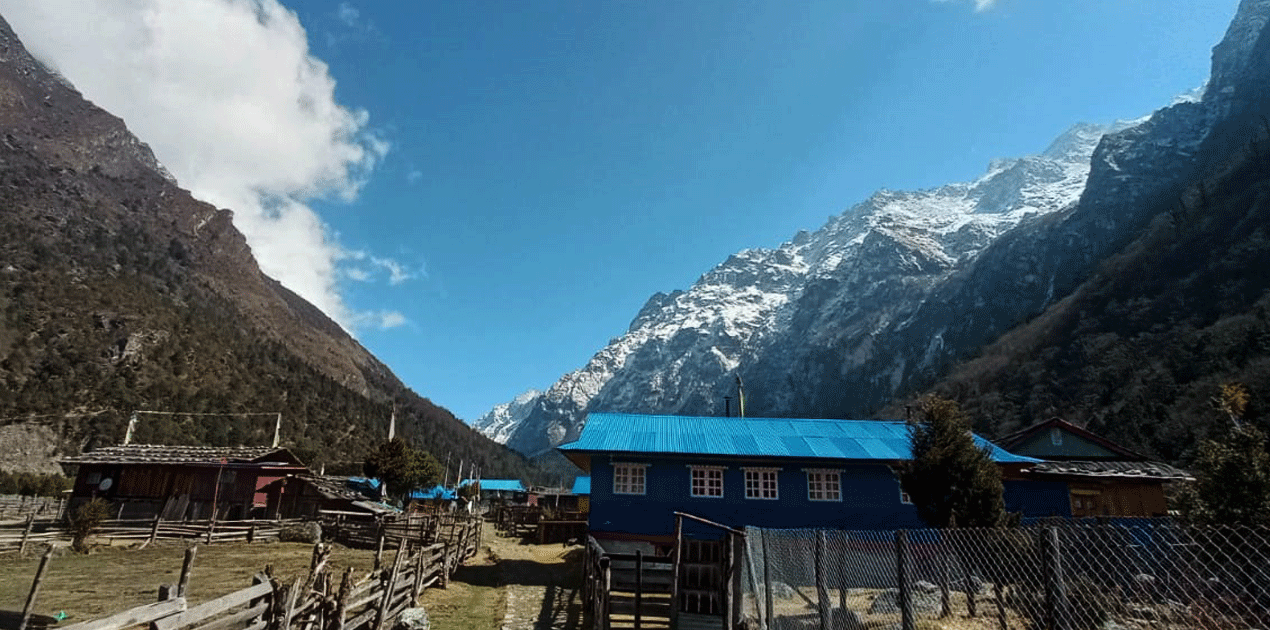
Gyabla is a beautiful Tibetan village surrounded by stone walls, prayer flags, and traditional houses.

Overnight: Lodge in Gyabla

The trail passes through Phale, a traditional Tibetan refugee settlement, before continuing to the picturesque village of Ghunsa.

Ghunsa is one of the most important settlements in the Kanchenjunga region, featuring a monastery, mani walls, and welcoming teahouses.

Overnight: Lodge in Ghunsa

Spend a rest day in Ghunsa to help your body adjust to the increasing altitude. You may hike to nearby viewpoints, visit the monastery, or explore the village and surrounding yak pastures.

This extra day greatly improves your chances of a safe and enjoyable trek.

Overnight: Lodge in Ghunsa

The trail ascends gradually along the river through juniper and larch forests. As you gain elevation, magnificent views of Jannu (Kumbhakarna, 7,710m) dominate the skyline.

Khambachen is a dramatic high-altitude settlement surrounded by glaciers and towering peaks.

Overnight: Lodge in Khambachen

Today you take a rewarding acclimatization hike toward Jannu Base Camp. The route offers extraordinary views of glaciers, icefalls, and some of Nepal’s most impressive mountain scenery.

Return to Khambachen for a second night.

Overnight: Lodge in Khambachen

The landscape becomes increasingly barren and dramatic as you trek across glacial moraines and alpine terrain.

Lonak is a remote seasonal settlement offering spectacular views of the surrounding snow peaks.

Overnight: Lodge in Lonak

Start early for the unforgettable hike to Kanchenjunga North Base Camp, also known as Pangpema.

This spectacular viewpoint offers breathtaking close-up views of Kanchenjunga (8,586m), the world’s third-highest mountain. After soaking in the scenery, descend to Khambachen.

Overnight: Lodge in Khambachen

Retrace your steps through glacial valleys and alpine forests back to Ghunsa.

The descent provides another opportunity to appreciate the pristine landscapes of the Kanchenjunga region.

Overnight: Lodge in Ghunsa

Leave the main valley and ascend through rhododendron, pine, and juniper forest to Selele Camp.

This remote campsite offers panoramic views of Makalu, Baruntse, and the surrounding Himalayan peaks on clear days.

Overnight: Lodge in Selele Camp

Today is one of the most spectacular days of the trek. Cross several high passes, including Mirgin La Pass, with outstanding views of Kanchenjunga, Makalu, and Everest.

Descend to Tseram, situated beside the Yalung Glacier.

Overnight: Lodge in Tseram

Follow the trail to Oktang, the finest viewpoint of Kanchenjunga’s immense south face and the Yalung Glacier.

After spending time enjoying the incredible mountain panorama, return to Tseram.

Overnight: Lodge in Tseram

Today you leave the main trail and ascend through rugged moraine terrain to Bokta Peak Base Camp.

The campsite offers a wild alpine setting with spectacular views of Kanchenjunga, Kabru, and Rathong peaks.

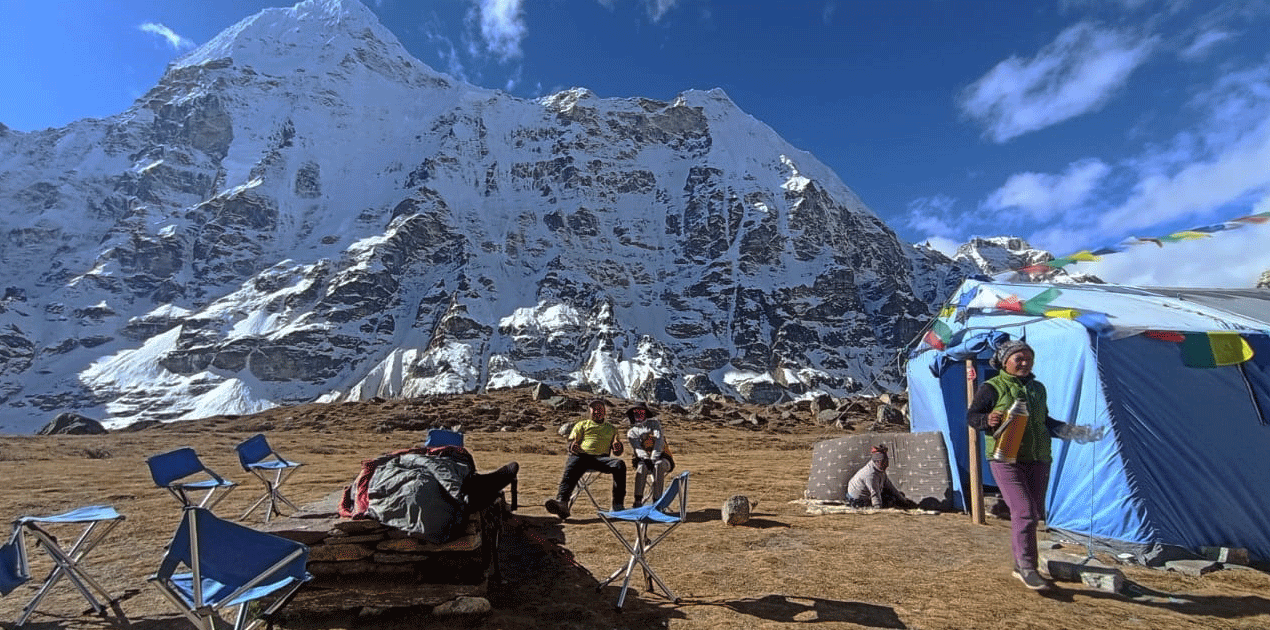
Overnight: Tent Camp at Bokta Peak Base Camp

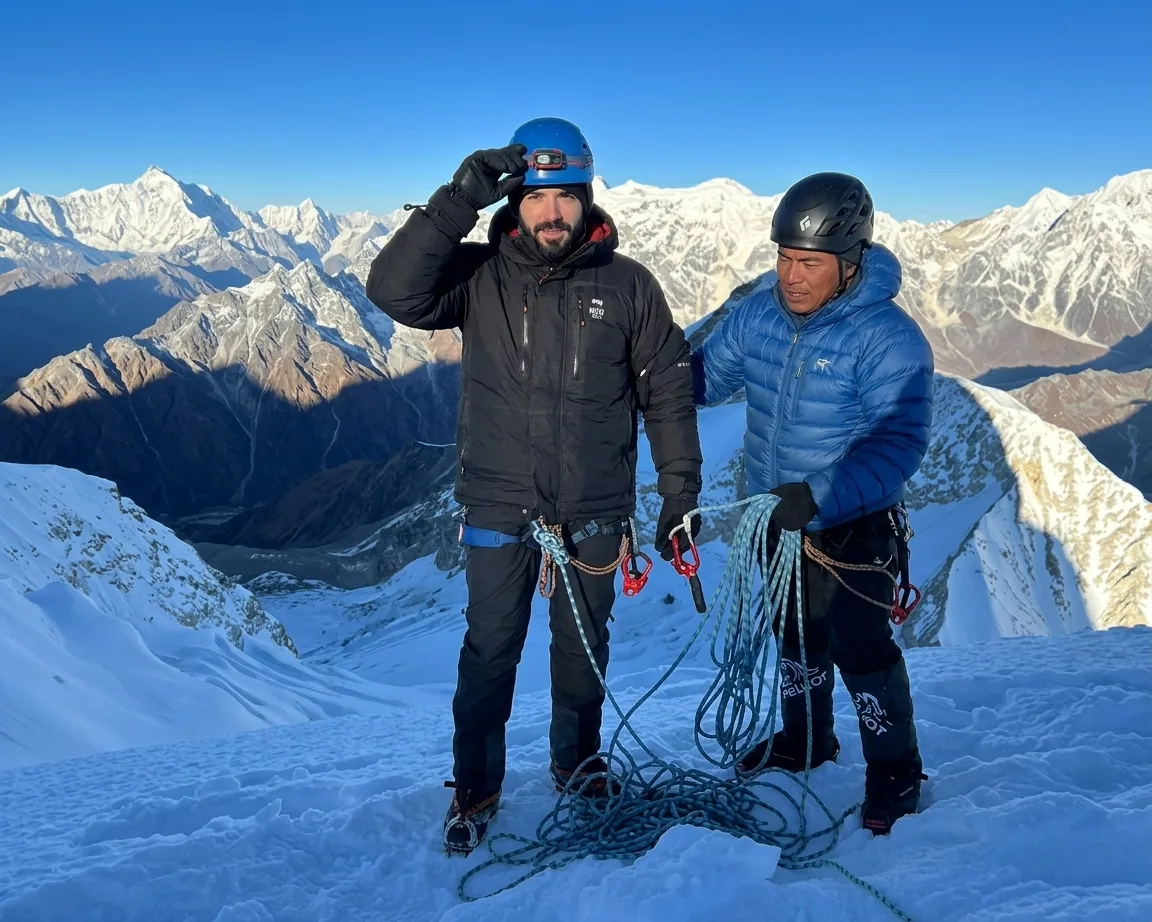
Spend two days at base camp for acclimatization, technical training, and summit preparation.

Your climbing guide will review rope techniques, crampon use, and safety procedures.

Overnight: Tent Camp at Bokta Peak Base Camp

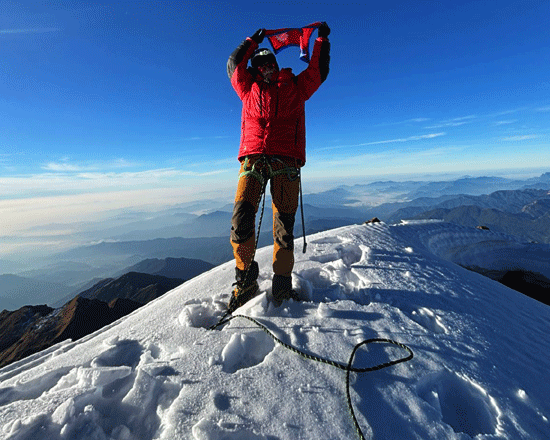
Begin before dawn for the summit push to Bokta Peak.

The climb involves steep snow and ice sections and rewards you with extraordinary views of Kanchenjunga, Jannu, Makalu, and the surrounding Himalayas.

After reaching the summit, descend carefully to Tseram.

Overnight: Lodge in Tseram

Descend through rhododendron forests and traditional villages to Yamphudin, a culturally rich settlement inhabited by Limbu, Rai, and Sherpa communities.

Overnight: Lodge in Yamphudin

Continue downhill to Helok, where a vehicle awaits for the drive back to Taplejung.

Celebrate the successful completion of your trek with your crew.

Overnight: Lodge in Taplejung

Drive through eastern Nepal’s scenic hills and tea-growing regions to Birtamod in the Terai.

This bustling town offers a comfortable overnight stop before returning to Kathmandu.

Overnight: Hotel in Birtamod

A short drive takes you to Bhadrapur Airport for your scenic flight back to Kathmandu.

Upon arrival, transfer to your hotel, marking the end of an extraordinary Kanchenjunga and Bokta Peak adventure.

Trip Ends in Kathmandu

Cost Included

  • Here is the edited version in English:
  • Hotel transfers from your hotel to the domestic airport by car.
  • Round-trip flight tickets from Kathmandu to Bhadrapur and back to Kathmandu.
  • Private Jeep from Bhadrapur to Taplejung, and shared Jeep from Taplejung to Sukethum. (If there are 2 to 4 or more participants, a private jeep will be provided.)
  • Shared Jeep transportation from Helok to Taplejung and Taplejung to Bhadrapur. (If there are 2 to 4 or more participants, a private jeep will be provided.)
  • Lodge accommodation during the trek.
  • Three meals a day (Breakfast, lunch, and dinner).
  • Special Kanchenjunga entrance permits.
  • National park permit.
  • Full board during the trek and climb.
  • Expert climbing guide and porters.
  • All necessary permits and paperwork.
  • Climbing equipment (ropes, tents, etc.).
  • Experienced English-speaking trekking guide, licensed by the government and familiar with the area.
  • One porter for every two to three participants. (Note: Additional charges apply for solo clients requiring a porter.) expert the Climbing part
  • Microspikes for trekking from December to February.
  • Kit bag for storing belongings.
  • Sleeping bag suitable for a comfortable night’s sleep on a trek in temperatures as low as minus 25 degrees Celsius.
  • Guide's porter, including food, lodge, air/bus transportation, salary, insurance, equipment, etc.
  • Necessary paperwork, including all government and local taxes.
  • A certificate of appreciation from Nepal Wilderness Trekking after a successful trek.
  • Let me know if you'd like any further adjustments!

Cost Excluded

  • Here’s the edited version:
  • Airfare for international flights.
  • Nepal entry visa fees upon arrival at Tribhuvan International Airport, vary by duration (15 days - $25-30, 30 days - $40-50, etc.).
  • Hotel accommodation in Kathmandu.
  • Personal equipment was suitable for high and cold temperatures.
  • Personal climbing equipment.
  • Emergency high-altitude rescue and evacuation coverage is provided by travel insurance.
  • All beverages, including soft drinks, and caffeinated drinks such as coke, beer, etc.
  • Drinking water/mineral water, desserts, and laundry services.
  • Tips for guide and porter.
  • All costs and expenses not listed under "cost includes."
  • Costs or delays beyond the control of management, such as landslides, weather conditions, itinerary modifications due to safety concerns, illness, changes in government policies, strikes, etc.

Enquiry


Similar Packages

Mardi himal climb
7 Days
$ 1700
Larke peak photo
17 Days
$ 2900
Chulu west
17 Days
$ 3500
gangchempo peak climbing
20 Days
$ 8000
langshisha peak
14 Days
$ 3000
pokhalde peak
14 Days
$ 1990
Sign Up for free newsletter
Follow Us