

June 2, 2026
Best Time for Pikey Peak Trek
 By admin
Best Time for Pikey Peak Trek: A Complete Seasonal Guide
The Pikey Peak Trek is one of Nepal’s most rewarding short trekking adventures. Located in the lower Everest region of Solukhumbu, this hidden gem offers spectacular Himalayan panoramas, rich Sherpa culture, ancient monasteries, and peaceful trails far from the crowds of Everest Base Camp. At an elevation of 4,065 meters, Pikey Peak is famous for providing one of the finest viewpoints of Mount Everest.
One of the most common questions trekkers ask is: What is the best time for the Pikey Peak Trek?
The answer depends on what type of experience you seek. Some trekkers prefer crystal-clear mountain views, while others enjoy blooming rhododendron forests or snowy winter landscapes. Fortunately, the Pikey Peak Trek can be enjoyed during most months of the year, with each season offering its own unique beauty.
This guide explains the weather, trail conditions, visibility, temperatures, and advantages of trekking during each season to help you choose the best time for your adventure.
Why Pikey Peak is Special
Before discussing the seasons, it is important to understand why Pikey Peak has become increasingly popular among trekkers visiting Nepal.
Unlike the busy Everest Base Camp route, Pikey Peak remains relatively untouched and offers a more peaceful trekking experience. As a result, it has become a favorite destination for travelers seeking solitude and authentic mountain culture. Along the trail, trekkers pass through traditional Sherpa villages, yak pastures, ancient Buddhist monasteries, and dense rhododendron forests. Furthermore, the route provides magnificent panoramic views of Mount Everest, Lhotse, Makalu, Kanchenjunga, Manaslu, Annapurna, and many other Himalayan peaks.
In addition, the cultural experience is one of the trek’s greatest highlights. Visitors have the opportunity to interact with local Sherpa communities, explore centuries-old monasteries, and learn about the unique traditions of the Everest region.
Moreover, Pikey Peak is renowned for its spectacular sunrise views. According to local legend, Sir Edmund Hillary once described the panorama from Pikey Peak as one of his favorite views of Mount Everest. Consequently, many photographers and nature enthusiasts consider it one of the finest viewpoints in Nepal.
Another major advantage is accessibility. Unlike many Everest-region treks, the journey begins with a scenic drive from Kathmandu rather than a flight to Lukla. Therefore, trekkers can avoid potential flight delays and cancellations while also reducing travel costs.
Overall, Pikey Peak combines stunning mountain scenery, rich Sherpa culture, peaceful trails, and convenient access. For this reason, it is increasingly recognized as one of Nepal’s best short trekking destinations.
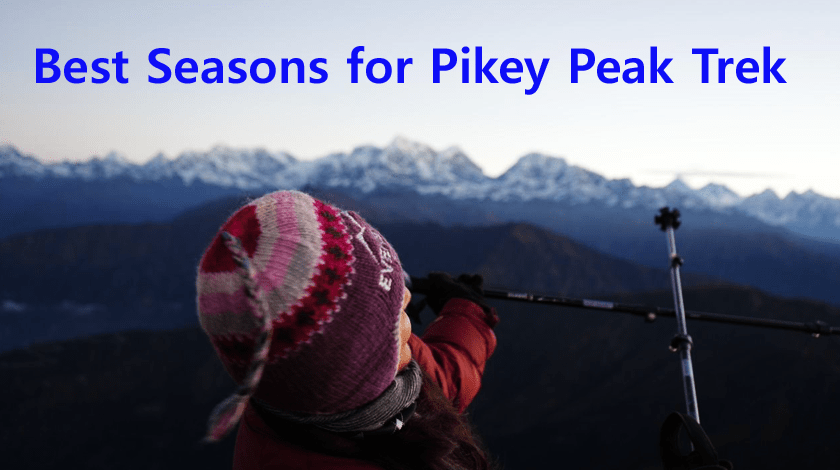
Best Seasons for Pikey Peak Trek
The two primary trekking seasons are:
- Spring (March to May)
- Autumn (September to November)
These seasons provide the most stable weather, clear skies, and excellent mountain visibility.
However, winter and monsoon also have advantages for travelers seeking a different experience.
Pikey Peak Trek in Spring (March to May)
Why Spring is One of the Best Times
Spring is considered one of the finest seasons for the Pikey Peak Trek As winter snow melts, the hills and forests come alive with colorful vegetation.
The famous rhododendron forests begin to bloom, transforming the landscape into a vibrant display of red, pink, and white flowers.
Weather Conditions
Daytime temperatures generally range from:
- Lower elevations: 15°C to 22°C
- Higher elevations: 5°C to 15°C
Night temperatures may drop below freezing near Pikey Peak Base Camp, but remain manageable with proper clothing.
Mountain Views
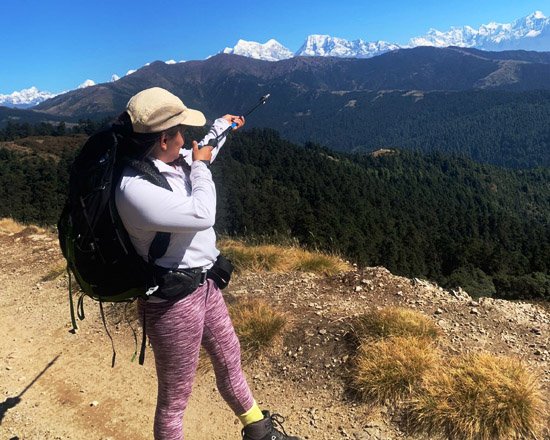
Spring offers excellent visibility during mornings and early afternoons. Snow-covered Himalayan peaks stand out beautifully against clear blue skies.
Trekkers can enjoy breathtaking views of:
- Mount Everest
- Lhotse
- Makalu
- Kanchenjunga
- Numbur Himal
- Gaurishankar
- Dorje Lakpa
- Langtang Range
Advantages of Spring
- Blooming rhododendron forests
- Pleasant temperatures
- Clear mountain views
- Longer daylight hours
- Rich birdlife and wildlife activity
Challenges
- Slightly busier than winter
- Occasional afternoon clouds in late spring
For photographers and nature lovers, spring is often regarded as the most beautiful season on the Pikey Peak Trek.
Pikey Peak Trek in Autumn (September to November)
The Most Popular Trekking Season
Autumn is widely considered the best overall time for the Pikey Peak Trek.
After the summer monsoon washes dust and pollution from the atmosphere, visibility becomes exceptional.
The mountains appear incredibly sharp and clear, making autumn a favorite season for trekkers and photographers.
Weather Conditions
Daytime temperatures typically range between:
- Lower elevations: 15°C to 20°C
- Higher elevations: 5°C to 12°C
Night temperatures can fall below freezing near the summit.
Mountain Visibility
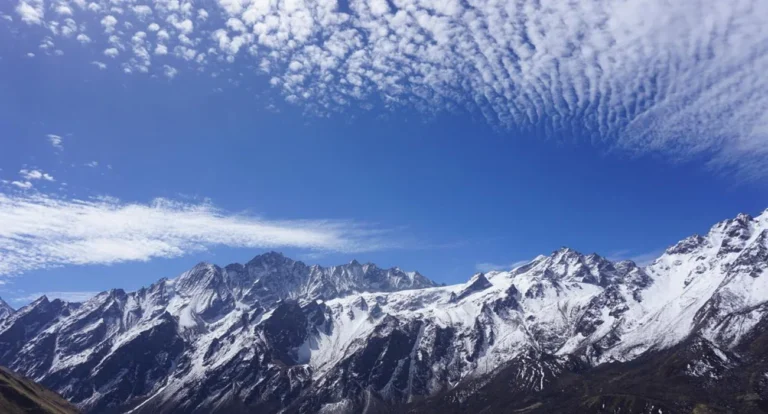
Autumn provides some of the clearest views of the entire year.
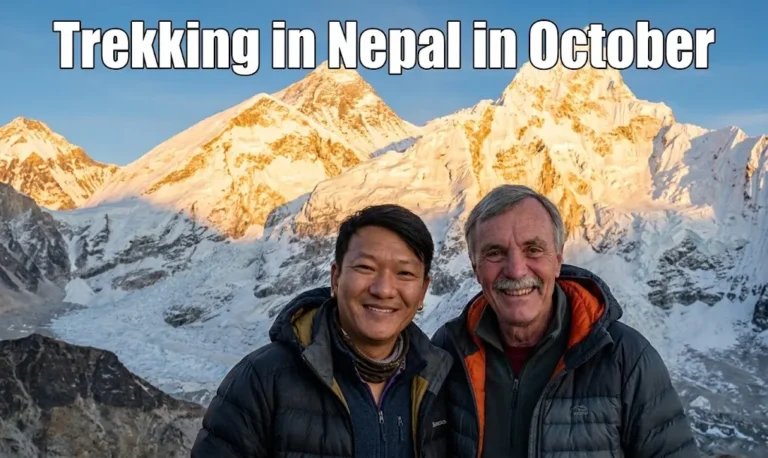
The sunrise from Pikey Peak during October and November is particularly spectacular. As the first sunlight strikes Everest and neighboring peaks, the Himalayan panorama turns golden and pink.
Cultural Experiences
Autumn coincides with Nepal’s major festivals:
- Dashain
- Tihar
- Mani Rimdu celebrations in some regions
Trekkers can experience local Sherpa culture and village life at its most vibrant.
Advantages of Autumn
- Stable weather
- Clear skies
- Outstanding mountain views
- Comfortable trekking temperatures
- Excellent photography opportunities
Challenges
- Slightly higher number of trekkers
- Tea houses can be busier in October
For most travelers, October and November represent the absolute best months for the Pikey Peak Trek.
Pikey Peak Trek in Winter (December to February)
A Quiet Himalayan Experience
Winter offers a completely different trekking experience. The trails become extremely peaceful, providing solitude rarely found on popular trekking routes.
Snow often covers the higher ridges and summit areas, creating dramatic alpine scenery.
Weather Conditions
Day temperatures:
- Lower elevations: 8°C to 15°C
- Higher elevations: -2°C to 8°C
Night temperatures:
- Can fall to -10°C or lower at higher elevations
Mountain Views
Winter often brings remarkably clear skies.
Cold air contains less moisture, allowing for excellent visibility and stunning long-distance mountain views.
Advantages
- Very few trekkers
- Snow-covered landscapes
- Crystal-clear mountain panoramas
- Unique photography opportunities
Challenges
- Cold temperatures
- Possible snowfall near the summit
- Some tea houses may have limited services
Trekkers who enjoy peaceful trails and winter scenery often find December and January particularly rewarding.
Pikey Peak Trek During the Monsoon (June to August)
The Green Season
Monsoon is generally considered the least popular trekking season.
Frequent rainfall affects visibility and trail conditions, especially during July and August.
However, this season also has unique advantages.
Landscape and Nature
The hills become lush green and incredibly beautiful.
Wildflowers bloom throughout the region, and forests appear vibrant and fresh.
Weather Conditions
Daytime temperatures:
<ul>
- 18°C to 25°C
Rainfall can occur daily, especially
in the afternoons and evenings.
Advantages
- Fewer trekkers
- Green landscapes
- Abundant wildflowers
- Peaceful trails
Challenges
- Frequent rain
- Slippery trails
- Limited mountain visibility
- Leeches in forested sections
For most trekkers, spring and autumn remain preferable to the monsoon season.
Month-by-Month Guide
March
Beginning of spring with warming temperatures and early rhododendron blooms.
April
One of the best months for colorful forests and excellent weather.
May
Warm temperatures and spectacular flowers. Occasional afternoon clouds.
June</strong>
Beginning of monsoon. Green landscapes, but increasing rainfall.
July
Heavy monsoon conditions and limited mountain views.
<p>August
Continued rainfall, though the sce
nery remains lush and beautiful.
September
Monsoon retreats. Fresh air and improving visibility.
October
Peak trekking season with ideal weather and mountain views.
November
Clear skies, stable weather, and excellent photography conditions.
December
Cold but highly rewarding with fewer trekkers.
January
Snow-covered scenery and peaceful trails.
February
Transition toward spring with improving temperatures.
Best Time for Photography
Photography enthusiasts should consider:
Overall Months
- October
- November
- April
Sunrise Photography
- October
- November
- December
Landscape Photography
- April
- May
- October
Best Snow Photography
- December
- January
Best Time for Mountain Views
If your primary goal is seeing Everest and the surrounding Himalayas clearly, prioritize:
- October
- November
- December
- April
- March
These months generally provide the best visibility.
Best Time for Rhododendron Flowers
The rhododendron forests surrounding Pikey Peak are most colorful during:
- Late March
- April
- Early May
This period transforms the trekking route into one of Nepal’s most beautiful spring destinations.
Best Time for Seniors and Leisure Trekkers
For trekkers seeking moderate temperatures and comfortable conditions:
- April
- October
- November
These months provide ideal weather for relaxed trekking without excessive heat or cold.
Why Choose Pikey Peak Instead of the Everest View Trek?
Many trekkers compare the Pikey Peak Trek with the Everest View Trek.
Pikey Peak offers:
- Fewer crowds</li>
- No Lukla f
- light
- Lower overall cost
- Better cultural immersion
- Longer panoramic mountain views
- More peaceful trails
For travelers seeking an authentic Himalayan experience without heavy tourist traffic, Pikey Peak is often the better choice.
Final Thoughts
The Pikey Peak Trek is one of Nepal’s most underrated Himalayan adventures. Whether you choose the colorful rhododendron season of spring, the crystal-clear skies of autumn, the snowy tranquility of winter, or the lush greenery of monsoon, the trek delivers unforgettable experiences.
For most trekkers, the best time for the Pikey Peak Trek is during October, November, April, and May. These months offer the ideal combination of stable weather, clear mountain views, comfortable temperatures, and unforgettable Himalayan scenery.
If you are looking for a peaceful alternative to the crowded Everest Base Camp or the three passes trekking route, Pikey Peak may be the perfect trek. The panoramic sunrise over Everest, the welcoming Sherpa villages, and the quiet mountain trails create a trekking experience that remains in your memory long after returning home.