
Uncategorized
May 19, 2026
Everest Base Camp Trek for Beginners
 By admin
Everest Base Camp Trek for Beginners: Complete Guide to Cost, Difficulty, Training, and Tips
The Everest Base Camp Trek is one of the most iconic adventures in the world, attracting trekkers from every corner of the globe. For many travelers, reaching the base of Mount Everest is a lifelong dream and a once-in-a-lifetime experience. If you are new to trekking, you may be wondering whether the Everest Base Camp Trek is suitable for beginners.
The good news is that beginners can successfully complete the Everest Base Camp Trek with proper preparation, realistic expectations, and sufficient time for acclimatization along the route.
This complete beginner’s guide covers everything you need to know, including the trek’s difficulty level, fitness and training requirements, full itinerary overview, altitude sickness prevention, packing essentials, cost breakdown, and the best time to undertake the journey.
Can Beginners Do the Everest Base Camp Trek?
Yes, beginners can successfully complete the Everest Base Camp Trek.
No technical climbing experience, mountaineering skills, or prior high-altitude trekking background is required. The route follows well-established trails through the stunning Khumbu region and offers teahouse accommodation throughout the journey.
However, the trek is physically demanding due to several factors, including:
- High altitude
- Long walking days
- Cold temperatures
- Basic accommodation in remote areas
- Limited facilities in higher villages
If you maintain a reasonable level of fitness, prepare in advance, and walk at a steady, consistent pace, you have a strong chance of successfully reaching Everest Base Camp.
Where Is Everest Base Camp?
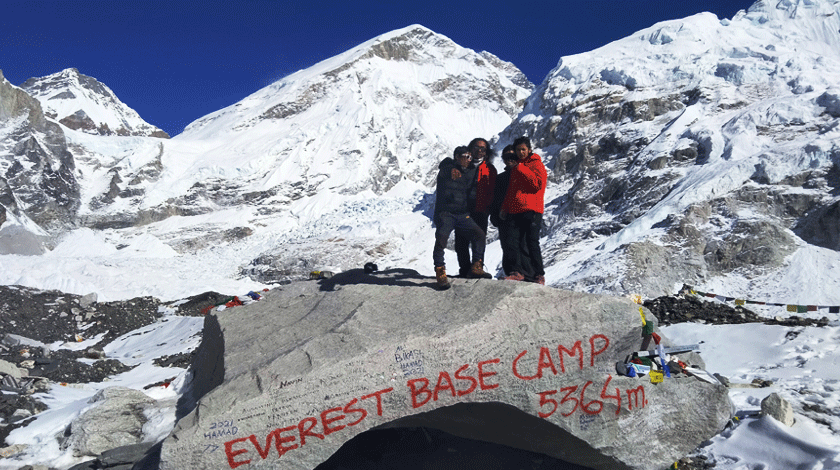
Everest Base Camp lies at an altitude of 5,364 meters (17,598 feet) in eastern Nepal within Sagarmatha National Park.
Most trekkers begin with a short mountain flight to Tenzing-Hillary Airport and then hike through Sherpa villages including:
- Namche Bazaar
- Tengboche Monastery
- Dingboche
- Lobuche
- Gorak Shep
The trek usually includes a sunrise hike to Kala Patthar (5,545 m), the best viewpoint for Mount Everest.
How Difficult Is the Everest Base Camp Trek?
The Everest Base Camp Trek is considered a moderate to challenging trek.
Main Challenges
High Altitude
Altitude is the biggest challenge. The air becomes thinner as you ascend, making it harder to breathe and increasing fatigue.
Long Hiking Days
You typically walk 5 to 8 hours per day for nearly two weeks.
Steep Terrain
The trail includes many uphill and downhill sections with stone steps and uneven paths.
Cold Weather
Temperatures can drop below freezing, especially at night.
Basic Facilities
Rooms are simple, and amenities become more limited as you gain altitude.
Fitness Requirements for Beginners
You do not need to be an athlete, but good fitness makes the trek more enjoyable.
Recommended Preparation
- Hike regularly
- Climb stairs
- Jog, cycle, or swim
- Strengthen legs and core
- Practice walking with a daypack
Training Duration
Prepare consistently for at least 8–12 weeks before your trek.
Good Benchmark
If you can comfortably hike 5–6 hours a day, you are on the right track.
Best Time to Trek to Everest Base Camp
The best seasons are:
Spring (March to May)
- Rhododendron forests in bloom
- Stable weather
- Excellent mountain views
Autumn (September to November)
- Clear skies
- Mild temperatures
- Best visibility
Winter (December to February)
Possible but colder, with fewer trekkers.
Monsoon (June to August)
Frequent rain and flight delays make this the least popular season.
Typical Everest Base Camp Trek Itinerary for Beginners
Day 1: Fly to Lukla and trek to Phakding
Day 2: Trek to Namche Bazaar
Day 3: Acclimatization day in Namche Bazaar
Day 4: Trek to Tengboche
Day 5: Trek to Dingboche
Day 6: Acclimatization day in Dingboche
Day 7: Trek to Lobuche
Day 8: Trek to Gorak Shep and visit Everest Base Camp
Day 9: Hike to Kala Patthar and trek to Pheriche
Day 10: Trek to Namche Bazaar
Day 11: Trek to Lukla
Day 12: Fly to Kathmandu
This itinerary provides enough time for proper acclimatization.
Altitude Sickness on the Everest Base Camp Trek
Altitude sickness, or Acute Mountain Sickness (AMS), can affect anyone.
Common Symptoms
- Headache
- Nausea
- Dizziness
- Loss of appetite
- Difficulty sleeping
Prevention Tips
- Ascend gradually
- Take acclimatization days
- Drink 3–4 liters of water daily
- Avoid alcohol
- Walk slowly
Your guide will monitor your health and adjust the plan if necessary.
Accommodation on the Trek
You stay in family-run teahouses.
What to Expect
- Twin-share rooms
- Simple beds with blankets
- Shared bathrooms
- Hot showers (extra charge)
- Wi-Fi and charging (often extra)
Rooms are basic but cozy and welcoming.
Food on the Everest Base Camp Trek
Teahouses serve hearty meals to fuel your trek.
Popular Dishes
- Dal Bhat
- Fried rice
- Noodles
- Pasta
- Soups
- Pancakes
- Porridge
- Eggs
- Tea and coffee
Dal Bhat is the most popular meal because it is nutritious and often includes free refills.
Everest Base Camp Trek Cost for Beginners
Typical prices for guided treks:
| Style | Approximate Cost |
|---|---|
| Budget Group Trek | US$1,300–1,600 |
| Standard Guided Trek | US$1,400–2,200 |
| Luxury Trek | US$3,500+ |
Costs generally include:
- Domestic flights
- Permits
- Guide and porter
- Accommodation
- Meals during the trek
What to Pack for Everest Base Camp
Clothing
- Down jacket
- Waterproof jacket
- Base layers
- Fleece
- Trekking pants
- Warm hat and gloves
Gear
- Broken-in hiking boots
- Sleeping bag
- Trekking poles
- Sunglasses
- Headlamp
- Water bottles
Personal Items
- Sunscreen
- Lip balm
- First-aid kit
- Toiletries
- Snacks
Do Beginners Need a Guide?
Hiring a guide is highly recommended.
Benefits include:
- Navigation and logistics support
- Help with altitude monitoring
- Cultural insights
- Emergency assistance
A porter can also carry your main bag, allowing you to trek more comfortably.
Lukla Flights: What Beginners Should Know
Flights to Lukla are weather-dependent and can be delayed or canceled.
It is wise to:
- Keep 1–2 extra days in your schedule
- Travel with patience
- Consider helicopter alternatives if necessary
Common Mistakes Beginners Make
Avoid these mistakes:
- Walking too fast
- Ignoring symptoms of altitude sickness
- Packing too much
- Not training beforehand
- Wearing new boots
- Underestimating the cold
Tips to Make the Trek Easier
- Hire a porter
- Use trekking poles
- Stay hydrated
- Eat well
- Sleep warm
- Maintain a slow, steady pace
Why the Everest Base Camp Trek Is Worth It
The Everest Base Camp Trek offers:
- Spectacular Himalayan scenery
- Rich Sherpa culture
- Ancient monasteries
- Personal achievement
- Lifelong memories
Watching the sunrise over Everest from Kala Patthar is an unforgettable experience.
Is the Everest Base Camp Trek Safe for Beginners?
Yes, the trek is very safe when you:
- Choose a reputable company
- Follow acclimatization guidelines
- Listen to your guide
- Carry travel insurance
Thousands of first-time trekkers complete the route every year.
Why Book with Nepal Wilderness Trekking?
Nepal Wilderness Trekking is led by Himal Ghale, a licensed trekking guide with decades of experience in Nepal’s mountains.
When you book with Nepal Wilderness Trekking, you receive:
- Experienced local guides
- Flexible itineraries
- Private rooms whenever available
- Fair and transparent pricing
- Personalized service from a trusted local operator
Final Thoughts
The Everest Base Camp Trek is an achievable and highly rewarding adventure for beginners who are willing to prepare properly. While the journey demands physical effort, mental determination, and good planning, it does not require any technical climbing skills or previous mountaineering experience.
With the right preparation, including basic fitness training, a well-structured itinerary with proper acclimatization days, and guidance from experienced local professionals, most beginners can safely complete the trek and reach Everest Base Camp.
Along the way, trekkers are rewarded with breathtaking Himalayan scenery, rich Sherpa culture, and an unforgettable sense of accomplishment at the base of the world’s highest peak. Taking a steady pace, listening to your body, and allowing enough time for altitude adjustment are key factors for a successful trek.
If you are ready to begin your first Himalayan adventure, Nepal Wilderness Trekking is here to support you with expert guidance, safe planning, and fully organized trekking experiences from start to finish.
Trek Grade
Grade 1
Tap outside to close
*
Grade 2
Tap outside to close
**
Grade 3
Tap outside to close
The Three Passes Trek is suitable for physically fit and experienced trekkers who are prepared for long walking days, steep and rugged terrain, high altitude and changing mountain conditions. The route crosses three high mountain passes above 5,300 m, with the highest point reaching around 5,643 m at Kala Patthar. Previous high-altitude trekking experience is strongly recommended, although technical climbing skills are not required.
Trek Grade
Grade 1
Tap outside to close
Trekking is essentially day hiking and doesn't require any special training. However, good physical condition, a love of walking, and a desire to enjoy mountain views and village life are essential.
Grade 2
Tap outside to close
These treks are suitable for walkers looking for something more challenging and energetic. Hill-walking experience is desirable, with longer days and higher elevations.
Grade 3
Tap outside to close
Since the terrain can be hard and the days long, hikers should be in good physical condition and have previous mountain walking experience. High passes and extended trekking days may be involved.