
Uncategorized
February 1, 2026
Holi Festival in Nepal
 By admin
Holi Festival in Nepal: A Complete Guide to the Festival of Colors
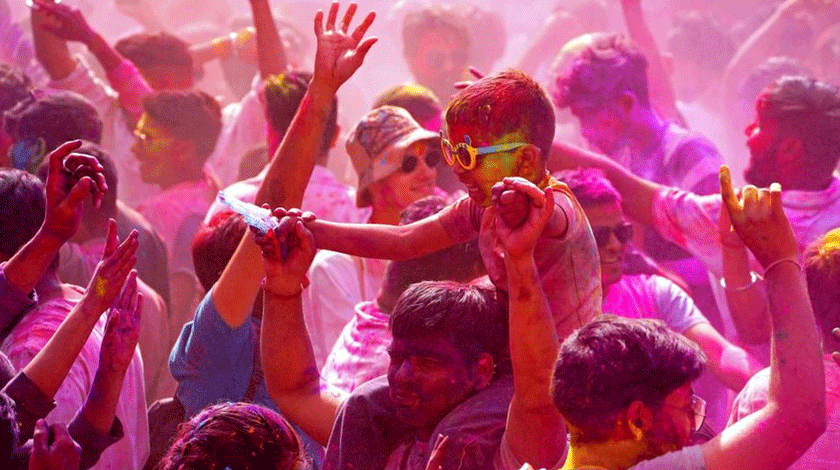
The Holi festival in Nepal is one of the most joyful, colorful, and widely celebrated festivals in the country. Known as the Festival of Colors, Holi marks the arrival of spring and the victory of good over evil. During this time, streets, temples, villages, and trekking towns across Nepal come alive with vibrant colors, music, laughter, and a strong sense of togetherness.
For travelers planning a cultural journey alongside trekking adventures, Holi offers a rare opportunity to experience Nepal beyond mountains and trails. Whether you are exploring Kathmandu Valley, Pokhara, or resting on a trekking route, Holi adds a memorable cultural layer to your Nepal journey.
At Nepal Wilderness Trekking, we believe understanding local festivals enhances every trekking experience. This detailed blog explains what Holi is, why it is celebrated over two days in Nepal, how to write about Holi in simple terms, and the best time to visit Nepal for Holi.
What Is the Holi Festival in Nepal?
The Holi festival in Nepal is a traditional Hindu festival celebrated to welcome spring and celebrate harmony, love, and forgiveness. It usually falls in February or March, depending on the lunar calendar. On this day, people throw colored powders (abir), splash water, sing, dance, and share sweets with friends, family, and even strangers.
In Nepal, Holi is not just a religious festival; it is a social celebration that brings people of all ages and backgrounds together. Locals say Holi washes away negativity and renews relationships. People forget old misunderstandings, forgive past mistakes, and start fresh.
Religious Significance of Holi
The roots of Holi come from Hindu mythology, especially the legend of Prahlad, Holika, and King Hiranyakashipu. Prahlad, a devotee of Lord Vishnu, survived fire due to his faith, while Holika, symbolizing evil, was burned. This story represents the triumph of good over evil, which is why Holi remains spiritually meaningful in Nepal.
Another popular legend links Holi to Lord Krishna and Radha, symbolizing divine love. In places like Kathmandu and Pokhara, songs and dances inspired by Krishna are common during Holi celebrations.
Why is Holi celebrated for two days in Nepal?
One unique aspect of the Holi festival in Nepal is that it is celebrated over two days, unlike in many other countries.
Day 1: Holi in the Hills (Pahadi Holi)
The first day of Holi is celebrated mainly in Kathmandu Valley, hilly regions, and mountain areas. On this day:
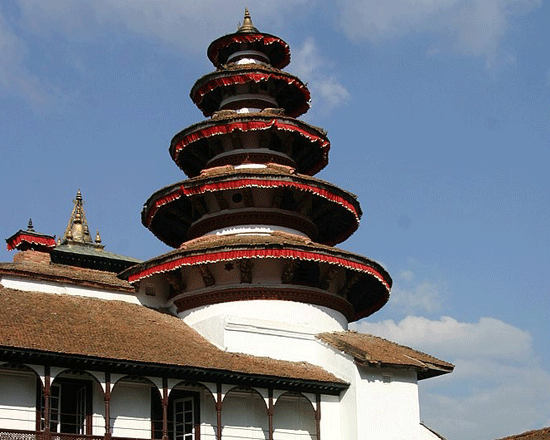
- The ceremonial Chir (bamboo pole decorated with colorful cloth) is erected at Basantapur Durbar Square
- Streets fill with music, dance, and colors
- Tourists and locals celebrate together
This day is energetic and social, especially in Kathmandu, Bhaktapur, Patan, and Pokhara.
Day 2: Holi in the Terai (Madhesi Holi)
The second day is observed in the Terai region, including Janakpur, Biratnagar, and Nepalgunj. Cultural traditions in the Terai are slightly different, and celebrations often include:
- Community gatherings
- Traditional songs
- Family-centered rituals
This two-day celebration reflects Nepal’s geographical and cultural diversity, making the Holi festival in Nepal richer and more inclusive.
How to Write 10 Lines About Holi?
If you are a student, traveler, or blogger wondering how to write 10 lines about Holi, here is a simple and clear example:
- Holi is known as the festival of colors.
- It is celebrated in Nepal during February or March.
- People throw colored powder and splash water on each other.
- Holi marks the arrival of spring.
- The festival symbolizes love and harmony.
- It is based on Hindu mythology.
- Friends and families celebrate together.
- Traditional sweets are shared during Holi.
- Music and dance are important parts of the celebration.
- Holi brings happiness and unity among people.
These lines are easy to understand and suitable for school assignments, travel blogs, or cultural introductions.
How Is Holi Celebrated in Different Parts of Nepal?
Holi in Kathmandu Valley
Kathmandu Valley hosts the most vibrant Holi celebrations. Basantapur, Thamel, Patan, and Bhaktapur become lively with music, DJ parties, and crowds enjoying colors. It is also the most popular area for tourists celebrating Holi in Nepal.
Holi in Pokhara
Pokhara offers a relaxed yet equally joyful Holi experience. Lakeside becomes colorful, with views of the Annapurna range adding a magical backdrop. Many trekkers finishing or starting treks enjoy Holi here.
Holi in Rural Villages
In villages, Holi is more traditional and community-focused. Locals gather in courtyards, sing folk songs, and celebrate with natural colors. This offers travelers a deeper cultural experience.
Holi Festival and Trekking in Nepal
For trekking enthusiasts, the Holi festival in Nepal falls just before the main spring trekking season. This makes it an excellent time to combine cultural experiences with trekking adventures.
Popular treks during Holi season include:
Celebrating Holi before heading into the mountains adds warmth and cultural understanding to the journey.
At Nepal Wilderness Trekking, we often customize itineraries so trekkers can experience Holi in Kathmandu or Pokhara before starting their trek.
What Is the Best Time to Visit Nepal for Holi?
The best time to visit Nepal for Holi is usually late February to mid-March, depending on the lunar calendar. This period offers:
- Pleasant spring weather
- Blooming rhododendron forests
- Clear mountain views
- Comfortable trekking conditions
Temperatures during Holi are mild, especially in Kathmandu and Pokhara, making it ideal for sightseeing and cultural exploration.
Travel Tips for Visiting Nepal During Holi
- Wear old clothes (colors do not wash out easily)
- Protect cameras and phones
- Use skin-friendly or organic colors
- Respect local customs and personal boundaries
Food and Sweets During Holi in Nepal
Food is an essential part of the Holi festival in Nepal. Popular Holi treats include:
- Sel Roti (traditional rice bread)
- Malpua (sweet pancakes)
- Dahi Bhalla
- Gujiya (sweet dumplings)
Sharing food strengthens social bonds and adds flavor to the festival experience.
Cultural Meaning of Holi for Travelers
For international visitors, Holi in Nepal is more than a festival; it is a cultural bridge. Strangers become friends, laughter replaces language barriers, and moments become lifelong memories.
Unlike large commercial festivals elsewhere, Holi in Nepal still maintains its authentic community spirit, especially outside major tourist hubs.
Why Experience Holi with Nepal Wilderness Trekking?
At Nepal Wilderness Trekking, we focus on meaningful travel. Experiencing the Holi festival in Nepal allows travelers to:
- Understand Nepali traditions
- Connect with local communities
- Begin trekking journeys with cultural insight
- Create unforgettable memories beyond trekking routes
We offer flexible itineraries that blend festivals, sightseeing, and trekking adventures across Nepal.
Conclusion: Holi Festival in Nepal
The Holi festival in Nepal is a celebration of color, joy, renewal, and unity. From its mythological roots to modern street celebrations, Holi reflects Nepal’s vibrant cultural identity. Celebrated over two days, it showcases the country’s regional diversity and deep traditions.
Whether you are a trekker, cultural traveler, or first-time visitor, experiencing Holi adds a unique dimension to your Nepal journey. Combined with spring trekking, pleasant weather, and warm hospitality, Holi is truly one of the best times to visit Nepal.
If you are planning your trip around Holi, Nepal Wilderness Trekking is ready to help you design a culturally rich and unforgettable adventure.
Trek Grade
Grade 1
Tap outside to close
Trekking is essentially day hiking and doesn't require any special training. However, good physical condition, a love of walking, and a desire to enjoy mountain views and village life are essential.
Grade 2
Tap outside to close
These treks are suitable for walkers looking for something more challenging and energetic. Hill-walking experience is desirable, with longer days and higher elevations.
Grade 3
Tap outside to close
Since the terrain can be hard and the days long, hikers should be in good physical condition and have previous mountain walking experience. High passes and extended trekking days may be involved.
Trek Grade
Grade 1
Tap outside to close
Trekking is essentially day hiking and doesn't require any special training. However, good physical condition, a love of walking, and a desire to enjoy mountain views and village life are essential.