

Uncategorized
January 16, 2026
Khaptad National Park
 By admin
Khaptad National Park: Nepal’s Serene Himalayan Wilderness
Nestled in the remote far-western region of Nepal, Khaptad National Park is one of the country’s most peaceful and least explored natural treasures. Spanning across the districts of Bajhang, Bajura, and Doti, the park covers approximately 225 square kilometers of pristine wilderness. Unlike Nepal’s crowded trekking hubs, Khaptad offers travelers a chance to experience untouched landscapes, sacred sites, and rich biodiversity in a tranquil environment.
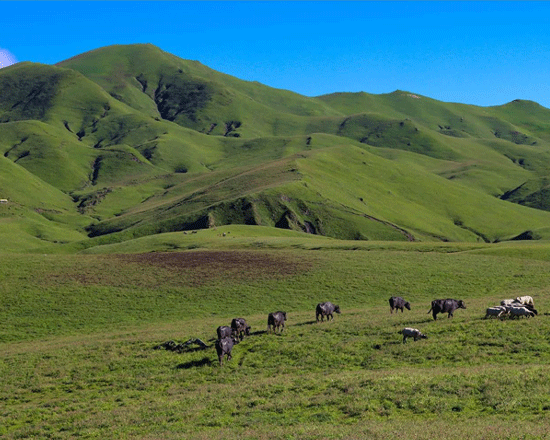
Khaptad National Park is famous for its rolling alpine meadows, dense forests, sparkling rivers, and panoramic Himalayan views. The park is also deeply spiritual, as it preserves the hermitage of Khaptad Baba, whose presence is a mystical charm in the region. For nature lovers, cultural enthusiasts, and those seeking solitude, Khaptad offers a unique Himalayan experience that is both serene and inspiring.
Introduction to Khaptad National Park
Khaptad National Park was officially established in 1984 to protect the area’s fragile ecosystems, biodiversity, and cultural heritage. The park ranges in altitude from 1,400 to 3,300 meters, creating a variety of climates and habitats within a relatively compact area. Its landscapes is features as rolling grasslands, dense conifer and rhododendron forests, rivers, waterfalls, and highland plateaus.
The park is named after the Khaptad plateau, a sacred and picturesque area where Khaptad Baba, a spiritual ascetic, meditated and lived. His legacy continues to attract pilgrims, spiritual seekers, and visitors from across Nepal and beyond. This combination of natural beauty and spirituality sets Khaptad apart from other national parks in the country.
Why Khaptad National Park is Special?
Khaptad National Park offers a rare blend of natural, cultural, and spiritual richness that makes it unique:
- Peaceful and Remote: Unlike Nepal’s popular national parks, Khaptad sees very few tourists, allowing visitors to enjoy solitude and unspoiled nature.
- Diverse Ecosystems: The park includes alpine meadows, temperate forests, and riverine habitats that support rich biodiversity.
- Sacred Significance: The legacy of Khaptad Baba makes the park a spiritual destination for pilgrims and meditators.
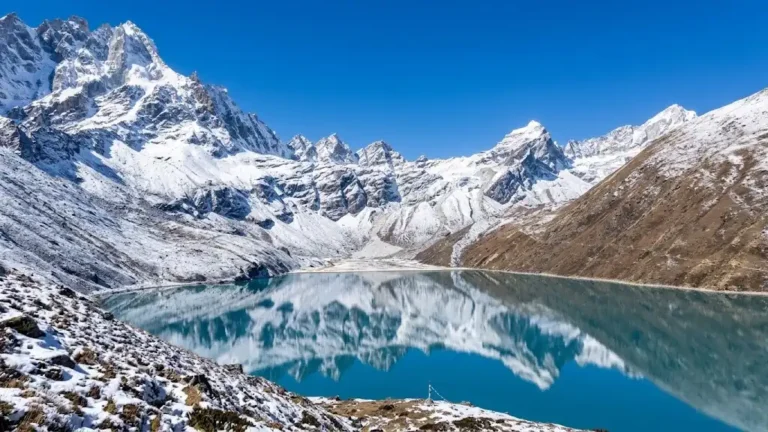
- Panoramic Views: From the park, visitors can see distant Himalayan ranges like Api Himal, Nampa Himal and Saipal Himal rolling hills, and lush valleys.
- Flora and Fauna Diversity: Khaptad is home to numerous wildlife species and endemic plants, including medicinal herbs.
Visitors often describe Khaptad as “Nepal’s hidden gem” — a place where natural and spiritual landscapes merge in perfect harmony.
Biodiversity and Natural Environment
Khaptad National Park protects a wide range of ecosystems and wildlife, thanks to its varied altitude and relatively undisturbed landscapes.
Flora
The park’s lower and middle elevations are covered with dense forests of pine, oak, rhododendron, and fir. In spring, rhododendrons bloom spectacularly, turning hillsides into vibrant shades of red, pink, and white. Higher elevations feature alpine meadows and grasslands, which are rich in wildflowers, medicinal herbs, and aromatic shrubs.
Some notable plant species found in Khaptad include:
- Rhododendron species (Rhododendron arboreum, Rhododendron campanulatum)
- Oak (Quercus spp.)
- Pine (Pinus roxburghii)
- Himalayan blue poppy
- Medicinal plants like Nardostachys jatamansi
The combination of forests and meadows makes Khaptad a botanical haven for researchers, naturalists, and photography enthusiasts.
Fauna
Khaptad National Park is home to a variety of wildlife species, many of which are endemic or rare in Nepal. The park provides habitat for:
- Himalayan black bear – occasionally spotted in forested areas
- Red panda – elusive and rare, found in high-altitude forests
- Musk deer – known for its secretive behavior
- Himalayan thar – commonly seen on rocky slopes
- Birds – pheasants, eagles, vultures, and colorful songbirds
- Other mammals – wild boar, foxes, and porcupines
The park’s wildlife thrives due to the absence of heavy tourism and minimal human disturbance, making it a paradise for nature enthusiasts and birdwatchers.
Cultural and Spiritual Significance
One of Khaptad National Park’s defining features is its cultural and spiritual heritage. The park preserves the ashram of Khaptad Baba, a revered yogi who meditated here for decades. Pilgrims visit the site to meditate, offer prayers, and experience spiritual solace.
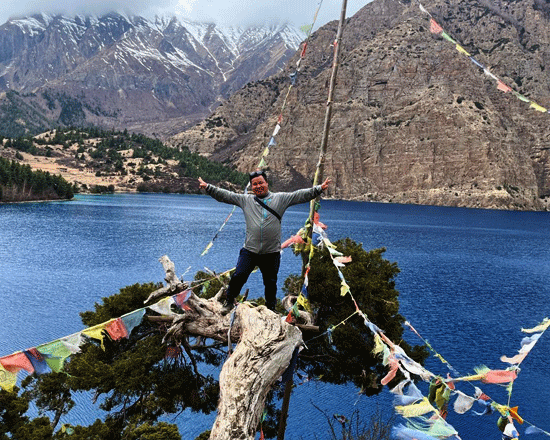
The park also contains traditional villages and sacred sites. Local communities, including Chhetri, Brahmin, and Dalit groups, maintain age-old traditions, rituals, and festivals. Visitors often witness prayer flags, shrines, and seasonal rituals during their stay, which provides a unique cultural immersion in a serene Himalayan setting.
Best Time to Visit Khaptad National Park
The best time to visit Khaptad depends on your interests:
Spring (March to May)
- Blooming rhododendrons and wildflowers
- Pleasant weather for sightseeing and photography
- Clear skies and panoramic views
Autumn (September to November)
- Stable and dry weather
- Excellent visibility of distant Himalayan peaks
- Ideal for trekking, day hikes, and wildlife observation
Winter (December to February)
- Cold temperatures, occasional snowfall at higher elevations
- Fewer visitors, very peaceful
Monsoon (June to August)
- Generally avoided due to heavy rain, slippery trails, and landslides
- The park becomes lush green, but travel can be difficult
Permits and Regulations
Visitors to Khaptad National Park are required to obtain a National Park Entry Permit. The permit helps support:
- Wildlife conservation programs
- Maintenance of trails and facilities
- Local community development
Guides are optional but recommended for first-time visitors or those unfamiliar with the park’s terrain. Following park regulations, including no littering, no hunting, and respecting sacred sites, ensures a safe and responsible visit.
Accommodation and Facilities
Khaptad National Park has basic accommodation options, primarily located in or near local villages. Facilities are limited, reflecting the park’s remote and undeveloped nature. Visitors can expect:
- Small guesthouses or homestays
- Simple meals featuring local cuisine, including dal bhat, vegetables, and tea
- Limited electricity and no internet in higher areas
- Camping opportunities for adventurous visitors
Visitors should plan ahead and carry essential supplies, including food, water purification, warm clothing, and first aid kits.
Visitor Experience in Khaptad National Park
Visiting Khaptad is about solitude, exploration, and immersion in nature. Unlike commercial trekking hubs, the park offers:
- Quiet trails with few other visitors
- Walking through alpine meadows and forests
- Observing wildlife in natural habitats
- Experiencing local culture and spiritual practices
- Panoramic views of the far-western Himalayan ranges
The park is suitable for nature photographers, spiritual seekers, researchers, and anyone looking for a peaceful retreat in the Himalayas.
Why Trek to Khaptad National Park?
Khaptad National Park offers a unique trekking experience compared to Nepal’s commercial trails. Its charm lies in:
- Breathtaking Landscapes: Rolling meadows, lush forests, and stunning Himalayan vistas, including Api, Nampa, and Saipal peaks.
- Spiritual Significance: Sacred sites like Khaptad Baba Ashram, Triveni, and ancient temples attract those seeking peace and reflection.
- Rich Biodiversity: The park is home to Himalayan langurs, leopards, musk deer, and over 400 bird species, making it a paradise for wildlife enthusiasts.
- Off-the-Beaten-Path Adventure: Unlike Annapurna or Everest treks, Khaptad is quiet, untouched, and ideal for those who want solitude and raw nature.
Khaptad–Badimalika Trek: Highlights
The Khaptad–Badimalika Trek is an extended adventure in Western Nepal that connects Khaptad National Park with the sacred Badimalika Temple in Bajura district. This trek is less frequented by tourists, making it perfect for trekkers seeking remote wilderness and spiritual experiences.
- Trek through dense forests, high-altitude meadows, and traditional villages.
- Visit Mallika Devi Temple, a revered pilgrimage site attracting devotees from across the region.
- Enjoy panoramic views of the Saipal Himalayan peaks and the Api Himal Trek.
- Experience authentic Western Nepalese culture, from local farming practices to traditional village life.
Why It’s Special: Combines spiritual trekking, remote landscapes, and cultural immersion, making it a unique off-the-beaten-path adventure in Nepal.
Khaptad–Rara Trek: Highlights
The Khaptad–Rara Trek is a multi-week expedition linking Khaptad National Park with Rara National Park, one of Nepal’s most remote and scenic regions. This trek is ideal for experienced trekkers looking for an off-the-grid Himalayan adventure.
- Traverse untouched forests, high-altitude grasslands, and isolated villages.
- Discover hidden lakes, sacred temples, and pristine wildlife along the trail.
- Witness spectacular Himalayan panoramas, including the peaks of Western Nepal.
- Experience extreme solitude and wilderness, far from commercial trekking circuits.
Why It’s Special: Offers one of the most remote trekking experiences in Nepal, perfect for adventure seekers and nature enthusiasts who want to explore Nepal’s hidden treasures beyond the usual trekking routes.
Trekking Difficulty and Preparation
Although Khaptad is not a high-altitude trekking hotspot, visitors should prepare for moderate hiking and walking in varied terrain. Key considerations include:
- Moderate to steep trails in forested and hilly areas
- Altitude ranges between 1,400 and 3,300 meters
- Variable weather conditions (sudden rain or cold at higher elevations)
- Limited medical facilities and accommodation
Preparation tips
- Carry warm and waterproof clothing
- Bring proper hiking boots and trekking poles
- Pack sufficient food, water, and first aid supplies
- Consider hiring a local guide for orientation and cultural insights
Why Choose Khaptad National Park
Khaptad National Park offers a unique Himalayan experience unlike any other destination in Nepal. Key reasons to visit:
- Peaceful and off-the-beaten-path: Perfect for travelers seeking solitude
- Diverse flora and fauna: Ideal for wildlife enthusiasts and botanists
- Cultural and spiritual richness: Pilgrimage and local village experiences
- Scenic landscapes: Alpine meadows, forests, rivers, and distant Himalayan peaks
- Accessible yet remote: Offers adventure without commercial crowds
Khaptad is perfect for those who want to disconnect from urban life and immerse themselves in Nepal’s natural and spiritual heritage.
Conclusion
Khaptad National Park remains one of Nepal’s most serene and underexplored protected areas. With its rolling alpine meadows, dense forests, rich biodiversity, and spiritual significance, the park offers a unique Himalayan experience. Travelers seeking tranquility, cultural immersion, and connection with nature will find Khaptad a hidden gem of the Himalayas.
For anyone looking to explore Nepal’s far-western wilderness, Khaptad National Park provides an unforgettable journey — one that combines peace, natural beauty, and spiritual depth in a truly untouched environment.
Trek Grade
Grade 1
Tap outside to close
Trekking is essentially day hiking and doesn't require any special training. However, good physical condition, a love of walking, and a desire to enjoy mountain views and village life are essential.
Grade 2
Tap outside to close
These treks are suitable for walkers looking for something more challenging and energetic. Hill-walking experience is desirable, with longer days and higher elevations.
Grade 3
Tap outside to close
Since the terrain can be hard and the days long, hikers should be in good physical condition and have previous mountain walking experience. High passes and extended trekking days may be involved.
Trek Grade
Grade 1
Tap outside to close
Trekking is essentially day hiking and doesn't require any special training. However, good physical condition, a love of walking, and a desire to enjoy mountain views and village life are essential.
Grade 2
Tap outside to close
These treks are suitable for walkers looking for something more challenging and energetic. Hill-walking experience is desirable, with longer days and higher elevations.
Grade 3
Tap outside to close
Since the terrain can be hard and the days long, hikers should be in good physical condition and have previous mountain walking experience. High passes and extended trekking days may be involved.