
December 31, 2025
Namche Sherpa Museum
 By admin
Namche Sherpa Museum: A Journey into Himalayan Heritage
Nepal, home to the mighty Himalayas, has long attracted trekkers, climbers, and cultural enthusiasts. The Sherpa Museum in Namche Bazaar is a unique destination that celebrates the Sherpa community’s resilience, traditions, and achievements. The museum preserves the region’s mountaineering history and showcases traditional Sherpa life, artifacts, and Himalayan heritage.
Namche Sherpa Museum: Gateway to the Khumbu Region
Located in the heart of the Khumbu region, the Namche Sherpa Museum is a cornerstone for those looking to understand the local culture. Namche Bazaar, often referred to as the “gateway to Everest,” is the starting point for many treks and expeditions. Within this bustling hub, the museum serves as a quiet sanctuary, providing insight into the lives of Sherpa mountaineers, their history, and their enduring spirit.
Visitors to the museum are greeted with exhibits that showcase the expedition’s history, including the earliest expeditions. The displays highlight the Sherpas’ invaluable contributions to Everest expeditions and other Himalayan peaks, explaining in detail how their expertise has shaped mountaineering globally.
Early settlement and trade hub of Namche Bazaar
Namche Bazaar was originally established as a seasonal trading post by the Sherpa people, who migrated from eastern Tibet several centuries ago. Namche Bazaar quickly became a key marketplace. Traders exchanged salt, wool, and livestock from Tibet for grain, cloth, and metal goods from lower Nepal.
Namche Bazaar’s global significance grew dramatically after the first successful ascent of Mount Everest in 1953. As international expeditions entered the Khumbu, Namche evolved from a quiet trade village into a major stop for climbers and trekkers heading into the Everest region. Lodges, bakeries, and supply stores gradually replaced caravan rest houses.
Modern Namche Bazaar
Today, Namche Bazaar serves as the main commercial and administrative center of Sagarmatha National Park. While it is now a vibrant trekking hub with modern facilities, it still preserves its historic role as a crossroads of trade, culture, and Himalayan exploration. The town serves as a living example of how traditional Sherpa heritage has adapted to tourism while maintaining its identity.
The Significance of Sherpa Culture
Sherpa culture is deeply intertwined with the Himalayan landscape. Known for their unparalleled endurance and mountaineering skills, Sherpas have not only guided countless climbers but have also preserved a rich cultural heritage. Traditional Sherpa life revolves around family, agriculture, and spiritual practices rooted in Tibetan Buddhism. The Sherpa Museum offers a window into these customs, showcasing traditional clothing, household items, and religious artifacts.
Through these exhibits, visitors can gain a deeper understanding of the Sherpas’ connection to the mountains, their festivals, and the rituals that accompany each stage of life. The museum emphasizes that Sherpa culture is not just about climbing but about a holistic lifestyle that harmonizes with nature.
Preserving Mountaineering History
The mountaineering history of Nepal is deeply intertwined with the Sherpa community, and, as a result, it cannot be understood without acknowledging their vital contributions. At the heart of this legacy, the Namche Sherpa Museum carefully documents legendary Everest expeditions, most notably the first successful ascent in 1953. Through a rich collection of photographs, journals, and personal accounts, visitors can clearly trace the evolution of high-altitude climbing. Simultaneously recognizing the pivotal role Sherpas played in ensuring both the success and safety of these historic journeys.
The museum highlights individual Sherpa mountaineers who have either set remarkable records or made lasting contributions to Himalayan climbing. In doing so, their stories reveal not only extraordinary courage and technical skill but also the profound respect they hold for the mountains they call home. For many visitors, these narratives serve both as a powerful source of inspiration and a lasting testament to the enduring Himalayan heritage.
Showcasing Sherpa Artifacts
One of the most captivating aspects of the Sherpa Museum is its collection of Sherpa artifacts. From traditional tools used in daily life to climbing equipment from early Everest expeditions, these items tell the story of a community that has adapted to one of the harshest environments on Earth.
Visitors can view traditional knives, prayer wheels, musical instruments, and ceremonial items that reflect the spiritual and practical aspects of the Sherpa lifestyle. Each artifact is accompanied by clear, detailed descriptions that provide context and help preserve this knowledge for future generations
Experiencing the Traditional Sherpa Lifestyle
Beyond artifacts and historical exhibits, the Namche Sherpa Museum provides immersive experiences that highlight the traditional Sherpa lifestyle. These experiences offer a tangible connection to daily life in the Khumbu region, emphasizing the simplicity, resilience, and communal spirit that define the Sherpa way of life.
Understanding the traditional lifestyle also helps explain the Sherpa’s deep and unique connection with the mountains. Their survival skills, knowledge of weather patterns, and ability to navigate treacherous terrain are deeply rooted in centuries of experience, making them indispensable to Himalayan mountaineering.
Everest Expeditions and Legendary Sherpa Mountaineers
The museum celebrates iconic Sherpas such as Tenzing Norgay and Apa Sherpa. Multimedia displays allow visitors to watch archival footage, read firsthand accounts, and learn about the logistical and physical challenges faced on every expedition. While Everest is globally famous, the museum emphasizes that Sherpas have been the backbone of these historic climbs.
The Role of the Himalayan Museum in Nepal Tourism
The Sherpa Museum also plays a vital role in promoting tourism in Nepal. It serves as an information center for travelers, providing insights into Sherpa culture, Himalayan heritage, and mountaineering history. Visitors gain a better understanding of the people who make Himalayan expeditions possible and the cultural context behind each climb.
Moreover, the museum contributes to sustainable tourism by supporting local guides, artisans, and cultural preservation initiatives. Through these efforts, travelers are reminded that the true allure of Nepal lies not only in its mountains but also in its rich cultural tapestry.
Educational Opportunities and Cultural Preservation
Education is a key part of the museum’s mission. It offers resources for students, researchers, and trekkers interested in Sherpa culture, mountaineering, and Himalayan heritage. Workshops, guided tours, and interactive displays make learning easy and engaging.
By preserving artifacts and recording oral histories, the museum helps future generations appreciate the Sherpa community’s unique contributions. It serves as a bridge between tradition and modern life, showing how Sherpas have adapted over the years while keeping their cultural identity.
Connecting with the Khumbu Region
The Khumbu region itself is an integral part of the museum experience. Visitors often combine a trip to the Namche Sherpa Museum with treks to Everest Base Camp, exploring villages, monasteries, and high-altitude trails. This connection between the museum and the environment provides a holistic understanding of life in the Himalayas.
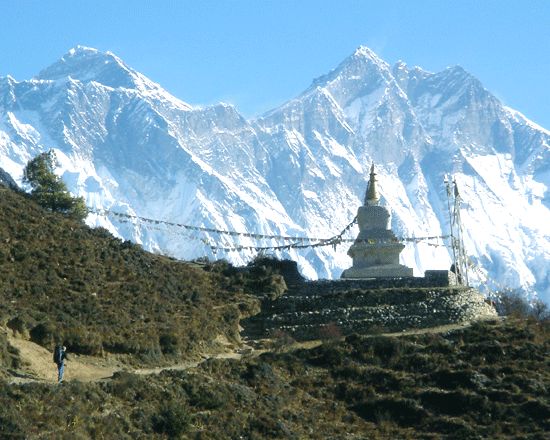
Walking through Namche Bazaar, travelers can observe the same trails, prayer flags, and landscapes depicted in museum exhibits. It’s an immersive journey that links history, culture, and adventure in a way that few other destinations can.
Highlights of the Sherpa Museum Collection
The Sherpa Museum offers a diverse and captivating collection that appeals to historians, adventurers, and cultural enthusiasts alike. Some highlights include:
- Everest Expedition Gear: Old ropes, boots, ice axes, and photographs from landmark climbs.
- Traditional Sherpa Clothing: Handwoven garments, ceremonial attire, and protective gear used in high-altitude conditions.
- Religious Artifacts: Prayer wheels, thangka paintings, and ritual items that illustrate spiritual life.
- Oral Histories and Interviews: Recorded stories of Sherpa mountaineers and villagers sharing firsthand experiences.
- Interactive Displays: Multimedia presentations that showcase climbing routes, weather patterns, and Himalayan wildlife.
Each exhibit provides a window into the challenges and triumphs of Sherpas, highlighting their indispensable role in Everest expeditions and other Himalayan climbs.
Preserving Himalayan Heritage for the Future
The Namche Sherpa Museum is more than a tourist destination; it is a cultural institution dedicated to preserving Himalayan heritage. By safeguarding artifacts, documenting oral histories, and promoting cultural education, the museum ensures that the legacy of Sherpa mountaineers and the traditional lifestyle of the Khumbu Valley remain intact.
Visiting the Sherpa Museum: Practical Tips
For travelers planning to visit the Namche Sherpa Museum, here are a few practical tips:
- Timing: The museum is best visited during daylight hours when guided tours are available.
- Entry Fee: A small donation or entry fee helps maintain the museum and support local initiatives.
- Photography: Most exhibits allow photography, but it’s courteous to ask before taking pictures of sacred artifacts.
- Combine with Trekking: Include a visit to the museum as part of a trek through the Khumbu region, such as the Everest Base Camp trek.
- Local Guides: Hiring a Sherpa guide can enrich your experience with stories and insights not available in the exhibits.
Supporting Nepal Tourism Through Cultural Appreciation
The Namche Sherpa Museum supports sustainable tourism by empowering local guides, artisans, and cultural preservation initiatives. Visitors play a role in preserving and celebrating Sherpa traditions, enjoying a richer and more meaningful experience.
Through educational programs, guided tours, and workshops, students, researchers, and trekkers can explore Sherpa culture and the mountaineering museum. The museum seamlessly connects tradition with modern life, showcasing how the Sherpa community has adapted over time while maintaining its cultural identity.
Visiting the Namche Sherpa Museum: Practical Tips
-
Timing: Visit during daylight hours when guided tours are available.
-
Entry Fee: A small donation helps maintain the museum and support local initiatives.
-
Photography: Ask before photographing sacred artifacts.
-
Combine with Trekking: Include a museum visit as part of an Everest Base Camp trek or other Khumbu trek.
-
Local Guides: Hiring a Sherpa guide provides deeper insights and stories not available in exhibits.
Conclusion: A Must-Visit for Trekking Enthusiasts
The Namche Sherpa Museum is more than a tourist attraction; it preserves Himalayan heritage, inspires young Sherpas, and encourages continued involvement in mountaineering, trekking, and cultural preservation.
Whether you are a trekking enthusiast, cultural explorer, or history lover, visiting the museum provides a meaningful connection to the Sherpa community and the mountains they call home. Accessible from Lukla, it is the perfect gateway to experience Everest, legendary mountaineers, and the enduring spirit of the Khumbu region.
Namche Bazaar: Gateway for Trekking and Expeditions
Namche Bazaar is the main gateway for trekking and mountaineering in the Everest region. From here, popular treks include:
-
Everest Base Camp Trek (Kongma La, Cho La, Renjo La)
-
Treks to Thame, Khumjung, and Tengboche monastery