Kongma La Pass Trek | 12 Days Everest Base Camp via Kongma La Pass (5,545m)
Kongma La Pass, standing tall at an impressive height of 5,545 meters, is one of the highest adventure passes in the Everest region of Nepal. It is a challenging and rewarding trekking trail that offers breathtaking views of the Himalayas. This pass is an integral part of the famous Three Passes trek in the Everest region, while also leading trekkers toward the iconic Everest Base Camp. With its stunning landscapes and panoramic mountain vistas, the Kongma La Pass trek promises a memorable and awe-inspiring Himalayan adventure.
Spectacular Mountain Views
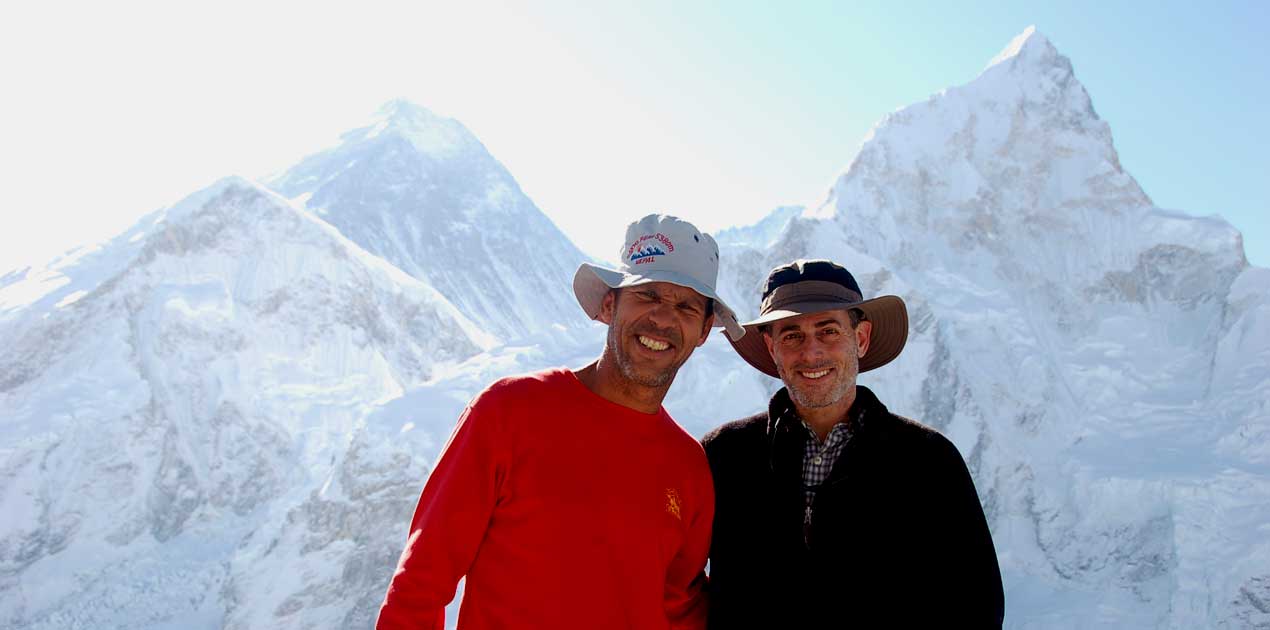
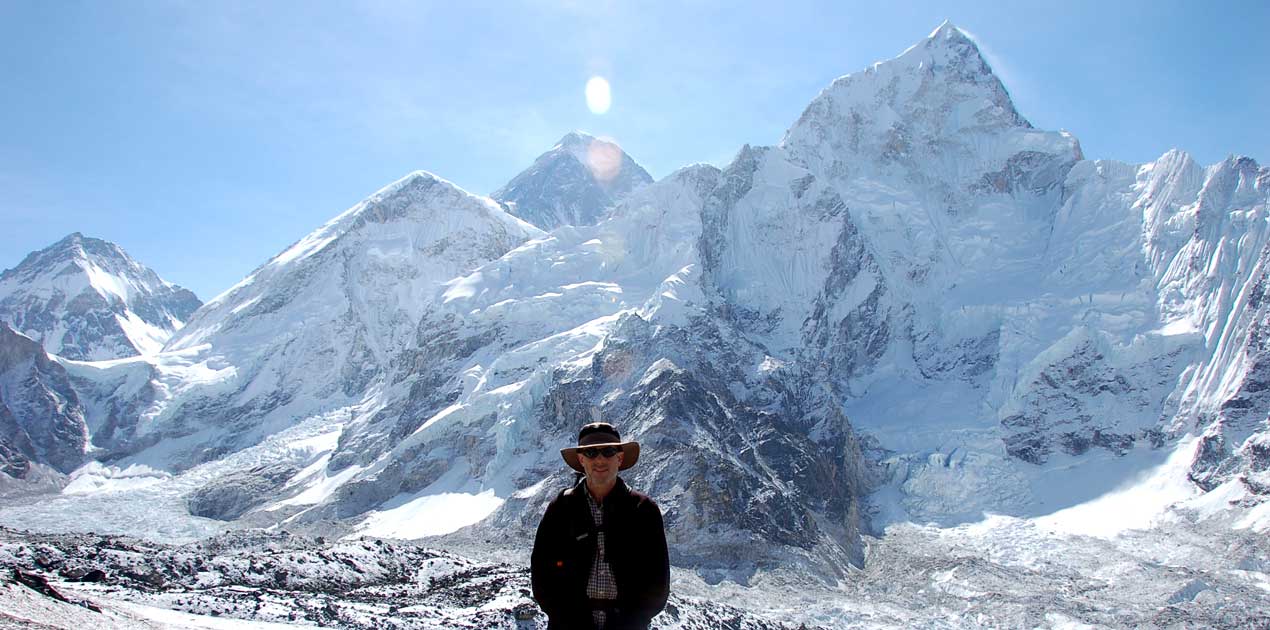
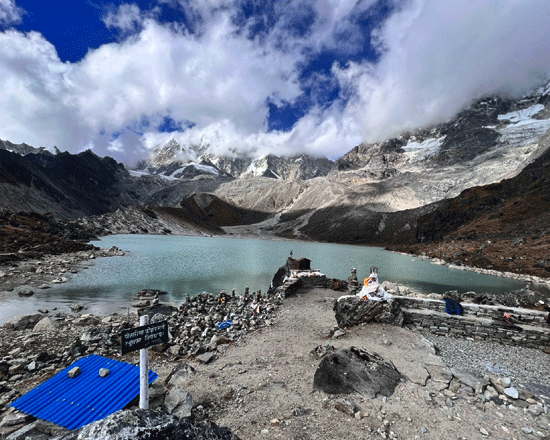
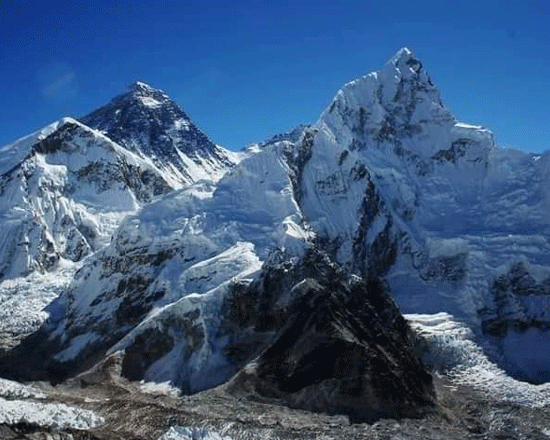
The Khongma La Pass trek takes you through the heart of the Everest region, showcasing some of the world’s highest peaks. As you traverse the trail, you encounter mesmerizing views of the Khumbu glacier and the towering Lobuche peak (6,119m). Along the way, you pass by smaller mountains such as Pokalde (5,806m) and Mera Peak (5,616m), also known as Kongma Tse. Mera Peak sits on the South-West ridge of Nuptse, nestled between the Khumbu and Nuptse Glaciers.
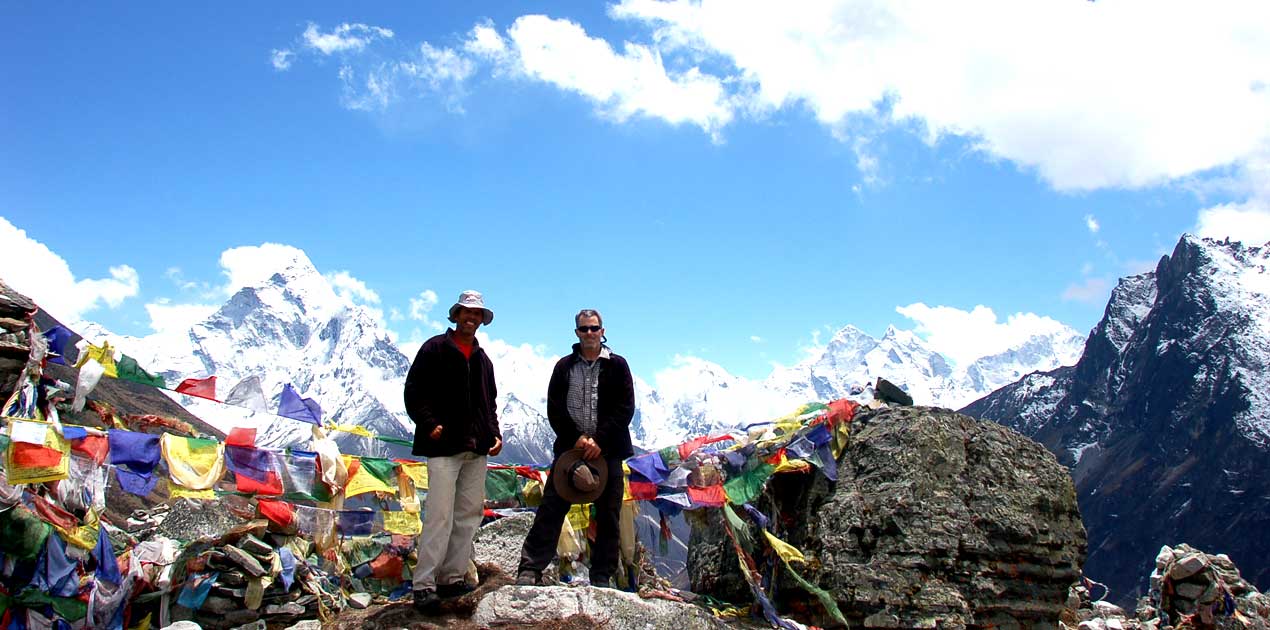
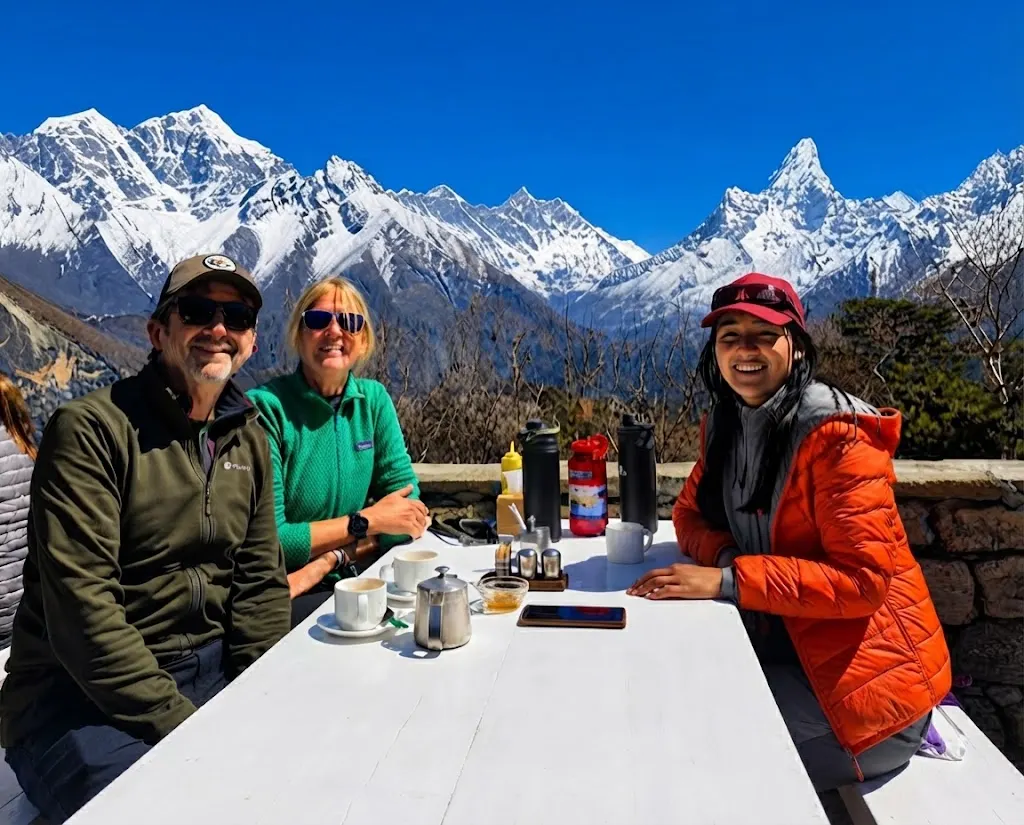
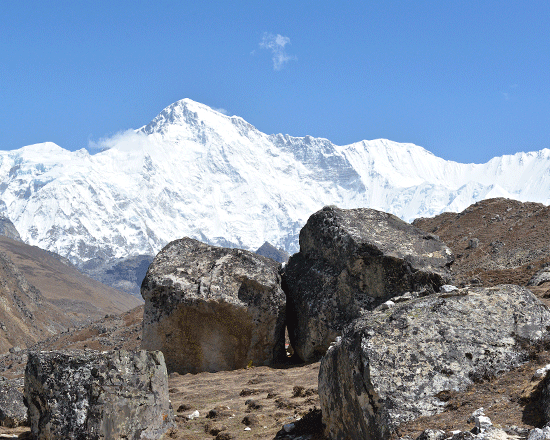
During the Kongma La Pass trek, you enjoy stunning viewpoints like Pokalde Peak and Mera Peak. The trek rewards you with a dazzling array of glistening white giants, including Ama Dablam, Thamserku, Island Peak, Makalu, Cho Oyu, Everest, Pumori, Nuptse, and Lhotse. The close-up views of the immense south face of Nuptse and the eastern face of Kongma La are particularly breathtaking.
The Ultimate High-Altitude Demandable Trek
The Kongma La Pass trek is renowned for its picturesque mountain views, making it a dream destination for trekkers seeking an ultimate high-altitude experience. The trail winds through stunning landscapes, offering a visual feast of the majestic Himalayas. The journey between Dingboche and Lobuche is especially captivating, providing trekkers with an unforgettable and gratifying experience.
Ideal for Everest Base Camp Trekkers
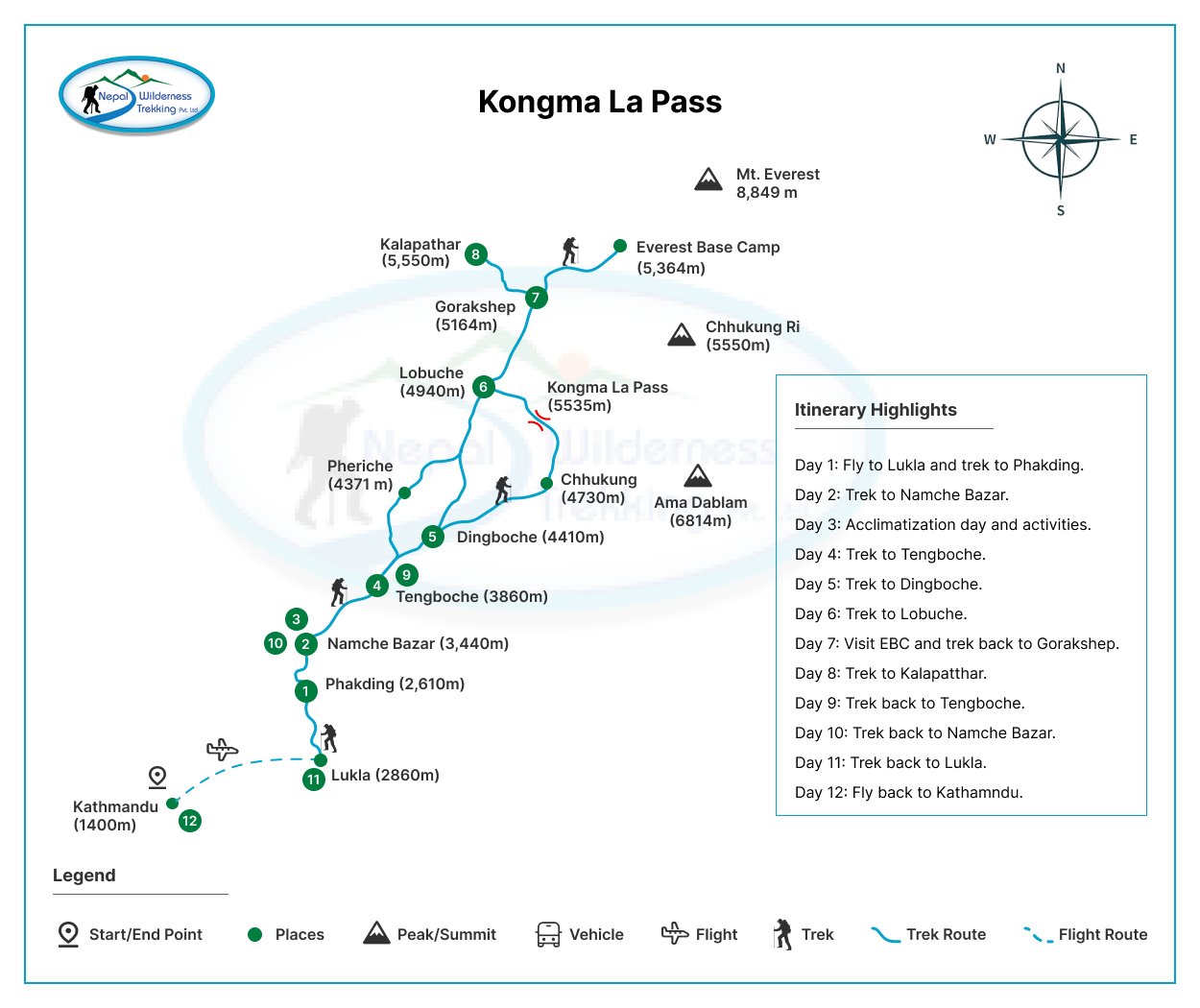
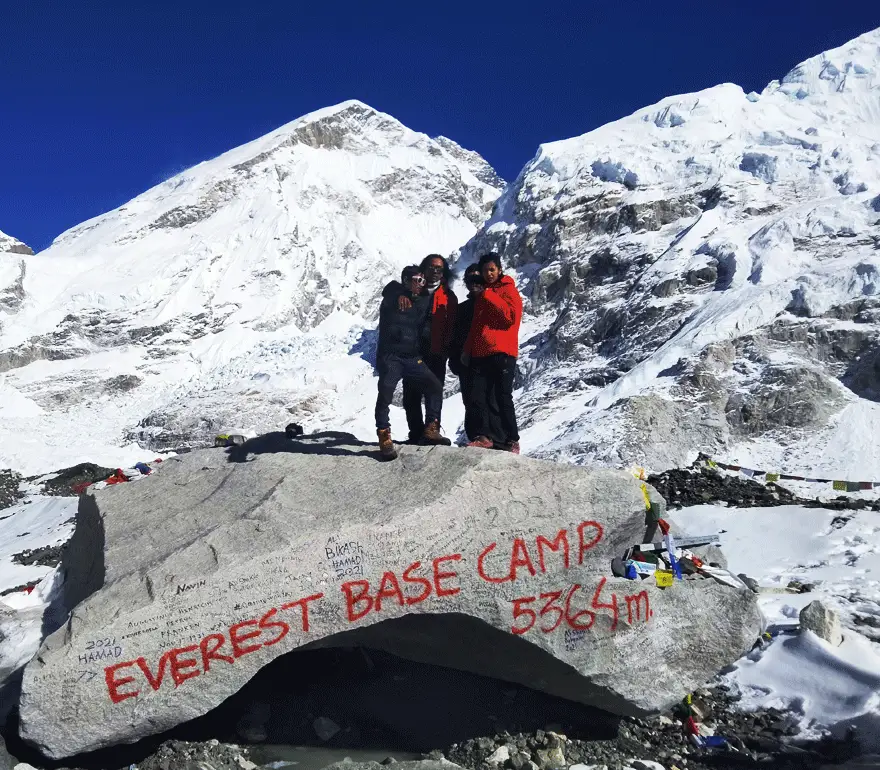
For those who are planning to trek to Everest Base Camp and Kala Patthar within a limited timeframe of 12 days, the Kongma La Pass serves as an alternative and adventurous route. Starting with a thrilling flight to Lukla’s Hillary Airport, one of the world’s most dangerous airports. The trek continues through Namche, Tengboche, and Dingboche and finally reaches Kongma La Pass. From there, the trail leads to Lobuche, Gorakshep, Everest Base Camp, and Kala Patthar before returning to Lukla via Pheriche.
An Unforgettable Trekking Experience with Nepal Wilderness Trekking
Nepal Wilderness Trekking Company offers a 12-day Kongmo La Pass Trekking package with professional Sherpa guides and strong porters, ensuring a safe and enriching journey. Their staff is fully equipped and insured to provide trekkers with a seamless and enjoyable experience throughout the adventure.
Starting the Trek
The 12-day Kongma La Pass Trek begins with a thrilling domestic flight to Lukla’s Hillary Airport, also known as Tenzing-Hillary Airport. This airport has earned a reputation as one of the world’s most dangerous due to its challenging location and short runway. The trek commences from Lukla, passing through picturesque places like Phakding and Namche Bazaar.
Acclimatization and Exploration:
- As you ascend higher into the Everest region, the air pressure and oxygen levels decrease, leading to lower oxygen saturation in your blood. This can cause altitude-related illnesses such as Acute Mountain Sickness (AMS), High Altitude Pulmonary Edema (HAPE), and High Altitude Cerebral Edema (HACE).
- Acclimatization allows your body time to adjust to the reduced oxygen levels, helping to minimize the risk of these illnesses.
- Acclimatization days provide trekkers and guides with time to monitor any symptoms of altitude sickness that may develop, such as headache, nausea, dizziness, and fatigue. Additionally, to prevent them from such problems from arising, which can cause severe conditions.
- Acclimatization improves your physical performance at higher altitudes and reduces the rush and stress of gaining altitude quickly.
Upon reaching Namche Bazaar, a day is dedicated to acclimatization, allowing trekkers to adjust to the high altitude. During this rest day, you can explore Namche Bazaar, visit the Sherpa Museum, hike to the Everest Viewpoint, and immerse yourself in the local culture.
As the journey progresses, you’ll encounter various beautiful destinations along the Kongmola trek. Some of the highlights include Tengboche, Dingboche, Pangboche, and the impressive Mera Peak. Each of these locations offers its unique charm and captivating mountain views.
The Kongma La Pass trek offers an incredible adventure in the Everest region of Nepal. Where you’ll be mesmerized by majestic mountains and thrilling trails. This high-altitude journey promises an unforgettable experience that will create memories to cherish for a lifetime.
The best time to do the Kongma La Pass trek
The best time to do the Kongma La Pass trek is typically during the spring (March to May) and autumn (September to November) seasons. During these times, the weather is generally more stable, with clear skies and mild temperatures, making it ideal for trekking. Spring brings blooming flowers and lush greenery, while autumn offers clear mountain views and pleasant temperatures. However, it’s essential to check weather forecasts and trail conditions before embarking on the trek, as mountain weather can be unpredictable. Additionally, during the monsoon season (June to August), the trail can become slippery and hazardous due to heavy rainfall, so it’s best to avoid trekking during this time. Similarly, winter (December to February) can bring extremely cold temperatures and snow, making trekking difficult and potentially dangerous.
Note
If you want to undertake the Kongma La Trek with an expert guide, Nepal Wilderness Trekking Pvt. Ltd., a local Kathmandu-based company, specializes in organizing treks and expeditions at competitive prices in Nepal. Our experienced and knowledgeable guides are familiar with the Kongma La Pass Trek routes and the surrounding area. Also, provides valuable insight into the local culture, customs, and geography, and ensures your safety and comfort throughout the journey. By hiring an expert guide, you can enhance your trekking experience, access valuable advice on acclimatization and equipment, and engage with local communities to learn more about the region’s culture and history.
Nepal Wilderness Trekking Pvt. Ltd. offers the Kongma La Pass trek package at the best price all year round, using our expertise and extensive local knowledge to guarantee a reliable, memorable, and well-organized trekking experience.