
Uncategorized
January 5, 2025
Rhododendron Trek
 By admin
Rhododendron Trek Exploring Nepal’s Flowering Trails
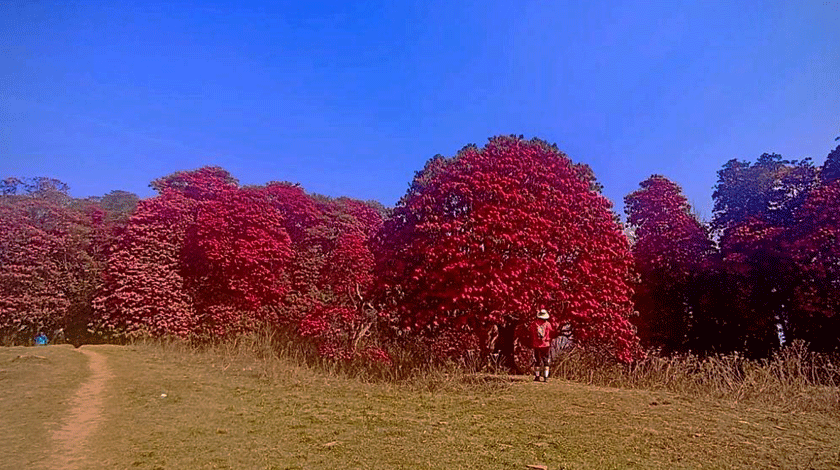
Nepal’s national flower, the rhododendron (Lali Gurans), paints the Himalayan hillsides in vibrant shades of red, pink, and white during the spring season. A Rhododendron Trek through these blooming forests offers travelers one of the most spectacular natural displays in the world. This comprehensive guide will help you plan the perfect timing and location for your Rhododendron Trek adventure, ensuring an unforgettable experience in the Himalayas.
Understanding Nepal’s Rhododendron Season
The rhododendron blooming season varies by altitude, thus creating a stunning progression of color up the mountainsides. For instance, at lower elevations (2,000–2,500m), late February to March brings the first blooms, as warmer temperatures trigger early flowering. Moving upward, mid elevations (2,500–3,000m) experience peak blooming from March to April, which offers the most vibrant displays. Meanwhile, higher elevations (3,000–3,800m) present the last blooms from April to May, often appearing alongside melting snow.
Moreover, peak flowering occurs between mid-March and mid-April, when multiple species bloom simultaneously across different elevation zones, making this the prime time for your Rhododendron season. In addition, weather conditions during this period are also ideal, with stable temperatures and clear morning views of the mountains.
Premier Rhododendron Trek Destinations
1. Ghorepani Poon Hill Rhododendron Trek
Altitude: 2,860m
Duration: 4-5 days
Difficulty: Moderate
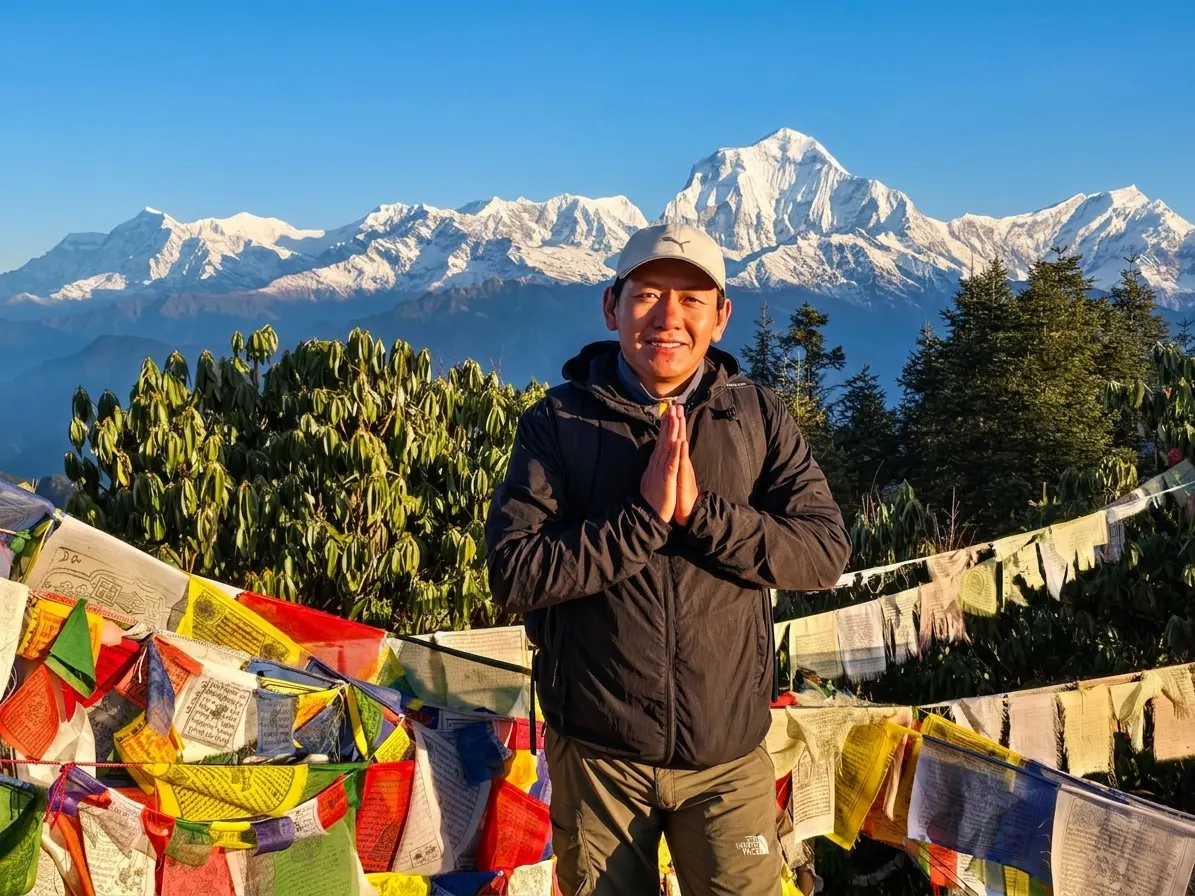
The Ghorepani trek stands out as the most accessible and rewarding route for Rhododendron and other flower enthusiasts. This trek features the world’s largest rhododendron forest, where ancient trees form natural tunnels of crimson blooms. The highlight comes at dawn from Poon Hill, where the rising sun illuminates both the flowering forests and the snow-capped Himalayan peaks.
Key features:
– Extensive rhododendron forests with trees over 100 years old
– Panoramic views of Dhaulagiri, Annapurna, and Manaslu ranges
– Traditional Gurung villages with authentic cultural experiences
– Moderate difficulty level suitable for most trekkers
– Well-developed teahouse facilities with comfortable accommodations
– Professional guide services readily available
– Easy access from Pokhara
Daily trek breakdown:
Day 1: Drive to Nayapul and trek to Ulleri
Day 2: Ghorepani through rhododendron forests
Day 3: Poon Hill sunrise and trek to Tadapani
Day 4: Return through different forest paths back to Pokhara
2. Langtang Valley Rhododendron Trek
Altitude: 3,430m
Duration: 7-8 days
Difficulty: Moderate to Challenging
The Langtang Valley Rhododendron adventures transforms the “Valley of Glaciers” into a flowering paradise during spring. This trek offers a unique opportunity to see rare white rhododendrons alongside the classic red varieties, set against a backdrop of dramatic mountain scenery.
Highlights:
– Diverse rhododendron species, including rare varieties
– Traditional Tamang culture and heritage sites
– Wildlife viewing opportunities (Red Panda habitat)
– Less crowded trails for a more authentic experience
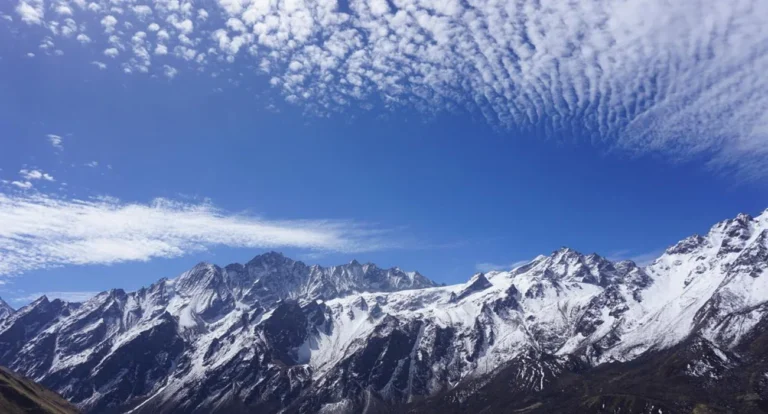
– Stunning glacier views and high-altitude landscapes
– Unique Himalayan ecosystem observation
– Proximity to the Tibet border
Route features:
– Multiple suspension bridge crossings
– Ancient monasteries and prayer wheels
– High-altitude medicinal herb gardens
– Traditional cheese factories
– Pristine mountain streams
– Diverse wildlife habitats
3. Annapurna Sanctuary Rhododendron Trek
Altitude: 2,500-4,130m
Duration: 10-12 days
Difficulty: Challenging
This extended Rhododendron journey takes you through multiple climate zones, offering views of various rhododendron species. The Modi Khola valley hosts impressive tree rhododendrons reaching heights of 100 feet, creating an otherworldly atmosphere as you trek.
Special features:
– Multiple rhododendron species at different altitudes
– Dramatic elevation changes showcasing diverse ecosystems
– Close-up views of Annapurna massif
– Natural hot springs along the route
– Rich biodiversity and wildlife sightings
– Traditional mountain villages
– Spectacular sunrise and sunset views
Essential Trek Preparation
Begin preparing for your Rhododendron Trek at least 2-3 months in advance by incorporating regular cardiovascular exercise three to four times a week to build your endurance and stamina. In addition, focus on strength training that targets your legs and core muscles, as these areas are crucial for handling the varied terrain. It’s also important to go on practice hikes while carrying a loaded backpack to simulate the actual trekking conditions and help your body adjust to the extra weight. To further enhance your readiness, include altitude acclimatization exercises to reduce the risk of altitude sickness during your trek. Lastly, make sure to allow enough time to properly break in your hiking boots to avoid discomfort and blisters on the trail.
Required Equipment
For a successful and comfortable Rhododendron Trek, packing the right gear is absolutely crucial. To begin with, invest in a pair of high-quality hiking boots that provide excellent ankle support, a sturdy sole for traction on rocky and uneven paths, and waterproofing to keep your feet dry during unpredictable mountain weather. In addition, trekking poles are highly recommended, as they help reduce strain on your knees and improve balance, especially during steep ascents and descents. Since weather in the Himalayas can change rapidly, it is essential to bring a layered clothing system. This includes moisture-wicking base layers to keep sweat away from your skin, insulating mid-layers such as fleece or down jackets for warmth, and a waterproof and windproof outer shell to protect you from rain, snow, and wind.
Furthermore, rain gear—such as a breathable rain jacket and rain pants—paired with a waterproof cover for your backpack is vital to keep both you and your belongings dry during sudden showers, which are quite common in the spring trekking season. Equally important, safety should never be overlooked, so pack a well-stocked first aid kit containing blister treatment, pain relief, antiseptics, and any personal medications you require, as medical facilities can be scarce in remote trekking areas.
When it comes to hydration, access to clean drinking water is essential. Therefore, carrying a reliable water purification system—such as iodine tablets, UV sterilizers, or portable filters—will help prevent waterborne illnesses. Lastly, because nights in the mountains can be very cold, even during the blooming season, bring a sleeping bag rated for temperatures as low as -10°C to ensure you stay warm and well-rested for the next day’s hike.
Photography Tips
Capture the beauty of your Rhododendron Trek by using early morning light for the best color saturation, employing polarizing filters to reduce glare, and taking both sweeping landscape shots and detailed macro photographs. Include people or objects in your frames to give a sense of scale, and consider bringing a lightweight tripod for stability in low-light conditions. Be sure to protect your equipment from moisture, and pack extra memory cards so you never miss a moment of the blooming season.
Conservation and Responsible Trekking
Climate Change and Altered Blooming Patterns
Rhododendrons in Nepal are exhibiting earlier blooming times, with some species now flowering from early February to mid-March, compared to the traditional late winter to early spring period. This shift is attributed to rising temperatures and altered precipitation patterns, signaling broader climate change impacts. Such changes can disrupt local ecosystems, affect species interactions, and reduce the aesthetic and ecological value of these forests .
In Nepal’s mountainous regions, approximately 87.9% of households rely on wood as their primary fuel source, leading to significant deforestation for firewood and timber. This practice not only depletes forest resources but also contributes to habitat loss and soil erosion, further degrading the environment.
Sustainable Practices
When embarking on a Rhododendron Trek in Nepal, it is essential to practice sustainability and responsible tourism to help protect these fragile mountain ecosystems. One of the simplest yet most effective ways to minimize the impact is to always stay on marked trails. Straying off designated paths can lead to soil erosion, damage delicate plant life, including the iconic rhododendron bushes and disturb local wildlife habitats. By sticking to the trails, you help preserve the natural environment for future trekkers and maintain the ecological balance of the region.
Another important responsibility is to carry out all your waste. Nepal’s remote trekking areas often lack adequate waste management systems, and litter can harm both the scenery and wildlife. This small effort makes a huge difference in keeping the trails clean and protecting water sources from contamination.
Plastic pollution is a growing concern in mountain trekking areas. To combat this, minimize your use of single-use plastics by carrying reusable water bottles, containers, and bags. Reducing plastic waste is vital to protecting wildlife and maintaining the pristine beauty of Nepal’s rhododendron habitats.
Finally, engaging in community-based tourism initiatives offers a meaningful way to support local economies while promoting environmental stewardship. These programs often include homestays, locally guided nature walks, and cultural workshops that directly benefit residents. By choosing such experiences, you help empower communities to protect their natural surroundings and share their unique heritage with visitors.
Conclusion
A Rhododendron Trek in Nepal offers far more than just a typical hiking experience; instead, it invites you to immerse yourself in one of nature’s most breathtaking floral displays. Throughout this trek, the vibrant flowering forests, stunning mountain vistas, and rich cultural encounters combine to create an unforgettable adventure.
Furthermore, by planning your Rhododendron Trek in Nepal between March and April and selecting a route suited to your skill level, you’ll not only enjoy comfortable weather but also witness the Himalayas at their most colorful and alive.
In addition, trekking responsibly by following local guidelines and helping to preserve these natural treasures ensures that future generations can also experience the magic of a Rhododendron Trek in Nepal.
Whether you prefer the accessible trails of Poon Hill or the more demanding paths of the Annapurna Sanctuary, your Rhododendron Trek in Nepal promises to create lasting memories filled with natural beauty and cultural richness.
Trekking is essentially day hiking and doesn't require any special training. However, good physical condition, a love of walking, and a desire to enjoy mountain views and village life are essential. These treks are suitable for walkers looking for something more challenging and energetic. Hill-walking experience is desirable, with longer days and higher elevations. Since the terrain can be hard and the days long, hikers should be in good physical condition and have previous mountain walking experience. High passes and extended trekking days may be involved.
 Poon Hill Trek 3 days
Trek Grade
Grade 1
Tap outside to close
Grade 2
Tap outside to close
Grade 3
Tap outside to close
Poon Hill Trek 3 days
Trek Grade
Grade 1
Tap outside to close
Grade 2
Tap outside to close
Grade 3
Tap outside to close