Skip to content
Everest Base Camp Trek Cost
Uncategorized

July 27, 2026

Everest Base Camp Trek Cost

admin By admin

Everest Base Camp Trek Cost (2027): The Ultimate Guide

Standing at the foot of the world’s highest mountain is a dream shared by trekkers from across the globe. Every year, thousands of adventurers travel to Nepal to complete the legendary Everest Base Camp Trek. One of the most common questions they ask before booking is:

“How much does the Everest Base Camp Trek really cost?”

The answer depends on several factors, including your trekking style, travel season, accommodation preferences, transportation choices, and whether you trek independently or with a local trekking company.

Many websites only provide a general estimate, but the actual expenses can vary significantly once you include permits, flights, meals, accommodation, guide and porter services, equipment, travel insurance, tips, and unexpected costs.

As a Nepal-based Local trekking company with many years of experience organizing Everest Base Camp Treks, we’ve helped trekkers from more than 80 countries plan their journeys. This guide is based on practical experience and current trekking logistics to help you estimate your budget accurately.

Whether you’re planning a budget-friendly adventure or a luxury Himalayan experience, this guide explains every major expense so you can prepare with confidence.

Everest Base Camp Trek Cost at a Glance

Expense Estimated Cost (USD)
Trekking Package $1,200–$2,000
Lukla Flights $504–$520
Trekking Permits $50–$65
Guide Included in packages or about $35–$45/day
Porter Included in packages or about $25–$35/day
Meals $300–$500
Accommodation $50–$150
Drinking Water $40–$90
Charging & Wi-Fi $30–$80
Travel Insurance $100–$250
Equipment Rental $50–$150
Tips $100–$250

Average Total Budget

Trek Style Estimated Cost
Budget $1,200–$1,600
Standard $1,500–$2,200
Luxury $3,000–$5,500+

Note: Costs vary depending on the trekking season, route, flight availability, group size, and level of comfort.

What Determines the Cost of the Everest Base Camp Trek?

No two Everest Base Camp Treks are exactly alike. The total price depends on the choices you make before and during your journey.

1. Trek Duration

A classic Everest Base Camp Trek typically lasts 12–14 trekking days, but the overall trip is often 14–16 days, including arrival, departure, and contingency time.

Longer itineraries increase costs for accommodation, meals, guide wages, and porter services.

Examples include:

2. Group Size

Traveling with friends or joining a group usually reduces the cost per person because transportation, guide services, and logistics are shared.

Typical price differences:

  • Solo trek: highest cost
  • Two trekkers: lower price per person
  • Four or more trekkers: better value
  • Larger groups: often qualify for additional discounts

3. Trekking Season

The season has a noticeable effect on costs.

Peak Seasons

  • March–May
  • Late September–November

Demand for flights, teahouses, and guides is highest, so prices and availability can be tighter.

Off-Season

  • December–February
  • June–August

Some services may be less expensive, but winter conditions or monsoon weather can affect the experience.

4. Type of Accommodation

Accommodation choices range from simple mountain teahouses to comfortable lodges with attached bathrooms, electric blankets, and upgraded facilities.

Budget trekkers usually stay in standard teahouses, while luxury itineraries include premium lodges where available.

5. Transportation

Most trekkers fly between Kathmandu to Lukla (or Ramechhap during busy seasons) and Lukla.

Alternative options include:

  • Helicopter transfers
  • Road journey to Salleri or Phaplu followed by trekking
  • Jiri to Everest Base Camp (a longer, classic approach)

Each option affects the overall budget differently.

6. Guided Trek vs Independent Trek

While some regions of Nepal allow independent trekking, many visitors choose to hire a guide for safety, local knowledge, logistics, and cultural insight.

A trekking package often includes:

  • Permits
  • Airport transfers
  • Domestic flights
  • Accommodation
  • Guide
  • Porter
  • Meals (depending on the package)
  • Trek organization
  • Emergency support

Booking with an experienced local company can simplify planning and reduce the risk of unexpected expenses.

Is the Everest Base Camp Trek Worth the Cost?

For many trekkers, the Everest Base Camp Trek is more than a vacation—it is a once-in-a-lifetime journey through the heart of the Himalayas.

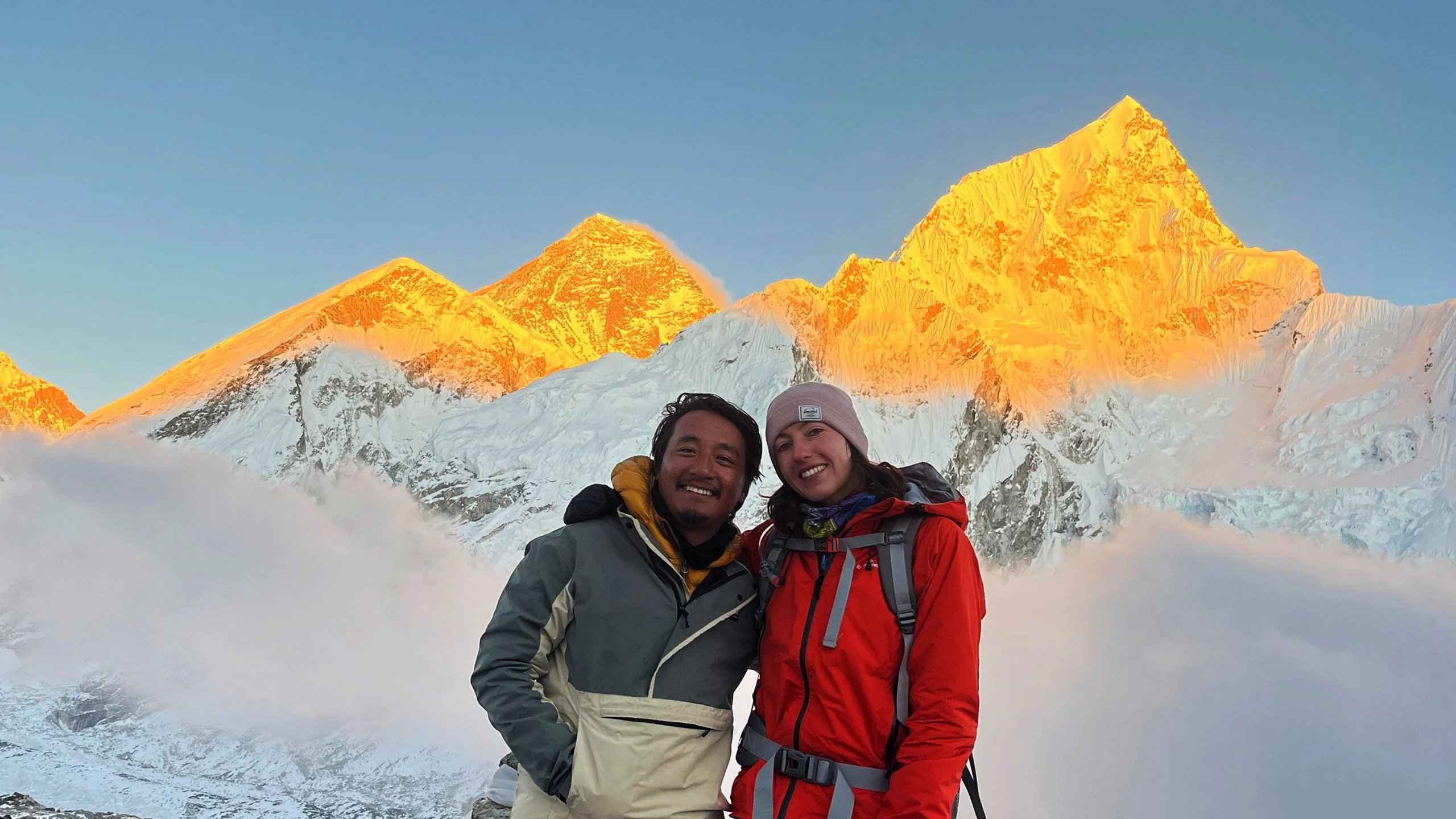
The route combines dramatic mountain scenery, Sherpa culture, Buddhist monasteries, suspension bridges, glaciers, and views of iconic peaks including Mount Everest, Lhotse, Nuptse, Ama Dablam, and Thamserku.

Along the way, you’ll visit famous villages such as Lukla, Namche Bazaar, Tengboche, Dingboche, Lobuche, Gorakshep, and Everest Base Camp, each offering a unique glimpse into life in the Khumbu region.

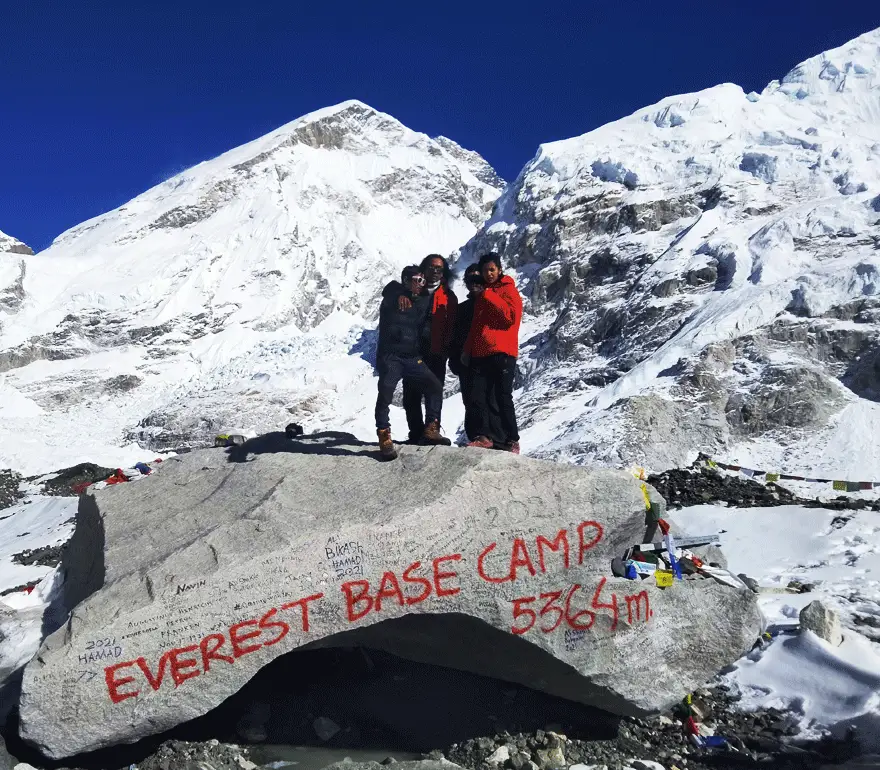
Reaching Everest Base Camp at 5,364 meters (17,598 feet) and climbing Kala Patthar for one of the best panoramic views of Mount Everest is an achievement that many trekkers remember for the rest of their lives.

When compared with similar multi-day trekking experiences around the world, the Everest Base Camp Trek offers exceptional value because it combines high-altitude adventure, rich cultural experiences, and some of the most spectacular mountain scenery on Earth.

Average Everest Base Camp Trek Cost by Travel Style

Best for experienced travelers who are comfortable with basic accommodation and careful daily spending.

Typical budget:

  • Shared teahouses
  • Basic meals
  • Standard guide and porter
  • Essential services only

Estimated cost: $1,200–$1,600

Standard Guided Trek

The most popular choice among international trekkers.

Includes:

  • Experienced licensed male / female guide
  • Porter service
  • Comfortable teahouses
  • Domestic flights
  • Permit arrangements
  • Airport transfers
  • Trip coordination

Estimated cost: $1,500–$2,200

Luxury Everest Base Camp Trek

Designed for travelers who want greater comfort and convenience.

May include:

  • Luxury mountain lodges where available
  • Private guide
  • Helicopter return option
  • Higher meal budget
  • Additional support services

Estimated cost: $3,500–$5,500+

Why Booking with a Local Nepalese Company Can Save You Money

Many international agencies advertise Everest Base Camp Treks, but they often subcontract the trek to local operators in Nepal. This can increase the overall price without adding significant value.

Booking directly with an experienced Nepal-based trekking company may offer several advantages:

  • Competitive pricing with fewer intermediaries
  • Licensed local guides familiar with the Everest region
  • Faster communication during your trip
  • Better flexibility for itinerary adjustments
  • Local knowledge about weather, flights, and trail conditions
  • Support for Nepal’s tourism economy and mountain communities

When comparing packages, always look beyond the headline price. Check what is included—such as permits, flights, meals, guide and porter services, accommodation, airport transfers, and emergency support—to understand the overall value.
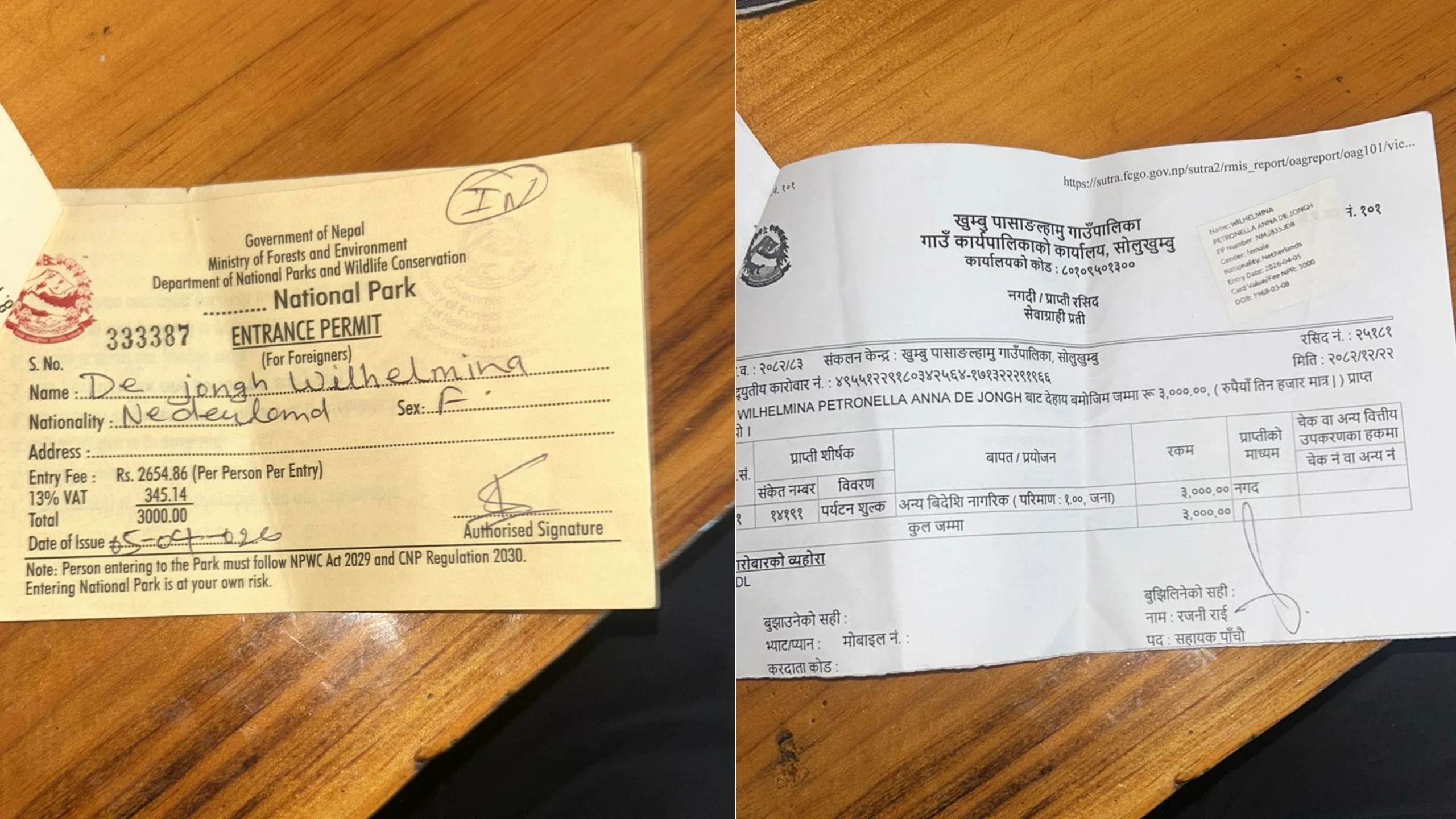
Detailed Everest Base Camp Trek Cost Breakdown (2027)

Understanding each expense separately helps you plan a realistic budget and avoid surprises during your trek. Below is a detailed breakdown of the main costs you’ll encounter.

1. Everest Base Camp Trek Permit Costs

Every trekker in the Everest region needs two permits. Unlike some other trekking regions in Nepal, the TIMS card is generally not required for the standard Everest Base Camp Trek.

Required Permits

Permit Foreign Nationals SAARC Nationals
Khumbu Pasang Lhamu Rural Municipality Permit NPR 3,000 NPR 3,000
Sagarmatha National Park Entry Permit NPR 3,000 NPR 1,500

Sagarmatha trekking permit

Total Permit Cost

  • Foreign trekkers: approximately NPR 6,000 (around US$45–50 depending on the exchange rate)
  • SAARC citizens: approximately NPR 4,500

These permits support conservation, trail maintenance, and community development in the Khumbu region.

Expert Tip: If you book with a local trekking company, permit arrangements are usually handled for you, saving time and reducing paperwork.

2. Kathmandu to Lukla Flight Cost

The flight to Lukla is one of the most memorable parts of the journey and a significant expense.

One-Way Flight

Route Estimated Price
Kathmandu – Lukla US$251–260
Lukla – Kathmandu US$251–260

Round-trip cost: US$460–520

Important Seasonal Note

During the busy trekking seasons (spring and autumn), many flights operate from Ramechhap Airport instead of Kathmandu due to air traffic congestion.

This means you’ll also need transportation between Kathmandu and Ramechhap.

Transportation Cost
Shared Tourist Vehicle US$20–30
Private Jeep US$140–200 per vehicle

3. Helicopter Flight Cost

If flights are delayed due to weather or you want a more comfortable journey, helicopter services are available.

Shared Helicopter

  • Lukla → Kathmandu
  • US$ 600–800 per person (when seats are shared)

Private Helicopter

  • Kathmandu ↔ Lukla
  • US$ 3,500 depending on season and availability

Many trekkers also choose a helicopter return from Gorakshep after reaching Everest Base Camp, creating a popular Everest Base Camp Helicopter Return Trek.

4. Guide Cost

Hiring an experienced guide greatly enhances both safety and enjoyment, especially at high altitude.

A licensed guide helps with:

  • Navigation
  • Acclimatization planning
  • Weather updates
  • Local culture and history
  • Emergency coordination
  • Communication with teahouses

Average Daily Guide Cost

Service Cost
Licensed Trekking Guide US$35–45/day

Most trekking packages already include:

  • Guide salary
  • Insurance
  • Meals
  • Accommodation
  • Transportation

Local Insight: Choosing a guide with extensive Everest experience can make a noticeable difference in acclimatization support and trip management.

5. Porter Cost

Porters carry the heavier gear so trekkers can enjoy the trail with a lighter daypack.

A porter typically carries:

  • 20–25 kg total
  • Usually shared between two trekkers

Daily Cost

Service Cost
Porter US$25–35/day

Most companies recommend limiting each trekker’s duffel bag to around 10–12 kg.

Hiring a porter not only reduces physical strain but also supports employment in local mountain communities.

6. Accommodation Cost

The Everest region offers a network of traditional teahouses. Most rooms are simple but comfortable, usually with two single beds, blankets, and shared bathrooms.

As you gain altitude, operating costs increase because supplies must be transported by porters, yaks, or helicopters. As a result, room rates generally rise.

Average Room Prices

Village Price per Night
Lukla US$8–15
Phakding US$8–15
Namche Bazaar US$10–20
Tengboche US$10–20
Dingboche US$10–20
Lobuche US$15–25
Gorakshep US$20–35

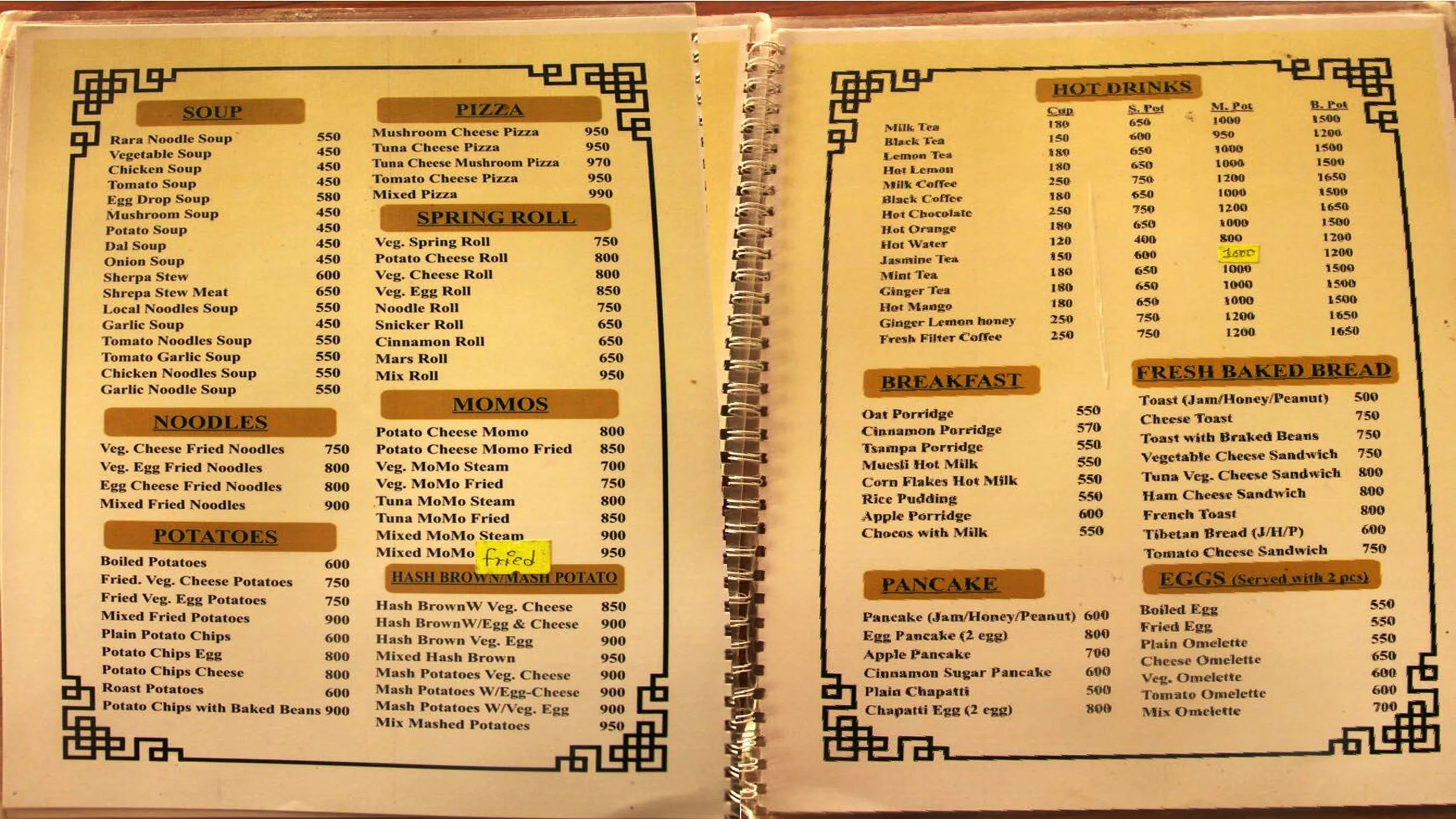
7. Food Cost

Food is one of the largest daily expenses because every ingredient must be transported into the mountains.

Although prices increase with altitude, meals are generally fresh, filling, and prepared to order.

Average Meal Prices

Meal Lower Region Upper Region
Dal Bhat US$5–8 US$8–12
Fried Rice US$4–7 US$7–10
Noodles US$4–7 US$7–10
Pizza US$7–10 US$10–15
Pancakes US$4–6 US$6–9
Soup US$3–5 US$5–8
Omelette US$4–6 US$6–9

Daily Food Budget

Budget Style Daily Cost
Budget US$20–25
Standard US$30–40
Comfortable US$40–50

Everest trekking food menu

For a typical 12-day trek, expect to spend around US$300–500 on meals if they are not included in your package.

8. Drinking Water Cost

Staying hydrated is essential for acclimatization.

Most trekkers drink 3–4 liters of water per day.

Bottled Water Prices

Location Price
Lukla US$1–2
Namche Bazaar US$2–3
Dingboche US$3–4
Lobuche US$4–5
Gorakshep US$5–7

Buying bottled water every day is expensive and creates unnecessary plastic waste.

Money-Saving Tip

Carry:

  • A reusable water bottle
  • Water purification tablets
  • A portable water filter

This can reduce your water costs while being more environmentally friendly.

9. Hot Shower Cost

Hot showers are available in many villages, but they become more expensive at higher elevations.

Location Cost
Lower Villages US$3–5
Namche Bazaar US$4–6
Dingboche US$5–7
Lobuche US$6–8
Gorakshep US$7–10

Some trekkers choose to skip showers at higher elevations due to the cold temperatures and limited hot water availability. In fact, it is often better to avoid showering above 4,000 meters, as your body can cool down very quickly after bathing. Wet hair takes much longer to dry in the cold mountain air, increasing the risk of becoming chilled. This can leave you feeling uncomfortable and may contribute to headaches or other symptoms that can make acclimatization more difficult. Instead, many trekkers use wet wipes or wash only their face and hands until they descend to lower, warmer elevations.

10. Wi-Fi and Mobile Network Costs

Internet access is available in most villages, although speeds vary.

Typical Wi-Fi charges:

Village Cost
Lukla Free–US$3
Namche Bazaar US$3–5
Dingboche US$4–6
Lobuche US$5–7
Gorakshep US$7–10

Many trekkers also purchase an NTC or NCELL SIM card in Kathmandu for mobile data in areas with coverage.

11. Charging Electronic Devices

Electricity is available in almost every teahouse, but charging is often charged separately at higher elevations.

Typical prices:

Device Cost
Phone US$2–5
Camera Battery US$3–6
Power Bank US$3–7

A 20,000–30,000 mAh power bank is a worthwhile investment to reduce charging costs.

Estimated Daily Expenses on the Trail

Expense Budget Standard Comfortable
Accommodation $10 $15 $25
Meals $25 $35 $45
Water $5 $8 $10
Charging $2 $4 $6
Wi-Fi $2 $4 $6
Miscellaneous $5 $8 $10
Daily Total $49 $74 $102

For a 12-day trek, daily expenses alone can range from approximately $600 for budget travelers to over $1,200 for those seeking more comfort, excluding flights and permits.

Equipment Costs for the Everest Base Camp Trek

One of the biggest questions trekkers ask is whether they need to buy all their trekking equipment before arriving in Nepal. The answer depends on what you already own and how often you plan to trek.

If this is your first high-altitude trek, renting some items in Kathmandu is often more economical than purchasing expensive gear you’ll rarely use again.

Equipment Rental Prices in Kathmandu

Equipment Rental Price (Per Day) Approximate Total (14 Days)
Down Jacket $2–4 $28–56
Sleeping Bag (-15°C to -20°C) $2–4 $28–56
Trekking Poles $1–2 $14–28
Crampons / Microspikes (seasonal) $2–3 $28–42
Duffel Bag Often included by trekking companies Free

Many local trekking companies, including Nepal Wilderness Trekking, provide a duffel bag and may also lend a sleeping bag, down jacket, or trekking poles depending on the package. Always confirm what is included before renting or buying gear.

Trekking equipment list

Equipment Purchase Costs

If you prefer to own your gear, Kathmandu has numerous trekking shops offering both international brands and locally made equipment.

Item Estimated Cost
Hiking Boots $100–250
Down Jacket $120–350
Sleeping Bag $150–400
Backpack (50–70L) $120–250
Trekking Poles $30–150
Thermal Layers $30–120
Waterproof Jacket $80–300
Expert Tip: Quality hiking boots are one item worth investing in. Comfortable, well-fitted boots can prevent blisters and make long trekking days much more enjoyable.

Travel Insurance Cost

Travel insurance is one of the most important expenses—and one that should never be overlooked.

The Everest Base Camp Trek reaches 5,364 meters (17,598 feet), and Kala Patthar reaches 5,545 meters (18,192 feet). Your policy should cover trekking to at least these altitudes and include emergency helicopter evacuation.

Typical Insurance Cost

Trip Length Estimated Cost
2 Weeks $100–180
3 Weeks $150–250
1 Month $180–350

When comparing policies, look for:

  • High-altitude trekking coverage
  • Emergency helicopter evacuation
  • Medical treatment
  • Trip cancellation
  • Lost or delayed baggage
  • Flight delays

Choosing a policy based solely on price can be risky if it excludes high-altitude trekking.

Tipping Guide and Porter

Tipping is not mandatory in Nepal, but it is a long-standing custom and a meaningful way to recognize good service.

Many trekkers tip at the end of the trek, often during the farewell dinner in Kathmandu or after returning from Lukla.

Suggested Guide

Service Suggested Tip
Guide $8–15 per day from the group
Porter $5–10 per day from the group

For example, two trekkers sharing one porter on a 12-day trek might contribute a combined tip of $120–180 for the porter, depending on the quality of service.

The amount is always at your discretion and should reflect your satisfaction with the support you received.

Hidden Costs Many Trekkers Forget

One of the most common budgeting mistakes is focusing only on the package price while overlooking smaller daily expenses. Below are some costs that are easy to miss.

Snacks

Chocolate, energy bars, nuts, and cookies become increasingly expensive with altitude.

Snack Price
Chocolate Bar $2–6
Chips $2–5
Cookies $2–4
Energy Bar $3–6

Bringing a supply of snacks from Kathmandu can save money.

Coffee

Coffee is available in nearly every teahouse.

Coffee Cost
Instant Coffee $2–4
Espresso $3–6
Cappuccino $4–7

Bakery Items

Namche Bazaar and some larger villages have bakeries offering fresh pastries and cakes.

Item Price
Apple Pie $4–7
Cinnamon Roll $3–6
Cake Slice $4–7

Toilets

Most teahouses provide toilets for guests free of charge. However, public toilets along the trail or at some rest stops may charge around Rs 50 to 100.

Battery Replacement

If you enjoy photography, remember that cold temperatures reduce battery life. Carrying spare batteries is a good idea, especially if you use cameras or drones (where permitted).

Emergency Expenses

Although most treks go smoothly, it’s wise to have extra funds available.

Possible unexpected expenses include:

  • Additional accommodation due to weather delays
  • Extra meals
  • Flight rescheduling
  • Additional porter support
  • Emergency transportation
  • Hotel stays in Kathmandu if Lukla flights are cancelled

A contingency budget of $200–500 is recommended.

How Much Cash Should You Carry?

ATMs are available in Kathmandu and Namche Bazaar, but they are not guaranteed to be operational. Above Namche, cash is the primary method of payment.

For a standard trek, carrying $400–700 in Nepalese Rupees for personal expenses is usually sufficient if your package already includes accommodation and guide services.

Sample Budget 1: Budget Backpacker

Expense Cost
Permits $50
Flights $480
Guide $480
Porter (Shared) $180
Food $320
Accommodation $180
Water $60
Wi-Fi & Charging $50
Insurance $150
Tips $120
Miscellaneous $100
Estimated Total $2,170

Sample Budget 2: Couple Sharing a Porter

Expense Cost per Person
Permits $50
Flights $480
Guide (Shared) $240
Porter (Shared) $150
Food $350
Accommodation $180
Insurance $150
Tips $100
Miscellaneous $120
Estimated Total $1,820 per person

Traveling as a couple or small group often reduces costs because guide and porter expenses are shared.

Sample Budget 3: All-Inclusive Package

Many trekkers prefer booking a package that includes:

  • Airport transfers
  • Domestic flights
  • Permits
  • Licensed guide
  • Porter
  • Accommodation
  • Meals
  • Trip coordination

Typical package prices range from $1,300–2,000, depending on group size, itinerary, and level of service. Personal expenses such as drinks, snacks, tips, and travel insurance are usually additional.

1. Book Directly with a Local Company

Booking with a Nepal-based operator often eliminates intermediary costs while providing direct access to the team organizing your trek.

2. Join a Group Departure

Sharing guide and porter costs can significantly reduce the price per person.

3. Travel During the Shoulder Seasons

Late February, early March, late November, and early December may offer good trail conditions with fewer crowds.

4. Carry a Water Filter

Refilling and treating water is generally cheaper and more environmentally friendly than buying bottled water every day.

5. Bring Snacks from Kathmandu

Energy bars and trail snacks purchased in Kathmandu are usually much less expensive than those sold in mountain villages.

6. Pack a Power Bank

A high-capacity power bank can reduce the need to pay for charging devices along the trail.

7. Share a Porter

Two trekkers can usually share one porter, reducing costs while keeping luggage within recommended weight limits.

8. Rent Gear Instead of Buying

If you don’t trek regularly, renting specialized equipment is often more cost-effective.

9. Include Buffer Days

Adding one or two extra days to your itinerary can help you manage potential Lukla flight delays without expensive last-minute changes.

10. Compare Package Inclusions

A lower package price may exclude flights, meals, permits, or porter services. Compare the full list of inclusions rather than the headline price.

11. Carry Small Denominations

Having smaller Nepalese Rupee notes makes it easier to pay for tea, snacks, and small services in villages.

12. Avoid Last-Minute Purchases

Buying forgotten items in the mountains is usually more expensive than purchasing them in Kathmandu before your trek.

Everest Base Camp Trek Cost by Month (2027)

Although the permit fees remain the same throughout the year, the total cost of the Everest Base Camp Trek can vary depending on the season. Flight demand, accommodation availability, and weather conditions all influence your overall expenses.

Month Cost Level Trail Condition Crowds
January Medium Cold, clear skies Low
February Medium Cold, improving weather Low
March High Excellent High
April High Rhododendrons, stable weather Very High
May High Warm, pre-monsoon High
June Medium Monsoon begins Very Low
July Low Rainy Very Low
August Low Wet, cloudy Very Low
September High Improving after monsoon High
October Highest Best visibility Very High
November High Clear and dry High
December Medium Cold but scenic Low

Budget Tip

If your schedule is flexible, consider trekking in late February, early March, or late November. These periods often provide excellent mountain views with fewer trekkers than the busiest weeks of April and October.

Luxury vs Standard vs Budget Everest Base Camp Trek

Feature Budget Standard Luxury
Guide Shared or basic Experienced licensed guide Senior private guide
Porter Shared Shared or private Private
Accommodation Basic teahouses Comfortable teahouses Premium lodges (where available)
Meals Self-managed or basic Good variety Premium menu choices
Airport Transfers Usually excluded Included Private vehicle
Flights Standard Standard Flexible or helicopter option
Support Limited Full trekking support Personalized service
Estimated Cost $1,200–1,600 $1,500–2,200 $3,500–5,500+

Trek Grade
Everest Base Camp Trek $ 1300 12 Days
Luxury Everest Base Camp Trek
Trek Grade
Luxury Everest Base Camp Trek $ 3500 8 Days

Guided Trek vs Independent Trek

Many trekkers compare the cost of organizing everything themselves with booking through a local trekking company.

Independent Trek

Advantages

  • Greater flexibility
  • Full control over itinerary
  • Potential savings on some services

Disadvantages

  • You arrange permits, flights, and accommodation yourself.
  • Flight delays and itinerary changes can be more difficult to manage.
  • Limited support in emergencies.
  • Less local insight into culture, history, and trail conditions.

Guided Trek

Advantages

  • Complete logistical support
  • Licensed guide with local knowledge
  • Assistance during flight delays or weather changes
  • Better acclimatization planning
  • Emergency coordination if required

For many first-time visitors, a guided trek offers convenience and peace of mind that can outweigh the additional cost.

Frequently Asked Questions

How much does the Everest Base Camp Trek cost from the USA?

Including international flights, travel insurance, visas, and trekking expenses, many travelers from the United States spend approximately $2,800–5,000, depending on their travel style.

How much cash should I carry?

If your trekking package already includes accommodation, flights, permits, guide, and porter services, carrying the equivalent of $400–700 in Nepalese Rupees is usually sufficient for personal expenses such as snacks, drinks, Wi-Fi, charging, tips, and souvenirs.

Are there ATMs on the trail?

ATMs are available in Kathmandu and Namche Bazaar, but they may occasionally be out of service. It is recommended to withdraw enough cash before continuing beyond Namche.

Can I use a credit card?

Some hotels and shops in Kathmandu accept cards, and a few businesses in Namche Bazaar do as well. However, most teahouses along the trekking route accept cash only.

Is bottled water expensive?

Yes. Prices increase with altitude because supplies are transported by porters, yaks, or helicopters. Using a reusable bottle with purification tablets or a water filter can reduce costs and plastic waste.

How much should I tip my guide and porter?

Tipping is voluntary but appreciated. The amount depends on the quality of service, group size, and trek duration. Many trekkers contribute a daily amount for the guide and porter and present it at the end of the trek.

Is travel insurance mandatory?

While not legally required, comprehensive travel insurance that covers high-altitude trekking and emergency helicopter evacuation is strongly recommended.

What happens if my Lukla flight is cancelled?

Weather-related delays are common, especially during the monsoon and winter. You may need to wait for the next available flight, arrange a helicopter (subject to availability), or adjust your itinerary. Including one or two buffer days in your Nepal itinerary is advisable.

Is Everest Base Camp worth the cost?

For many trekkers, yes. The journey combines Himalayan scenery, Sherpa culture museum, historic monasteries, and the achievement of reaching one of the world’s most famous trekking destinations.

Common Budgeting Mistakes

Avoid these common mistakes when planning your trek:

  • Choosing a package based only on the lowest advertised price.
  • Forgetting to budget for travel insurance.
  • Bringing too little cash.
  • Underestimating the cost of meals, snacks, and drinks.
  • Packing too much luggage, making porter arrangements more difficult.
  • Not allowing extra days for possible flight delays.
  • Renting or buying unnecessary equipment without checking what your trekking company already provides.

Why Book with Nepal Wilderness Trekking?

Choosing a reliable local trekking company can make your Everest Base Camp experience smoother and more enjoyable.

With Nepal Wilderness Trekking, you benefit from:

  • Experienced, licensed local guides
  • Carefully planned itineraries
  • Airport transfers and permit assistance
  • Transparent pricing with no hidden charges
  • Optional porter services
  • Equipment support
  • Emergency assistance throughout the trek
  • Private and group departure options
  • Flexible itineraries tailored to your schedule and fitness level

Whether you are trekking solo, with friends, or as part of a family or private group, our team is committed to providing a safe, enjoyable, and memorable Himalayan adventure.

Final Thoughts

The Everest Base Camp Trek is more than just a holiday—it’s a journey through the heart of the Himalayas, offering breathtaking landscapes, rich Sherpa culture, and the unforgettable experience of standing beneath the world’s highest mountain.

Careful budgeting helps you enjoy the trek with confidence. By understanding the costs of permits, flights, accommodation, meals, guide and porter services, equipment, and personal expenses, you can choose the trekking style that best matches your goals and budget.

Whether you prefer a budget adventure, a comfortable guided trek, or a luxury Himalayan experience, planning ahead allows you to focus on what truly matters: enjoying one of the greatest trekking routes on Earth.

Trek Grade
Everest base camp & Gokyo Lake trek $ 1500 15 Days

Related Blogs