Uncategorized
December 28, 2025
Mount Everest South Base Camp
 By admin
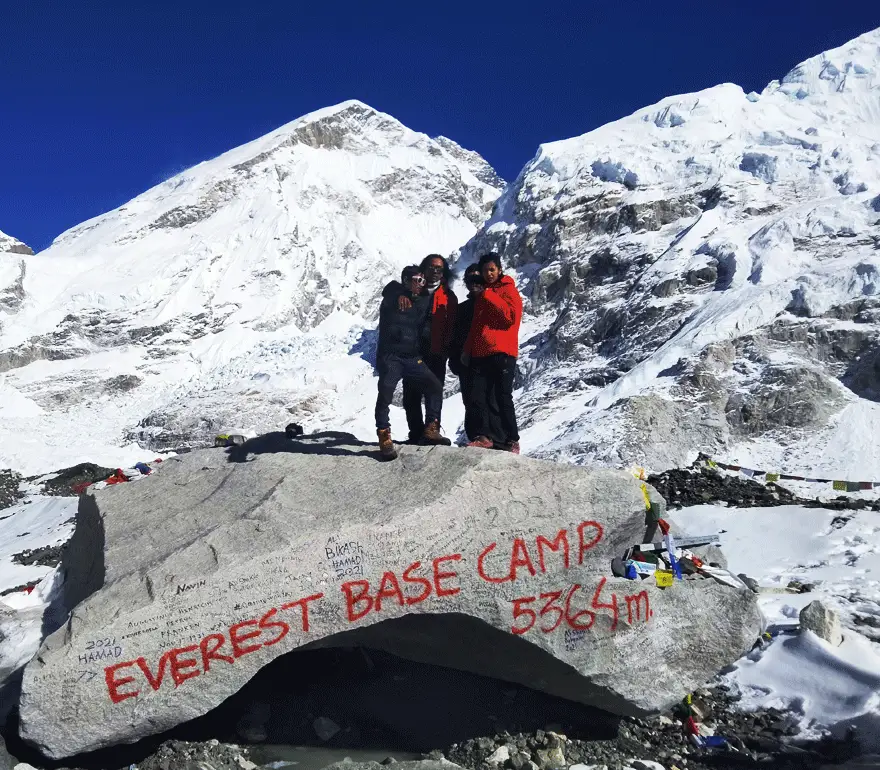
Mount Everest South Base Camp is the climbing route used by climbers attempting to summit Everest from Nepal. It lies at an altitude of 5,364 meters (17,598 feet), directly below the challenging Khumbu Icefall, where all south-side expeditions begin.
There are two base camps on Mount Everest:
- North Base Camp (Tibet side)
- Mount Everest South Base Camp (Nepal side)
The Everest South Base Camp is the destination visited by trekkers on the Classic Everest Base Camp Trek in Nepal. Unlike a single building or monument, it is a wide glacial area. During climbing seasons, the area transforms into a temporary tent city filled with international expeditions.
Why is Everest South Base Camp More Popular?
The trek to Mount Everest South Base Camp is one of the most iconic trekking journeys in the world. Its popularity comes from a rare combination of high adventure, rich culture, and accessible trekking infrastructure.
Trekkers choose this route because it offers:
- Close views of Mount Everest
- A well-developed and clearly marked trail
- Authentic Sherpa cultural experiences
- Comfortable teahouse accommodation along the way
- A strong sense of achievement without technical climbing
The journey passes through lively Himalayan villages, creating an experience that feels both adventurous and warm, personal, and welcoming.
Everest Base Camp Trek Nepal: Culture and Nature Combined
The Everest Base Camp Trek in Nepal is not only about mountains. It is also about Sherpa culture, Buddhism, and the history of the Himalaya.
Along the trail, prayer flags, mani stones, and monasteries appear daily. As altitude increases, forests fade, glaciers dominate, and the environment becomes purely alpine.
Starting the Trek: Everest Base Camp from Lukla
Most journeys toward Mount Everest South Base Camp begin with a flight to Lukla.
Lukla Airport, officially known as Tenzing–Hillary Airport, is famous for its short, sloped runway and dramatic mountain setting. Landing here marks the true beginning of the trek.
From Lukla, the trail follows the Dudh Koshi River through Phakding and Monjo, gradually leading trekkers higher into the Khumbu.
Entering Sagarmatha National Park
Soon after leaving Lukla, trekkers enter Sagarmatha National Park, a UNESCO World Heritage Site that protects much of the Everest region.
The park is known for:
- Towering Himalayan peaks
- Deep river valleys
- Massive glaciers
- Rare alpine wildlife
Musk deer, Himalayan thar, and pheasants inhabit the forests below, while snow leopards roam the upper valleys.
Namche Bazaar: Gateway to the High Himalaya
The climb to Namche Bazaar is one of the most exciting days on the trek.
Namche Bazaar is the main trading and acclimatization center of the Khumbu region. Almost all trekkers spend at least two nights here to adapt to the altitude.
Popular acclimatization hikes include:
- Everest View
- Khumjung village
- Syangboche ridge
Syangboche Airport
Syangboche Airport sits above Namche Bazaar at around 3,780 meters. It is rarely used for fixed-wing aircraft but serves helicopters, emergency evacuations, and limited scenic flights.
From Syangboche, trekkers enjoy wide views of Everest, Lhotse, and Ama Dablam before continuing higher.
Monasteries of the Everest Region
Khumjung Monastery
Located above Namche Bazaar, Khumjung Monastery is an important cultural and spiritual site in the Everest region. The monastery is known for its traditional Sherpa architecture and peaceful village setting. It is especially famous for the legendary Yeti scalp preserved inside, which holds deep cultural significance for the local community. Khumjung Monastery is commonly visited during acclimatization hikes and offers insight into Sherpa beliefs, daily life, and Himalayan Buddhist traditions.
Pangboche Monastery
Pangboche Monastery is believed to be the oldest monastery in the Khumbu region. It is beautifully located beneath the dramatic south face of Ama Dablam, creating a powerful spiritual setting. The monastery holds deep religious and historical importance for the Sherpa community. Many Everest climbers and trekkers stop here to receive blessings for safety and success before continuing higher into the Everest region.
Tengboche Monastery
Tengboche Monastery is the spiritual heart of the Khumbu region and one of the most important religious sites in the Everest area. Founded in the early 20th century, the Tengboche monastery plays a central role in Buddhist ceremonies and rituals for Everest expeditions. Climbers and trekkers often receive blessings here for safe journeys. Its hilltop location offers spectacular views of Everest, Ama Dablam, and surrounding peaks.
Dingboche, Lobuche, and the High Alpine Zone
Beyond Tengboche, the trail climbs steadily through Pangboche and enters the true high-altitude environment of the upper Khumbu. Dingboche (4,410 m) is one of the most important acclimatization stops on the Everest route. Surrounded by stone-walled fields and dramatic peaks, Dingboche offers ideal terrain for acclimatization hikes toward Nangkartshang Ri, helping trekkers adjust safely to thinning air.
From Dingboche, the landscape becomes barren and rugged as the trail ascends toward Lobuche. Here, trekkers pass a series of stone memorials dedicated to climbers who lost their lives on Mount Everest. These monuments serve as powerful reminders of the mountain’s history, its challenges, and the deep respect it demands. Lobuche marks the transition into the harsh high-alpine zone, where glaciers, strong winds, and cold temperatures dominate the environment.
Khumbu Glacier and Arrival at Mount Everest South Base Camp
Walking beside the Khumbu Glacier is one of the most dramatic parts of the trek. This massive river of ice flows directly from Mount Everest and leads trekkers to Mount Everest South Base Camp.
Standing at Mount Everest South Base Camp beside the glacier is an emotional moment. Although the summit is not visible, the atmosphere is powerful and unforgettable.
Kala Patthar: Best View of Mount Everest
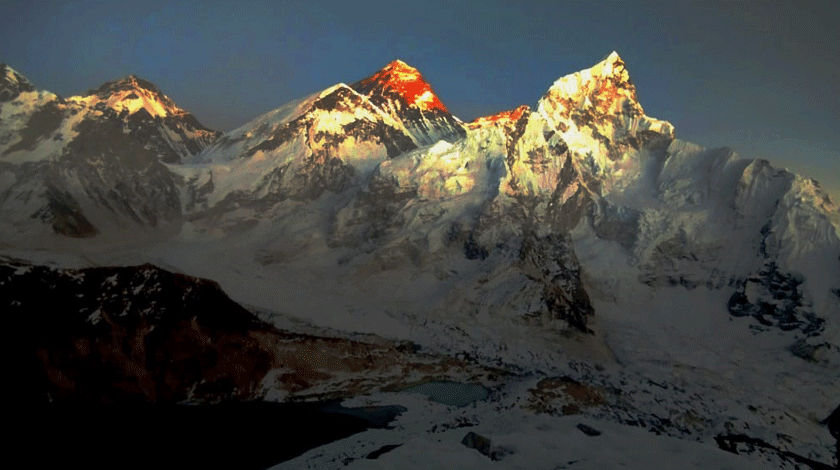
The best view of Everest comes from Kala Patthar rather than from base camp itself. From this viewpoint, trekkers see Everest, the Khumbu Icefall, and surrounding peaks glowing at sunrise.
Gokyo Valley and the Three Passes Trek
Many trekkers choose to extend the Everest Base Camp journey by exploring the beautiful Gokyo Valley and completing the challenging Three Passes Trek. The Gokyo route leads through the scenic Khumbu Valley trek, famous for its turquoise lakes and quieter trails. The Three Passes Trek with three high mountain passes, Kongma La, Cho La, and Renjo La, offers panoramic Himalayan views. This route connects Gokyo with the main Everest trail, helping create a more adventurous and less crowded trekking experience.
Climbable Peaks Around Everest
For climbers, several well-known trekking peaks are located in the Everest region and are often climbed as extensions of the Everest Base Camp trek. These include Island Peak, Lobuche East, and Mera Peak. These peaks offer achievable climbing challenges, stunning Himalayan views, and an ideal introduction to high-altitude mountaineering.
Wildlife and Photography Opportunities
The best areas for wildlife and nature photography include:
- Forests between Monjo and Namche (musk deer)
- The Phortse trail (quiet and less crowded)
- Pangboche and Dingboche valleys
- Khumbu Glacier moraines
Early mornings and quiet side trails offer the best chances for sightings.
Transportation Options to Reach the Everest Region
Flight to Lukla
The fastest way to reach the Everest region is by flying to Lukla from Kathmandu or Ramechhap to Lukla. This short mountain flight takes 25–30 minutes and offers mesmerizing views of hills and snow-covered peaks. Flying to Lukla saves several days of walking and is the most time-efficient way to start an Everest trek.
Road-Based Alternatives
For trekkers who prefer to avoid flights, several road-based routes provide reliable access to the Everest region. The Jiri Route travels from Kathmandu to Jiri, then continues on foot to Lukla. The Salleri / Phaplu Route follows a drive from Kathmandu to Salleri or Phaplu, then treks to Lukla. Another option is to take transportation to Surke near Lukla, then trek toward Namche Bazaar. These routes add extra trekking days but offer better acclimatization and greater travel reliability.
Helicopter Option
Helicopter services offer a flexible way to access the Everest region, especially during poor weather or tight schedules. Flights can land at Lukla or at Syangboche above Namche Bazaar. Although significantly more expensive than regular flights, helicopters offer greater reliability and time savings, and are commonly used for emergency evacuations and chartered trekking programs.
Final Thoughts
The journey to Mount Everest South Base Camp is far more than a trek. It is a walk through Sherpa culture, sacred monasteries, glaciers, wildlife habitats, and legendary mountain landscapes.
From Lukla to Namche Bazaar, from Tengboche to Dingboche, and along the Khumbu Glacier to the foot of the world’s highest mountain, every step tells a story.
For trekkers and climbers alike, Mount Everest South Base Camp remains one of the most meaningful Himalayan adventures on Earth.
Some of the most Popular treks in the Everest South Base Camp are;
- Short Trek to Everest Base Camp
- Three Passes Trek
- Gokyo Ri Trek
- Everest Chola Pass Trek
- Gokyo Renjola Pass trek
- Namche Trek with Kids
- Tengboche Monastery Trek
Trek Grade
Grade 1
Tap outside to close
Trekking is essentially day hiking and doesn't require any special training. However, good physical condition, a love of walking, and a desire to enjoy mountain views and village life are essential.
Grade 2
Tap outside to close
These treks are suitable for walkers looking for something more challenging and energetic. Hill-walking experience is desirable, with longer days and higher elevations.
Grade 3
Tap outside to close
Since the terrain can be hard and the days long, hikers should be in good physical condition and have previous mountain walking experience. High passes and extended trekking days may be involved.
Trek Grade
Grade 1
Tap outside to close
Trekking is essentially day hiking and doesn't require any special training. However, good physical condition, a love of walking, and a desire to enjoy mountain views and village life are essential.
Grade 2
Tap outside to close
These treks are suitable for walkers looking for something more challenging and energetic. Hill-walking experience is desirable, with longer days and higher elevations.
Grade 3
Tap outside to close
Since the terrain can be hard and the days long, hikers should be in good physical condition and have previous mountain walking experience. High passes and extended trekking days may be involved.